

Premature Ovarian Insufficiency (POI): Early Menopause Before 40 Explained

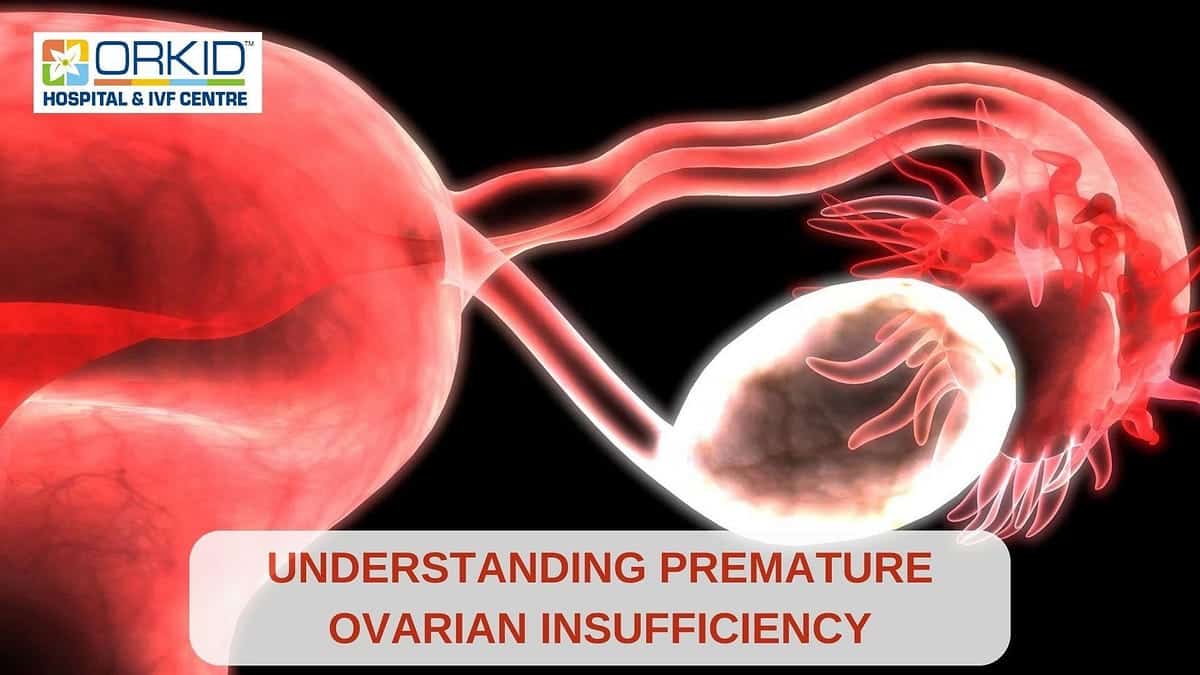
Premature ovarian insufficiency, often called POI, happens when ovaries stop working normally before age forty. Unlike natural menopause, this condition arrives much earlier than expected. Many women feel caught off guard by this unexpected diagnosis.
With POI, ovaries either produce fewer eggs or stop functioning properly altogether. Hormone levels drop significantly as a result. This hormonal shift triggers symptoms similar to typical menopause.
How POI Differs From Early Menopause
People often use these terms interchangeably, though slight differences exist. With POI, ovaries sometimes still work occasionally and unpredictably. True early menopause, by contrast, means ovarian function has stopped completely and permanently.
What Causes Premature Ovarian Insufficiency
Doctors can’t always identify an exact cause for POI. However, several known factors contribute to its development. Genetic conditions, like Turner syndrome, account for some cases directly.
Autoimmune disorders sometimes cause the body to attack ovarian tissue mistakenly. Certain medical treatments, including chemotherapy or radiation, can also damage ovarian function. In many cases, though, the cause remains unknown despite thorough testing.
The Role of Genetics and Family History
Family history plays a meaningful role in many POI cases. Women with relatives who experienced early menopause face higher risk themselves. Genetic testing sometimes helps identify specific inherited factors contributing to POI.
Autoimmune and Medical Causes
Autoimmune conditions, like thyroid disease, sometimes accompany POI. In these cases, the immune system mistakenly targets ovarian tissue. Cancer treatments, particularly chemotherapy, represent another well-documented medical cause.
Recognizing the Symptoms
Irregular or absent periods often represent the earliest noticeable symptom. Many women also experience hot flashes and night sweats. These symptoms closely resemble those of natural menopause.
Vaginal dryness and reduced sex drive frequently develop as well. Mood changes, including irritability or anxiety, can also occur. Difficulty conceiving sometimes becomes the first sign that prompts women to seek evaluation.
Why Symptoms Are Often Mistaken for Stress
Many women initially attribute these symptoms to stress or lifestyle factors. Irregular periods, especially, get easily dismissed without further investigation. This misattribution can delay proper diagnosis and treatment significantly.
How Doctors Diagnose POI
Diagnosis typically begins with a detailed discussion of your menstrual history. Your doctor will ask about irregular periods and other symptoms. Blood tests measuring hormone levels follow this initial conversation.
Specifically, doctors check follicle-stimulating hormone and estrogen levels. Elevated follicle-stimulating hormone combined with low estrogen often indicates POI. Additional genetic or autoimmune testing may follow, depending on initial results.
Why Multiple Tests Are Often Necessary
A single blood test rarely confirms POI definitively. Doctors usually repeat hormone testing over several weeks. This approach helps rule out temporary hormonal fluctuations before confirming diagnosis.
The Emotional Impact of an Early Diagnosis
Receiving a POI diagnosis can feel emotionally overwhelming, especially regarding fertility. Many women experience grief over unexpected, early fertility loss. These feelings are completely valid and deserve genuine acknowledgment.
Anxiety and sadness commonly accompany this diagnosis too. Connecting with support groups or counselors often helps significantly. Processing these emotions remains an important part of overall care.
Addressing Fertility Concerns Directly
Fertility concerns often dominate conversations following a POI diagnosis. Some women still ovulate occasionally, allowing for natural conception. Others explore options like egg donation or adoption to build their families.
Treatment Options for POI
Hormone replacement therapy remains the primary treatment for managing POI symptoms. This therapy replaces missing estrogen, reducing hot flashes and protecting bone health. Most doctors recommend continuing this treatment until the typical age of natural menopause.
Calcium and vitamin D supplements also support bone health during treatment. Regular exercise further strengthens bones and improves overall wellbeing. Combining these approaches helps manage both physical and emotional symptoms effectively.
Why Hormone Therapy Matters Beyond Symptom Relief
Hormone therapy does more than ease hot flashes and mood changes. It also protects against long-term risks like osteoporosis and heart disease. This protective benefit makes consistent treatment particularly important for younger women.
Living Well With Premature Ovarian Insufficiency
Managing POI involves more than just physical symptom control. Regular checkups help monitor bone density and cardiovascular health over time. Emotional support remains equally important throughout this journey.
Many women successfully build fulfilling lives despite this diagnosis. Open conversations with partners and family provide valuable support. With proper care, both physical and emotional wellbeing can thrive.
Final Thoughts on Premature Ovarian Insufficiency
Premature ovarian insufficiency brings unexpected challenges, but effective management remains possible. Understanding this condition empowers women to seek appropriate care confidently. Early diagnosis allows for better long-term health protection.
If you notice irregular periods or unusual symptoms before age forty, get evaluated. Early action helps protect your bones, heart, and overall wellbeing. With the right support, navigating this diagnosis becomes manageable.
Frequently Asked Questions
Can premature ovarian insufficiency be reversed?
POI generally can’t be reversed once diagnosed. However, ovarian function sometimes fluctuates unpredictably in some women. Treatment focuses primarily on managing symptoms and protecting long-term health.
Can women with POI still get pregnant?
Some women with POI still conceive naturally due to occasional ovarian function. Others require fertility treatments, like egg donation, to achieve pregnancy. Discussing options early with a fertility specialist helps clarify your possibilities.
Is premature ovarian insufficiency the same as infertility?
POI and infertility aren’t exactly identical, though they often overlap. Some women with POI retain limited fertility temporarily. Others experience complete infertility, depending on how much ovarian function remains.
Does POI increase the risk of other health problems?
Yes, POI increases the risk of osteoporosis and cardiovascular disease. Lower estrogen levels over time affect bone and heart health significantly. Hormone therapy helps reduce these long-term health risks effectively.
At what age does POI typically develop?
POI can develop at any age before forty, including teenage years occasionally. Most diagnoses occur in women in their twenties and thirties. Earlier onset often prompts more extensive genetic and medical testing.
Disclaimer:
This article is for informational purposes only and does not replace professional medical advice. Please consult a qualified healthcare provider for diagnosis and treatment.
References:
- The uterus—a pear-shaped organ in the pelvis where pregnancy develops—has two main tissue layers.
- Research has identified four primary symptoms more likely to occur in women with ovarian cancer than in the general population.
- Most women expect the weight struggle to begin after menopause. But research suggests the real metabolic shift happens years earlier.
Observer Voice is the one stop site for National, International news, Sports, Editor’s Choice, Art/culture contents, Quotes and much more. We also cover historical contents. Historical contents includes World History, Indian History, and what happened today. The website also covers Entertainment across the India and World.

