WHO
-
Health

WHO Report Highlights Urgent Need for Innovative Antibacterial Agents to Combat AMR
Geneva, June 14, 2024 – The World Health Organization (WHO) has released its latest report on antibacterial agents, revealing a…
Read More » -
Health
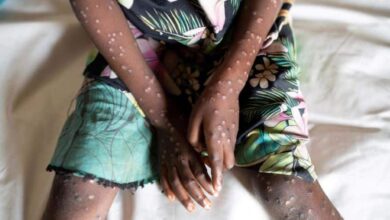
South Africa Reports Surge in Mpox Cases: WHO Notified
Representational Image© Reuters 09 July 2024 – The Republic of South Africa has reported 20 confirmed cases of mpox between 8…
Read More » -
Health
Over 3 million annual deaths due to alcohol and drug use, majority among men
25 June 2024 –A new report from the World Health Organization (WHO) highlights that 2.6 million deaths per year were attributable…
Read More » -
Health
Stalled Global Immunization Rates Leave Millions of Children Vulnerable
5 July 2024 | Geneva – Global childhood immunization coverage has stagnated, leaving an additional 2.7 million children un- and under-vaccinated…
Read More » -
Health
MeDevIS platform announced to boost access to medical technologies and devices
8 July 2024 | Geneva –- World Health Organization (WHO) has introduced an online platform called MeDevIS (Medical Devices Information System), the first…
Read More » -
Featured
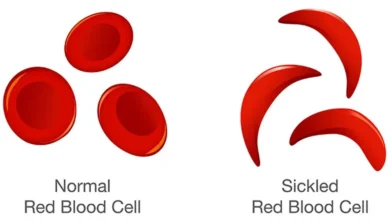
World Sickle Cell Awareness Day: History, Theme, and Significance
19 June is observed as World Sickle Cell Awareness Day. A United Nation’s recognised day to raise awareness of sickle cell…
Read More » -
Featured
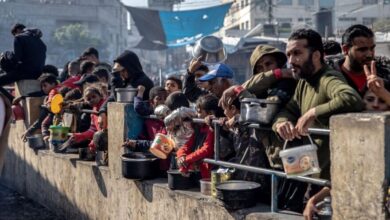
WHO Expresses Deep Concern Over Escalating Health Crisis in the West Bank
15 June 2024, Jerusalem/Cairo/Geneva — The World Health Organization (WHO) has voiced serious concern regarding the worsening health crisis in…
Read More » -
International
United Nations Highlights Food Safety on World Food Safety Day: “Prepare for the Unexpected”
The United Nations marks the sixth World Food Safety Day today, with the theme “Prepare for the Unexpected,” emphasizing the…
Read More » -
Health
Gavi to boost access to life-saving human rabies vaccines in over 50 countries: Gavi, WHO and UAR
Geneva—Gavi, the Vaccine Alliance, in collaboration with partners, is announcing support for human rabies vaccines for post-exposure prophylaxis (PEP) as…
Read More » -
International
Qatar and WHO Conclude Workshop on Country Cooperation Strategy (CCS) 2024–2030
In a collaborative effort towards advancing healthcare initiatives, Qatar and the World Health Organization (WHO) successfully concluded a two-day workshop…
Read More » -
International
WHO Director Wraps Up Mission in Kabul, Afghanistan, Emphasizing Health Priorities
Dr. Hanan Balkhy, the WHO Regional Director for the Eastern Mediterranean, concluded a significant three-day visit to Kabul, Afghanistan, marking…
Read More » -
International
Iraq Declared Polio-Free in January 2024: WHO
In January 2024, Iraq accomplished a significant milestone by completing the polio transition process, becoming the inaugural country among the…
Read More » -
Featured
WHO Warns of Escalating Health Crisis in Ethiopia Amid Funding Shortfall
In a somber address to colleagues and partners, Dr. Tedros, Director-General of the World Health Organization (WHO), conveyed grave concerns…
Read More » -
Featured
Multi-country outbreak of cholera: situation report
The persistence of cholera is evident as 2024 begins, with 40 900 cases and 775 deaths reported in January alone…
Read More » -
Global meeting to combat illicit tobacco trade concludes with decisive action
The Third session of the Meeting of the Parties to the Protocol to Eliminate Illicit Trade in Tobacco Products concluded…
Read More »