

Ovarian Cancer: The ‘Silent Killer’ — Symptoms That Are Often Dismissed

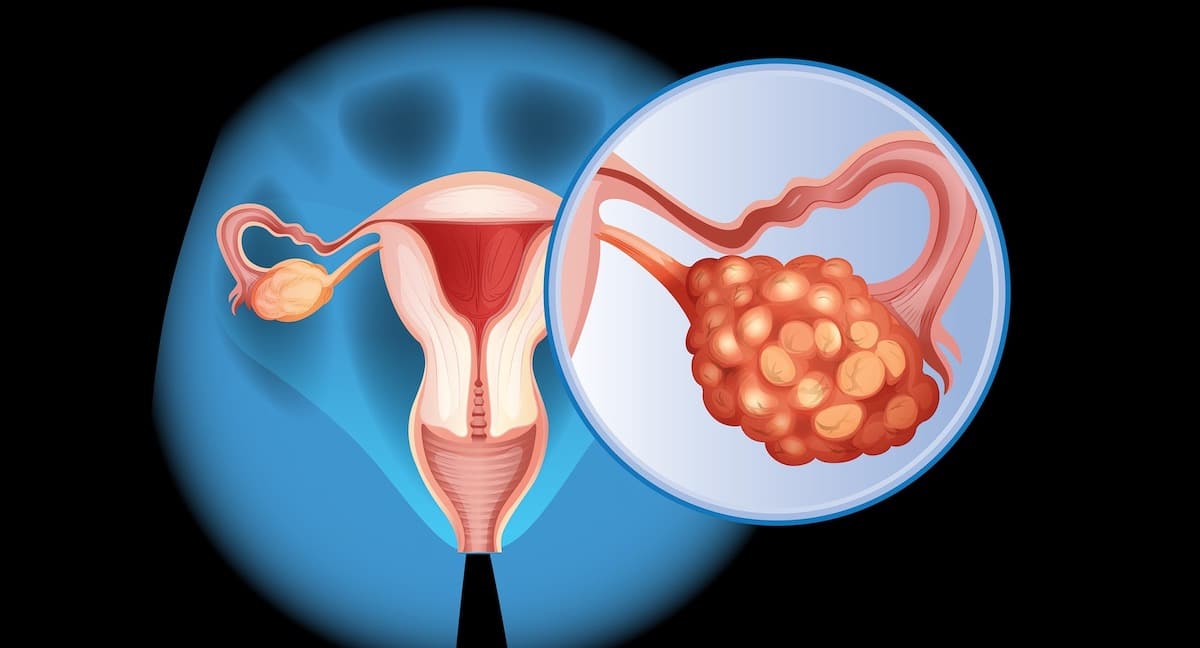
When Jennifer felt persistent bloating for six weeks straight, she blamed it on stress from her busy job and perhaps eating too much. When the bloating didn’t improve and she started feeling uncomfortably full after just a few bites of food, she mentioned it to her doctor during an annual checkup. Her doctor initially suggested dietary changes and antacids. But when Jennifer returned a month later with continued bloating plus vague pelvic discomfort, her doctor ordered an ultrasound. The imaging revealed a large ovarian mass—stage IIIC ovarian cancer. Jennifer was shocked. “I just thought I was bloated,” she said later. “The symptoms seemed so ordinary, so easy to ignore.”
Jennifer’s experience reflects a dangerous reality about ovarian cancer. That research, led by the Gynecologic Oncology Group, found that out of 419 patients, about 70% had one or more symptoms of the disease, including pelvic pain or bloating. Other symptoms included vaginal bleeding, urinary symptoms or gastrointestinal symptoms UW Medicine. Despite decades of calling ovarian cancer a “silent killer,” research shows it actually produces symptoms—they’re just subtle, vague, and easily attributed to common digestive or gynecological issues. The real problem isn’t silence; it’s that both women and their doctors dismiss these symptoms until cancer has advanced beyond early, curable stages.
Why Ovarian Cancer Isn’t Actually Silent—It Whispers
The “silent killer” label has persisted for decades, but experts now recognize it as misleading. Many healthcare professionals are seemingly unaware of the symptoms typically associated with ovarian cancer, so misdiagnosis remains common. The findings added to evidence from clinical surveys showing that more than 90% of women with early-stage ovarian cancer reported having symptoms prior to diagnosis UW Medicine. The issue isn’t absence of symptoms—it’s that symptoms mimic benign conditions and patients and physicians alike fail to recognize the patterns signaling cancer.
What makes ovarian cancer symptoms particularly treacherous is their ordinariness. Bloating, pelvic pain, feeling full quickly, urinary urgency—these complaints are common in women’s lives. Most of us experience them occasionally with hormonal cycles, dietary indiscretions, or minor digestive upsets. The critical difference with ovarian cancer is persistence and pattern. Women with ovarian cancer typically had symptoms that were of more recent onset and experienced their symptoms almost daily, compared with over a year-long history of episodic symptoms occurring two to three times a month for a clinic population of women without ovarian cancer UW Medicine.
The whisper becomes louder when you know what to listen for. Ovarian cancer symptoms don’t come and go with menstrual cycles. They don’t respond to typical remedies like antacids, dietary changes, or stress reduction. They persist day after day, often worsening gradually. They represent a change from your body’s baseline—new symptoms that weren’t present before, or familiar symptoms that have dramatically intensified and won’t resolve.
The Four Core Symptoms You Shouldn’t Ignore
Research has identified four primary symptoms more likely to occur in women with ovarian cancer than in the general population. Four symptoms are more likely to occur in women with ovarian cancer than in women in the general population. These symptoms are bloating or increased abdominal size; pelvic or abdominal pain; difficulty eating or feeling full quickly; and urinary frequency or urgency Harvard Health. While each symptom alone is common and usually benign, their persistence, combination, and recent onset create a pattern worth investigating.
Bloating represents the most common symptom women with ovarian cancer report. Persistent ly feeling bloated and full is one of the most common early signs of ovarian cancer. While it is normal to feel bloated, especially around your monthly cycle, consistent bloating that lasts every day for up to three weeks is not Rush. This isn’t the bloating that appears after a large meal or during PMS and disappears within days. It’s constant abdominal distension making your clothes feel tight around the waist day after day. Your abdomen may visibly increase in size. The bloating doesn’t cycle with your menstrual period and doesn’t improve with dietary modifications or over-the-counter gas relief medications.
Pelvic or abdominal pain accompanies ovarian cancer in many patients. Pelvic pain that occurs even when you are not menstruating or ovulating can be an early symptom of ovarian cancer. The pain can feel dull, similar to menstrual cramps, or more severe, requiring you to lie down or take pain medication Baptist Health. The pain typically localizes to the lower abdomen or pelvis but can radiate to the lower back or upper abdomen. Unlike menstrual cramps that follow predictable cyclical patterns, ovarian cancer pain persists independent of your cycle. It may start mild and gradually intensify over weeks to months.
Early satiety—feeling full after eating only small amounts—reflects how growing ovarian tumors affect the digestive system. The ovaries sit in the pelvis near the stomach, intestines, and bladder. As tumors grow, they compress surrounding organs, creating false signals of fullness. Women describe feeling satisfied after just a few bites when they previously finished normal portions comfortably. This symptom often leads to unintentional weight loss as eating becomes difficult and unsatisfying.
Urinary symptoms round out the core quartet. The last silent symptom of ovarian cancer is some women will feel that they have to use the bathroom more often than normal. Some patients can experience a burning or pressure sensation during urination UAB News. Urgency—feeling you must urinate immediately—and frequency—needing to go often—occur as tumors press on the bladder or irritate pelvic nerves. Many women initially attribute these symptoms to urinary tract infections and try home remedies or antibiotics, but symptoms persist because the cause isn’t infection.
Additional Warning Signs And Symptoms
Beyond the core four symptoms, ovarian cancer can produce other complaints that warrant attention. If a woman starts having sudden issues with either constipation or diarrhea, it can be a sign of ovarian cancer. It usually persists for an extended period and is not a routine issue a woman has been dealing with UAB News. Digestive changes—new onset constipation, diarrhea, or both alternating—reflect tumor effects on intestinal function. Tumors can compress the colon, interfere with normal motility, or cause fluid accumulation in the abdomen that affects digestion.
Fatigue represents another frequent complaint, though less specific than other symptoms. Unrelenting fatigue—the kind that doesn’t improve with rest—can be a sign of ovarian cancer. If fatigue lingers for weeks and comes with other symptoms like weight loss or appetite changes, it’s time to take it seriously VA Womens Health. Cancer-related fatigue differs from normal tiredness—it’s profound exhaustion affecting daily function that doesn’t improve with sleep or rest. When combined with other ovarian cancer symptoms, persistent fatigue deserves evaluation.
Back pain, particularly lower back pain, sometimes accompanies ovarian cancer. Tumors can irritate nerves in the pelvis that refer pain to the lower back. Unexplained weight loss, when not from intentional dieting or increased exercise, always warrants investigation. Abnormal vaginal bleeding—bleeding between periods or after menopause—can signal ovarian cancer though it’s less common than other symptoms. In advanced cases, women may notice abdominal swelling from fluid accumulation (ascites), shortness of breath from fluid around the lungs (pleural effusion), or palpable masses in the abdomen.
Who’s At Risk: Understanding Ovarian Cancer Risk Factors
While any woman with ovaries can develop ovarian cancer, certain factors substantially elevate risk. The single strongest risk factor is carrying a BRCA1 or BRCA2 gene mutation. It’s still unclear what causes ovarian cancer, but research suggests that the No. 1 risk factor is genetic mutation in breast cancer gene one (BRCA1) and breast cancer gene two (BRCA2). In fact, approximately 10% to 15% of ovarian cancer cases are caused by BRCA1 or BRCA2 mutations. While approximately 1.3% of all women develop ovarian cancer, the rate is significantly higher among women with inherited BRCA mutations (44% for those with inherited BRCA1 mutations and 17% for those with inherited BRCA2 mutations) Moffitt.
These inherited mutations dramatically increase lifetime ovarian cancer risk—women with BRCA1 mutations face 35-70% lifetime risk compared to 1.3% in the general population. The lifetime ovarian cancer risk for women with a BRCA1 mutation is estimated to be between 35% and 70%. This means that if 100 women had a BRCA1 mutation, between 35 and 70 of them would get ovarian cancer. For women with BRCA2 mutations the risk has been estimated to be between 10% and 30% by age 70 American Cancer Society. BRCA mutations are about ten times more common in Ashkenazi Jewish women than the general U.S. population, making this ethnic background a risk factor deserving genetic counseling.
Family history matters even without identified BRCA mutations. Having two or more close relatives (mother, sister, daughter, grandmother, aunt) with ovarian or breast cancer increases risk, suggesting possible hereditary cancer syndromes. Other hereditary syndromes including Lynch syndrome (hereditary non-polyposis colorectal cancer), Peutz-Jeghers syndrome, and others carry elevated ovarian cancer risk.
Age is a major risk factor—ovarian cancer is primarily a disease of older women. Median age at diagnosis is 63, with rates highest in women aged 55-64. Only about 20% of ovarian cancers occur in women under 55. Reproductive history affects risk: never having been pregnant increases risk, while having children—particularly multiple children—reduces it. Each pregnancy and breastfeeding period suppress ovulation, and less cumulative lifetime ovulation correlates with lower ovarian cancer risk.
Early menstruation (before age 12) and late menopause (after age 55) increase risk by extending years of monthly ovulation. Conversely, oral contraceptive use substantially reduces risk—even five years of birth control pill use cuts ovarian cancer risk approximately in half, with protection persisting for years after discontinuation. Endometriosis and obesity both increase risk, though mechanisms aren’t completely understood. Personal history of breast cancer elevates ovarian cancer risk even without BRCA mutations.
Why Early Detection Matters: The Survival Gap
The stage at which ovarian cancer is diagnosed determines survival more powerfully than perhaps any other factor. For ovarian cancer, 20.3% are diagnosed at the local stage. The 5-year relative survival for localized ovarian cancer is 91.7% SEER Cancer Statistics. When caught at stage I—confined to the ovaries—five-year survival approaches 90-94%. Treatment typically involves surgery to remove the ovaries, fallopian tubes, uterus, and any visible tumor, followed by chemotherapy. Most women with stage I disease are cured.
However, only about 20% of ovarian cancers are diagnosed at this early, localized stage. The remaining 80% are discovered after spread beyond the ovaries. The five-year survival rate (the percentage of women who survive for five years or more after diagnosis) for early-stage ovarian cancer is about 80% to 90%. The five-year survival rate for advanced-stage ovarian cancer varies from about 28% to 40% Rush. This dramatic survival difference—from 90% to 30-40%—explains why recognizing symptoms matters profoundly.
Regional disease (stage II-III)—cancer spread to nearby structures, peritoneum, or lymph nodes—carries intermediate survival. Stage III disease, the most common stage at diagnosis, has five-year survival around 39-45% depending on extent of spread. Distant metastatic disease (stage IV)—spread to liver, lungs, or other distant organs—has five-year survival around 30-31%. These advanced cancers require aggressive multimodal treatment combining surgery, chemotherapy, and increasingly targeted therapies and immunotherapy.
The absence of effective screening compounds the early detection problem. Unlike mammography for breast cancer or colonoscopy for colon cancer, no screening test for ovarian cancer exists for average-risk women. CA-125 blood tests and transvaginal ultrasound have been studied extensively but don’t reduce ovarian cancer deaths when used for population screening. They generate too many false positives requiring unnecessary surgeries, and don’t catch early-stage disease reliably enough to change outcomes. This screening vacuum makes symptom awareness our best tool for earlier diagnosis.
When Symptoms Demand Investigation
The critical question becomes: when do common symptoms warrant medical evaluation for ovarian cancer? The statement recommends that any woman who experiences one or more of these complaints almost daily for more than a few weeks should see a clinician for a pelvic exam Harvard Health. The key elements are persistence (daily or near-daily occurrence), duration (lasting weeks, not days), and recent onset (new symptoms or dramatic worsening of existing symptoms).
If you experience bloating, pelvic pain, early satiety, or urinary symptoms that persist for two to three weeks without improvement, see your doctor. If you have two or more core symptoms occurring together simultaneously, seek evaluation sooner. If symptoms progressively worsen over weeks, don’t wait—the combination of persistence plus progression signals potential serious disease.
During evaluation, your doctor should perform a comprehensive pelvic exam including bimanual examination (examining the ovaries and uterus by feel). For postmenopausal women or anyone with concerning findings, transvaginal ultrasound visualizes the ovaries better than external ultrasound, detecting masses, fluid, or architectural changes. A CA-125 blood test measures a protein often elevated in ovarian cancer, though it’s neither sensitive nor specific enough for screening—it’s useful as one piece of diagnostic information when cancer is suspected clinically.
Importantly, normal imaging and CA-125 don’t definitively rule out ovarian cancer. If symptoms persist despite negative initial workup, follow-up imaging or referral to a gynecologic oncologist may be warranted. Some ovarian cancers don’t elevate CA-125, particularly non-epithelial types. Small tumors may be missed on ultrasound. Trust your body—if something feels persistently wrong despite reassuring tests, advocate for further evaluation.
Prevention And Risk Reduction Strategies
While ovarian cancer can’t be completely prevented, certain measures reduce risk. For women with BRCA mutations or strong family histories, risk-reducing bilateral salpingo-oophorectomy (removing both ovaries and fallopian tubes) dramatically lowers ovarian cancer risk. This surgery is typically recommended after childbearing is complete, usually by age 35-40 for BRCA1 carriers and by age 40-45 for BRCA2 carriers. Removal of both fallopian tubes and ovaries (bilateral salpingo-oophorectomy), removal of the uterus (hysterectomy), and tying the fallopian tubes (tubal ligation) may reduce the chance of developing certain types of ovarian cancer American Cancer Society.
Interestingly, many ovarian cancers actually originate in the fallopian tubes rather than the ovaries themselves. For average-risk women undergoing hysterectomy for benign reasons, removing the fallopian tubes (salpingectomy) while leaving hormone-producing ovaries reduces ovarian cancer risk without inducing premature menopause. This opportunistic salpingectomy is increasingly recommended as a cancer prevention strategy.
Oral contraceptive use provides substantial protection, reducing ovarian cancer risk by approximately 50% with five or more years of use. Using oral contraceptives (birth control pills) decreases the risk of developing ovarian cancer for average risk women and BRCA mutation carriers, especially among women who use them for several years. Women who used oral contraceptives for 5 or more years have about a 50% lower risk of developing ovarian cancer compared with women who never used oral contraceptives American Cancer Society. Protection persists for years after discontinuation. However, oral contraceptives slightly increase breast cancer risk, so individual risk-benefit considerations matter.
Pregnancy and breastfeeding both reduce risk by suppressing ovulation. Each full-term pregnancy reduces risk approximately 10-15%, and breastfeeding adds additional protection. Tubal ligation (having tubes tied) also reduces ovarian cancer risk by about 30%. For women with BRCA mutations considering genetic testing of family members, cascade testing—testing relatives after one family member tests positive—can identify others at risk who might benefit from enhanced screening or preventive surgery.
Living With Ovarian Cancer: Understanding Prognosis
If diagnosed with ovarian cancer, prognosis depends on multiple factors beyond stage. Younger women generally have better outcomes than older women. BRCA1/2 mutations demonstrated both OS and PFS benefits in patients with ovarian cancer (OS: HR = 0.67, 95% CI, 0.57 to 0.78; PFS: HR = 0.62, 95% CI, 0.53 to 0.73) PubMed Central. Paradoxically, women with BRCA-associated ovarian cancers actually have better survival than women with sporadic (non-hereditary) ovarian cancer, likely because BRCA tumors respond better to platinum chemotherapy and newer PARP inhibitor drugs.
Histologic type matters—high-grade serous carcinoma, the most common type, has different prognosis than clear cell, mucinous, or endometrioid subtypes. Surgical outcome profoundly affects survival—achieving complete or optimal debulking (removing all visible tumor or leaving residual nodules under 1cm) dramatically improves outcomes compared to suboptimal surgery with larger residual disease. This is why gynecologic oncologists—specialists trained in complex ovarian cancer surgery—should perform operations whenever possible.
Treatment has evolved dramatically. Beyond surgery and platinum-based chemotherapy, targeted therapies including PARP inhibitors (olaparib, niraparib, rucaparib) significantly extend progression-free survival, particularly in BRCA-mutated and HRD (homologous recombination deficient) tumors. Bevacizumab, an anti-angiogenesis drug, improves outcomes in combination with chemotherapy. Immunotherapy shows promise in certain ovarian cancer subtypes. Clinical trials continue investigating novel approaches, making enrollment in trials a reasonable consideration for eligible patients.
Frequently Asked Questions
Q1: I have bloating that’s been persistent for two weeks. Does this mean I have ovarian cancer? Probably not—bloating is extremely common and usually benign. However, bloating persisting two to three weeks despite dietary changes and gas relief medications warrants evaluation, especially if accompanied by other symptoms like pelvic pain, early satiety, or urinary frequency. Most women with persistent bloating don’t have cancer, but evaluation can rule out ovarian cancer and often identifies other treatable causes like irritable bowel syndrome, celiac disease, or ovarian cysts.
Q2: My mother had ovarian cancer. What are my chances of getting it, and when should I be tested? Having one first-degree relative with ovarian cancer roughly doubles or triples your risk compared to the general population, but your absolute risk remains relatively low (around 3-4% lifetime). If your mother also had early-onset breast cancer, multiple family members with breast or ovarian cancer, or Ashkenazi Jewish heritage, genetic counseling and BRCA testing are appropriate. Testing is usually recommended starting around age 30-35 or 10 years before the youngest family member’s diagnosis age.
Q3: Is there any screening test for ovarian cancer like mammograms for breast cancer? Unfortunately, no. CA-125 blood tests and transvaginal ultrasounds have been extensively studied but don’t reduce ovarian cancer deaths when used for routine screening in average-risk women. They generate too many false positives and don’t reliably detect early-stage disease. For high-risk women with BRCA mutations, many doctors offer CA-125 and ultrasound every 6-12 months, though even in this population, screening hasn’t been proven to improve survival. Symptom awareness and risk-reducing surgery remain the best strategies.
Q4: I’m 35 and was just diagnosed with a BRCA1 mutation. Should I have my ovaries removed now? This is a personal decision requiring thorough discussion with a genetic counselor and gynecologic oncologist. Most guidelines recommend risk-reducing salpingo-oophorectomy by age 35-40 for BRCA1 carriers after childbearing is complete. The surgery reduces ovarian cancer risk by about 80-90% and also substantially reduces breast cancer risk through hormone reduction. However, it induces surgical menopause with attendant symptoms and health effects. Timing should balance cancer risk reduction against reproductive goals and quality-of-life considerations.
Q5: Can ovarian cancer be detected early if I pay attention to symptoms? Sometimes, yes. While ovarian cancer is often diagnosed at advanced stages, research shows most women with even early-stage disease had symptoms before diagnosis—the symptoms were just dismissed. Paying attention to persistent, progressive symptoms (especially the core four: bloating, pelvic pain, early satiety, urinary symptoms) and seeking prompt evaluation when they occur does lead to earlier diagnosis in some cases. However, even with awareness, some ovarian cancers grow and spread rapidly with minimal symptoms. Symptom awareness improves but doesn’t guarantee early detection.
Disclaimer
This article adapts publicly available information from reputable medical sources and cancer research organizations. This content is for informational and educational purposes only and does not constitute medical advice. ObserverVoice.com is a news and information platform — not a healthcare provider. Decisions about ovarian cancer screening, genetic testing, diagnosis, and treatment should be made in consultation with qualified gynecologists, gynecologic oncologists, genetic counselors, and other healthcare professionals who can evaluate your individual symptoms, family history, genetic risk factors, and overall health status. If you experience persistent pelvic symptoms, unexplained bloating, or other concerning signs described in this article, please consult with your healthcare provider promptly for proper evaluation.
References
- Harvard Health. Certain symptoms may be early signs of ovarian cancer. https://www.health.harvard.edu/cancer/certain-symptoms-may-be-early-signs-of-ovarian-cancer
- UW Medicine Newsroom. Ovarian cancer is not a silent killer. https://newsroom.uw.edu/blog/ovarian-cancer-not-silent-killer
- Rush University Medical Center. 5 Early Signs of Ovarian Cancer. https://www.rush.edu/news/5-early-signs-ovarian-cancer
- UAB News. Five silent symptoms of ovarian cancer. https://www.uab.edu/news/health-medicine/five-silent-symptoms-of-ovarian-cancer
- National Cancer Institute. BRCA Gene Changes: Cancer Risk and Genetic Testing Fact Sheet. https://www.cancer.gov/about-cancer/causes-prevention/genetics/brca-fact-sheet
Observer Voice is the one stop site for National, International news, Sports, Editor’s Choice, Art/culture contents, Quotes and much more. We also cover historical contents. Historical contents includes World History, Indian History, and what happened today. The website also covers Entertainment across the India and World.

