

Uterine Fibroids: Symptoms, Sizes, and When You Really Need Treatment

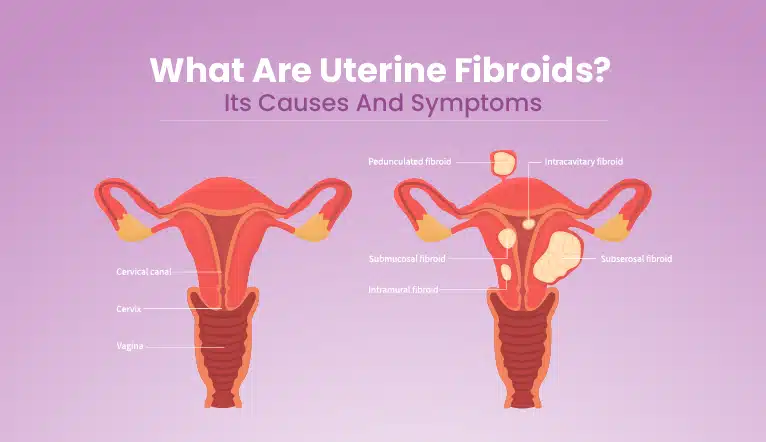
Uterine fibroids are noncancerous growths that develop in or around the uterus. They form from muscle and fibrous tissue. Many women develop fibroids at some point during their reproductive years.
These growths vary tremendously in size, location, and number. Some women have just one small fibroid, while others develop several larger ones. Understanding these differences helps explain why symptoms vary so much between patients.
Why Fibroids Are So Common
Fibroids affect a significant percentage of women by age fifty. Many women never even realize they have them. Often, fibroids cause no symptoms and get discovered accidentally during routine exams.
Understanding Fibroid Sizes and Types
Fibroid size ranges dramatically, from as small as a seed to larger than a melon. Doctors classify fibroids based on their location within the uterus. Submucosal fibroids grow inside the uterine cavity, often causing heavier bleeding.
Intramural fibroids develop within the uterine wall itself. Subserosal fibroids grow on the outer surface of the uterus. Each type can produce different symptoms, depending on size and exact location.
Why Location Matters More Than Size Alone
A small fibroid in the wrong location can cause significant symptoms. Meanwhile, a much larger fibroid elsewhere might cause none at all. This is why doctors evaluate location alongside size when determining treatment.
Recognizing the Symptoms
Heavy or prolonged menstrual bleeding is one of the most common fibroid symptoms. Many women also experience pelvic pain or pressure. Frequent urination can occur when fibroids press against the bladder.
Some women notice lower back pain or discomfort during intercourse. Constipation sometimes develops when fibroids press against the bowel. In some cases, fibroids contribute to fertility challenges or pregnancy complications.
When Symptoms Signal a Bigger Problem
Severe pain combined with heavy bleeding deserves prompt medical evaluation. Sudden, intense pelvic pain could indicate a fibroid complication. Don’t hesitate to seek care if symptoms worsen suddenly or significantly.
How Doctors Diagnose Fibroids
Diagnosis typically starts with a routine pelvic examination. Your doctor may notice an enlarged or irregularly shaped uterus during this exam. This finding often prompts further testing to confirm fibroids.
An ultrasound usually provides clear images of fibroid size and location. In more complex cases, doctors may recommend an MRI for additional detail. These imaging tools help guide appropriate treatment planning.
Why Accurate Imaging Matters for Treatment Planning
Knowing the exact size, number, and location of fibroids guides treatment decisions. This information helps doctors recommend the least invasive effective option. Accurate imaging also helps track whether fibroids grow over time.
When You Actually Need Treatment
Not every fibroid requires treatment. Many small, symptom-free fibroids simply need monitoring over time. Doctors often recommend regular checkups to track any changes in size.
However, treatment becomes necessary when symptoms significantly affect your quality of life. Heavy bleeding causing anemia definitely warrants treatment. Similarly, fibroids causing severe pain or fertility concerns usually require intervention.
Watchful Waiting Versus Active Treatment
Watchful waiting works well for asymptomatic or mildly symptomatic fibroids. Doctors monitor growth through periodic ultrasounds. If symptoms worsen or fibroids grow rapidly, active treatment becomes more appropriate.
Treatment Options Worth Knowing
Medication often serves as the first treatment approach for manageable symptoms. Hormonal treatments can reduce bleeding and shrink fibroids temporarily. These options work well for women hoping to avoid surgery.
For larger or more problematic fibroids, procedural options become necessary. Uterine artery embolization cuts off blood supply, shrinking fibroids effectively. Myomectomy surgically removes fibroids while preserving the uterus for future fertility.
When Hysterectomy Becomes the Right Choice
Hysterectomy remains the only permanent solution for fibroids. Doctors typically recommend this option for women done with childbearing. This decision should always involve thorough discussion with your doctor.
Newer, Less Invasive Procedures
Focused ultrasound surgery offers a noninvasive option for certain fibroids. This procedure uses sound waves to destroy fibroid tissue precisely. Recovery time is often shorter compared to traditional surgery.
Final Thoughts on Uterine Fibroids
Uterine fibroids are incredibly common, yet treatment needs vary widely between women. Understanding your specific symptoms and fibroid characteristics guides the right treatment path. Not every fibroid demands immediate action.
If your symptoms feel disruptive or concerning, consult your doctor promptly. Together, you can determine whether monitoring or active treatment suits you best. With proper care, most women manage fibroids successfully and maintain good health.
Frequently Asked Questions
Can fibroids turn into cancer?
Fibroids are almost always noncancerous and rarely become cancerous. The risk of a fibroid developing into cancer remains extremely low. Regular monitoring still helps ensure any unusual changes get addressed promptly.
Do fibroids shrink after menopause?
Fibroids often shrink naturally after menopause due to declining estrogen levels. Many women experience significant symptom relief during this transition. However, fibroids don’t always disappear completely for everyone.
Can I still get pregnant with fibroids?
Many women with fibroids conceive and carry pregnancies successfully. However, certain fibroid types and locations can occasionally affect fertility. Discussing your specific case with a doctor provides personalized guidance.
Are large fibroids always more dangerous?
Large fibroids aren’t necessarily more dangerous than smaller ones. Symptom severity often depends more on location than overall size. Some large fibroids cause minimal symptoms, while small ones cause significant problems.
Is surgery always necessary for fibroids?
Surgery isn’t always necessary for treating fibroids. Many women manage symptoms successfully through medication or less invasive procedures. Surgery becomes appropriate mainly when other treatments fail or symptoms are severe.
Disclaimer: This article is for informational purposes only and does not replace professional medical advice. Please consult a qualified healthcare provider for diagnosis and treatment.
References:
- Uterine fibroids, also known as leiomyomas, are non-cancerous tumors that develop in or on the uterus.
- Smooth muscle: involuntary muscle tissue throughout body—brain has no conscious control.
- Leiomyosarcoma is a malignant tumor arising from smooth muscle characterized by diverse anatomic locations, cytologic atypia, and variable biological behavior dependent on grade and location.
- The uterus—a pear-shaped organ in the pelvis where pregnancy develops—has two main tissue layers.
- Adenomyosis is a condition where tissue from the uterine lining grows into the uterine wall.
Observer Voice is the one stop site for National, International news, Sports, Editor’s Choice, Art/culture contents, Quotes and much more. We also cover historical contents. Historical contents includes World History, Indian History, and what happened today. The website also covers Entertainment across the India and World.

