

Schizoaffective Disorder: The Condition That Bridges Schizophrenia and Mood Disorders

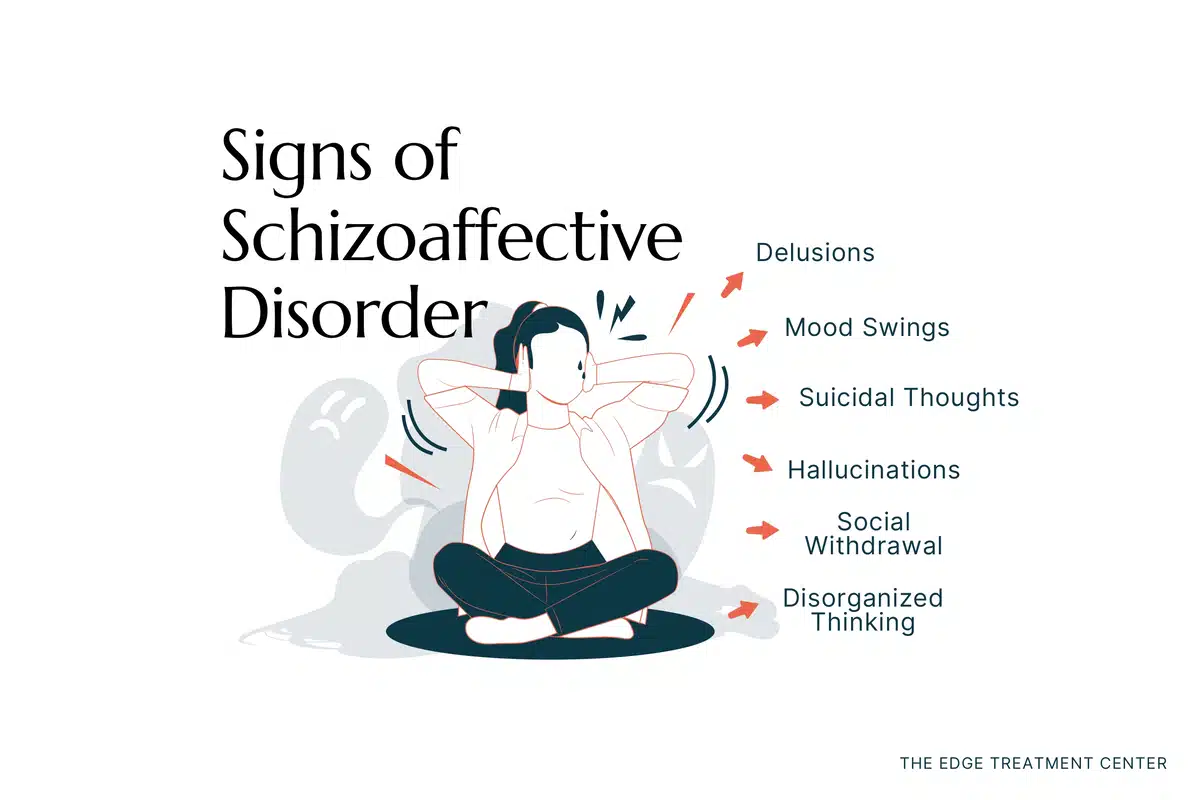
Mental health conditions rarely fit neatly into a single box. Schizoaffective disorder is a clear example of this complexity. It combines features of schizophrenia — a condition involving breaks from reality — with features of major mood disorders such as bipolar disorder or severe depression. The result is a condition that clinicians, patients, and families often find difficult to understand and even harder to name.
Yet schizoaffective disorder is neither rare nor untreatable. Millions of people worldwide live with this diagnosis. With accurate identification and appropriate treatment, most people with schizoaffective disorder experience meaningful recovery and lead fulfilling lives. The starting point is understanding what this condition actually involves.
What Is Schizoaffective Disorder?
Schizoaffective disorder is a chronic mental health condition in which a person experiences both psychotic symptoms — such as hallucinations and delusions — and significant mood episodes, such as mania or depression. The term itself reflects this dual nature: “schizo” refers to the psychotic features, and “affective” refers to the mood component.
Where Schizoaffective Disorder Sits Diagnostically
The DSM-5 classifies schizoaffective disorder within the schizophrenia spectrum and other psychotic disorders category. This placement reflects the central role of psychosis in the condition. However, the mood component is not incidental — it is substantial, persistent, and clinically significant.
This dual nature is precisely what makes schizoaffective disorder distinct. Schizophrenia can involve mood symptoms, but they are usually brief and secondary to the psychosis. In schizoaffective disorder, mood episodes are prominent, prolonged, and present throughout a significant portion of the illness.
How Common Is Schizoaffective Disorder?
Research estimates that schizoaffective disorder affects approximately 0.3% of the population. While this figure is smaller than the prevalence of schizophrenia or bipolar disorder individually, it translates to tens of millions of people globally. The condition affects people of all genders, though research suggests the bipolar subtype appears more equally across genders while the depressive subtype may be slightly more common in women.
Onset typically occurs in early adulthood, most commonly between the ages of 16 and 30. Early recognition during this period significantly improves long-term outcomes.
The Two Subtypes of Schizoaffective Disorder
The DSM-5 divides schizoaffective disorder into two subtypes based on the nature of the mood component. Understanding these subtypes helps clarify the range of presentations clinicians encounter.
The Bipolar Subtype
The bipolar subtype of schizoaffective disorder involves manic episodes, with or without depressive episodes occurring alongside psychotic symptoms. During manic phases, the person may experience elevated or irritable mood, dramatically reduced sleep, racing thoughts, impulsive behaviour, and an inflated sense of their own abilities or importance.
These manic episodes occur alongside hallucinations, delusions, or disorganised thinking — the psychotic features that distinguish schizoaffective disorder from bipolar disorder alone. The combination creates a particularly complex and intense clinical picture that requires careful, targeted treatment.
The Depressive Subtype
The depressive subtype involves major depressive episodes occurring alongside the psychotic features. During depressive episodes, the person experiences persistent low mood, loss of interest in activities they previously enjoyed, fatigue, cognitive slowing, and often profound hopelessness.
Importantly, the psychotic symptoms in schizoaffective disorder must be present for at least two weeks in the absence of a mood episode. This requirement distinguishes schizoaffective disorder from conditions like psychotic depression, in which psychosis only occurs during mood episodes and not independently.
Core Symptoms of Schizoaffective Disorder
Schizoaffective disorder produces a wide range of symptoms spanning both psychotic and mood domains. Recognising the full symptom picture is essential for accurate diagnosis and effective treatment planning.
Psychotic Symptoms
Hallucinations are sensory experiences that occur without any external stimulus. Hearing voices — auditory hallucinations — is the most common type in schizoaffective disorder. People may also experience visual, tactile, or olfactory hallucinations. These experiences feel entirely real to the person having them.
Delusions are fixed, false beliefs held with unshakeable conviction despite clear evidence to the contrary. Common delusions include beliefs about being persecuted, having special powers or abilities, or receiving hidden messages through television or radio. Disorganised thinking, in which the person’s speech jumps between unrelated ideas, also features prominently.
Negative Symptoms
Negative symptoms refer to a reduction or absence of normal functioning rather than the presence of unusual experiences. They include diminished emotional expression, reduced motivation, social withdrawal, and a decline in speech output. Negative symptoms are often more disabling than positive symptoms over the long term and respond less readily to medication.
Recognising negative symptoms is critical. They are sometimes mistaken for depression, laziness, or personality traits, causing them to be underaddressed in clinical care.
Mood Symptoms
Mood symptoms in schizoaffective disorder include the full range of manic and depressive experiences described in bipolar disorder and major depressive disorder. Elevated mood, grandiosity, and reduced need for sleep characterise manic episodes. Persistent sadness, cognitive slowing, and anhedonia — the loss of pleasure in activities — define depressive episodes.
The interplay between psychotic and mood symptoms creates a fluctuating, complex clinical picture that changes over time and across different phases of the illness.
How Schizoaffective Disorder Is Diagnosed
Diagnosing schizoaffective disorder accurately is genuinely challenging. Its overlap with schizophrenia, bipolar disorder, and psychotic depression means that misdiagnosis is common, and the correct diagnosis often emerges only over time.
Diagnostic Criteria
According to the DSM-5, a diagnosis of schizoaffective disorder requires an uninterrupted period of illness during which a major mood episode — manic or depressive — coincides with the core symptoms of schizophrenia. Additionally, delusions or hallucinations must be present for at least two weeks in the absence of a mood episode. Major mood episodes must be present for the majority of the total duration of the illness.
These criteria require longitudinal observation — meaning clinicians need to observe the pattern of symptoms over time rather than making a diagnosis from a single episode or assessment point.
Why Diagnosis Takes Time
Schizoaffective disorder often does not declare itself clearly at first presentation. Early episodes may resemble schizophrenia, psychotic depression, or bipolar disorder with psychotic features. Only as the illness pattern unfolds over months or years does the characteristic combination of psychotic and mood symptoms become apparent.
This diagnostic delay is not a clinical failure — it reflects the genuine complexity of the condition. Patients and families benefit from understanding this reality so that evolving diagnoses do not feel like errors or betrayals of trust.
Differentiating from Similar Conditions
Three conditions require careful differentiation from schizoaffective disorder: schizophrenia, bipolar disorder with psychotic features, and major depressive disorder with psychotic features. The critical distinction is the timing and duration of psychotic symptoms relative to mood episodes.
In schizophrenia, mood episodes are brief relative to the overall illness duration. In bipolar disorder with psychosis, psychotic symptoms occur only during mood episodes and not independently. Schizoaffective disorder occupies the space between these presentations, with psychosis persisting beyond mood episodes and mood episodes forming a major part of the overall illness picture.
Causes and Risk Factors for Schizoaffective Disorder
No single cause explains why schizoaffective disorder develops. Research points to a combination of genetic, neurobiological, and environmental factors working together.
Genetic Influences
Family history significantly increases the risk of developing schizoaffective disorder. People with a first-degree relative — a parent or sibling — diagnosed with schizophrenia, bipolar disorder, or schizoaffective disorder carry a higher risk than the general population. This genetic overlap between conditions reinforces the idea that psychotic and mood disorders share underlying biological pathways.
Twin studies provide compelling evidence for genetic contributions. Identical twins show higher concordance rates for psychotic and mood disorders than fraternal twins, pointing to meaningful heritability.
Brain Chemistry and Structure
Research implicates dopamine and serotonin systems in schizoaffective disorder, as in schizophrenia and mood disorders. Neuroimaging studies reveal structural and functional brain differences in people with schizoaffective disorder, though no single brain finding reliably predicts or diagnoses the condition.
These neurobiological findings inform medication choices. Treatments targeting dopamine and serotonin systems reduce both psychotic and mood symptoms in many patients.
Environmental Risk Factors
Prenatal stress, early childhood trauma, urban upbringing, migration stress, and cannabis use during adolescence all appear as environmental risk factors for psychotic and mood conditions. These factors likely interact with genetic vulnerability rather than causing schizoaffective disorder independently.
Understanding environmental risks highlights opportunities for prevention and early intervention, particularly in high-risk populations.
Effective Treatments for Schizoaffective Disorder
Schizoaffective disorder requires treatment that simultaneously addresses both psychotic and mood symptoms. A combination of medication and psychosocial support forms the foundation of effective care.
Antipsychotic Medications
Antipsychotic medications form the cornerstone of pharmacological treatment for schizoaffective disorder. They target dopamine pathways to reduce hallucinations, delusions, and disorganised thinking. Second-generation antipsychotics — including risperidone, olanzapine, quetiapine, and paliperidone — are most commonly prescribed.
Paliperidone is the only medication with specific regulatory approval for schizoaffective disorder from the US Food and Drug Administration (FDA). However, many other antipsychotics produce strong clinical results and remain widely used in practice. Finding the right medication at the right dose requires individualised clinical judgement and ongoing monitoring.
Mood-Stabilising and Antidepressant Medications
Treating the mood component of schizoaffective disorder often requires additional medications. For the bipolar subtype, mood stabilisers such as lithium or valproate complement antipsychotic treatment. For the depressive subtype, antidepressants — typically used alongside antipsychotics — address persistent depressive symptoms.
Combining medications requires careful monitoring for interactions and side effects. Regular follow-up with a psychiatrist is essential to adjust the regimen as symptoms evolve.
Psychotherapy and Psychological Support
Medication alone rarely addresses all aspects of schizoaffective disorder. Psychotherapy plays a vital complementary role. Cognitive behavioural therapy adapted for psychosis — sometimes called CBTp — helps people manage distressing psychotic experiences, challenge unhelpful thought patterns, and develop coping strategies.
Social skills training, family therapy, and supported employment programmes all contribute to functional recovery. The evidence for psychosocial interventions in psychotic disorders is robust and growing.
Early Intervention Programmes
Early intervention services for psychosis aim to reduce the duration of untreated psychosis and improve long-term outcomes. These programmes combine medication, psychological therapy, family support, and vocational assistance in an integrated package tailored to younger people experiencing their first episode.
Research consistently shows that early, comprehensive intervention reduces hospitalisation rates, improves functioning, and enhances quality of life compared to standard care. Access to early intervention services represents one of the most impactful investments a healthcare system can make.
Living with Schizoaffective Disorder
Managing schizoaffective disorder over the long term requires ongoing effort, strong support systems, and a healthcare team that understands the condition’s complexity. Recovery is real, though it rarely follows a straight path.
The Importance of Medication Adherence
Stopping medication is one of the most common triggers for relapse in schizoaffective disorder. Many people discontinue treatment during periods of stability, not recognising that the medication is responsible for that stability. Long-acting injectable antipsychotics offer a practical solution for people who struggle with daily oral medication.
Open, honest conversations with prescribing clinicians about side effects, concerns, and preferences significantly improve adherence. People who feel heard and involved in their treatment decisions stay engaged with care far more consistently.
Building a Stable Routine
Structure and routine provide essential scaffolding for people managing schizoaffective disorder. Regular sleep patterns are particularly important, as sleep disruption can trigger both psychotic and mood episodes. Stress management, gentle physical activity, and social connection all support stability.
Avoiding alcohol and recreational drugs is also critically important. Substance use significantly worsens psychotic and mood symptoms and undermines the effectiveness of medication. Integrated treatment addressing both schizoaffective disorder and substance use simultaneously produces the best outcomes for those dealing with both.
Support for Families and Caregivers
Family members often carry significant caregiving responsibilities when a loved one lives with schizoaffective disorder. Psychoeducation programmes — structured educational interventions for families — improve understanding of the condition, reduce expressed hostility and criticism, and lower relapse rates in the person with the diagnosis.
Organisations such as the National Alliance on Mental Illness (NAMI) provide family support groups, educational programmes, and practical guidance. Carers deserve support and recognition in their own right, not only as extensions of the patient’s treatment team.
Frequently Asked Questions
Is schizoaffective disorder the same as schizophrenia?
Schizoaffective disorder and schizophrenia are related but distinct conditions. Both involve psychotic symptoms such as hallucinations and delusions. The key difference is that schizoaffective disorder also includes significant, prolonged mood episodes — either manic or depressive — as a major part of the illness. In schizophrenia, mood symptoms may occur but are brief relative to the overall duration of psychosis.
Can schizoaffective disorder be cured?
Schizoaffective disorder does not currently have a cure, but it is highly manageable. Many people achieve sustained periods of stability, meaningful functional recovery, and a good quality of life with appropriate treatment. Long-term management typically involves ongoing medication, psychological support, and lifestyle strategies. Recovery is a realistic and achievable goal for most people with this diagnosis.
How is schizoaffective disorder different from bipolar disorder?
In bipolar disorder with psychotic features, hallucinations and delusions occur only during mood episodes. In schizoaffective disorder, psychotic symptoms persist for at least two weeks independently of mood episodes. This independent psychosis is the defining distinction. Both conditions require antipsychotic treatment, but schizoaffective disorder typically requires a more complex, long-term pharmacological approach.
What triggers episodes of schizoaffective disorder?
Common triggers for episodes include significant stress, sleep deprivation, substance use — particularly cannabis and stimulants — medication non-adherence, and major life changes. Not everyone shares the same triggers, and identifying personal patterns through clinical support helps individuals take a proactive role in preventing relapse. Stress reduction and consistent routine form important pillars of long-term stability.
Does schizoaffective disorder affect life expectancy?
People with schizoaffective disorder face elevated risks of cardiovascular disease, metabolic conditions, and other physical health problems, partly related to the side effects of antipsychotic medications and partly due to lifestyle factors common in chronic mental illness. Suicide risk is also elevated. However, integrated care that addresses both physical and mental health substantially reduces these risks and improves overall life expectancy.
Can people with schizoaffective disorder work and have relationships?
Absolutely. Many people with schizoaffective disorder maintain employment, sustain meaningful relationships, and live independently, particularly with effective treatment and supportive environments. Supported employment programmes, occupational therapy, and social skills training all enhance the ability to participate fully in work and social life. Schizoaffective disorder does not define a person’s potential or limit their right to a fulfilling life.
Conclusion
Schizoaffective disorder occupies a unique and complex position in mental health — bridging the psychotic features of schizophrenia with the mood disruption of bipolar disorder or severe depression. This complexity makes it challenging to diagnose and challenging to treat. Yet it also means that clinicians have a broader range of therapeutic tools available than for either schizophrenia or mood disorders treated in isolation.
Effective treatment combining antipsychotic medication, mood-targeted pharmacotherapy, and psychosocial support produces meaningful improvement for the majority of people with this diagnosis. Early intervention, consistent follow-up, and strong family and community support further enhance long-term outcomes.
People with schizoaffective disorder deserve care that takes the full complexity of their condition seriously — not a treatment plan designed for schizophrenia alone or for a mood disorder alone. Improved clinician training, better public awareness, and expanded access to integrated mental health services are the foundations on which better outcomes for this population will be built.
References
- Bipolar disorder is a chronic mental health condition characterised by extreme shifts in mood, energy, and activity levels.
- The condition was originally described under several different names — DiGeorge Syndrome, Velocardiofacial Syndrome, and CATCH 22, among others.
Disclaimer:
This article is for informational purposes only and does not constitute medical advice. Always consult a qualified healthcare professional for diagnosis, treatment, or any mental health concerns.
Observer Voice is the one stop site for National, International news, Sports, Editor’s Choice, Art/culture contents, Quotes and much more. We also cover historical contents. Historical contents includes World History, Indian History, and what happened today. The website also covers Entertainment across the India and World.

