

Bipolar I vs Bipolar II: What the Difference Actually Means for Life and Treatment

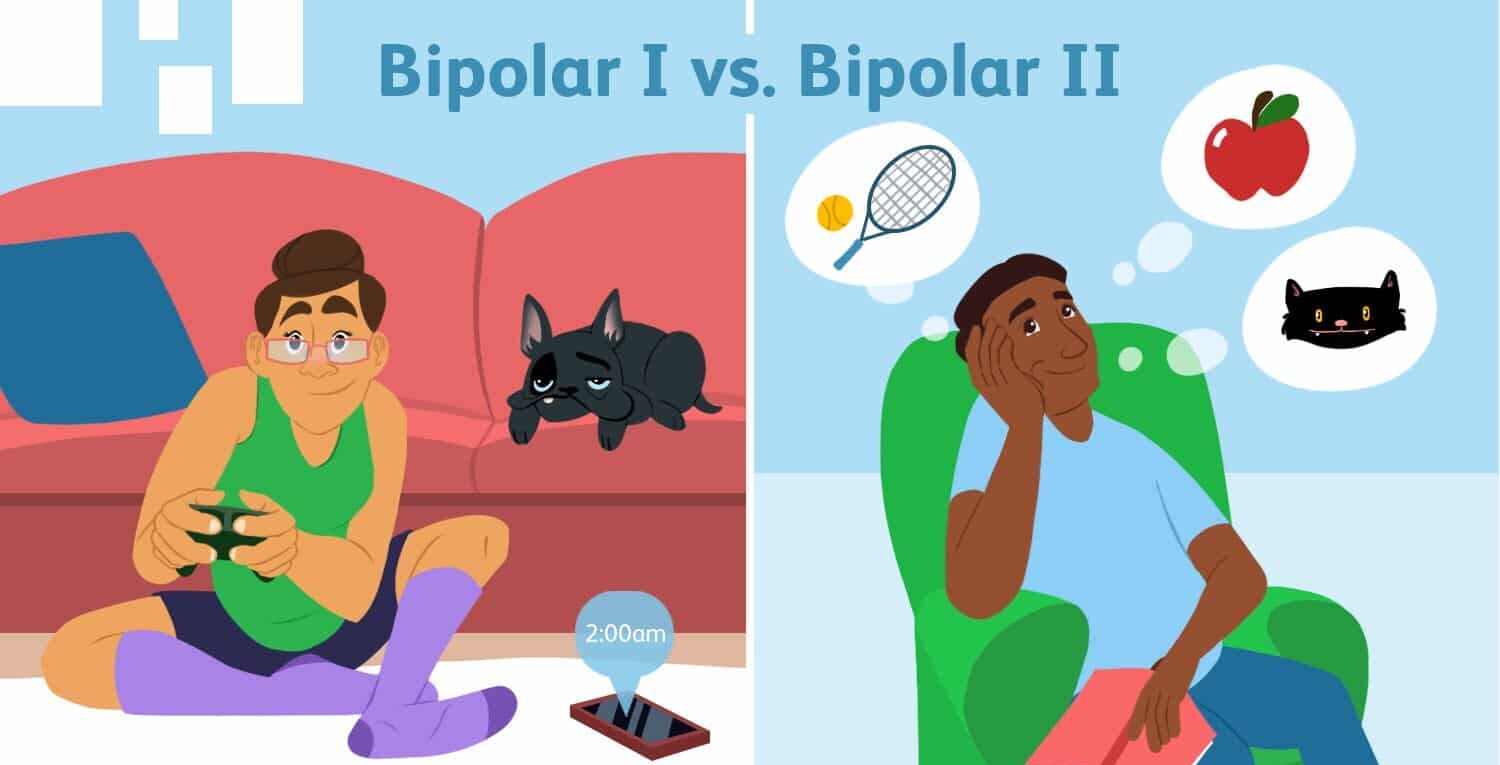
Many people use the term “bipolar disorder” as if it describes a single, uniform condition. In reality, bipolar disorder exists in distinct forms, each with its own pattern of mood episodes, severity, and treatment implications. The distinction between Bipolar I and Bipolar II is not merely clinical labelling — it fundamentally shapes how a person experiences their illness and how doctors approach their care.
Both types involve significant mood disruption that affects relationships, work, and daily functioning. Yet they differ in ways that matter enormously. Understanding those differences empowers people living with bipolar disorder — and those who love them — to seek the right help with greater confidence and clarity.
Understanding Bipolar Disorder
Bipolar disorder is a chronic mental health condition characterised by extreme shifts in mood, energy, and activity levels. These shifts go far beyond ordinary emotional ups and downs. They represent distinct episodes that can last days, weeks, or months and significantly impair a person’s ability to function.
The Mood Episode Spectrum
Bipolar disorder involves several types of mood episodes, each defined by specific characteristics and duration. Manic episodes represent the most severe elevated mood state. Hypomanic episodes are elevated mood states of lesser intensity. Depressive episodes involve profound low mood, loss of energy, and loss of interest. Mixed features — symptoms of both elevated and depressed mood occurring simultaneously — can accompany episodes in either type.
Understanding these episode types is foundational to grasping the Bipolar I vs Bipolar II distinction, which hinges primarily on the presence or absence of full mania.
What Is Bipolar I Disorder?
Bipolar I disorder is defined by the occurrence of at least one full manic episode lasting a minimum of seven days, or of any duration if hospitalisation is required for safety. Depressive episodes also occur in the vast majority of people with Bipolar I, though technically they are not required for the diagnosis.
Defining Full Mania
Full mania is a severe, distinct period of abnormally elevated, expansive, or irritable mood and markedly increased energy. During a manic episode, a person’s behaviour changes so dramatically that it becomes clearly noticeable to others. The change represents a significant departure from their usual self.
Manic episodes cause marked impairment in social or occupational functioning. They frequently require hospitalisation to prevent harm to the person or others. Some manic episodes include psychotic features — meaning the person loses touch with reality, experiencing delusions or hallucinations.
Symptoms of a Manic Episode
During mania, people typically experience a dramatically decreased need for sleep — often sleeping only two or three hours yet feeling fully rested. Racing thoughts and rapid, pressured speech flow continuously, with ideas jumping rapidly between topics. Grandiosity — an inflated sense of self-importance or special abilities — often drives reckless decisions including spending sprees, sexual impulsivity, or risky business ventures.
Distractibility, increased goal-directed activity, and dangerous behaviour without regard for consequences characterise the acute manic state. The person experiencing mania frequently lacks insight into how severely their behaviour has changed. This absence of self-awareness is one of the most challenging aspects of manic episodes for both the person and those around them.
What Is Bipolar II Disorder?
Bipolar II disorder is defined by a pattern of at least one hypomanic episode and at least one major depressive episode, with no history of full mania. This distinction is critical. Bipolar II is not a milder version of Bipolar I — it is a different condition with its own substantial burden, particularly from prolonged and severe depressive episodes.
Defining Hypomania
Hypomania is an elevated or irritable mood state that resembles mania in quality but differs in intensity and impact. A hypomanic episode lasts at least four consecutive days and involves a clear change in energy and behaviour noticeable to others. Crucially, however, hypomania does not cause severe impairment, does not require hospitalisation, and does not involve psychotic features.
People experiencing hypomania often feel unusually productive, creative, and energised. Some describe it as feeling like their best selves — highly confident, needing little sleep, and brimming with ideas.
Why Hypomania Can Be Deceptive
The relative productivity and positivity of hypomanic states creates a significant diagnostic challenge. Many people with Bipolar II do not identify their hypomanic periods as problematic because these periods feel good. They seek help only when depression strikes, which can lead to misdiagnosis as unipolar depression — a critical error with serious treatment implications.
Prescribing antidepressants alone to someone with unrecognised Bipolar II can trigger hypomanic switching or rapid cycling — a pattern of four or more mood episodes per year — making accurate diagnosis essential before initiating any treatment.
Key Differences Between Bipolar I and Bipolar II
While both conditions involve mood dysregulation, they differ across several important dimensions that shape the experience of living with each type.
Severity of Elevated Mood Episodes
The most fundamental difference lies in the severity of the elevated mood episode. Bipolar I requires full mania — severe enough to cause marked impairment or necessitate hospitalisation. Bipolar II involves hypomania only — elevated mood that is noticeable and represents a change from baseline but does not reach the destructive severity of mania.
This distinction affects how dramatically the illness disrupts daily life during the elevated phase. A full manic episode can destroy relationships, finances, and careers within days. A hypomanic episode, by contrast, may go unrecognised entirely.
The Depression Burden
Paradoxically, people with Bipolar II often spend more time in depressive episodes than those with Bipolar I. Research consistently shows that individuals with Bipolar II experience depressive symptoms for a greater proportion of their lives than individuals with Bipolar I. These depressions are often severe, prolonged, and associated with significant functional impairment.
Furthermore, Bipolar II depression carries a notably high risk of suicidal ideation and suicide attempts. The persistent, hard-to-treat nature of Bipolar II depression makes this condition far from “milder” — a misconception that must be actively corrected.
Diagnostic Complexity
Bipolar I is generally easier to diagnose because full manic episodes are dramatic and unmistakable, frequently resulting in emergency presentations or hospitalisation. Bipolar II is considerably harder to diagnose accurately because hypomania may seem like normal high-energy periods and depression appears indistinguishable from unipolar depression without careful longitudinal assessment.
Studies suggest that the average diagnostic delay for bipolar disorder is six to ten years, with Bipolar II typically experiencing even longer delays than Bipolar I.
How Each Type Affects Daily Life
Understanding the practical, day-to-day reality of living with Bipolar I versus Bipolar II helps set realistic expectations and guides both self-management and treatment planning.
Life With Bipolar I
People living with Bipolar I often describe their experience as living between two extremes that feel entirely outside their control. The manic episodes, while sometimes initially euphoric, typically escalate into states that generate serious consequences — fractured relationships, financial crises, job losses, and legal difficulties.
The aftermath of a manic episode frequently involves shame, confusion, and the daunting task of rebuilding what was damaged. Depressive episodes following mania can feel especially crushing in contrast to the preceding intensity of the manic high.
Life With Bipolar II
For people with Bipolar II, the depressive episodes dominate the illness experience. Many describe spending the vast majority of their time struggling with exhaustion, hopelessness, cognitive difficulty — often called brain fog — and an inability to feel pleasure in activities they usually enjoy, a symptom called anhedonia.
The hypomanic periods, while sometimes welcome in their energy and confidence, can create their own challenges. Impulsive decisions, overspending, strained relationships from irritability, and difficulty sleeping still occur during hypomania, even if they do not reach the severity of mania.
Cognitive and Functional Impact
Both Bipolar I and Bipolar II affect cognitive function, including memory, attention, and processing speed — even during periods between mood episodes, called the interepisode period. Studies show that cognitive difficulties persist to a meaningful degree in both types during euthymia — the term for a balanced, stable mood state.
These cognitive effects impact academic performance, career progression, and social functioning in significant and sometimes underrecognised ways.
Diagnosing Bipolar I and Bipolar II
Accurate diagnosis requires thorough clinical assessment and a willingness to revisit initial diagnostic conclusions as more longitudinal history becomes available.
Clinical Interview and History
A comprehensive psychiatric evaluation explores the full lifetime history of mood episodes, their duration, severity, functional impact, and any associated behaviours. Clinicians ask specifically about periods of elevated mood, decreased sleep without fatigue, impulsivity, and goal-directed behaviour — features that people often do not spontaneously report because they recall only their depressive episodes when seeking help.
Collateral history from family members or close friends can provide invaluable information about behavioural changes the person may not recall or may not perceive as problematic.
Mood Charting
Prospective mood charting — where the person tracks their mood, sleep, energy, and significant behaviours daily over weeks and months — provides clinicians with objective longitudinal data. This approach can reveal patterns of hypomania interspersed with depression that clarify a Bipolar II diagnosis in someone initially thought to have recurrent depression.
Several validated mood charting tools, including the Life Chart Methodology and smartphone-based applications, assist this process practically.
Screening Tools
Structured screening instruments such as the Mood Disorder Questionnaire (MDQ) and the Hypomanic Checklist (HCL-32) help identify individuals who warrant more detailed bipolar assessment. These tools are not diagnostic independently but significantly improve the detection of bipolar features in clinical and community settings.
Standardised diagnostic criteria from the Diagnostic and Statistical Manual of Mental Disorders, Fifth Edition (DSM-5) provide the formal framework clinicians use to confirm diagnoses of Bipolar I and Bipolar II disorder.
Treatment Approaches for Bipolar I
Treating Bipolar I aims to stabilise acute mania, prevent recurrence, manage depressive episodes, and support long-term functioning. Treatment requires a combination of medication and psychotherapy.
Mood Stabilisers in Bipolar I
Lithium remains one of the most effective and best-evidenced treatments for Bipolar I disorder. Decades of research demonstrate lithium’s ability to reduce manic episode frequency and severity, decrease depressive recurrence, and lower suicide risk. Regular blood level monitoring is essential because the therapeutic range for lithium is relatively narrow.
Valproate (valproic acid) offers effective antimanic action and mood stabilisation, particularly for rapid-cycling bipolar disorder and mixed states. Lamotrigine provides particularly effective protection against depressive recurrence, though it has weaker antimanic efficacy and must be started slowly to avoid serious skin reactions.
Antipsychotic Medications
Atypical antipsychotic medications play an important dual role in Bipolar I treatment. Agents including olanzapine, quetiapine, aripiprazole, and risperidone effectively treat acute mania and assist in long-term mood stabilisation. Quetiapine also demonstrates efficacy for bipolar depression.
During an acute manic episode with psychotic features or severe behavioural dyscontrol, antipsychotics provide rapid stabilisation that mood stabilisers alone cannot achieve. Clinicians often combine a mood stabiliser with an antipsychotic for optimal acute and maintenance management.
Managing Acute Mania
Acute mania frequently requires hospitalisation for safety, medication optimisation, and monitoring. During this phase, clinicians prioritise rapid reduction of dangerous behaviour, restoration of sleep, and elimination of psychotic symptoms. Benzodiazepines may assist short-term sedation and anxiety reduction while primary mood-stabilising medications take effect.
Environmental modifications — reducing stimulation, maintaining regular sleep-wake schedules, and limiting access to finances — complement pharmacological management during acute manic episodes.
Treatment Approaches for Bipolar II
Bipolar II treatment shares some overlap with Bipolar I management but requires careful tailoring to the different episode pattern and the particular challenge of treating depression without triggering hypomania.
Mood Stabilisers in Bipolar II
Lamotrigine is particularly well-suited to Bipolar II disorder because it provides robust protection against depressive recurrence — the dominant clinical burden in this type. Its tolerability profile and once-daily dosing support long-term adherence. Lithium is also effective in Bipolar II, reducing both depressive and hypomanic episodes.
Quetiapine demonstrates efficacy for both acute bipolar depression and long-term mood stabilisation in Bipolar II disorder. Clinicians individualise medication selection based on episode predominance, comorbidities, prior treatment response, and tolerability.
Antidepressants: A Careful Conversation
Using antidepressants in Bipolar II requires considerable caution and specialist guidance. Antidepressants prescribed without adequate mood stabiliser cover can trigger hypomanic switching or induce rapid cycling in some individuals. However, the evidence on antidepressant risk in Bipolar II is more nuanced than in Bipolar I, and some individuals with Bipolar II tolerate adjunctive antidepressants well under close supervision.
This treatment decision must always involve thorough discussion between the clinician and the person receiving treatment.
Psychotherapy in Bipolar II
Psychotherapy plays an especially important role in Bipolar II given the prolonged depression burden and the subtle nature of hypomanic recognition. Cognitive behavioural therapy (CBT) adapted for bipolar disorder helps people identify early warning signs of mood episodes and implement protective strategies.
Interpersonal and social rhythm therapy (IPSRT) — a specialised approach targeting the stabilisation of daily routines and sleep-wake cycles — demonstrates particular efficacy in bipolar disorder. Regular routines powerfully buffer against mood episode recurrence by stabilising circadian rhythms.
Psychotherapy and Lifestyle Management for Both Types
Beyond type-specific pharmacotherapy, several therapeutic approaches and lifestyle strategies benefit all people living with bipolar disorder.
Sleep as a Treatment Target
Sleep disruption is both a trigger and an early warning sign of mood episodes in bipolar disorder. Protecting sleep quantity and consistency is therefore a genuine treatment intervention, not merely lifestyle advice. Clinicians advise consistent sleep and wake times seven days a week, avoiding shift work, and moderating alcohol — which disrupts sleep architecture significantly.
Cognitive behavioural therapy for insomnia (CBT-I) provides effective, non-pharmacological treatment for the sleep difficulties that commonly accompany bipolar disorder.
Substance Use and Bipolar Disorder
Rates of alcohol and substance use disorders are markedly elevated in people with bipolar disorder compared to the general population. Substance use worsens mood instability, reduces medication effectiveness, increases the risk of mixed episodes, and raises suicide risk substantially.
Addressing substance use as an integral part of bipolar disorder management — rather than as a separate secondary concern — significantly improves overall treatment outcomes.
Building a Crisis Plan
Every person living with Bipolar I or Bipolar II benefits from developing a personalised crisis plan — a documented agreement about what steps to take, who to contact, and what treatments to accept when early signs of a serious mood episode appear. Crisis planning, developed collaboratively during periods of stability, reduces hospitalisation rates and improves outcomes during acute episodes.
Involving trusted family members or close friends in the crisis plan extends the protective network beyond the individual during their most vulnerable moments.
Frequently Asked Questions
Is Bipolar II less serious than Bipolar I?
Bipolar II is not less serious than Bipolar I — it is differently serious. While Bipolar II does not involve full mania, the depressive episodes are frequently severe, prolonged, and highly disabling. Research shows that people with Bipolar II spend a greater proportion of their lives in depressive episodes than those with Bipolar I, and Bipolar II carries a significant risk of suicide. The absence of full mania does not translate to a milder illness experience.
Can Bipolar II turn into Bipolar I?
A person with Bipolar II can receive a revised diagnosis of Bipolar I if they subsequently experience a full manic episode. Some individuals do develop their first manic episode later in the course of illness, leading to diagnostic reclassification. This possibility is one reason why clinicians emphasise the importance of long-term follow-up and mood monitoring throughout a person’s life, rather than treating bipolar disorder as a diagnosis that, once made, never requires reassessment.
How do doctors distinguish bipolar depression from regular depression?
Distinguishing bipolar depression from unipolar depression requires careful longitudinal history-taking. Clinicians look for past periods of elevated mood, decreased sleep without fatigue, increased energy or productivity, and impulsive behaviour that the person may not have identified as problematic. Features within a depressive episode that suggest bipolar disorder include hypersomnia, increased appetite, leaden paralysis, and a history of antidepressant-induced activation or switching. A family history of bipolar disorder also raises clinical suspicion.
Can children and adolescents develop Bipolar I or Bipolar II?
Yes, bipolar disorder can develop in children and adolescents, though diagnosis in younger people is more complex than in adults. Presentation in young people may differ from classic adult features, with more prominent irritability, mixed symptoms, and rapid mood shifts rather than clearly defined distinct episodes. Early-onset bipolar disorder often associates with greater diagnostic challenges, higher rates of comorbid conditions, and more complex treatment needs. Specialist child and adolescent psychiatric evaluation is essential when bipolar disorder is suspected in young people.
Does bipolar disorder affect life expectancy?
Bipolar disorder can affect life expectancy through several mechanisms. The elevated risk of suicide in both Bipolar I and Bipolar II represents the most direct mortality risk. Additionally, people with bipolar disorder face higher rates of cardiovascular disease, metabolic syndrome, and other physical health conditions — partly from the illness itself, partly from medication side effects, and partly from lifestyle factors including substance use and disrupted sleep. Integrated physical and mental health care, combined with effective mood stabilisation, meaningfully reduces these excess risks.
What should someone do if they think they have Bipolar II?
Anyone who suspects they have Bipolar II should seek a comprehensive evaluation from a psychiatrist or mental health specialist experienced in mood disorders. Keeping a detailed mood diary before and during the appointment — recording sleep patterns, energy levels, mood changes, and significant behaviours — provides valuable clinical information. It is also helpful to bring a trusted person who knows them well, as collateral history significantly aids accurate diagnosis. Accessing evaluation promptly matters because early accurate diagnosis allows appropriate treatment to begin and prevents the years of inadequate management that commonly follow misdiagnosis.
Conclusion
Bipolar I and Bipolar II are distinct conditions that deserve to be understood on their own terms. The difference between mania and hypomania is clinically significant, but it does not make Bipolar II the easier diagnosis or the lighter burden. Both types involve real suffering, real impairment, and real treatment needs.
The most important message is this: accurate diagnosis changes lives. People who spend years misdiagnosed and inadequately treated carry unnecessary suffering. Those who receive the right diagnosis and access effective mood stabilisers, skilled psychotherapy, and compassionate specialist care can achieve genuine stability and lead rich, purposeful lives. Understanding the difference between Bipolar I and Bipolar II is not just medical knowledge — it is the foundation of better, more targeted, and more humane care.
References
- 22q11.2 deletion syndrome has variable presentations recognizable from neonatal period through adulthood.
- The mhGAP guideline supports countries to strengthen capacity to deal with the growing burden of these conditions.
Disclaimer:
This article is for general informational purposes only and does not constitute medical advice. Always consult a qualified mental health professional for personalised diagnosis, treatment, or support for bipolar disorder or any other mental health condition.
Observer Voice is the one stop site for National, International news, Sports, Editor’s Choice, Art/culture contents, Quotes and much more. We also cover historical contents. Historical contents includes World History, Indian History, and what happened today. The website also covers Entertainment across the India and World.

