

Eye care, vision impairment and blindness: At least 1 billion people have vision problems that could be prevented or fixed
Eye care, vision impairment and blindness: 1 billion need glasses—most can't get them

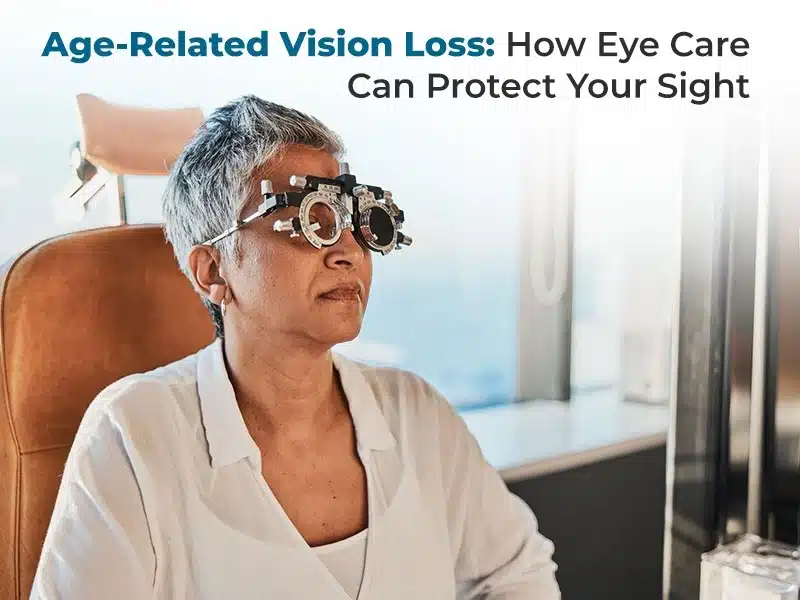
Ten-year-old Amara squinted at the blackboard from the back row of her classroom in rural Uganda.
The teacher had written math problems she needed to copy, but the numbers blurred into indistinct shapes. She moved closer, straining her eyes, but still couldn’t see clearly. Her headaches worsened every day. Her grades dropped steadily.
When her mother finally scraped together enough money for the three-hour bus ride to the regional health clinic, an eye examination revealed what Amara needed: eyeglasses. Simple, inexpensive spectacles that would cost about five dollars to manufacture.
But the clinic had no glasses to dispense. The nearest optical shop was in the capital city, another six hours away by bus—transport the family couldn’t afford. The optometrist gave Amara’s mother a prescription and sent them home empty-handed.
“I felt so helpless,” her mother recalled. “I finally knew what was wrong with my daughter. I knew the solution existed. But I couldn’t get it for her.”
Amara’s story represents a global crisis: according to WHO’s work on eye care, vision impairment and blindness, at least 1 billion people globally have a near or distance vision impairment that could have been prevented or has yet to be addressed.
One billion people. That’s more than the population of Europe and North America combined—living with blurred vision, struggling to read, unable to work productively, excluded from full participation in life. Not because treatment doesn’t exist, but because they can’t access it.
The Scope of Vision Impairment
Eye conditions are remarkably common. Those who live long enough will experience at least one eye condition during their lifetime.
In the absence of timely detection, reduced or absent eyesight can have long-term personal and economic effects. Vision impairment affects people of all ages, with the majority being over the age of 50. Young children with early onset severe vision impairment can experience lower levels of educational achievement, and in adults it often affects quality of life through lower productivity, decreased workforce participation, and high rates of depression.
Vision impairment and blindness impact the life of people everywhere. In low- and middle-income settings, the burden of vision impairment can be even greater due to fewer opportunities to access the most essential eye care services.
According to WHO fact sheets on blindness and vision impairment, cataracts and uncorrected refractive errors are estimated to be the leading causes of vision impairment. However, other causes for vision impairment cannot be ignored.
Age-related macular degeneration, glaucoma, long-standing systemic conditions like diabetes causing diabetic retinopathy, infectious diseases of the eye, and trauma to the eye are all equally important causes for vision impairment that need to be addressed.
For more on managing chronic conditions that affect vision, see our article on diabetes and its complications.
Prevention: Simple Strategies That Work
Eye conditions that can be targeted effectively with preventive strategies include congenital and acquired eye conditions, myopia, ocular trauma, and ocular infections and inflammations.
A good example of this is the practice of preventative lifestyle changes among children, including a combination of increased time spent outdoors and decreased near-work activities. This may delay the onset and slow the progression of myopia, which reduces the risk of high myopia and its complications later in life.
Dr. Maria Santos, a public health ophthalmologist in the Philippines, explained: “We’re seeing an epidemic of myopia in children, especially in urban areas where kids spend hours on screens and little time outside. Simple changes—two hours outdoors daily, breaks from close-up work—can make an enormous difference.”
Importantly, the prevention and management of systemic diseases, such as diabetes and hypertension, can also be effective in reducing the risk of ocular diseases. WHO’s work on diabetes highlights how controlling blood sugar prevents diabetic retinopathy, a leading cause of blindness in working-age adults.
In addition, interventions to prevent vitamin A deficiency, measles, and rubella through vitamin A supplementation and immunization are highly effective in reducing the risk of corneal opacities that can occur secondary to these conditions.
Another example is the prevention of workplace ocular injuries through promoting the use of protective eye equipment (masks, protective goggles, visors) during high-risk activities and industries (certain sports, agricultural activities, construction workers, welders).
Treatment: Effective but Often Inaccessible
Although effective interventions exist to address the two leading causes of vision impairment—namely optical correction for refractive errors and surgery for cataract—there remains a large unmet need for care.
Spectacles are the most common intervention used worldwide to compensate for refractive error, as well as contact lenses and refractive surgeries. Spectacles and cataract surgery are both highly cost-effective interventions that can substantially improve a person’s quality of life.
In May 2025, WHO reported that millions lack access to basic eyeglasses. This is despite spectacles being one of the most affordable and impactful health interventions available.
WHO published a summary guide on quality standards for spectacles in May 2025, which simplifies global quality standards and provides practical guidance on best practices for dispensing spectacles.
Treatment and care for many eye conditions, such as glaucoma, diabetic retinopathy, pterygium, amblyopia, strabismus, and retinopathy of prematurity require long-term monitoring to control the progression of the condition. Treatment is also required for commonly presenting acute eye conditions that do not typically cause vision impairment but affect people’s lives with pain and discomfort (dry eye, conjunctivitis, blepharitis).
To prevent further complications, the management of these eye conditions is often directed at treating the cause or alleviating the symptoms.
Rehabilitation: When Vision Cannot Be Restored
Vision impairment that cannot be corrected or reversed requires rehabilitation measures, for which there are several available. For those who live with blindness, braille reading, counselling and home skills training, mobility training with white canes, and digital assistive technologies can ensure free, independent, and safe mobility.
WHO’s fact sheet on assistive technology details how these technologies enable people with vision loss to live independently and participate fully in society.
For more on supporting people with disabilities, see our article on disability and health.
SPECS 2030: A Global Vision for Eye Care
WHO launched the SPECS 2030 initiative—Strategic Plan for Eye Care to End avoidable vision impairment by 2030. This initiative aims to ensure everyone has access to comprehensive eye care services.
In May 2025, WHO and the Universal Postal Union joined forces to improve access to eyeglasses, exploring innovative distribution methods to reach remote communities.
WHO established the Global SPECS Network to coordinate efforts across countries. In September 2024, WHO announced that a new advisory group was established for SPECS 2030. The Strategic and Technical Advisory Group met in February 2025 to provide recommendations for achieving the initiative’s goals.
WHO published multiple tools to support countries: the Refractive Error Situation Analysis Tool (RESAT) in May 2025 helps evaluate current services; Competency-based Refractive Error Teams guidance also published in May 2025 supports workforce development.
WHOeyes: Technology for Eye Health
WHO developed WHOeyes, a free mobile app available for both iOS and Android that allows people to check their vision at home. The WHOeyes information sheet from September 2023 explains how this population-facing tool can help identify vision problems early.
Dr. James Kariuki in Kenya has been promoting WHOeyes in rural communities: “Many people have never had an eye test in their lives. This app lets them check whether they might have a problem. It’s not a diagnosis, but it tells them whether they should seek professional care.”
Global Resolutions and Action Plans
Multiple World Health Assembly resolutions guide global eye care efforts. Resolution WHA78.7 on primary prevention and integrated care for sensory impairments including vision impairment addresses comprehensive approaches.
Resolution WHA74.12 and WHA73.4 focus on integrated people-centred eye care. Resolution WHA66.4 established the global action plan toward universal eye health 2014–2019.
Earlier resolutions addressed prevention of avoidable blindness (WHA62.1, WHA59.25), elimination of avoidable blindness (WHA56.26), and global elimination of blinding trachoma (WHA51.11).
WHO’s Department of Noncommunicable Diseases coordinates this work through its Sensory Functions, Disability and Rehabilitation unit.
What Must Happen
WHO’s activities focus on three key areas: ensuring monitoring and surveillance of eye care, integrating eye care in health systems, and raising awareness on eye care.
The World Report on Vision provides comprehensive data on the global burden and calls for action. WHO developed vision and eye care resources published in May 2025 as a comprehensive list of programme resources.
Amara eventually received glasses through a school screening programme supported by SPECS 2030. “It was like someone turned on the lights,” she said, her face beaming. “Suddenly I could see the blackboard, read books, participate in class. My whole world changed.”
Her mother wiped away tears: “For five dollars worth of spectacles, my daughter got her education back. Every child deserves that.”
With at least 1 billion people living with preventable or treatable vision impairment, and solutions like spectacles costing just a few dollars, the path forward is clear. The challenge isn’t medical or technical—it’s ensuring access, integrating eye care into health systems, and prioritizing something as fundamental as the ability to see.
Frequently Asked Questions (FAQs)
According to WHO’s work on eye care, vision impairment and blindness, at least 1 billion people globally have a near or distance vision impairment that could have been prevented or has yet to be addressed. Eye conditions are remarkably common and those who live long enough will experience at least one eye condition during their lifetime. Vision impairment affects people of all ages, with the majority being over the age of 50. Cataracts and uncorrected refractive errors are estimated to be the leading causes of vision impairment. However, other causes cannot be ignored: age-related macular degeneration, glaucoma, long-standing systemic conditions like diabetes causing diabetic retinopathy, infectious diseases of the eye, and trauma to the eye are all equally important causes that need to be addressed. Young children with early onset severe vision impairment can experience lower levels of educational achievement, and in adults it often affects quality of life through lower productivity, decreased workforce participation, and high rates of depression. Vision impairment and blindness impact people everywhere, with the burden even greater in low- and middle-income settings due to fewer opportunities to access the most essential eye care services.
Although effective interventions exist to address the two leading causes of vision impairment—namely optical correction for refractive errors and surgery for cataract—there remains a large unmet need for care. Spectacles are the most common intervention used worldwide to compensate for refractive error, as well as contact lenses and refractive surgeries. Spectacles and cataract surgery are both highly cost-effective interventions that can substantially improve a person’s quality of life. In May 2025, WHO reported that millions lack access to basic eyeglasses. WHO published a summary guide on quality standards for spectacles in May 2025 providing practical guidance. Treatment and care for many eye conditions such as glaucoma, diabetic retinopathy, pterygium, amblyopia, strabismus, and retinopathy of prematurity require long-term monitoring to control progression. Vision impairment that cannot be corrected or reversed requires rehabilitation measures: for those who live with blindness, braille reading, counselling and home skills training, mobility training with white canes, and digital assistive technologies can ensure free, independent, and safe mobility. See also our article on rehabilitation services.
Eye conditions that can be targeted effectively with preventive strategies include congenital and acquired eye conditions, myopia, ocular trauma, and ocular infections and inflammations. A good example is preventative lifestyle changes among children, including a combination of increased time spent outdoors and decreased near-work activities, which may delay the onset and slow the progression of myopia, reducing the risk of high myopia and its complications later in life. Importantly, the prevention and management of systemic diseases such as diabetes and hypertension can also be effective in reducing the risk of ocular diseases. Interventions to prevent vitamin A deficiency, measles, and rubella through vitamin A supplementation and immunization are highly effective in reducing the risk of corneal opacities that can occur secondary to these conditions. Another example is prevention of workplace ocular injuries through promoting the use of protective eye equipment (masks, protective goggles, visors) during high-risk activities and industries (certain sports, agricultural activities, construction workers, welders). WHO’s questions and answers on refractive errors provides additional prevention guidance. WHO published tools including the Refractive Error Situation Analysis Tool (RESAT) in May 2025 to help countries evaluate prevention efforts.
WHO launched the SPECS 2030 initiative—Strategic Plan for Eye Care to End avoidable vision impairment by 2030—which aims to ensure everyone has access to comprehensive eye care services. The Global SPECS Network coordinates efforts across countries. In September 2024, WHO announced that a new advisory group was established for SPECS 2030. The Strategic and Technical Advisory Group met in February 2025 to provide recommendations for achieving the initiative’s goals. In May 2025, WHO and the Universal Postal Union joined forces to improve access to eyeglasses, exploring innovative distribution methods. WHO published practical tools including Competency-based Refractive Error Teams guidance in May 2025. WHO’s activities focus on ensuring monitoring and surveillance of eye care, integrating eye care in health systems, and raising awareness on eye care. WHO developed WHOeyes, a free mobile app allowing people to check their vision at home.
Multiple World Health Assembly resolutions guide global eye care efforts. Resolution WHA78.7 addresses primary prevention and integrated care for sensory impairments including vision impairment and hearing loss across the life course. Resolution WHA74.12 and WHA73.4 focus on integrated people-centred eye care including preventable vision impairment and blindness. Resolution WHA66.4 established the global action plan toward universal eye health 2014–2019. Earlier resolutions addressed prevention of avoidable blindness (WHA62.1, WHA59.25), elimination of avoidable blindness (WHA56.26), and global elimination of blinding trachoma (WHA51.11). WHO’s Department of Noncommunicable Diseases coordinates this work through its Sensory Functions, Disability and Rehabilitation unit. The World Report on Vision provides comprehensive data on the global burden. WHO developed comprehensive vision and eye care resources published May 2025.
- WHO Eye Care, Vision Impairment and Blindness Health Topic
- WHO Fact Sheet on Blindness and Vision Impairment
- WHO Fact Sheet on Assistive Technology
- WHO Fact Sheet on Diabetes
- WHO Fact Sheet on Disability
- WHO Fact Sheet on Trachoma
- WHO Q&A on Refractive Errors
Disclaimer: This article is an adaptation of publicly available information from WHO’s Eye care, vision impairment and blindness health topic page (WHO, Geneva. Licence: CC BYNC-SA 3.0 IGO). WHO is not responsible for the content or accuracy of this adaptation. This content is for informational and educational purposes only and does not constitute medical advice. ObserverVoice.com is a news and information platform — not a healthcare provider.
Observer Voice is the one stop site for National, International news, Sports, Editor’s Choice, Art/culture contents, Quotes and much more. We also cover historical contents. Historical contents includes World History, Indian History, and what happened today. The website also covers Entertainment across the India and World.

