Health
-

WHO Report Highlights Urgent Need for Innovative Antibacterial Agents to Combat AMR
Geneva, June 14, 2024 – The World Health Organization (WHO) has released its latest report on antibacterial agents, revealing a…
Read More » -
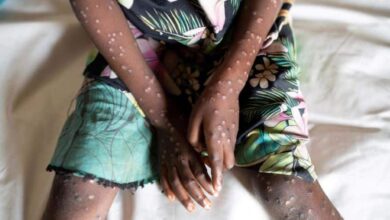
South Africa Reports Surge in Mpox Cases: WHO Notified
Representational Image© Reuters 09 July 2024 – The Republic of South Africa has reported 20 confirmed cases of mpox between 8…
Read More » -
Over 3 million annual deaths due to alcohol and drug use, majority among men
25 June 2024 –A new report from the World Health Organization (WHO) highlights that 2.6 million deaths per year were attributable…
Read More » -
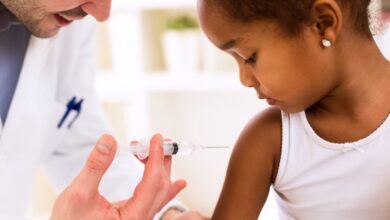
Stalled Global Immunization Rates Leave Millions of Children Vulnerable
5 July 2024 | Geneva – Global childhood immunization coverage has stagnated, leaving an additional 2.7 million children un- and under-vaccinated…
Read More » -
Vaping and mental health are closely linked. That can make quitting even harder
fizkes/Shutterstock Joshua Trigg, Flinders University; Anthony Venning, Flinders University, and Lavender Otieno, Flinders University Vaping is in your news feed…
Read More » -
MeDevIS platform announced to boost access to medical technologies and devices
8 July 2024 | Geneva –- World Health Organization (WHO) has introduced an online platform called MeDevIS (Medical Devices Information System), the first…
Read More » -

Chronic pain: emerging treatment options for patients after the opiod crisis
Amanda Mascarelli, The Conversation; Gemma Ware, The Conversation, and Katie Flood, The Conversation Chronic pain affects hundreds of millions of…
Read More » -
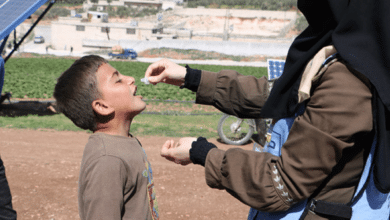
WHO Expresses Deep Concern Over Escalating Health Crisis in the West Bank
15 June 2024, Jerusalem/Cairo/Geneva — The World Health Organization (WHO) has voiced serious concern regarding the worsening health crisis in…
Read More » -
Marking 50 years of EPI’s life-saving impact
An event to mark the 50th anniversary of the Essential Programme on Immunization (EPI) was hosted by the WHO Regional…
Read More » -
Gavi to boost access to life-saving human rabies vaccines in over 50 countries: Gavi, WHO and UAR
Geneva—Gavi, the Vaccine Alliance, in collaboration with partners, is announcing support for human rabies vaccines for post-exposure prophylaxis (PEP) as…
Read More » -
Improve Quality of Life with a Pelvic Floor Support Garment
Pelvic floor support garments have become essential in improving the quality of life for many individuals. These garments offer discreet…
Read More » -
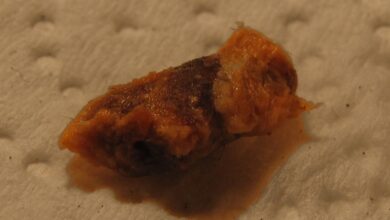
Why You Might Have Sudden Ear Wax Buildup
Sudden ear wax buildup can be caused by various factors, including improper ear cleaning techniques, frequent use of earphones, and…
Read More » -

How to Consume Castor Oil: Ayurvedic Guide and Benefits Explained
Pharmacies have sold castor oil as a purgative for well over a century, but researchers only worked out why it…
Read More » -

What Is Biospecimen Collection and Why It Matters in Modern Research
Modern biomedical research depends on access to high-quality human samples that accurately reflect real patient biology. From oncology and translational…
Read More » -
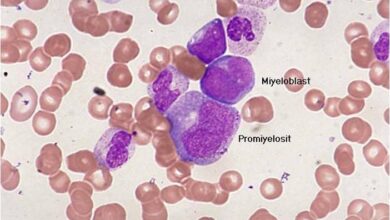
Acute Myeloid Leukemia (AML): Symptoms, Diagnosis, and Treatment Advances
Acute myeloid leukemia, commonly called AML, is a fast-moving cancer affecting the blood and bone marrow. This cancer disrupts the…
Read More »