

Gestational Diabetes: Short-Term Management and Long-Term Type 2 Risk

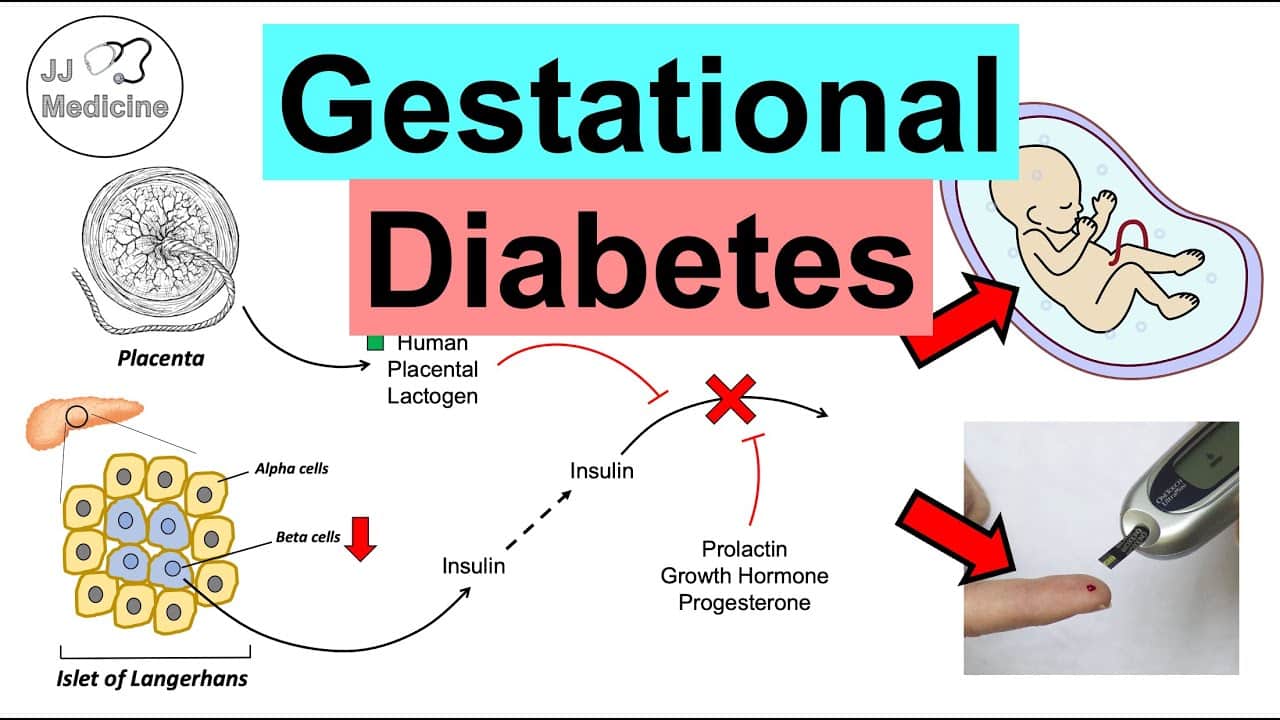
Gestational diabetes develops when blood sugar levels rise during pregnancy. It typically appears around the twenty-fourth week of pregnancy. Hormonal changes during pregnancy make it harder for your body to use insulin effectively.
This condition usually resolves after delivery. However, it requires careful management throughout pregnancy. Understanding both immediate care and future risks helps protect your long-term health.
Why Pregnancy Triggers This Condition
During pregnancy, your placenta produces hormones that support your growing baby. These hormones can also interfere with insulin function. When insulin can’t work properly, blood sugar levels rise significantly.
Who Faces Higher Risk
Several factors increase your likelihood of developing gestational diabetes. Being overweight before pregnancy raises this risk considerably. Having a family history of type 2 diabetes also increases susceptibility.
Age plays a role too, since women over twenty-five face higher risk. Previous gestational diabetes during an earlier pregnancy also increases recurrence likelihood. Certain ethnic backgrounds carry higher risk as well, according to research.
Why Screening Happens for Nearly Everyone
Most healthcare providers screen all pregnant women for gestational diabetes routinely. This approach catches cases that might otherwise go unnoticed. Early detection allows for prompt management before complications develop.
Recognizing the Symptoms
Gestational diabetes often causes no noticeable symptoms at all. This is precisely why routine screening matters so much. Some women, however, do experience mild warning signs.
Increased thirst and frequent urination can sometimes occur. Fatigue beyond typical pregnancy tiredness might also develop. Blurred vision occasionally appears in more pronounced cases too.
Why Silent Symptoms Make Testing Essential
Since symptoms often remain absent, blood sugar testing becomes the primary detection method. Without testing, gestational diabetes could go undiagnosed throughout pregnancy. This silent nature underscores why prenatal screening protocols exist.
How Doctors Diagnose Gestational Diabetes
Diagnosis typically involves a glucose screening test during pregnancy. You’ll drink a sugary solution, then have blood drawn afterward. This test measures how your body processes sugar over time.
If initial results seem concerning, doctors often recommend a follow-up glucose tolerance test. This more detailed test confirms the diagnosis definitively. Early diagnosis allows immediate management, protecting both you and your baby.
Why Timing of Testing Matters
Most screening occurs between twenty-four and twenty-eight weeks of pregnancy. Earlier testing happens for women with significant risk factors. Catching gestational diabetes early helps prevent complications later in pregnancy.
Managing Gestational Diabetes During Pregnancy
Diet plays a central role in managing blood sugar levels effectively. Eating balanced meals with controlled carbohydrates helps maintain stable glucose levels. Regular physical activity also improves insulin sensitivity significantly.
Monitoring blood sugar levels regularly helps track how well management strategies work. Some women also need medication, like insulin, for additional control. Your healthcare team will tailor recommendations to your specific needs.
The Importance of Regular Blood Sugar Monitoring
Checking blood sugar levels multiple times daily helps guide treatment decisions. This monitoring shows how food, activity, and medication affect your levels. Consistent tracking allows for timely adjustments throughout pregnancy.
Dietary Strategies That Help
Choosing complex carbohydrates over simple sugars helps stabilize blood sugar levels. Eating smaller, frequent meals also prevents sudden glucose spikes. Working with a nutritionist often provides personalized, effective dietary guidance.
The Long-Term Type 2 Diabetes Risk
Gestational diabetes significantly increases your future risk of developing type 2 diabetes. Studies show many women develop type 2 diabetes within ten years afterward. This connection makes ongoing monitoring essential, even after delivery.
Understanding this risk empowers you to take proactive preventive steps. Lifestyle changes adopted now can meaningfully reduce your long-term risk. Awareness truly becomes your strongest tool against future complications.
Why This Connection Exists
Gestational diabetes often reveals an underlying tendency toward insulin resistance. This same tendency can eventually progress toward type 2 diabetes later. Recognizing this connection helps guide long-term preventive care.
Steps to Reduce Future Risk
Maintaining a healthy weight after pregnancy significantly lowers future diabetes risk. Regular exercise and balanced nutrition further support long-term metabolic health. Scheduling periodic blood sugar testing helps catch any future changes early.
Final Thoughts on Gestational Diabetes
Gestational diabetes requires careful attention during pregnancy, but it’s manageable. Beyond pregnancy, it also serves as an important health signal. Recognizing this connection helps protect your long-term wellbeing.
If you’re diagnosed with gestational diabetes, work closely with your healthcare team. Commit to ongoing monitoring even after your baby arrives. With proactive care, you can successfully manage both immediate and future health risks.
Frequently Asked Questions
Does gestational diabetes go away after pregnancy?
Gestational diabetes typically resolves shortly after delivery. However, blood sugar levels should still be checked postpartum to confirm normal results. Some women may need ongoing monitoring depending on initial follow-up results.
Can gestational diabetes harm my baby?
Uncontrolled gestational diabetes can lead to a larger baby and delivery complications. It may also increase the baby’s future risk of obesity or diabetes. Proper management significantly reduces these potential risks.
Will I definitely develop type 2 diabetes later?
Having gestational diabetes increases your risk, but it doesn’t guarantee future type 2 diabetes. Healthy lifestyle choices can substantially lower this risk over time. Regular checkups help monitor your long-term metabolic health.
Can I prevent gestational diabetes in future pregnancies?
While you can’t always prevent gestational diabetes, healthy habits help reduce risk. Maintaining a healthy weight before pregnancy makes a meaningful difference. Regular exercise and balanced nutrition further support healthier future pregnancies.
Is insulin always necessary for managing gestational diabetes?
Insulin isn’t always necessary for managing gestational diabetes. Many women successfully control blood sugar through diet and exercise alone. Insulin becomes necessary only when these lifestyle measures don’t provide sufficient control.
Disclaimer:
This article is for informational purposes only and does not replace professional medical advice. Please consult a qualified healthcare provider for diagnosis and treatment.
References:
- Diabetes is a chronic metabolic disease characterized by elevated blood glucose levels, as explained in WHO’s fact sheet on diabetes.
- World Diabetes Day this year focuses on access to diabetes care – and chiefly on prevention of type 2 diabetes and diabetes-related complications.
- World Diabetes Day is observed every year on 14 November. It is observed to raise global awareness campaigns focusing on diabetes mellitus,
- 2.0 million stillbirths occur globally every year, according to WHO — one every 16 seconds
Observer Voice is the one stop site for National, International news, Sports, Editor’s Choice, Art/culture contents, Quotes and much more. We also cover historical contents. Historical contents includes World History, Indian History, and what happened today. The website also covers Entertainment across the India and World.

