

Mitral Valve Prolapse: When the Valve Leaks and When to Worry

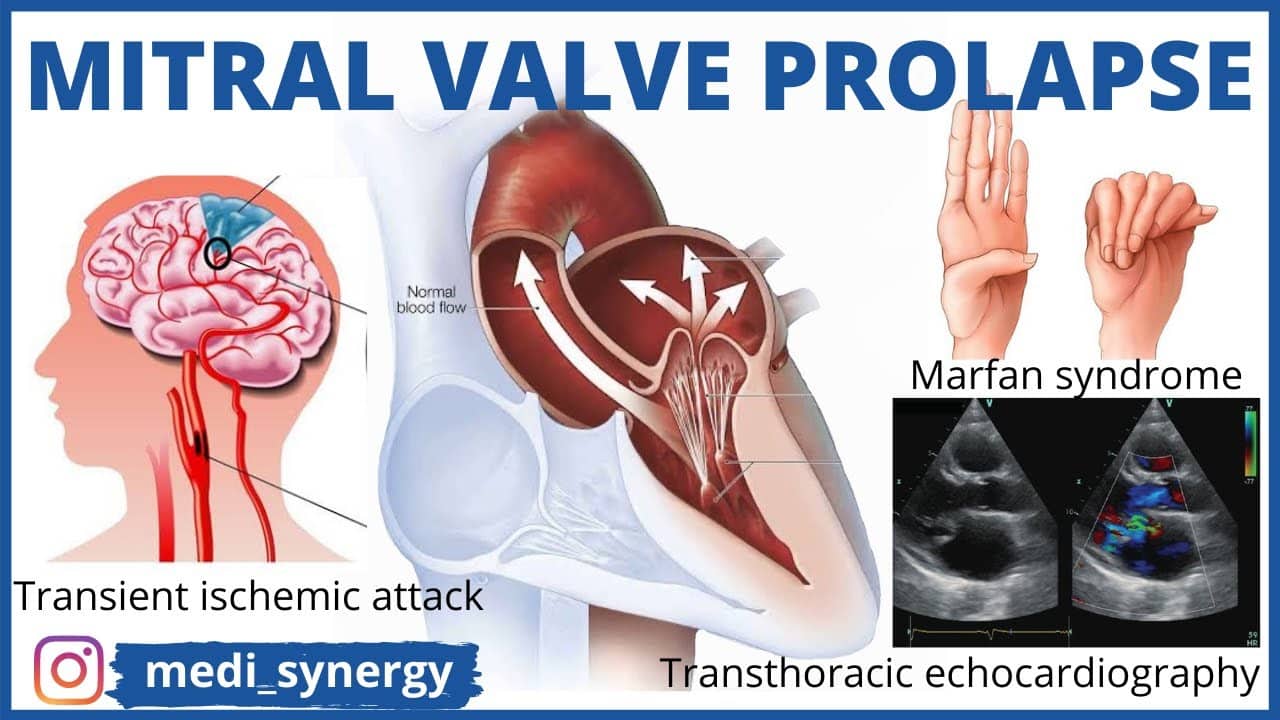
Mitral Valve Prolapse is one of the most common heart valve conditions in the world, affecting approximately two to three percent of the global population. Yet for the vast majority of people who have it, the diagnosis generates far more anxiety than the condition warrants. Most people with Mitral Valve Prolapse live their entire lives without significant complications, needing only periodic monitoring rather than any treatment.
However, Mitral Valve Prolapse sits on a spectrum. At one end lies a benign anatomical variant causing no symptoms and no meaningful risk. At the other end lies a subgroup of patients who develop serious mitral regurgitation, dangerous arrhythmias, or, rarely, sudden cardiac death. Understanding where an individual falls on this spectrum, and knowing which symptoms and findings genuinely demand attention, is the essential clinical challenge that this article addresses directly.
What Is Mitral Valve Prolapse?
The mitral valve sits between the left atrium and the left ventricle, the two left-sided chambers of the heart. It consists of two leaflets, called the anterior and posterior leaflets, supported by fibrous strings called chordae tendineae and papillary muscles attached to the ventricular wall. This support apparatus keeps the valve leaflets closing flush against each other during each heartbeat.
In Mitral Valve Prolapse, one or both leaflets bulge backward, meaning prolapse, into the left atrium during the ventricle’s contraction phase. This abnormal billowing occurs because the valve tissue is excessively flexible or the supporting structures are elongated.
The Myxomatous Degeneration Process
The most common underlying tissue abnormality in Mitral Valve Prolapse is myxomatous degeneration. This term describes a process where the normal fibrous valve tissue is replaced by a softer, more gelatinous material lacking the structural integrity of healthy valve leaflets.
Myxomatous degeneration weakens the leaflets and elongates the chordae tendineae, allowing the valve to prolapse into the atrium during systole. In some cases, chordae rupture completely, causing acute severe regurgitation. This tissue-level process explains why Mitral Valve Prolapse tends to worsen gradually over decades in susceptible individuals.
Classic Versus Non-Classic MVP
Cardiologists distinguish between classic and non-classic Mitral Valve Prolapse based on leaflet thickness and degree of prolapse. Classic MVP involves leaflets thickened more than five millimetres with displacement exceeding two millimetres above the mitral valve plane during systole. Non-classic MVP shows displacement without significant leaflet thickening.
This distinction matters because classic MVP carries higher complication risks including more severe regurgitation, greater arrhythmia susceptibility, and a small but definite risk of sudden cardiac death in specific subgroups.
Causes and Risk Factors for Mitral Valve Prolapse
Mitral Valve Prolapse arises from a combination of genetic predisposition, connective tissue abnormalities, and anatomical factors.
Genetic Inheritance
MVP runs strongly in families, with autosomal dominant inheritance patterns identified in many family studies. First-degree relatives of people with MVP face a significantly elevated risk compared to the general population. Several gene loci associate with familial MVP, including mutations affecting fibrillin and other structural proteins that maintain connective tissue integrity.
Genetic testing for MVP is not yet standard clinical practice, but family history remains an important risk assessment tool in clinical evaluation.
Connective Tissue Disorders
Several inherited connective tissue disorders markedly increase MVP risk. Marfan syndrome, characterised by tall stature, long limbs, and systemic connective tissue fragility, carries a very high MVP prevalence. Ehlers-Danlos syndrome, another connective tissue disorder causing hypermobility and skin fragility, similarly associates strongly with MVP.
People with these underlying conditions develop MVP through the same myxomatous degeneration process but typically at younger ages and with greater severity than those with isolated MVP.
Demographics and Body Type
MVP shows a modest female predominance in clinical diagnosis, though more recent population studies suggest similar true prevalence across genders when rigorous echocardiographic criteria are applied. Slim body habitus, scoliosis, and chest wall deformities associate with higher MVP rates in population studies.
Age influences MVP behaviour rather than its presence. Younger people with MVP rarely develop significant complications, while older individuals face progressively higher regurgitation and complication risks as myxomatous degeneration advances.
Symptoms of Mitral Valve Prolapse
Understanding MVP symptoms requires distinguishing between symptoms caused directly by the valve abnormality and those arising from the autonomic nervous system dysregulation frequently associated with MVP.
Most People Have No Symptoms
The majority of people with Mitral Valve Prolapse experience no symptoms at all. Their condition is detected incidentally through a characteristic heart murmur or click heard during routine examination, or through echocardiography performed for another reason.
This asymptomatic majority should receive reassurance rather than anxiety-inducing monitoring protocols that can themselves generate psychological distress disproportionate to the actual clinical risk.
Palpitations
Palpitations, the sensation of abnormal or forceful heartbeats, represent the most commonly reported symptom in MVP. They occur because MVP predisposes to various cardiac arrhythmias, including premature atrial and ventricular contractions, supraventricular tachycardias, and in rare serious cases, ventricular arrhythmias.
Most MVP-associated palpitations reflect benign ectopic beats and do not require specific treatment beyond lifestyle modifications including caffeine reduction, adequate hydration, and stress management.
Chest Pain
Atypical chest pain occurs in some people with MVP. Unlike the exertional angina of coronary artery disease, MVP-related chest discomfort is typically sharp, brief, positional, and unrelated to exercise. The mechanism remains poorly understood but may involve abnormal papillary muscle traction, autonomic nervous system dysregulation, or small vessel coronary dysfunction.
Importantly, chest pain in MVP almost never reflects dangerous myocardial ischaemia, meaning insufficient blood supply to the heart muscle, in the absence of coexisting coronary artery disease.
Autonomic Symptoms
A significant proportion of people with MVP, particularly young women, experience symptoms linked to autonomic nervous system dysregulation rather than the valve itself. Lightheadedness, fatigue, exercise intolerance, anxiety, and symptoms of postural orthostatic tachycardia syndrome overlap substantially with MVP in clinical practice.
These autonomic features likely reflect shared underlying connective tissue abnormalities affecting the autonomic nervous system alongside the mitral valve. Managing these symptoms often improves quality of life substantially even in people with minimal or no valve regurgitation.
When Mitral Valve Prolapse Becomes Serious
While most MVP is benign, a defined subset of patients faces genuinely serious complications requiring active management.
Significant Mitral Regurgitation
The most clinically important complication of MVP is significant mitral regurgitation, meaning a substantial backward leak of blood through the incompetent valve with each heartbeat. When the valve prolapses, its leaflets fail to close completely, allowing blood to regurgitate from the left ventricle into the left atrium during systole.
Mild regurgitation causes no meaningful cardiac strain. However, moderate to severe regurgitation imposes progressive volume overload on both the left atrium and left ventricle. Over time, this causes the chambers to dilate and the heart muscle to weaken, eventually leading to heart failure and atrial fibrillation if the regurgitation is not addressed.
Symptoms of Significant Regurgitation
Significant mitral regurgitation produces breathlessness on exertion, reduced exercise tolerance, fatigue, palpitations, and eventually breathlessness at rest as the left ventricle decompensates. The onset of these symptoms signals the need for urgent echocardiographic assessment and likely surgical or interventional planning.
Waiting until symptoms are severe before intervening risks allowing irreversible ventricular damage to develop, making timely detection of haemodynamically significant regurgitation critically important.
Atrial Fibrillation
Atrial fibrillation develops commonly in people with significant mitral regurgitation and enlarged left atria. The stretched atrial walls become electrically unstable, generating the chaotic electrical activity characteristic of atrial fibrillation. This arrhythmia further impairs cardiac function, raises stroke risk, and often accelerates heart failure progression.
Treating atrial fibrillation in MVP requires anticoagulation, rate or rhythm control strategies, and consideration of addressing the underlying valve abnormality driving atrial enlargement.
The Risk of Sudden Cardiac Death
Sudden cardiac death in MVP is rare but real, and has attracted significant research attention. A specific high-risk MVP subgroup characterised by bileaflet prolapse with significant mitral regurgitation, mitral annular disjunction, and complex ventricular arrhythmias on monitoring faces the greatest sudden death risk.
Mitral annular disjunction, a structural abnormality where the mitral annulus, the ring supporting the valve, separates from the ventricular wall, creates abnormal mechanical stretch on adjacent myocardium. This stretch triggers potentially lethal ventricular arrhythmias in vulnerable individuals.
Identifying the High-Risk MVP Patient
Identifying high-risk MVP patients requires comprehensive clinical assessment and modern imaging. Cardiac MRI detects myocardial fibrosis, a scar tissue marker predicting arrhythmia risk, adjacent to the posterior mitral annulus. Ambulatory ECG monitoring identifies ventricular ectopy burden and complex arrhythmia patterns.
This risk stratification guides decisions about implantable cardioverter-defibrillator implantation in appropriate high-risk cases, potentially preventing sudden cardiac death.
Diagnosing Mitral Valve Prolapse
Accurate MVP diagnosis and severity assessment requires a combination of clinical examination and imaging studies.
The Classic Auscultatory Findings
The characteristic physical examination finding of MVP is a mid-systolic click, a sharp clicking sound produced when the prolapsing leaflets suddenly tense at maximum displacement. When regurgitation accompanies MVP, a late systolic murmur follows the click, representing the backward leak of blood through the incompetent valve.
These findings are dynamic, shifting in timing and intensity with changes in posture, volume status, and heart rate. Standing reduces ventricular volume and causes the click to move earlier in systole. Squatting increases ventricular volume and pushes the click later. This dynamic behaviour is virtually diagnostic of MVP and distinguishes it from other valve conditions.
Echocardiography
Transthoracic echocardiography is the definitive investigation for MVP diagnosis and management. It confirms leaflet prolapse, quantifies regurgitation severity, assesses valve morphology, measures left atrial and ventricular dimensions, and evaluates left ventricular function. All of these parameters together inform risk stratification and intervention timing.
Echocardiography also identifies mitral annular disjunction, detects chordal elongation or rupture, and guides surgical planning when valve repair or replacement becomes necessary.
Three-Dimensional Echocardiography
Three-dimensional echocardiography provides superior anatomical detail of the mitral valve apparatus compared to standard two-dimensional imaging. It precisely localises which leaflet scallops are prolapsing, assesses the degree and pattern of regurgitation, and provides the detailed anatomical roadmap surgeons require to plan and execute complex mitral valve repair procedures.
This technology has become standard in specialist valve centres and has substantially improved surgical planning and repair success rates.
Cardiac MRI
Cardiac MRI offers detailed tissue characterisation beyond echocardiography’s capabilities. Late gadolinium enhancement on cardiac MRI identifies myocardial fibrosis adjacent to the mitral annulus, a finding associated with ventricular arrhythmia risk and sudden cardiac death in the high-risk MVP subgroup.
MRI also accurately quantifies regurgitation volumes when echocardiographic assessment is technically limited or discordant, resolving ambiguity in complex cases.
Ambulatory Monitoring
Ambulatory ECG monitoring using Holter monitors or implantable loop recorders quantifies ventricular ectopy burden and detects dangerous arrhythmia patterns in symptomatic MVP patients. High burdens of premature ventricular contractions or complex ventricular arrhythmias in classic MVP with mitral annular disjunction warrant further arrhythmia risk assessment and possible electrophysiological study.
Treatment of Mitral Valve Prolapse
Most people with Mitral Valve Prolapse require no specific cardiac treatment beyond regular monitoring and lifestyle awareness.
Reassurance and Surveillance
For asymptomatic MVP with no or minimal regurgitation, the most appropriate management is clear, confident reassurance combined with periodic echocardiographic surveillance. Reinforcing that most MVP follows a benign course and does not require activity restriction or specific treatment reduces unnecessary anxiety significantly.
Surveillance intervals depend on regurgitation severity. Mild regurgitation warrants echocardiography every three to five years. Moderate regurgitation requires annual assessment. Severe regurgitation needs close monitoring with intervention planning.
Managing Symptoms
Palpitations from benign ectopic beats often improve with caffeine avoidance, adequate hydration, regular exercise, and stress management. Beta-blockers provide symptomatic relief for palpitations or chest discomfort in those whose symptoms persist despite lifestyle modifications.
Autonomic symptoms including orthostatic intolerance and fatigue respond to increased fluid and salt intake, compression garments, and in some cases, beta-blockers or fludrocortisone to support blood pressure regulation.
Timing of Surgical Intervention
Surgery becomes necessary when MVP causes significant mitral regurgitation producing either severe symptoms or evidence of left ventricular or atrial enlargement indicating haemodynamic impact. Current guidelines recommend surgery before the left ventricular ejection fraction drops below 60 percent or the left ventricle dilates significantly, thresholds chosen to prevent irreversible ventricular damage.
Early surgery in experienced centres preserves ventricular function and improves long-term outcomes compared to waiting until the ventricle decompensates.
Mitral Valve Repair Versus Replacement
Mitral valve repair is strongly preferred over replacement when technically feasible, which is possible in the majority of MVP cases due to the focal and correctable nature of myxomatous prolapse. Repair preserves the native valve architecture, maintains better left ventricular geometry, avoids the need for lifelong anticoagulation, and produces superior long-term durability compared to replacement.
Centres with high repair rates and experienced mitral surgeons achieve successful repair in over 95 percent of posterior leaflet prolapse cases. Referral to a specialist mitral valve centre maximises the likelihood of repair rather than replacement.
Transcatheter Mitral Valve Repair
For patients with severe symptomatic mitral regurgitation deemed too high-risk for surgery, transcatheter mitral valve repair using the MitraClip device offers a minimally invasive alternative. The device clips the two mitral leaflets together, reducing regurgitation without open-heart surgery.
MitraClip does not achieve the durability of surgical repair but provides meaningful symptomatic improvement and reduces hospitalisation in appropriately selected high-surgical-risk patients, representing an important treatment advance for a previously underserved population.
Arrhythmia Management
Ventricular arrhythmias in high-risk MVP require specialist electrophysiology input. Beta-blockers reduce arrhythmia burden in many patients. Catheter ablation targeting the arrhythmia source near the posterolateral papillary muscle and mitral annulus shows promising results in reducing ventricular ectopy and potentially lowering sudden death risk.
Implantable cardioverter-defibrillators provide life-saving shock therapy in selected very high-risk patients with prior resuscitated cardiac arrest or sustained ventricular tachycardia.
Living With Mitral Valve Prolapse
The vast majority of people with MVP lead entirely normal, unrestricted lives. Understanding this clearly is as important as understanding the genuine risks in specific subgroups.
Physical Activity and Exercise
Most people with MVP and no or mild regurgitation can exercise freely without restriction. Regular aerobic exercise is beneficial for cardiovascular health and should be encouraged rather than avoided. Competitive athletics in people with severe mitral regurgitation, significant arrhythmias, or a history of syncope requires individual specialist evaluation and shared decision-making.
The historical tendency to restrict activity in all MVP patients is no longer supported by contemporary evidence and causes unnecessary harm through physical deconditioning and psychological distress.
Pregnancy and MVP
MVP generally tolerates pregnancy well. Most women with MVP and no significant regurgitation complete pregnancy without cardiac complications. Women with severe mitral regurgitation require specialist obstetric cardiology supervision throughout pregnancy, labour, and the postpartum period, as the haemodynamic demands of pregnancy can precipitate decompensation in those with pre-existing significant cardiac dysfunction.
Psychological Impact
An MVP diagnosis, even when benign, generates significant anxiety for many people. The label of a heart condition, combined with symptoms like palpitations and chest discomfort, creates real psychological burden that clinicians should address proactively.
Clear communication about the benign nature of most MVP, combined with accessible follow-up and prompt response to new symptoms, dramatically reduces anxiety and improves quality of life for the vast majority living with this common condition.
Frequently Asked Questions
Is Mitral Valve Prolapse dangerous?
For most people, Mitral Valve Prolapse is not dangerous and requires no specific treatment. The vast majority experience no significant complications and lead normal lives with periodic monitoring. A small subgroup with classic MVP, significant regurgitation, mitral annular disjunction, and complex arrhythmias faces higher risks including heart failure, atrial fibrillation, and rarely sudden cardiac death. Specialist assessment identifies which patients require closer surveillance or active intervention.
Can Mitral Valve Prolapse go away on its own?
Mitral Valve Prolapse does not resolve spontaneously because the underlying myxomatous tissue change is structural and permanent. However, the condition often remains stable for decades without progression. Some individuals show worsening regurgitation over time as myxomatous degeneration advances. Regular echocardiographic surveillance monitors for progression and guides decisions about the timing of intervention when needed.
Do people with MVP need surgery?
Most people with MVP never need surgery. Surgery becomes necessary only when MVP causes severe mitral regurgitation producing symptoms, left ventricular enlargement, or declining ejection fraction. When surgery is indicated, mitral valve repair at an experienced centre is strongly preferred over replacement, achieving excellent results with minimal long-term complications and superior durability.
Can exercise make Mitral Valve Prolapse worse?
Regular moderate exercise does not worsen MVP and is actively beneficial for overall cardiovascular health. Most people with MVP and no significant regurgitation or dangerous arrhythmias exercise freely without restriction. People with severe regurgitation, complex ventricular arrhythmias, or prior syncope require individual specialist assessment before participating in competitive or high-intensity exercise.
What symptoms should worry someone with MVP?
Symptoms warranting prompt medical evaluation include increasing breathlessness on exertion, new or worsening palpitations, episodes of sustained rapid heartbeat, unexplained fainting or near-fainting, and progressive fatigue or reduced exercise tolerance. These symptoms may indicate significant regurgitation development, dangerous arrhythmias, or ventricular dysfunction requiring echocardiographic assessment and specialist review.
Does MVP require antibiotic prophylaxis before dental work?
Current guidelines from major cardiology societies no longer recommend routine antibiotic prophylaxis before dental procedures for most MVP patients. Antibiotic prophylaxis is reserved for those with prior infective endocarditis, prosthetic heart valves, or specific complex congenital heart disease. People with uncomplicated MVP, even with regurgitation, do not require prophylaxis according to contemporary evidence-based guidelines.
Disclaimer:
This article is for informational purposes only and does not constitute medical advice. Always consult a qualified healthcare professional for diagnosis, treatment, or medical guidance related to any health condition.
References:
Observer Voice is the one stop site for National, International news, Sports, Editor’s Choice, Art/culture contents, Quotes and much more. We also cover historical contents. Historical contents includes World History, Indian History, and what happened today. The website also covers Entertainment across the India and World.

