

Carcinoid Tumors: Symptoms, Serotonin, and Carcinoid Syndrome Explained

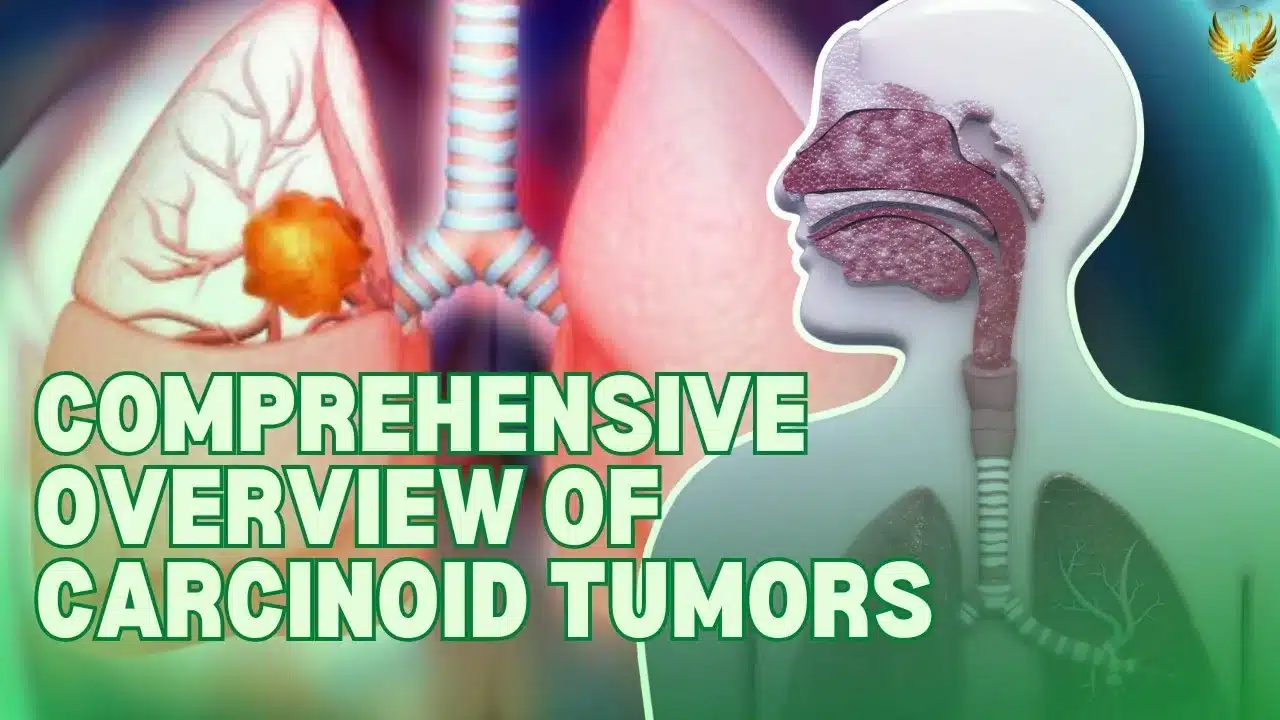
When 56-year-old James developed sudden facial flushing triggered by red wine and spicy foods, he assumed alcohol intolerance. When explosive diarrhea followed—10-15 watery bowel movements daily—his gastroenterologist diagnosed irritable bowel syndrome. Three years later, worsening shortness of breath prompted echocardiogram revealing severe tricuspid valve regurgitation and right heart failure. CT scan discovered liver metastases from small bowel carcinoid tumor. “My doctor said the serotonin from my tumor destroyed my heart valve,” James recalled. “If they’d tested my urine for 5-HIAA when symptoms started, they could have caught this before my heart was damaged.” Carcinoid syndrome is a clinical condition caused by metastatic, well-differentiated neuroendocrine tumors, most commonly arising from the midgut with liver metastases, and is characterized by the secretion of biogenic amines, particularly serotonin, leading to symptoms, for example, flushing, diarrhea, bronchospasm, and systemic complications, like carcinoid heart disease. The hallmark symptoms of carcinoid syndrome are flushing and diarrhea; atypical signs and symptoms can include wheezing, abdominal pain, valvular heart disease, telangiectasias, pellagra, and the complications of mesenteric fibrosis, including ureteral obstruction, bowel obstruction, and bowel ischemia. These symptoms are mediated by the release of serotonin, histamine, kallikrein, prostaglandins, and tachykinins. Understanding how rare slow-growing tumors produce devastating symptoms through hormone overproduction—and why simple urine test can diagnose condition years before irreversible complications develop—reveals both tragedy of delayed diagnosis and triumph of targeted somatostatin analog therapy. PubMed CentralMerck Manual
What Are Carcinoid Tumors and Where Do They Arise?
“Carcinoid” (meaning “carcinoma-like”) describes well-differentiated neuroendocrine tumors arising from enterochromaffin cells—specialized hormone-producing cells scattered throughout body. Modern classification now favors “neuroendocrine tumor” terminology, but “carcinoid” persists particularly when describing the clinical syndrome. Location determines biology and clinical behavior: Midgut carcinoids (60-70%): small intestine (ileum most common), appendix, cecum, proximal colon. Classic carcinoid syndrome producers when metastatic. Drain into portal circulation—liver first-pass metabolism prevents symptoms until liver metastases develop. Foregut carcinoids (15-25%): stomach, duodenum, pancreas, bronchopulmonary system. Atypical flushing (darker, longer, pruritic with wheals). Less commonly produce carcinoid syndrome. Bronchial carcinoids can affect left heart valves (tumor products bypass hepatic metabolism, serotonin not destroyed in lungs). Hindgut carcinoids (10%): distal colon, rectum. Rarely functional—minimal hormone production, seldom cause carcinoid syndrome. Often discovered as rectal polyps during colonoscopy. The biology: carcinoid tumors grow slowly over years to decades. Even with metastases, indolent course allows long survival (10-15+ years). Only 10-40% develop carcinoid syndrome—requires massive serotonin production overwhelming liver’s metabolic capacity, typically meaning extensive liver metastases.
Serotonin: The Master Molecule Behind the Syndrome
5-HT is an end product of the metabolism of the ingested essential amino acid tryptophan. Approximately 95% of the total 5-HT is synthesised and released within the gastrointestinal tract by both enterochromaffin cells and enteric neurons. Meanwhile, the remaining 5% of the total 5-HT acts in the brain. Normal serotonin physiology: dietary tryptophan (essential amino acid) converted to serotonin (5-hydroxytryptamine, 5-HT) via tryptophan hydroxylase enzyme. Enterochromaffin cells in GI tract produce 95% of body’s serotonin. Released serotonin regulates: intestinal motility and secretion, nausea/vomiting responses, platelet aggregation, vasoconstriction/vasodilation, and mood/behavior (brain serotonin). Normally, portal blood carries GI serotonin to liver where monoamine oxidase enzymes rapidly metabolize it to 5-hydroxyindoleacetic acid (5-HIAA) excreted in urine. This first-pass hepatic metabolism prevents serotonin from reaching systemic circulation. The carcinoid tumor problem: tumor enterochromaffin cells produce massive serotonin (100-1000 fold normal). When tumor confined to bowel, liver metabolism handles excess—no systemic symptoms. When tumor metastasizes to liver, serotonin released directly into hepatic veins bypassing first-pass metabolism, flooding systemic circulation. Other vasoactive substances released: histamine (contributes to flushing, bronchoconstriction), bradykinin (vasodilation, wheezing), substance P and tachykinins (flushing, diarrhea), prostaglandins (diarrhea, cramping), and kallikrein (converts kininogen to bradykinin). Skin flushing results from 5-HT as well as kallikrein, which catalyzes the conversion of kininogen to lysyl-bradykinin, which, in turn, is converted to bradykinin. The multi-molecule symphony creates carcinoid syndrome’s constellation of symptoms. Merck ManualMerck Manual
The Classic Triad: Flushing, Diarrhea, Wheezing
Flushing (94% of carcinoid syndrome): People with carcinoid syndrome usually have flushing. In people with dark skin, flushing may cause reddening or increased darkening. Sudden warmth and redness of face, neck, upper chest. Episodes last seconds to minutes (occasionally hours). Triggers include: alcohol (especially red wine), spicy foods, aged cheeses, emotional stress, physical exertion, hot beverages, and certain medications (sympathomimetics). While 5-HT is the proposed main causative agent of carcinoid syndrome-associated flushing, a rapid cyanotic facial and trunk flush with a mild burning sensation that lasts less than a minute is commonly associated with midgut NETs; on the other hand, foregut tumors tend to produce pruritic wheals that are reddish-brown and occur over the entire body. Moreover, some NET patients present flushing with low or normal levels of 5-HIAA, while patients who have high levels of urinary 5-HIAA are totally asymptomatic. Midgut pattern: rapid, bright red, face/upper trunk, mild burning. Foregut pattern: prolonged (minutes to hours), darker red-brown with wheals, itchy, entire body including palms/soles. Diarrhea (78%): The prevalence of carcinoid syndrome-associated diarrhea among NET patients with elevated urinary 5-HIAA is as high as 60-80%. Explosive, watery, non-bloody—5 to 20+ bowel movements daily. Awakens patient at night (nocturnal diarrhea unusual in functional bowel disorders—distinguishing feature). Accompanied by severe abdominal cramping. Causes: serotonin-induced hypermotility (rapid intestinal transit), increased intestinal secretion (water/electrolyte loss), bile salt malabsorption. Excessive contraction of the intestine may result in abdominal cramping and diarrhea. The intestine may not be able to absorb nutrients properly, resulting in undernutrition and fatty, foul-smelling stools. Leads to dehydration, electrolyte imbalances (hypokalemia, hyponatremia), malabsorption, weight loss, malnutrition. Wheezing/bronchospasm (15-20%): serotonin and histamine cause bronchoconstriction mimicking asthma. Triggers coincide with flushing episodes—sudden onset dyspnea, wheezing, chest tightness during flushing attack. Standard asthma medications provide partial relief but don’t address underlying cause. PubMed + 3
Carcinoid Heart Disease: The Silent Destroyer
Heart damage may occur, which can result in symptoms of right heart failure such as swelling of the feet and legs. Carcinoid heart disease is a rare complication of carcinoid syndrome, most commonly involving the tricuspid and pulmonary valves. The mechanism: chronic exposure to high circulating serotonin causes fibrous plaque formation on endocardial surfaces. Right heart valves (tricuspid, pulmonary) preferentially affected because: tumor-produced serotonin enters right heart first via hepatic/systemic veins; lungs metabolize serotonin before reaching left heart; left heart valves typically spared (unless bronchial carcinoid or patent foramen ovale allowing right-to-left shunt). The pathology: serotonin-induced fibrosis creates thick, retracted, immobile valve leaflets. Tricuspid valve: severe regurgitation (blood leaks backward into right atrium during systole)—most common, often combined with stenosis. Pulmonary valve: regurgitation and/or stenosis. The clinical presentation: develops insidiously over years—50% of carcinoid syndrome patients eventually develop valvular disease. Early stages asymptomatic despite significant structural abnormality. Advanced disease: peripheral edema (ankle/leg swelling), ascites (abdominal fluid), hepatomegaly (liver congestion from backward pressure), jugular venous distension, and right heart failure—fatigue, exercise intolerance, dyspnea. The main driver of mortality in carcinoid heart disease patients is not carcinomatosis, but severe tricuspid regurgitation. Right heart failure—not tumor burden—determines survival. Diagnosis: echocardiogram shows thickened, retracted valves with severe regurgitation/stenosis; elevated N-terminal pro-BNP (heart failure marker). The surgical dilemma: tricuspid and pulmonary valve replacement improves survival, quality of life. But surgery risky—these patients frail with compromised cardiac function, metastatic cancer. Tricuspid and pulmonary valve replacement in patients with advanced carcinoid heart disease reduces right heart failure and improves prognosis. Optimal timing: controlled tumor burden, adequate hepatic/renal function, before irreversible right ventricular dysfunction. Recent innovation: transcatheter valve replacement (less invasive than open surgery) emerging as option for high-surgical-risk patients. PubMed + 2
The Diagnostic Test: 24-Hour Urine 5-HIAA
When symptoms lead a doctor to suspect a neuroendocrine tumor, the diagnosis of carcinoid syndrome can often be confirmed by measuring the amount of 5-hydroxyindoleacetic acid—one of the chemical byproducts of serotonin—in the person’s urine, which is collected over a 24-hour period. Normal urine 5-HIAA levels range from 3 to 15 mg/24 hours; an elevated level has 100% specificity and 73% sensitivity for carcinoid tumors. The test mechanics: patient collects all urine voided over 24-hour period in container (refrigerated). Lab measures 5-HIAA concentration. Normal: <10 mg/day (<52 micromol/day). Borderline: 10-25 mg/day—mild elevation, repeat test or investigate further. Carcinoid syndrome: typically >50 mg/day (>260 micromol/day)—strongly suggestive, sometimes >500 mg/day in severe cases. The level of 5-HIAA measured in the urine correlates with the tumour size; however, correction with clinical severity is weaker due to the inconsistent release of 5-HT from the tumours. Important pre-test restrictions: Consumption of tryptophan-rich foods (banana, chocolate, pineapple, etc.) or certain medications may give false-positive or false-negative results; hence, abstinence from these must be completed for 3 days prior to collection. Avoid foods: bananas, avocados, pineapple, kiwi, plums, walnuts, tomatoes, eggplant. Avoid medications: acetaminophen, guaifenesin (cough syrup), phenothiazines (antipsychotics), methocarbamol (muscle relaxant). Stop these 48-72 hours before test—otherwise false positives. Alternative testing: Plasma fasting 5-HIAA levels have been found to correlate with urinary 5-HIAA in patients with small intestine neuroendocrine tumors while offering better reliability for follow-up. There is also spot urine collection for 5-HIAA which has several benefits including elimination of over- or under-collection of urine in addition to increased patient satisfaction. It has been shown there is a high correlation between spot urine 5-HIAA and 24-hour urine 5-HIAA. Emerging methods (plasma 5-HIAA, spot urine) more convenient, may replace 24-hour collection. Complementary test: chromogranin A (serum)—general neuroendocrine tumor marker elevated in 60-80% of carcinoids, useful for monitoring but less specific than 5-HIAA for carcinoid syndrome. PubMed + 4
Carcinoid Crisis: The Life-Threatening Emergency
Carcinoid crisis is a life-threatening complication of carcinoid syndrome, resulting in hemodynamic instability, bronchospasm, and arrhythmia. Cardiac surgical patients with carcinoid syndrome present a unique challenge as they are subject to physiologic conditions and medications which can potentiate intraoperative carcinoid crisis. The presentation: massive catecholamine and vasoactive substance release causing: severe hypotension or hypertension (wildly fluctuating blood pressure), tachycardia or bradycardia (arrhythmias), profound bronchospasm (respiratory failure), altered mental status (confusion, obtundation), flushing more severe/prolonged than baseline. Triggers: surgical manipulation of tumor (especially during debulking/resection), anesthesia induction, endoscopic procedures with tumor biopsy, contrast administration, emotional/physical stress, and medications (sympathomimetics, anesthetics, catecholamine-releasing drugs). The mechanism: physical or pharmacologic tumor stimulation provokes sudden massive hormone release overwhelming compensatory mechanisms. Prevention strategies: prophylactic octreotide (somatostatin analog) before surgery/procedures—intravenous infusion starting hours before intervention, continued perioperatively. Current perioperative regimens entail the use of prophylactic somatostatin analogs to prevent carcinoid crisis. As an adjunct to somatostatin analog therapy, the novel tryptophan hydroxylase inhibitor, telotristat, was initiated preoperatively. This combination resulted in normalization of preoperative urinary 5-HIAA levels. Telotristat ethyl (new agent): blocks tryptophan hydroxylase—enzyme converting tryptophan to serotonin. Reduces serotonin production at source. Preoperative telotristat + octreotide normalizes 5-HIAA, potentially reduces crisis risk. Treatment: intravenous octreotide bolus + infusion, volume resuscitation, vasopressors if needed (avoid epinephrine/norepinephrine—can worsen crisis), bronchodilators for bronchoconstriction, close hemodynamic monitoring (arterial line, central venous pressure). Despite preventive measures, carcinoid crisis remains serious risk—mortality 5-10% even with treatment. US Pharmacist + 2
Treatment: Somatostatin Analogs Transform Management
The medications octreotide and lanreotide can relieve flushing symptoms. Some forms of these medications can be given only once a month. These drugs inhibit the secretion of biogenic amines, thereby controlling symptoms such as flushing and diarrhea. Treatment of the carcinoid syndrome is focused on controlling the proliferation of the primary tumor and symptomatic control of the symptoms with somatostatin analogues octreotide or lanreotide. Octreotide mechanism: synthetic somatostatin analog binds somatostatin receptors on tumor cells, blocking hormone secretion (serotonin, histamine, etc.), reduces intestinal secretion/motility. Formulations: short-acting subcutaneous injection (50-200 mcg three times daily)—rapid symptom relief, used acutely; long-acting depot intramuscular (Sandostatin LAR 10-30 mg monthly)—maintenance therapy. Lanreotide: alternative long-acting somatostatin analog (Somatuline Depot 60-120 mg every 4 weeks), deep subcutaneous injection (easier than intramuscular). Efficacy: flushing controlled 60-80%, diarrhea improved 60-75%, quality of life dramatically improved. Also has antiproliferative effect—slows tumor growth, progression-free survival benefit. Side effects: generally well-tolerated. Gallstones/biliary sludge (20-30%—somatostatin reduces gallbladder contractility), hyperglycemia (inhibits insulin secretion), steatorrhea (fat malabsorption), injection site reactions, abdominal discomfort/bloating. When octreotide fails: In patients whose symptoms are refractory to initial doses, increasing the dose or switching to another analogue, such as pasireotide may be effective. In patients who continue to be refractory, mTOR inhibitors such as everolimus. Dose escalation: increase octreotide LAR to 40-60 mg monthly or shorten interval to every 3 weeks. Pasireotide: broader somatostatin receptor binding—helps octreotide-refractory cases. Telotristat ethyl (Xermelo): The TPH inhibitor telotristat ethyl may be useful in controlling diarrhea associated with the carcinoid syndrome. Telotristat is the first oral medication indicated in combination with somatostatin analogs for patients with carcinoid syndrome diarrhea who no longer respond to somatostatin analogs alone. Oral medication (250 mg three times daily) added to octreotide when diarrhea persists. Blocks tryptophan hydroxylase—reduces serotonin production at source. Clinical trials: reduces bowel movements 1-2 per day additional benefit beyond octreotide alone. FDA-approved 2017 specifically for carcinoid syndrome diarrhea refractory to somatostatin analogs. Carcinoid Syndrome – PubMed +2 + 3
Other Treatment Approaches
Surgical resection: removes primary tumor reducing hormone production. Even with liver metastases, debulking primary beneficial—decreases serotonin load. Curative if disease localized (20-30% at diagnosis). Liver-directed therapies: for liver-dominant metastatic disease. Radiofrequency ablation (RFA): destroys liver tumors with heat. Transarterial chemoembolization (TACE): delivers chemotherapy directly to hepatic tumors via hepatic artery, causes tumor necrosis. Selective internal radiation (SIRT/radioembolization): radioactive microspheres lodge in tumor vessels delivering targeted radiation. These reduce tumor burden, decrease hormone production, improve symptoms even when not curative. Peptide receptor radionuclide therapy (PRRT): Lu-177-DOTATATE (Lutathera)—radioactive isotope attached to somatostatin analog. Binds tumor somatostatin receptors delivering targeted radiation. Highly effective for progressive disease—median progression-free survival 28 months. Interferon-alpha: immunotherapy occasionally used—antiproliferative, symptom control. Less effective than somatostatin analogs, more side effects (flu-like symptoms, depression, cytopenias). Systemic chemotherapy: reserved for poorly-differentiated, rapidly progressing tumors. Well-differentiated carcinoids relatively chemoresistant. Everolimus (mTOR inhibitor): oral targeted therapy for progressive disease. Supportive care: antidiarrheal medications (loperamide, diphenoxylate) adjunct to octreotide; avoid triggers (alcohol, spicy foods); niacin supplementation if pellagra develops (tryptophan diverted to serotonin rather than niacin synthesis).
Prognosis: Living With Chronic Disease
Five-year survival depends on stage and grade: Localized disease (30% at diagnosis): 90-95% five-year survival if surgically resected. Regional disease (lymph node involvement): 70-80% five-year survival. Distant metastases (liver—40-50% at diagnosis): 40-70% five-year survival depending on tumor grade, extent, treatment response. The paradox: even with metastatic disease, slow tumor growth allows prolonged survival—median 5-10 years, some patients living 15-20+ years. Carcinoid syndrome patients often survive decade+ with good quality of life on somatostatin analog therapy. Poor prognostic factors: poorly-differentiated histology (high Ki-67 index), extensive liver involvement (>50% liver replaced by tumor), carcinoid heart disease (severe tricuspid regurgitation—drives mortality more than tumor burden), elevated 5-HIAA despite treatment (suggests inadequate symptom control), and malabsorption/cachexia (advanced disease indicator). The contemporary model: treating metastatic carcinoid as chronic manageable condition rather than terminal cancer. Sequential therapies over years: octreotide → liver-directed therapy → PRRT → everolimus → repeat PRRT if receptors remain positive. Patients cycling through treatments maintaining function, independence.
Frequently Asked Questions
Q1: I have chronic flushing and diarrhea. How do I know if it’s carcinoid syndrome versus something benign like rosacea or IBS?
Key distinguishing features favor carcinoid syndrome: flushing episodes triggered by specific foods (alcohol, aged cheese, spicy foods) or stress—rosacea flushing more constant; diarrhea awakening you at night (functional bowel disorders rarely nocturnal); explosive watery diarrhea 10+ times daily (IBS usually 3-5 soft stools); progressive worsening over months/years (IBS fluctuates); symptoms began after age 40 (IBS typically 20s-30s); weight loss despite normal appetite (suggests malabsorption); and wheezing/bronchospasm accompanying flushing (unique to carcinoid). Single definitive test: 24-hour urine 5-HIAA collection. Normal (<10 mg/day) essentially rules out carcinoid syndrome. Elevated (>50 mg/day) strongly suggests diagnosis—proceed to imaging (CT abdomen/pelvis, Ga-68 DOTATATE PET) to locate tumor. Important: stop tryptophan-rich foods (bananas, pineapple, avocados, walnuts) and interfering medications (acetaminophen, guaifenesin) 3 days before test—otherwise false positives. Don’t accept IBS/rosacea diagnosis if symptoms persist/worsen—advocate for 5-HIAA testing. Most primary care doctors never see carcinoid syndrome (rare disease)—may not consider diagnosis. Request referral to gastroenterology or endocrinology if suspicious features present.
Q2: My 24-hour urine 5-HIAA came back at 45 mg/day but I have no symptoms. Should I be worried?
Borderline elevated 5-HIAA (25-50 mg/day) without symptoms requires careful interpretation. Possibilities: False positive: did you strictly avoid interfering foods/medications? Bananas, pineapple, kiwi, walnuts, chocolate, acetaminophen, cough syrup (guaifenesin) cause false elevations. Repeat test after 3-day strict avoidance. Small carcinoid without syndrome: some patients have elevated 5-HIAA with tumor visible on imaging but no clinical symptoms—tumor produces serotonin but below symptomatic threshold. Still requires treatment preventing progression. Non-carcinoid cause: celiac disease (untreated), small bowel bacterial overgrowth, severe diarrhea from other causes can mildly elevate 5-HIAA. Investigate these conditions. Next steps: confirm elevation with second 24-hour collection (strict dietary/medication restrictions); check chromogranin A (if elevated, supports neuroendocrine tumor); proceed to imaging if repeat 5-HIAA elevated (CT abdomen/pelvis, Ga-68 DOTATATE PET/CT); and endoscopy/colonoscopy if imaging negative (rule out mucosal pathology). Don’t panic—45 mg/day represents mild elevation. Carcinoid syndrome typically >100-500 mg/day. But don’t ignore either—small tumor caught early potentially curable with surgery before metastases/syndrome develop.
Q3: I was just diagnosed with small bowel carcinoid with liver metastases. Does this mean I have carcinoid syndrome?
Not necessarily. Only 10-40% of patients with metastatic carcinoid develop full carcinoid syndrome. Critical factors: extent of liver involvement (>50% liver replaced by tumor increases syndrome risk—massive serotonin production overwhelms hepatic metabolism); tumor hormone production (some carcinoids nonfunctional—don’t secrete significant serotonin); and baseline 5-HIAA level (mild elevation may be asymptomatic; >50-100 mg/day typically produces symptoms). You may have: No syndrome (60-70%): liver metastases present but serotonin production insufficient causing symptoms, or hepatic metabolism still handling load. Subclinical syndrome: mild 5-HIAA elevation, occasional flushing/diarrhea not significantly impairing life. Overt syndrome: classic flushing, diarrhea 10+ times daily, significant quality of life impact—requires somatostatin analog therapy. Even without syndrome now, monitor for development: repeat 5-HIAA every 3-6 months; watch for new flushing, diarrhea, wheezing; annual echocardiogram screening for carcinoid heart disease (develops insidiously). Start somatostatin analog (octreotide) if symptoms develop or 5-HIAA rises significantly. Some oncologists initiate octreotide prophylactically even without syndrome—antiproliferative benefit slowing tumor growth, potentially preventing syndrome development.
Q4: I’m scheduled for surgery to remove my carcinoid tumor. What is carcinoid crisis and how worried should I be?
Carcinoid crisis is life-threatening massive hormone release during surgery causing severe hypotension, bronchospasm, arrhythmias. Risk factors: large tumor burden (especially >5cm primary), elevated baseline 5-HIAA (>150-200 mg/day), extensive manipulation/resection planned, and liver metastases undergoing ablation. Modern prevention highly effective: prophylactic intravenous octreotide starting hours before surgery continuing through procedure; experienced anesthesia team familiar with carcinoid (avoiding triggering anesthetic agents); gentle tumor handling (minimizing mechanical stimulation); and invasive monitoring (arterial line, central line) allowing immediate crisis detection/treatment. Recent data reassuring: with proper octreotide prophylaxis, crisis incidence <5% (was 25%+ historically). When occurs, treatable—additional octreotide, fluids, vasopressors, bronchodilators usually resolve within minutes to hours. Mortality <1% at experienced centers. Your surgical team should: confirm elevated 5-HIAA checked preoperatively; prescribe octreotide infusion protocol; involve anesthesia with carcinoid experience; consider preoperative telotristat (new agent reducing serotonin production—some centers using for high-risk cases); and plan ICU admission postoperatively (monitoring continues 24-48 hours—delayed crisis possible). Don’t let crisis fear delay necessary surgery—tumor removal reduces long-term hormone burden, prevents complications. With appropriate precautions, surgery safe even with carcinoid syndrome.
Q5: I’ve been on octreotide for carcinoid syndrome but still have 5-8 diarrhea episodes daily. What other options exist?
Persistent diarrhea despite octreotide occurs in 20-30% of patients. Escalation strategies: Optimize octreotide dosing: increase LAR dose from 20mg to 30mg monthly, or 40-60mg monthly (higher than standard); shorten interval to every 3 weeks instead of 4 weeks (maintains higher steady-state levels); add short-acting octreotide subcutaneous (50-100 mcg twice daily) bridging between depot injections. Add telotristat ethyl (Xermelo): oral medication (250mg three times daily with meals) taken alongside octreotide. FDA-approved specifically for octreotide-refractory carcinoid diarrhea. Reduces bowel movements 1-2 additional per day versus octreotide alone. Randomized trial demonstrated 44% of patients achieved ≥30% reduction in bowel movements. Switch to pasireotide: broader somatostatin receptor binding—helps some octreotide-refractory cases. More side effects (hyperglycemia common). Address contributing factors: bile salt malabsorption (cholestyramine binds excess bile salts); pancreatic insufficiency (pancreatic enzyme replacement); small bowel bacterial overgrowation (rifaximin antibiotic); lactose intolerance (eliminate dairy). Adjunctive antidiarrheals: loperamide (Imodium) up to 16mg daily, diphenoxylate-atropine (Lomotil)—safe with octreotide, additive benefit. Dietary modification: low-fat diet (reduces steatorrhea), avoid trigger foods (caffeine, sorbitol, high-fiber initially). Don’t suffer with inadequate symptom control—work with neuroendocrine tumor specialist optimizing regimen. Most patients achieve acceptable diarrhea control (<3-4 stools daily) with combination approach.
Disclaimer
This article adapts publicly available information from reputable cancer research organizations and medical databases. This content is for informational and educational purposes only and does not constitute medical advice. ObserverVoice.com is a news and information platform — not a healthcare provider. Decisions about carcinoid tumor screening, diagnosis, and treatment should be made in consultation with qualified physicians, oncologists, and endocrinologists who can evaluate your individual symptoms, test results, and health status. If you have symptoms concerning for carcinoid syndrome, please consult with your healthcare team promptly.
References
- StatPearls. Carcinoid Syndrome. https://www.ncbi.nlm.nih.gov/books/NBK448096/
- PMC. Carcinoid Syndrome: A Review. https://www.ncbi.nlm.nih.gov/pmc/articles/PMC7124884/
- Merck Manual. Carcinoid Syndrome due to Neuroendocrine Tumors. https://www.merckmanuals.com/home/hormonal-and-metabolic-disorders/carcinoid-tumors/carcinoid-syndrome-due-to-neuroendocrine-tumors
- PMC. The role of serotonin inhibition within the treatment of carcinoid syndrome. https://www.ncbi.nlm.nih.gov/pmc/articles/PMC10305560/
- PMC. Use of perioperative telotristat in a patient with carcinoid heart disease. https://edm.bioscientifica.com/view/journals/edm/2024/1/EDM23-0070.xml
Observer Voice is the one stop site for National, International news, Sports, Editor’s Choice, Art/culture contents, Quotes and much more. We also cover historical contents. Historical contents includes World History, Indian History, and what happened today. The website also covers Entertainment across the India and World.

