

Obstructive Sleep Apnea and ENT: When the Throat and Nose Are the Problem

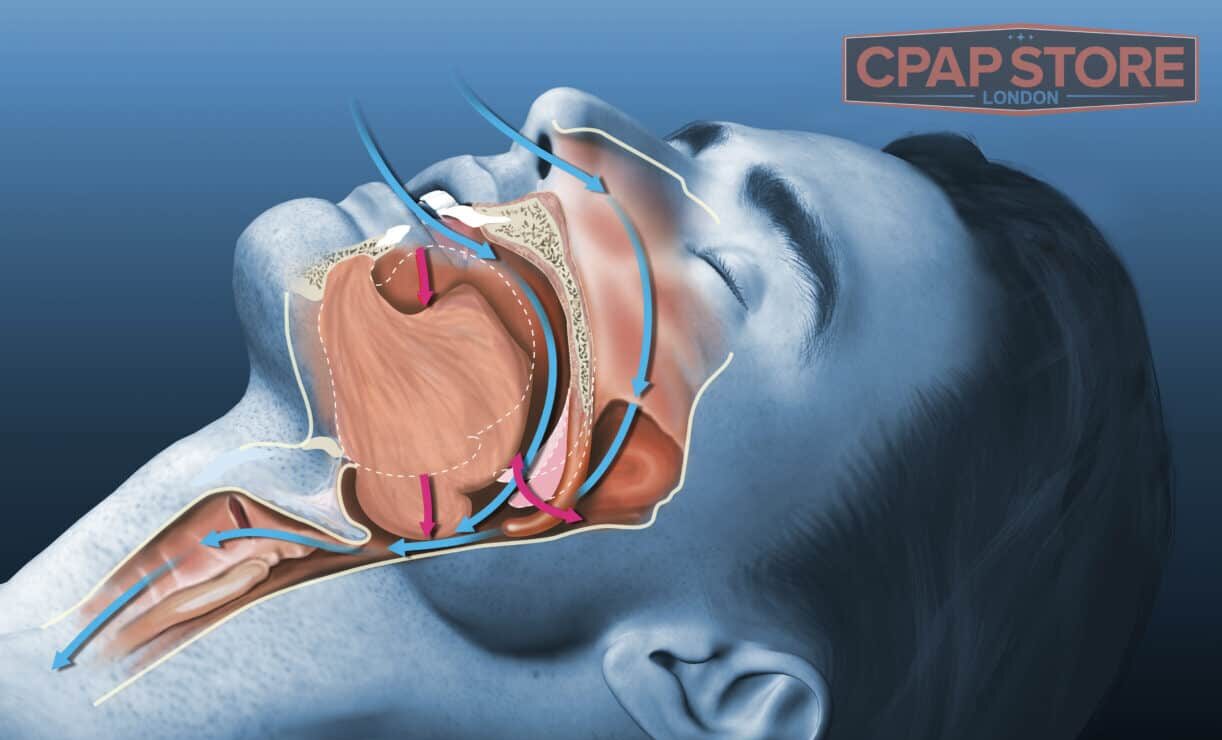
Obstructive sleep apnea happens when your airway repeatedly narrows or closes during sleep. These pauses in breathing can occur dozens of times each night. Most people don’t even realize it’s happening while they sleep.
This condition often stems directly from issues in your throat and nose. Understanding these structural causes helps explain why treatment varies so much between patients. Let’s explore exactly how your airway anatomy contributes to this problem.
Why the Throat and Nose Matter So Much
Your throat and nose form the upper part of your airway. When tissues here relax or block airflow, breathing becomes difficult. That’s why ENT specialists play such an important role in diagnosis and treatment.
How Throat Structure Contributes to Apnea
During sleep, throat muscles naturally relax more than during waking hours. In some people, this relaxation causes the airway to collapse partially or fully. Extra soft tissue in the throat makes this collapse even more likely.
Enlarged tonsils or a long soft palate can also narrow the airway significantly. Additionally, a large tongue can fall backward during sleep, blocking airflow. These structural factors often combine, worsening apnea severity considerably.
The Role of Tonsils and Adenoids
Enlarged tonsils and adenoids commonly cause sleep apnea in children. In adults, this issue appears less often but still matters. Removing these tissues sometimes resolves airway blockage effectively.
How Nasal Problems Worsen Sleep Apnea
Nasal blockages force you to breathe through your mouth during sleep. Mouth breathing often worsens airway collapse and increases snoring intensity. Over time, this pattern can intensify apnea symptoms considerably.
A deviated septum frequently contributes to chronic nasal blockage. Nasal polyps and chronic congestion create similar breathing difficulties. Addressing these nasal issues often improves overall sleep apnea treatment success.
Why Nasal Breathing Matters for Treatment Success
Many sleep apnea treatments rely on nasal breathing to work properly. Devices like CPAP machines deliver air through the nose primarily. When nasal blockages exist, these treatments become significantly less effective.
Recognizing the Symptoms
Loud, persistent snoring is often the first noticeable sign. Many bed partners notice gasping or choking sounds during sleep too. Frequent nighttime awakenings without clear cause can also indicate apnea.
Daytime fatigue commonly follows poor, interrupted sleep quality. Morning headaches and difficulty concentrating often appear as well. Some people also experience irritability or mood changes related to ongoing sleep deprivation.
Symptoms Specific to Throat and Nose Issues
Constant mouth breathing during sleep often signals nasal blockage. Difficulty breathing through your nose during the day matters too. These specific symptoms point doctors toward ENT-related causes of your apnea.
How ENT Specialists Diagnose the Problem
Diagnosis typically starts with a detailed sleep history and physical exam. Your doctor will examine your throat, nose, and airway structure carefully. This examination helps identify visible blockages or structural abnormalities.
A sleep study remains essential for confirming sleep apnea severity. This test measures breathing pauses, oxygen levels, and sleep quality overnight. Combining these results with ENT findings guides appropriate, targeted treatment.
Why ENT Evaluation Complements Sleep Studies
Sleep studies confirm apnea but don’t always reveal its exact cause. ENT evaluation identifies specific structural problems contributing to airway blockage. Together, these assessments create a complete picture for effective treatment planning.
ENT Treatment Options Worth Knowing
Treating nasal blockages often improves comfort with other sleep apnea therapies. Procedures correcting a deviated septum can significantly improve airflow. Removing enlarged tonsils or adenoids also helps many patients breathe easier.
For some people, surgery on the soft palate or throat tissue helps. These procedures aim to widen the airway permanently. Your ENT specialist will recommend options based on your specific anatomy.
Combining ENT Treatment With CPAP Therapy
Many patients still need CPAP therapy alongside ENT treatment. Fixing nasal or throat issues often makes CPAP more comfortable and effective. This combined approach frequently produces the best long-term results.
Lifestyle Changes That Support Treatment
Maintaining a healthy weight reduces excess tissue around the airway. Sleeping on your side instead of your back also helps significantly. Avoiding alcohol before bed further reduces throat muscle relaxation during sleep.
Final Thoughts on Sleep Apnea and ENT Health
Obstructive sleep apnea often originates from treatable throat and nose issues. Recognizing these structural causes opens the door to targeted treatment. Working with an ENT specialist can dramatically improve your sleep quality.
If snoring or breathing pauses concern you, seek evaluation soon. Identifying the exact cause leads to more effective, personalized treatment. With proper care, restful, uninterrupted sleep becomes achievable again.
Frequently Asked Questions
Can fixing my nose alone cure sleep apnea?
Nasal surgery alone rarely cures sleep apnea completely. However, it often significantly improves comfort and treatment effectiveness. Combining nasal treatment with other therapies typically produces the best results.
Do all snorers have sleep apnea?
Not everyone who snores has sleep apnea. However, loud, frequent snoring combined with breathing pauses often indicates this condition. A sleep study can confirm whether snoring signals true sleep apnea.
Can children develop ENT-related sleep apnea?
Children frequently develop sleep apnea due to enlarged tonsils or adenoids. This cause differs slightly from typical adult sleep apnea patterns. Removing these tissues often resolves the problem successfully in children.
Is surgery always necessary for sleep apnea?
Surgery isn’t always necessary for treating sleep apnea. Many patients manage symptoms successfully with CPAP therapy or lifestyle changes. Surgery becomes an option mainly when structural blockages persist despite other treatments.
Can weight loss alone resolve sleep apnea symptoms?
Weight loss can significantly improve sleep apnea symptoms for many people. However, structural issues in the throat or nose may still require separate treatment. Combining weight management with ENT care often yields the best outcomes.
Disclaimer:
This article is for informational purposes only and does not replace professional medical advice. Please consult a qualified healthcare provider for diagnosis and treatment.
References:
- Mayo Clinic, Obstructive Sleep Apnea: https://www.mayoclinic.org/diseases-conditions/obstructive-sleep-apnea/symptoms-causes/syc-20352090
- NHLBI, Sleep Apnea: https://www.nhlbi.nih.gov/health/sleep-apnea
- Cleveland Clinic, Obstructive Sleep Apnea: https://my.clevelandclinic.org/health/diseases/8718-obstructive-sleep-apnea
- NHS, Obstructive Sleep Apnea: https://www.nhs.uk/conditions/obstructive-sleep-apnoea/
Observer Voice is the one stop site for National, International news, Sports, Editor’s Choice, Art/culture contents, Quotes and much more. We also cover historical contents. Historical contents includes World History, Indian History, and what happened today. The website also covers Entertainment across the India and World.

