

Non-Small Cell Lung Cancer vs Small Cell Lung Cancer: What’s the Difference?

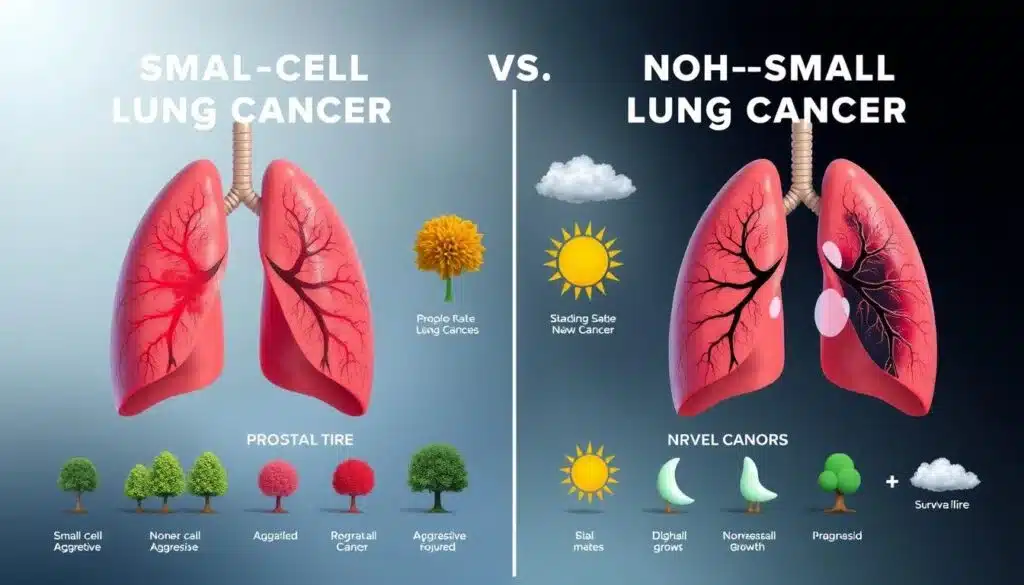
Lung cancer isn’t just one single disease; it includes two main categories. Doctors classify these types based on how the cancer cells appear under a microscope. This distinction significantly influences treatment approach and overall prognosis.
Non-small cell lung cancer, often called NSCLC, represents the more common type overall. Small cell lung cancer, known as SCLC, occurs less frequently but behaves quite differently. Understanding both helps clarify why this classification matters so significantly.
Why This Classification Genuinely Matters
Treatment decisions depend heavily on which lung cancer type someone has. NSCLC and SCLC respond differently to chemotherapy, radiation, and surgical options. This fundamental difference explains why accurate classification remains absolutely essential for proper care.
What Makes Non-Small Cell Lung Cancer Different
NSCLC accounts for the vast majority of all lung cancer diagnoses. This category actually includes several subtypes, like adenocarcinoma and squamous cell carcinoma. Each subtype originates from slightly different lung cells specifically.
NSCLC typically grows and spreads more slowly compared to small cell lung cancer. This slower progression often allows more time for detection and treatment planning. Many NSCLC cases get diagnosed at earlier, more treatable stages because of this pattern.
Common Subtypes Within NSCLC
Adenocarcinoma represents the most frequently diagnosed NSCLC subtype currently. Squamous cell carcinoma and large cell carcinoma represent two additional significant subtypes. Each subtype shows slightly different patterns regarding location and risk factors.
Why Slower Growth Offers Certain Advantages
This relatively slower progression sometimes allows surgical removal before significant spread occurs. Early-stage NSCLC frequently responds well to surgery combined with other treatments. This treatment flexibility represents a meaningful advantage compared to small cell lung cancer.
What Makes Small Cell Lung Cancer Different
SCLC represents a smaller percentage of overall lung cancer cases. Despite being less common, it behaves considerably more aggressively than NSCLC. This cancer type grows and spreads remarkably quickly throughout the body.
SCLC shows an extremely strong connection to cigarette smoking specifically. The vast majority of SCLC cases occur in current or former smokers. This strong association makes smoking cessation particularly relevant for SCLC prevention.
Why SCLC Spreads So Aggressively
Small cell lung cancer cells divide and multiply considerably faster than NSCLC cells. This rapid division explains why SCLC frequently spreads to other organs quickly. By diagnosis time, many SCLC cases have already spread beyond the lungs.
The Strong Smoking Connection
Nearly all SCLC cases occur in people with significant smoking history. This connection remains notably stronger than the relationship between smoking and NSCLC. Understanding this link reinforces why quitting smoking offers substantial protective benefit.
Comparing Symptoms Between Both Types
Both lung cancer types can cause similar initial symptoms, including persistent cough. Shortness of breath and chest discomfort frequently occur with either type too. This symptom overlap means doctors rely on additional testing for accurate classification.
However, SCLC sometimes causes symptoms related to rapid tumor growth specifically. These might include sudden, significant weight loss or notable weakness. NSCLC symptoms, conversely, often develop more gradually over an extended period.
Why Symptom Timing Provides Diagnostic Clues
Rapidly worsening symptoms sometimes suggest the more aggressive SCLC type specifically. Gradually developing symptoms, conversely, align more typically with NSCLC’s slower progression pattern. Doctors consider this timing alongside other diagnostic information during evaluation.
How Doctors Distinguish Between the Two Types
Diagnosis requires examining tissue samples obtained through biopsy procedures directly. Pathologists examine these cells under a microscope to determine the exact cancer type. This microscopic examination remains essential for accurate, reliable classification.
Additional testing, including genetic and molecular analysis, helps further refine NSCLC subtypes specifically. This detailed information increasingly guides personalized, targeted treatment selection. Combining all these results ensures the most accurate diagnosis possible.
Why Biopsy Results Guide Everything That Follows
Without accurate tissue examination, distinguishing between these two cancer types remains impossible. This biopsy result directly determines subsequent treatment planning and prognosis discussions. This step represents perhaps the single most important diagnostic moment in lung cancer care.
Comparing Treatment Approaches
NSCLC treatment often includes surgery, particularly for early-stage, localized disease. Radiation and chemotherapy frequently supplement surgical treatment for more advanced cases. Newer targeted therapies and immunotherapy have also significantly improved NSCLC treatment options recently.
SCLC treatment typically relies primarily on chemotherapy combined with radiation therapy. Surgery rarely plays a significant role, given how quickly SCLC typically spreads. This treatment approach reflects SCLC’s fundamentally different biological behavior compared to NSCLC.
Why Surgery Works Better for NSCLC
NSCLC’s slower growth pattern often allows complete surgical removal before significant spread occurs. This surgical option provides a potential path toward complete cure for early-stage disease. SCLC’s rapid spread, conversely, frequently makes surgery less effective or appropriate.
Newer Treatment Advances for NSCLC
Targeted therapies specifically attack genetic mutations found in certain NSCLC tumors. Immunotherapy helps the immune system recognize and fight cancer cells more effectively too. These advances have meaningfully improved outcomes for many NSCLC patients recently.
Comparing Overall Prognosis
NSCLC generally offers a somewhat better prognosis, particularly when caught early. Five-year survival rates for early-stage NSCLC can be considerably encouraging. However, prognosis varies significantly based on specific stage and subtype involved.
SCLC typically carries a more challenging prognosis, given its aggressive, rapid spread pattern. Most SCLC cases get diagnosed after the cancer has already spread significantly. This advanced stage at diagnosis significantly impacts overall treatment success and outcomes.
Final Thoughts on These Two Lung Cancer Types
Non-small cell and small cell lung cancer represent genuinely distinct diseases requiring different approaches. Understanding these differences helps patients and families better navigate diagnosis and treatment decisions. Both types, however, benefit significantly from early detection and prompt, appropriate treatment.
If you receive a lung cancer diagnosis, ask your doctor specifically which type you have. This knowledge helps you understand your treatment options and realistic expectations clearly. With appropriate, type-specific treatment, many patients achieve meaningful, positive outcomes regardless of diagnosis.
Frequently Asked Questions
Which type of lung cancer is more common?
Non-small cell lung cancer represents the vast majority of all lung cancer diagnoses. Small cell lung cancer occurs considerably less frequently overall. This difference in prevalence significantly influences general treatment research and development focus.
Is small cell lung cancer always more dangerous than NSCLC?
Small cell lung cancer typically progresses more aggressively and spreads faster than NSCLC. However, NSCLC diagnosed at advanced stages can also become quite serious. Overall prognosis depends significantly on both cancer type and stage at diagnosis.
Can non-smokers develop either type of lung cancer?
Yes, non-smokers can develop NSCLC, though this occurs less commonly than in smokers. Small cell lung cancer, however, occurs almost exclusively in current or former smokers. This distinction highlights smoking’s particularly strong connection to SCLC specifically.
Does treatment success differ significantly between these two types?
Yes, treatment approaches and success rates differ considerably between NSCLC and SCLC. NSCLC often responds well to surgery, especially when caught early. SCLC, conversely, typically requires chemotherapy and radiation, given its more aggressive nature.
Can someone have both types of lung cancer simultaneously?
While rare, some tumors show characteristics of both types, called combined small cell carcinoma. This unusual presentation requires careful, specialized pathological evaluation. Discussing any unusual diagnostic findings with your oncologist provides important clarity.
Disclaimer:
This article is for informational purposes only and does not replace professional medical advice. Please consult a qualified healthcare provider for diagnosis and treatment.
References:
- Their names stem from what their cells look like when you look at them under a microscope.
- Lung cancer occurs when abnormal cells grow uncontrollably in the lungs WHO.
Observer Voice is the one stop site for National, International news, Sports, Editor’s Choice, Art/culture contents, Quotes and much more. We also cover historical contents. Historical contents includes World History, Indian History, and what happened today. The website also covers Entertainment across the India and World.

