

Marburg Virus Disease: The Deadly Cousin of Ebola
A Rare but Extremely Dangerous Viral Threat

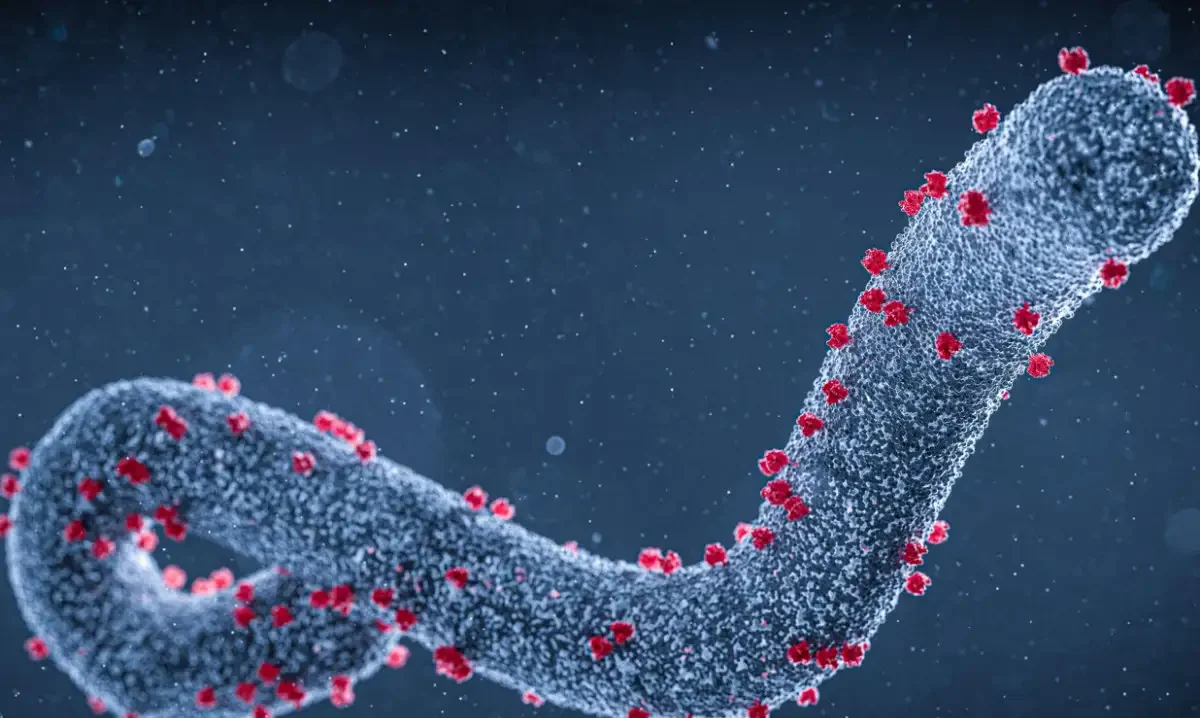
Imagine a virus so deadly that it kills up to 9 out of every 10 people it infects, causing severe bleeding, organ failure, and shock within days. This isn’t a plot from a horror movie—it’s Marburg virus disease, one of the most lethal infections known to humanity. Though rare, when Marburg appears, it creates fear and demands immediate action from health authorities worldwide.
Marburg virus disease (MVD) is a severe and often fatal illness in humans, belonging to the same family of viruses as Ebola. Both diseases cause what doctors call viral hemorrhagic fever, meaning they attack blood vessels and can cause severe internal and external bleeding. First identified in 1967 when laboratory workers in Marburg, Germany, and Belgrade, Serbia, fell ill after handling infected African green monkeys from Uganda, the disease has since caused several outbreaks across Africa.
From Fruit Bats to Humans: The Source of Infection
According to the World Health Organization, the natural host of the Marburg virus is the African fruit bat, specifically the Egyptian rousette bat (Rousettus aegyptiacus). These bats carry the virus without getting sick themselves, but they can pass it to humans through their bodily fluids.
The initial human infection typically occurs when people spend extended time in mines or caves inhabited by these fruit bat colonies. Miners, tourists visiting caves, and people who hunt bats for food face the highest risk of this initial infection. The virus can spread to humans through contact with bat droppings, urine, or saliva in these environments.
Once the virus enters the human population, it spreads from person to person through direct contact with the blood, secretions, organs, or other bodily fluids of infected people. Healthcare workers, family members caring for sick patients, and those handling the bodies of deceased victims face extreme risk of infection. The virus can also spread through contact with contaminated surfaces and materials, such as bedding and clothing soiled with bodily fluids.
The Devastating Symptoms
The incubation period for Marburg virus disease—the time between infection and the appearance of symptoms—ranges from 2 to 21 days. The illness begins suddenly with high fever, severe headache, and extreme discomfort. Many patients develop severe watery diarrhea, abdominal pain and cramping, nausea, and vomiting within the first few days.
By the third day, patients often develop a characteristic appearance that doctors describe as “ghost-like”—deeply sunken eyes, expressionless faces, and extreme lethargy. A non-itchy rash often appears on the chest, back, and stomach between days 2 and 7 of illness.
Between days 5 and 7, many patients begin hemorrhaging. Severe bleeding can occur from multiple sites, including the nose, gums, and injection sites. Blood may appear in vomit, feces, and urine. Women may experience heavy vaginal bleeding. This bleeding phase is particularly dangerous and often signals the beginning of the most critical period.
In fatal cases, death typically occurs 8 to 9 days after symptom onset, usually preceded by severe blood loss and shock. The case fatality rates for Marburg virus disease have varied from 24% to 88% in past outbreaks, depending on the virus strain and the quality of case management available.
No Specific Treatment, But Hope Exists
Currently, there are no approved antiviral treatments or vaccines specifically for Marburg virus disease. This makes the disease particularly frightening and challenging to manage. Treatment focuses on supportive care—maintaining the patient’s oxygen levels and blood pressure, replacing lost blood and fluids, and treating any complications that arise.
Healthcare workers treating Marburg patients must use strict infection prevention and control measures similar to those used for Ebola virus disease. This includes wearing full personal protective equipment (PPE) such as gowns, gloves, masks, and face shields, and carefully following protocols for handling contaminated materials.
The good news is that several experimental treatments and vaccine candidates are being developed and tested. Monoclonal antibodies, antiviral drugs, and vaccines that have shown promise against Ebola are being evaluated for their effectiveness against Marburg. Clinical trials continue, bringing hope that effective treatments may become available in the future.
Outbreaks That Shocked the World
Since its discovery in 1967, Marburg virus disease has caused sporadic outbreaks and isolated cases in several African countries. Some of the most significant outbreaks include:
- Angola (2004-2005): The largest and deadliest outbreak on record, with 252 cases and 227 deaths—a staggering 90% fatality rate.
- Democratic Republic of Congo (1998-2000): An outbreak linked to workers in a gold mine, with 154 cases.
- Uganda (2017): Several outbreaks, including one in 2017 that reminded the world of the virus’s persistent threat.
- Ghana (2022): The first outbreak in this West African nation, involving two cases.
- Equatorial Guinea and Tanzania (2023): Both countries reported outbreaks, demonstrating the virus’s continued activity across different regions of Africa.
These outbreaks share common features: they often start in remote areas, spread quickly among family members and healthcare workers, and require massive international response efforts to contain. Like malaria and other neglected tropical diseases, Marburg disproportionately affects resource-limited communities with weak health systems.
Preventing and Controlling Outbreaks
Prevention of Marburg virus disease is challenging because sporadic cases and outbreaks are relatively rare and unpredictable. However, several measures can reduce the risk:
Avoiding Bat Exposure: People should avoid entering bat-inhabited caves and mines, especially in areas where Marburg cases have occurred. Those who must enter such areas for work should wear protective equipment and avoid direct contact with bats or their excretions.
Infection Control in Healthcare: Hospitals and clinics must maintain strict infection prevention protocols. Healthcare workers should always assume that patients with symptoms compatible with viral hemorrhagic fever might have Marburg or a similar disease, especially in areas where these viruses circulate.
Safe Burial Practices: The bodies of people who have died from Marburg remain highly infectious. Trained personnel wearing full protective equipment should handle burials promptly and safely, following WHO guidelines for safe and dignified burials.
Community Engagement: During outbreaks, educating communities about how the disease spreads and how to protect themselves is crucial. People must understand the importance of seeking medical care early, avoiding contact with infected individuals’ bodily fluids, and supporting rather than stigmatizing affected families.
Contact Tracing: When cases occur, health authorities must quickly identify and monitor everyone who had contact with infected individuals. These contacts should be monitored for 21 days for any signs of illness.
Global Preparedness and Response
The WHO coordinates international responses to Marburg outbreaks, providing technical expertise, mobilizing resources, and supporting affected countries. During outbreaks, teams of epidemiologists, clinicians, and laboratory experts deploy rapidly to help contain the spread.
Research institutions worldwide are working to better understand the Marburg virus, develop diagnostic tests that provide faster results, and create effective treatments and vaccines. The lessons learned from fighting Ebola have proven valuable in responding to Marburg outbreaks.
Living with the Threat
While Marburg virus disease remains rare, its high fatality rate and potential for person-to-person transmission make it a serious public health concern. The virus reminds us that dangerous pathogens exist in nature, sometimes emerging unexpectedly to threaten human populations.
The key to managing Marburg lies in strong surveillance systems that can detect cases early, well-equipped and trained healthcare workers who can provide supportive care while protecting themselves, and informed communities that understand how to prevent transmission.
As climate change and human activities bring people into closer contact with wildlife habitats, the risk of zoonotic diseases—those that jump from animals to humans—may increase. Preparing for and responding to threats like Marburg virus disease requires global cooperation, sustained investment in public health infrastructure, and continued research into new medical countermeasures.
Though frightening, Marburg virus disease can be controlled when detected early and managed properly. With each outbreak, we learn more about this deadly virus and become better prepared to protect human lives. The ongoing work of scientists, healthcare workers, and public health officials worldwide gives hope that we can minimize the impact of future Marburg outbreaks and perhaps one day eliminate this threat entirely.
Frequently Asked Questions (FAQs)
Marburg virus and Ebola virus belong to the same family (Filoviridae) and cause very similar diseases with comparable symptoms, transmission methods, and fatality rates. The main differences are that they are caused by different viruses, and Marburg was discovered first in 1967, while Ebola was identified in 1976. Clinically, doctors cannot distinguish between the two diseases based on symptoms alone—laboratory tests are needed for definitive diagnosis.
No, Marburg virus is not contagious during the incubation period before symptoms appear. People only become infectious once they develop symptoms. However, the virus remains in certain body fluids (such as semen) for weeks after recovery, so survivors should take precautions to avoid transmitting the virus through sexual contact for several months after recovery.
Generally, yes. Marburg outbreaks are typically localized to specific areas, and the risk to travelers is extremely low if basic precautions are followed. Travelers should avoid visiting caves or mines inhabited by fruit bat colonies, avoid contact with sick people or their bodily fluids, and follow local health advisories. Most countries experiencing outbreaks implement containment measures quickly, making the risk to visitors minimal.
Developing vaccines and treatments for rare diseases like Marburg is challenging for several reasons. Outbreaks are sporadic and unpredictable, making it difficult to conduct large clinical trials. The virus is extremely dangerous to work with, requiring maximum biosafety level (BSL-4) laboratories. Additionally, pharmaceutical companies have limited financial incentive to invest in treatments for diseases that affect relatively few people. However, recent Ebola research has accelerated Marburg vaccine development, with several candidates now in various stages of testing.
No, and this would not be advisable. Fruit bats play crucial ecological roles, including pollinating plants and dispersing seeds that maintain forest ecosystems. Eliminating bat populations could have devastating environmental consequences. Instead, prevention focuses on reducing human contact with bats and their habitats, educating people about risks, implementing protective measures in mines and caves, and maintaining strong disease surveillance systems to detect and respond to cases quickly.
References
- World Health Organization. (2024). Marburg virus disease. Retrieved from https://www.who.int/health-topics/marburg-virus-disease
- World Health Organization. (2024). Marburg virus disease – Fact Sheet. Retrieved from https://www.who.int/news-room/fact-sheets/detail/marburg-virus-disease
- World Health Organization. (2024). Disease Outbreak News. Retrieved from https://www.who.int/emergencies/disease-outbreak-news
- World Health Organization. Safe and dignified burial guidelines. Retrieved from https://www.who.int/publications/i/item/WHO-EVD-GUIDANCE-15.1
- World Health Organization. Infection prevention and control standards. Retrieved from https://www.who.int/teams/health-product-policy-and-standards/standards-and-specifications/norms-and-standards-for-medical-devices/medical-device-technical-series/infection-prevention-and-control
Disclaimer: This article is an adaptation of publicly available information from WHO’s Marburg Virus Disease health topic page (WHO, Geneva. Licence: CC BYNC-SA 3.0 IGO). WHO is not responsible for the
content or accuracy of this adaptation. This content is for informational and educational purposes
only and does not constitute medical advice. ObserverVoice.com is a news and information platform
— not a healthcare provider.
Observer Voice is the one stop site for National, International news, Sports, Editor’s Choice, Art/culture contents, Quotes and much more. We also cover historical contents. Historical contents includes World History, Indian History, and what happened today. The website also covers Entertainment across the India and World.

