

Intussusception: The Bowel Obstruction Emergency That Primarily Strikes Infants

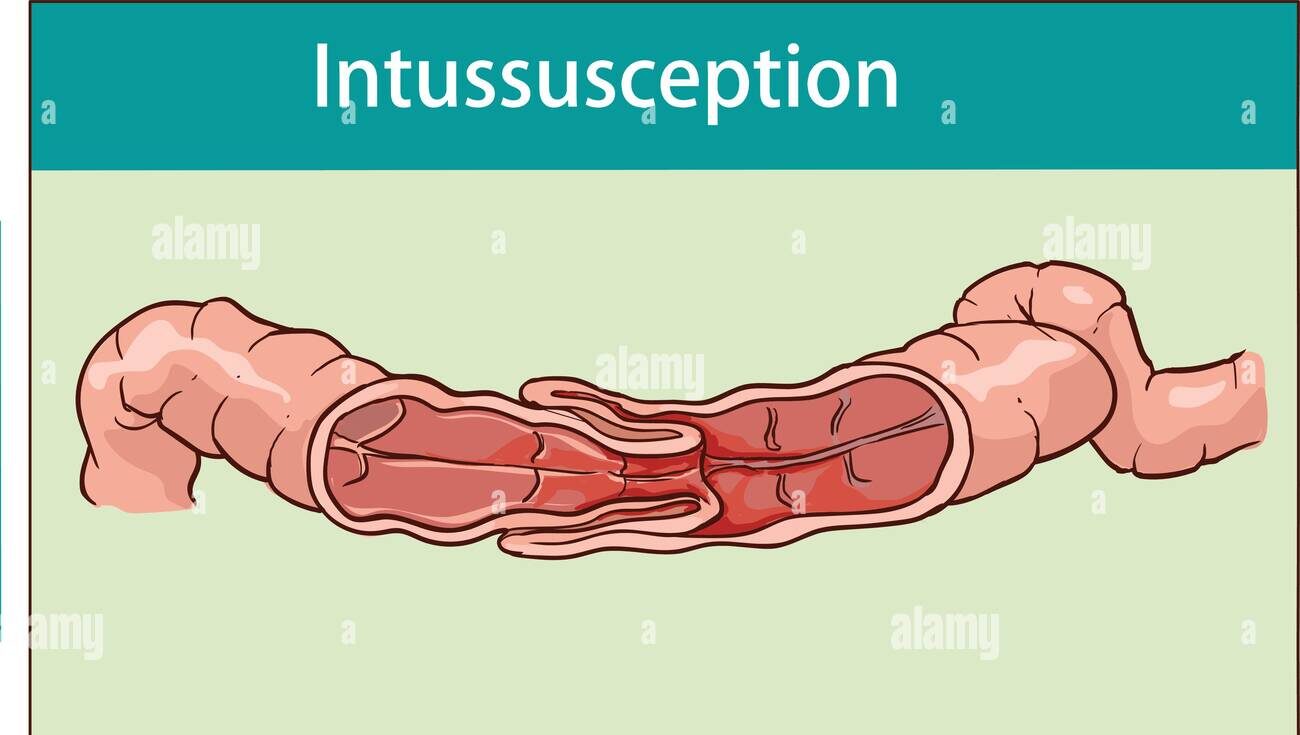
Intussusception happens when part of the intestine slides into an adjacent section. Imagine a telescope collapsing into itself; this image helps explain the condition. This folding blocks normal movement of food and fluid through the bowel.
This condition represents a true medical emergency requiring prompt treatment. Without quick intervention, blocked intestine can lose its blood supply entirely. This makes recognizing symptoms early absolutely critical for infant safety.
Why Infants Face the Highest Risk
Intussusception most commonly affects infants between six months and two years old. Their intestines are still developing, making this folding more likely to occur. Boys appear to develop this condition slightly more often than girls.
What Causes Intussusception
In most infant cases, doctors can’t identify one specific cause. However, swollen lymph nodes in the intestine sometimes trigger this folding. These swollen nodes can act as a leading point, pulling intestine inward.
Viral infections frequently precede intussusception in many infants. This connection suggests recent illness may contribute to intestinal swelling. In older children, underlying structural abnormalities occasionally serve as a triggering cause instead.
The Role of Recent Viral Illness
Many infants develop intussusception shortly after a viral infection, like a stomach bug. This pattern suggests inflammation from illness might trigger the folding process. Researchers continue studying this connection more thoroughly.
Why Older Children Sometimes Have Different Causes
When intussusception occurs in children older than three, doctors investigate further. Structural abnormalities, like intestinal polyps, sometimes explain these less typical cases. This difference highlights why age influences diagnostic evaluation.
Recognizing the Warning Signs
Sudden, severe abdominal pain represents the hallmark symptom of intussusception. Infants often cry intensely, pulling their knees toward their chest. This pain frequently comes and goes in repeated episodes.
Vomiting commonly accompanies these painful episodes. Many infants also pass stool resembling red currant jelly, indicating bleeding. Lethargy between painful episodes can also develop as the condition progresses.
Why the “Currant Jelly” Stool Matters So Much
This distinctive stool appearance results from blood mixed with mucus in the bowel. It represents a significant warning sign of intussusception specifically. Parents noticing this symptom should seek emergency care immediately.
When to Seek Emergency Care Immediately
Any combination of severe abdominal pain, vomiting, and unusual stool requires urgent evaluation. Don’t wait to see if symptoms improve independently. Time matters significantly in preventing serious bowel complications.
How Doctors Diagnose Intussusception
Diagnosis typically begins with a thorough physical examination of the abdomen. Doctors often feel a distinct mass indicating the folded intestine section. This finding strongly suggests intussusception, prompting immediate further testing.
An ultrasound usually confirms the diagnosis quickly and accurately. This imaging clearly shows the telescoped section of intestine. Given the urgency, diagnosis and treatment often happen within the same emergency visit.
Why Ultrasound Remains the Preferred Diagnostic Tool
Ultrasound provides fast, accurate, radiation-free imaging for diagnosing intussusception. This makes it ideal for use in infants specifically. Quick diagnosis through ultrasound allows for immediate treatment planning.
Treatment Options for Intussusception
Treatment typically begins with a procedure called an air or contrast enema. This non-surgical approach uses gentle pressure to push the intestine back into place. Many cases resolve successfully through this relatively simple procedure.
If the enema doesn’t work, or complications develop, surgery becomes necessary. Surgeons manually reposition the intestine during this procedure. In severe cases involving tissue damage, removing the affected bowel section may become necessary.
Why Enema Treatment Often Works Successfully
This procedure uses controlled pressure to gently unfold the telescoped intestine. It’s minimally invasive and avoids surgery in most straightforward cases. Success rates remain quite high when treatment begins promptly.
When Surgery Becomes the Necessary Option
Surgery becomes necessary if the enema fails or signs of tissue damage appear. Surgeons carefully assess intestinal health during this procedure. Quick surgical intervention prevents more serious complications from developing further.
Recovery After Treatment
Most infants recover quickly following successful enema treatment. They typically resume normal feeding within a day or so afterward. Doctors monitor closely to ensure the intestine doesn’t fold again unexpectedly.
Recovery following surgery generally takes slightly longer. Hospital monitoring continues until normal bowel function clearly returns. Most children recover completely without any lasting digestive complications.
Final Thoughts on Intussusception
Intussusception represents a frightening but highly treatable infant emergency. Recognizing warning signs early significantly improves treatment success and outcomes. Quick action truly makes all the difference for affected infants.
If your infant shows sudden, severe abdominal pain or unusual stool, seek emergency care immediately. Don’t wait to see if symptoms resolve independently. With prompt treatment, most infants recover completely and quickly from this condition.
Frequently Asked Questions
Can intussusception happen more than once?
Yes, intussusception can recur, even after successful treatment. Doctors monitor infants closely following initial treatment for this reason. Recurrence rates remain relatively low but warrant continued parental awareness.
Is intussusception always an emergency?
Yes, intussusception always requires prompt emergency evaluation and treatment. Delayed treatment risks serious complications, including bowel tissue damage. Quick recognition and action remain absolutely essential.
Can older children and adults develop intussusception?
Yes, though it’s far less common, older children and adults can develop intussusception. In these cases, doctors often investigate underlying structural causes more thoroughly. Treatment approaches remain similar regardless of age.
Does intussusception cause lasting digestive problems?
Most infants recover completely without lasting digestive complications after prompt treatment. Delayed treatment, however, increases the risk of bowel damage requiring surgical removal. Quick intervention significantly improves long-term digestive outcomes.
How quickly should I seek help if I suspect intussusception?
You should seek emergency care immediately if you suspect intussusception. Time significantly affects treatment success and reduces complication risk. Don’t wait or attempt to manage these symptoms at home.
Disclaimer:
This article is for informational purposes only and does not replace professional medical advice. Please consult a qualified healthcare provider for diagnosis and treatment.
References:
- The small intestine constitutes remarkable real estate in the digestive system
- Malnutrition affects over 2 billion people worldwide, and the burden is felt disproportionately by people in low- and middle-income countries.
- Tubes with a downward-facing helix allowed water to flow two to three times faster than those with an upward orientation.
Observer Voice is the one stop site for National, International news, Sports, Editor’s Choice, Art/culture contents, Quotes and much more. We also cover historical contents. Historical contents includes World History, Indian History, and what happened today. The website also covers Entertainment across the India and World.

