

Heart Failure: The Difference Between HFrEF and HFpEF — and Why It Matters

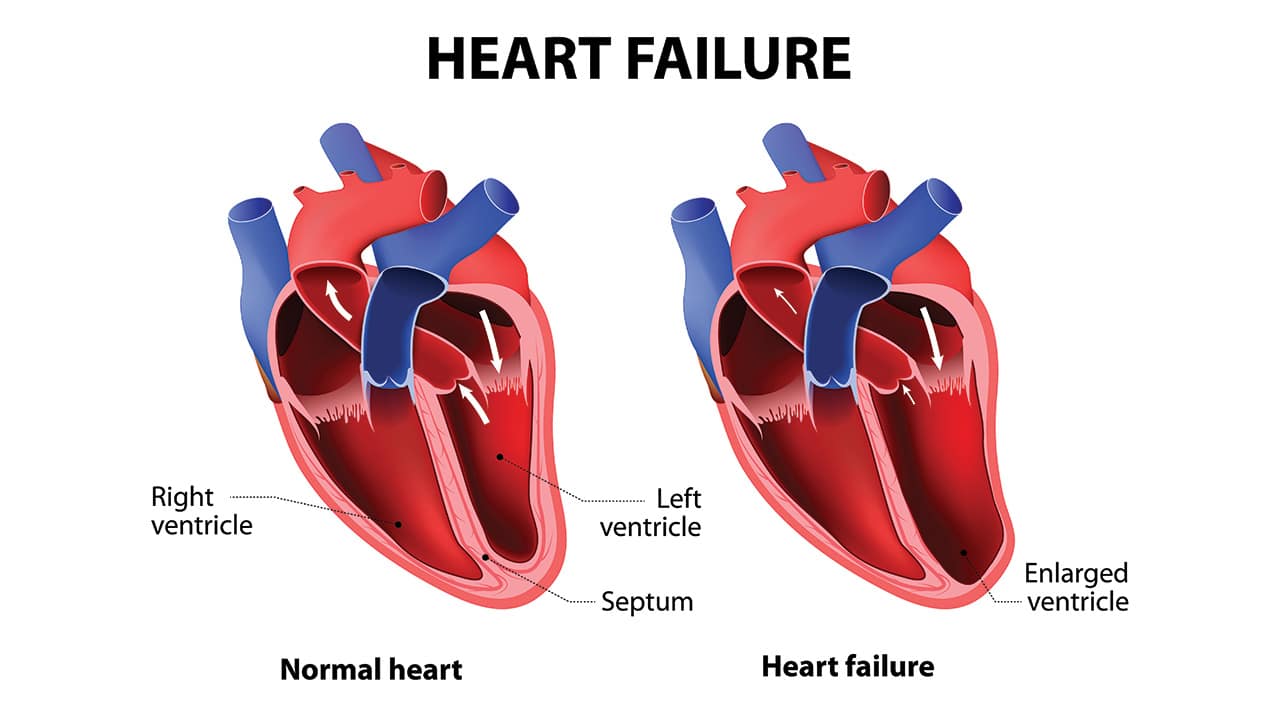
Heart failure is one of the most common and serious cardiovascular conditions worldwide, affecting over 64 million people globally according to the World Heart Federation. Yet many people, including some outside specialist cardiology, do not realise that heart failure is not a single uniform disease. Two fundamentally different types exist, each with distinct mechanisms, causes, patient profiles, and treatment approaches.
HFrEF, heart failure with reduced ejection fraction, and HFpEF, heart failure with preserved ejection fraction, share the same symptoms but differ profoundly in their underlying biology. Getting this distinction right is not merely an academic exercise. It determines which treatments can genuinely save lives and which provide no benefit or even cause harm. Understanding both types empowers patients and their families to engage more meaningfully with their care and ask the right questions.
What Is Heart Failure?
Heart failure does not mean the heart has stopped beating. Rather, it means the heart can no longer pump blood efficiently enough to meet the body’s demands. This inadequacy causes blood to back up in the lungs and body, leading to the characteristic symptoms of breathlessness, fatigue, and fluid accumulation.
The heart has two main pumping chambers called ventricles. The left ventricle does the heaviest work, pumping oxygen-rich blood to the entire body. Most forms of heart failure primarily involve left ventricular dysfunction, though right ventricular failure and biventricular failure also occur.
Ejection Fraction: The Key Measurement
Ejection fraction is the percentage of blood the left ventricle pumps out with each heartbeat. A normal ejection fraction ranges from 55 to 70 percent. This measurement sits at the centre of heart failure classification because it reveals whether the heart is failing due to a weakened squeeze or due to abnormal stiffness.
Echocardiography, an ultrasound scan of the heart, measures ejection fraction accurately and non-invasively. This single measurement fundamentally determines which heart failure type a person has and therefore which treatments offer genuine benefit.
Understanding HFrEF
HFrEF stands for heart failure with reduced ejection fraction. Doctors diagnose this type when the left ventricular ejection fraction falls below 40 percent. The heart muscle weakens, dilates, and loses its ability to contract forcefully enough to pump adequate blood volumes with each beat.
HFrEF is often called systolic heart failure because the problem lies in the systolic phase, the active contraction phase of the cardiac cycle. The heart enlarges as it tries to compensate for reduced pumping efficiency, creating the classic dilated appearance on echocardiography.
Common Causes of HFrEF
Coronary artery disease and previous heart attacks represent the most common causes of HFrEF. When a heart attack damages a section of heart muscle, that area loses its contractile function permanently. Sufficient damage accumulates to impair overall pumping capacity significantly.
Dilated cardiomyopathy, a condition where the heart muscle weakens and enlarges without a prior heart attack, causes HFrEF through viral infections, genetic mutations, alcohol excess, chemotherapy toxicity, and other mechanisms. Poorly controlled hypertension over many years eventually exhausts the heart muscle, contributing to HFrEF development.
How HFrEF Damages the Body
In HFrEF, the weakened heart pumps less blood per beat. The body responds by activating compensatory neurohormonal systems, particularly the renin-angiotensin-aldosterone system (RAAS) and the sympathetic nervous system. These systems increase heart rate, constrict blood vessels, and retain sodium and water to maintain blood pressure.
Initially helpful, these compensatory responses ultimately accelerate heart muscle damage further, creating a self-perpetuating cycle of deterioration. This neurohormonal activation is the biological target of the most effective HFrEF treatments.
Understanding HFpEF
HFpEF stands for heart failure with preserved ejection fraction. In this type, the ejection fraction remains at or above 50 percent, meaning the heart pumps normally in terms of the proportion of blood ejected. The problem lies not in the squeeze but in the filling.
The left ventricle becomes abnormally stiff and cannot relax properly during diastole, the filling phase between heartbeats. This stiffness forces higher pressures to fill the ventricle adequately, which backs up into the lungs and causes breathlessness despite a technically normal ejection fraction.
Why HFpEF Is Called Diastolic Heart Failure
HFpEF is often called diastolic heart failure because the diastolic, or relaxation and filling, phase of the cardiac cycle is primarily affected. The heart muscle thickens rather than dilating, a process called concentric hypertrophy. This thickened muscle becomes less compliant, meaning it resists stretching and filling with blood.
An intermediate category called HFmrEF, heart failure with mildly reduced ejection fraction, has emerged in recent guidelines for cases where ejection fraction falls between 40 and 49 percent. This middle group shares features with both HFrEF and HFpEF and increasingly receives treatment approaches from both categories.
Common Causes of HFpEF
Hypertension is the dominant driver of HFpEF, causing the pressure overload that triggers ventricular wall thickening over years. Obesity, type 2 diabetes, atrial fibrillation, chronic kidney disease, and ageing all significantly contribute to HFpEF development.
HFpEF predominantly affects older adults, particularly older women. The confluence of hypertension, metabolic syndrome, and age-related changes in cardiac collagen and muscle stiffness creates the biological environment in which HFpEF thrives.
The Complexity of HFpEF Biology
HFpEF is considerably more biologically complex than HFrEF. Rather than a single dominant mechanism, HFpEF involves a combination of ventricular stiffness, impaired cardiac relaxation, microvascular dysfunction, systemic inflammation, and metabolic disturbances working simultaneously.
This complexity explains why finding effective drug treatments for HFpEF has proved so much more challenging than for HFrEF. Many medications that clearly save lives in HFrEF have shown disappointing results in clinical trials specifically targeting HFpEF.
Key Differences Between HFrEF and HFpEF
Understanding the contrasts between these two types clarifies why their management differs so substantially despite producing similar symptoms.
Patient Profiles
HFrEF more commonly affects younger to middle-aged men with a history of coronary artery disease, prior heart attacks, or cardiomyopathy. The heart appears large and dilated on echocardiography, with clearly impaired contractile function.
HFpEF more commonly affects older women with hypertension, obesity, diabetes, and metabolic syndrome. The heart may appear normal-sized or even thickened on echocardiography, with preserved contraction but impaired relaxation. This demographic difference reflects the distinct biological drivers of each type.
Symptoms: Similar Yet Different
Both HFrEF and HFpEF produce breathlessness, fatigue, reduced exercise tolerance, and fluid retention causing leg swelling. However, subtle differences exist in how symptoms manifest.
People with HFpEF often experience breathlessness that develops particularly rapidly during exertion and resolves relatively quickly at rest. They frequently have worse exercise intolerance relative to their measured heart function, reflecting the role of skeletal muscle changes, pulmonary hypertension, and other systemic factors beyond the heart itself.
Prognosis Comparison
Both types carry significant mortality. Historically, HFrEF carried worse short-term prognosis, but effective disease-modifying treatments have dramatically improved survival in HFrEF over recent decades. HFpEF mortality remains stubbornly high because fewer proven life-saving therapies exist.
Hospitalisation rates for acute decompensation are similarly high for both types, and repeated hospitalisations drive much of the morbidity and healthcare burden of heart failure overall.
Diagnosing HFrEF and HFpEF
Accurate diagnosis requires combining clinical assessment, biomarkers, and imaging to confirm heart failure type and guide appropriate treatment.
Clinical Assessment
Diagnosing heart failure begins with a thorough clinical history and physical examination. Breathlessness on exertion, orthopnoea meaning breathlessness when lying flat, paroxysmal nocturnal dyspnoea meaning sudden breathlessness at night, ankle swelling, and fatigue all suggest heart failure. Physical signs include elevated jugular venous pressure, peripheral oedema, and basal lung crackles.
However, these symptoms and signs overlap with many other conditions. Objective confirmation through biomarkers and imaging is always necessary.
BNP and NT-proBNP Biomarkers
Brain natriuretic peptide (BNP) and its precursor fragment NT-proBNP are proteins released by the heart muscle under stress. Elevated blood levels indicate elevated cardiac filling pressures and support heart failure diagnosis. These biomarkers are particularly valuable for distinguishing cardiac breathlessness from breathlessness caused by lung disease in ambiguous presentations.
BNP and NT-proBNP levels also guide treatment intensity and monitor therapy response in both HFrEF and HFpEF. Very high levels at presentation correlate with worse outcomes.
Echocardiography
Echocardiography is the cornerstone of heart failure type differentiation. It measures ejection fraction directly, allowing immediate classification into HFrEF, HFmrEF, or HFpEF. Beyond ejection fraction, echocardiography assesses valve function, wall thickness, wall motion abnormalities, diastolic function parameters, and right ventricular function.
Diastolic function grading through echocardiography provides direct evidence of impaired relaxation in HFpEF, supporting the diagnosis when ejection fraction is preserved but symptoms clearly suggest heart failure.
Additional Investigations
Electrocardiography detects rhythm abnormalities, left ventricular hypertrophy, and evidence of prior heart attacks. Chest X-ray reveals cardiomegaly, pulmonary congestion, and pleural effusions. Coronary angiography evaluates for coronary artery disease as an underlying cause in appropriate cases.
Cardiac MRI provides unparalleled assessment of myocardial structure, function, fibrosis, and scar tissue when echocardiography provides insufficient information, particularly in cardiomyopathy evaluation.
Treating HFrEF: Disease-Modifying Therapies
HFrEF treatment has been transformed by multiple classes of medications proven to reduce mortality and hospitalisation in large clinical trials.
The Four Pillars of HFrEF Treatment
Contemporary guidelines describe four foundational medication classes for HFrEF, often called the four pillars. Together, these medications address the neurohormonal activation driving HFrEF progression most effectively.
ACE inhibitors or ARNIs, meaning angiotensin receptor-neprilysin inhibitors, block the RAAS system and reduce cardiac workload. Beta-blockers slow heart rate, reduce sympathetic nervous system activation, and allow the heart muscle to recover contractile function over time. Mineralocorticoid receptor antagonists including spironolactone block the harmful effects of aldosterone on the heart and kidneys. SGLT2 inhibitors, originally diabetes medications, reduce hospitalisation and mortality in HFrEF through mechanisms that include reducing cardiac preload and afterload.
ARNI Therapy
Sacubitril-valsartan, the leading ARNI, has replaced ACE inhibitors as the preferred first-line RAAS therapy in HFrEF for most patients. The PARADIGM-HF trial demonstrated superior mortality reduction with sacubitril-valsartan compared to enalapril, an ACE inhibitor. Current guidelines recommend ARNI for all eligible HFrEF patients who can tolerate it.
Switching patients from ACE inhibitors to ARNI therapy, where tolerated, represents an important quality-of-care opportunity in contemporary HFrEF management.
Device Therapy in HFrEF
Beyond medications, device therapies play a crucial role in selected HFrEF patients. Implantable cardioverter-defibrillators (ICDs) prevent sudden cardiac death from ventricular arrhythmias in patients with severely reduced ejection fraction. Cardiac resynchronisation therapy (CRT) uses specialised pacemakers to coordinate left and right ventricular contractions, improving pump efficiency and reducing symptoms in patients with electrical conduction abnormalities.
Left ventricular assist devices (LVADs) provide mechanical circulatory support in end-stage HFrEF, either as a bridge to transplantation or as a destination therapy in those not eligible for transplantation.
Cardiac Transplantation
Heart transplantation offers the most definitive treatment for end-stage HFrEF in appropriately selected patients. Transplantation provides excellent long-term survival and quality of life improvements. However, donor organ availability severely limits access, and careful patient selection ensures limited organs benefit those most likely to achieve optimal outcomes.
Treating HFpEF: A More Challenging Landscape
HFpEF treatment has historically been less evidence-based than HFrEF management, reflecting the difficulty of identifying effective disease-modifying therapies for this complex condition.
Symptom Management as the Historical Foundation
Until recently, HFpEF management focused primarily on symptom control and addressing underlying risk factors rather than on proven mortality-reducing therapies. Diuretics relieve congestion and oedema, improving breathlessness and exercise tolerance. Blood pressure control, diabetes management, weight reduction, and treating atrial fibrillation all address the drivers of ventricular stiffness.
This symptom-focused approach remained the standard of care for many years, as multiple clinical trials of medications proven effective in HFrEF showed neutral or harmful results when tested specifically in HFpEF.
SGLT2 Inhibitors: A Breakthrough for HFpEF
SGLT2 inhibitors have emerged as the first medication class demonstrating clear benefit in HFpEF. The EMPEROR-Preserved and DELIVER trials showed that empagliflozin and dapagliflozin respectively reduced hospitalisations for heart failure in patients with HFpEF. These results represented a landmark shift in HFpEF management.
Current guidelines now recommend SGLT2 inhibitors for HFpEF patients across the ejection fraction spectrum, marking the most significant therapeutic advance in HFpEF management to date.
Treating HFpEF Risk Factors Aggressively
Aggressive management of hypertension, obesity, diabetes, and atrial fibrillation forms the cornerstone of HFpEF risk factor treatment. Blood pressure targets in HFpEF aim below 130/80 mmHg. Weight loss in obese patients with HFpEF improves exercise capacity, quality of life, and symptom burden meaningfully.
Treating atrial fibrillation, which occurs very commonly alongside HFpEF, reduces symptoms and prevents the haemodynamic deterioration that atrial fibrillation imposes on the already stiff, poorly filling ventricle.
Emerging Therapies for HFpEF
Several emerging therapies are under active investigation for HFpEF. Finerenone, a novel mineralocorticoid receptor antagonist with anti-inflammatory properties, shows promise. GLP-1 receptor agonists, including semaglutide, have demonstrated significant improvements in exercise capacity and quality of life in obese HFpEF patients.
The recognition that HFpEF is a heterogeneous syndrome, meaning it encompasses multiple distinct subtypes with different dominant mechanisms, is driving more personalised treatment approaches in clinical trials and specialist practice.
Why the Distinction Between HFrEF and HFpEF Matters
The practical consequences of correctly identifying heart failure type extend directly into treatment decisions that affect survival and quality of life.
Different Treatments, Different Outcomes
ACE inhibitors, ARNIs, beta-blockers, and aldosterone antagonists reduce mortality substantially in HFrEF. Clinical trials testing these same medications in HFpEF have consistently failed to show mortality benefit. Prescribing them for HFpEF on the basis of apparent similarity to HFrEF fails patients and represents suboptimal care.
Conversely, SGLT2 inhibitors now carry strong evidence for both types, unifying one aspect of treatment while the differences in other medication classes remain clinically important.
Preventing Misdiagnosis
Without accurate ejection fraction measurement, clinicians cannot reliably distinguish HFrEF from HFpEF on clinical grounds alone. A person with HFpEF misclassified as HFrEF may receive medications providing no benefit while missing risk factor management strategies that genuinely improve their outcomes.
Ensuring that every person diagnosed with heart failure receives echocardiography and ejection fraction measurement is therefore not merely a box-ticking exercise. It is a fundamental quality-of-care requirement.
Living With Heart Failure
Managing heart failure long-term requires sustained engagement with medications, lifestyle, monitoring, and emotional wellbeing.
Self-Monitoring and Daily Weight
Daily weight monitoring allows early detection of fluid retention before symptoms worsen significantly. A weight gain of two kilograms or more within two to three days signals fluid accumulation requiring prompt medication adjustment or medical review. Clinicians teach people with heart failure to monitor and record their daily weight as a standard self-management strategy.
Recognising and responding promptly to worsening symptoms, including increased breathlessness, ankle swelling, or reduced exercise tolerance, helps prevent hospitalisations.
Dietary and Lifestyle Strategies
Sodium restriction reduces fluid retention and eases the heart’s workload in both HFrEF and HFpEF. Most guidelines recommend limiting sodium intake to under two grams daily for people with heart failure. Fluid restriction may be appropriate in those with severe fluid overload.
Regular moderate physical activity, guided by cardiac rehabilitation programmes, improves exercise capacity, reduces symptoms, and enhances quality of life in both heart failure types. Smoking cessation and alcohol limitation both reduce further myocardial damage.
Psychological Impact
Depression and anxiety are profoundly common in heart failure, affecting up to 40 percent of people with the condition. These mental health conditions worsen physical outcomes, reduce medication adherence, and impair quality of life independently of physical disease severity. Access to psychological support, cardiac rehabilitation, and peer support groups all contribute to better holistic outcomes.
Frequently Asked Questions
What is the difference between HFrEF and HFpEF?
HFrEF is heart failure caused by a weakened heart muscle that cannot squeeze forcefully enough, producing a low ejection fraction below 40 percent. HFpEF involves a stiff heart muscle that cannot relax and fill properly, despite a normal or preserved ejection fraction above 50 percent. Both types cause similar symptoms but differ fundamentally in their underlying mechanisms, patient profiles, and treatment approaches.
Which type of heart failure is more dangerous?
Both types carry significant risks. HFrEF historically showed worse short-term survival, but proven life-saving medications have dramatically improved outcomes in recent decades. HFpEF remains challenging because fewer mortality-reducing treatments exist, keeping long-term outcomes stubbornly poor despite apparently preserved pump function. Overall, both types require serious, active management to reduce hospitalisation and mortality risk.
Can HFrEF improve with treatment?
Yes, meaningfully. With the four-pillar medication approach, including ARNI, beta-blocker, mineralocorticoid receptor antagonist, and SGLT2 inhibitor, some people with HFrEF experience significant recovery of ejection fraction, a phenomenon called reverse remodelling. Device therapy including cardiac resynchronisation therapy also improves ejection fraction in appropriate candidates. Early initiation of all guideline-directed therapies maximises the chance of cardiac recovery.
How is heart failure diagnosed?
Heart failure diagnosis combines clinical assessment of symptoms and signs, blood BNP or NT-proBNP measurement, and echocardiography. Echocardiography measures ejection fraction directly and differentiates HFrEF from HFpEF. Additional investigations including electrocardiography, chest X-ray, and coronary angiography identify underlying causes and complications. All people with suspected heart failure should receive echocardiography promptly.
Can people live a normal life with heart failure?
Many people with well-managed heart failure live active, fulfilling lives for many years. Adherence to medications, regular monitoring, lifestyle modifications, and cardiac rehabilitation all improve functional capacity and quality of life substantially. While heart failure is a serious chronic condition requiring lifelong management, modern treatments mean that many people experience fewer symptoms, better exercise tolerance, and reduced hospitalisation rates compared to previous decades.
What lifestyle changes help heart failure?
Consistent lifestyle modifications significantly improve heart failure outcomes alongside medication. Daily weight monitoring, sodium restriction, moderate regular exercise through cardiac rehabilitation, smoking cessation, alcohol limitation, and maintaining a healthy weight all contribute meaningfully. Managing coexisting conditions including hypertension, diabetes, and sleep apnea is particularly important in HFpEF, where these conditions directly drive disease progression.
Disclaimer:
This article is for informational purposes only and does not constitute medical advice. Always consult a qualified healthcare professional for diagnosis, treatment, or medical guidance related to any health condition.
References:
-
Recognizing Marfan Syndrome: Clinical Presentations and Diagnostic Challenges
- Powerful Solar Eruption: NOAA Issues Storm Watch
- Coronal mass ejections are colossal bubbles of charged particles that can weigh up to a trillion kilograms and travel at speeds reaching 3,000 kilometers per second.
Observer Voice is the one stop site for National, International news, Sports, Editor’s Choice, Art/culture contents, Quotes and much more. We also cover historical contents. Historical contents includes World History, Indian History, and what happened today. The website also covers Entertainment across the India and World.

