

Cat Scratch Disease (Bartonellosis): What a Simple Scratch Can Cause

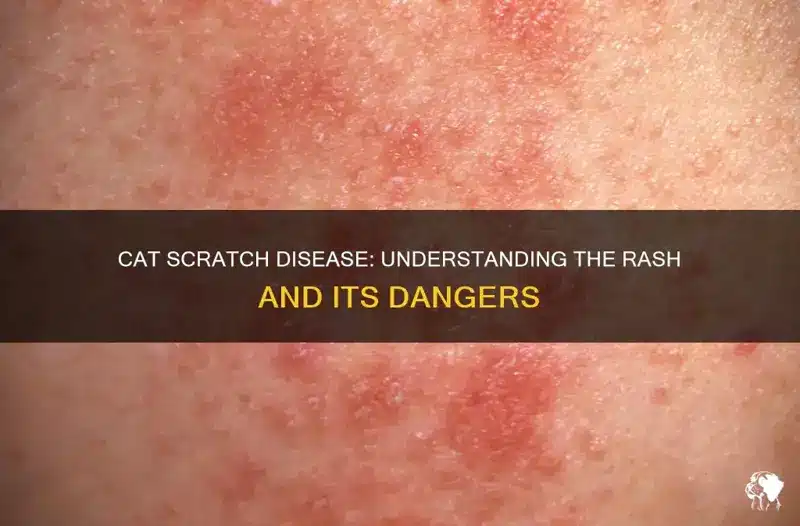
Cat scratch disease, also called bartonellosis, develops after contact with an infected cat. A simple scratch or bite can introduce bacteria into your skin. Most cases remain mild, though some develop more concerning complications.
This infection particularly affects children and young adults more frequently. Cats themselves usually show no obvious signs of carrying this bacteria. Understanding this hidden risk helps explain why awareness matters for pet owners.
Why Cats Often Show No Symptoms
Most infected cats appear completely healthy despite carrying the responsible bacteria. This bacteria, called Bartonella henselae, doesn’t typically make cats visibly ill. This silent carriage explains why scratches from seemingly healthy cats still pose risk.
How Cat Scratch Disease Spreads
Fleas play a crucial role in spreading this bacteria between cats. Cats become infected when flea droppings enter small skin wounds. The bacteria then live in the cat’s bloodstream without causing obvious illness.
Humans typically get infected through a scratch, bite, or contact with cat saliva on broken skin. Kittens carry and transmit this bacteria more frequently than older cats. This pattern explains why young cats pose somewhat higher transmission risk.
Why Kittens Carry Higher Risk
Young kittens more frequently harbor active Bartonella infection in their bloodstream. They also tend to be more playful, increasing scratch and bite likelihood. This combination explains kittens’ association with higher transmission risk specifically.
The Role of Fleas in Transmission
Fleas essentially maintain this bacteria’s presence within cat populations continuously. Controlling fleas on pet cats significantly reduces this underlying infection risk. This connection highlights why flea prevention matters beyond just pet comfort.
Recognizing the Symptoms
A small, raised bump often develops at the scratch or bite site initially. This bump can resemble an insect bite, easily overlooked at first. Within days to weeks, more noticeable symptoms typically follow.
Swollen, tender lymph nodes near the scratch site represent the hallmark symptom. These swollen nodes often appear under the arm or in the groin area. Fever, fatigue, and reduced appetite frequently accompany this lymph node swelling too.
Why Lymph Node Swelling Becomes the Key Clue
Swollen lymph nodes specifically near a recent cat scratch strongly suggest this diagnosis. This pattern helps doctors distinguish cat scratch disease from other infections. Recognizing this connection often speeds up appropriate diagnosis significantly.
Less Common but Important Symptoms
In rare cases, infection can spread beyond the lymph nodes more seriously. This might cause eye inflammation, joint pain, or even neurological symptoms. These complications, while uncommon, warrant prompt medical attention when they occur.
How Doctors Diagnose Cat Scratch Disease
Diagnosis typically begins with a detailed history, including recent cat exposure. Doctors examine the scratch site and check for swollen lymph nodes nearby. This combination often provides strong initial diagnostic clues.
Blood tests can confirm Bartonella infection through specific antibody detection. In some cases, doctors may sample fluid from an affected lymph node. Combining these results with symptom history confirms diagnosis accurately.
Why Cat Exposure History Guides Diagnosis
Without mentioning recent cat contact, doctors might not initially suspect this specific infection. Sharing details about scratches or bites helps guide appropriate testing decisions. This information often proves essential for reaching accurate diagnosis efficiently.
Treatment Options for Cat Scratch Disease
Many mild cases resolve naturally without specific antibiotic treatment. Lymph node swelling typically improves gradually over several weeks regardless. Supportive care, including rest and pain relief, often suffices for these cases.
For more severe or persistent cases, doctors may prescribe antibiotics. Azithromycin remains a commonly used antibiotic for this particular infection. Treatment becomes especially important when complications beyond simple lymph node swelling develop.
Why Some Cases Need Antibiotics While Others Don’t
Mild, uncomplicated cases often resolve through the body’s natural immune response alone. More severe cases, however, particularly with complications, benefit significantly from antibiotic treatment. This distinction helps doctors tailor treatment appropriately for each patient.
Managing Symptoms During Recovery
Applying warm compresses to swollen lymph nodes can provide comfort during recovery. Over-the-counter pain relievers help manage discomfort effectively too. Most people feel significantly better within a few weeks of symptom onset.
Preventing Cat Scratch Disease
Washing scratches and bites thoroughly with soap and water reduces infection risk. Avoiding rough play that might encourage scratching also helps prevent exposure. Keeping cats’ nails trimmed further reduces scratch severity and frequency.
Treating cats for fleas consistently helps control the underlying bacteria reservoir. Discouraging cats from licking open wounds also reduces transmission risk. These combined strategies offer meaningful protection for both pets and their owners.
Final Thoughts on Cat Scratch Disease
Cat scratch disease shows how something as simple as a scratch can cause real illness. Understanding transmission and recognizing early symptoms helps ensure prompt, appropriate care. Most cases resolve well, especially with proper attention and treatment.
If you notice swollen lymph nodes following a cat scratch, mention this connection to your doctor. Early recognition helps guide appropriate evaluation and treatment decisions. With proper care, most people recover fully from cat scratch disease.
Frequently Asked Questions
Can cat scratch disease be serious?
Most cases of cat scratch disease remain mild and resolve without complications. However, rare cases can involve more serious complications affecting other body systems. Prompt medical attention helps catch and manage these rarer complications effectively.
Should I get rid of my cat if it has Bartonella?
No, you don’t need to give up your cat due to Bartonella exposure. Controlling fleas and practicing good hygiene significantly reduces transmission risk. Most infected cats remain healthy, happy companions with proper flea prevention.
Can cat scratch disease spread between humans?
No, cat scratch disease doesn’t spread directly between people. Transmission requires direct contact with an infected cat’s scratch, bite, or saliva. This makes pet exposure the primary risk factor to consider.
How long does recovery from cat scratch disease take?
Most people recover within two to four months, even without specific treatment. Swollen lymph nodes typically take the longest to resolve completely. Antibiotic treatment, when needed, may help speed up this recovery process.
Can I prevent cat scratch disease completely?
While you can’t eliminate all risk, several steps significantly reduce your chances of infection. Controlling fleas, washing scratches promptly, and avoiding rough play all help. These combined precautions offer meaningful protection for cat owners.
Disclaimer:
This article is for informational purposes only and does not replace professional medical advice. Please consult a qualified healthcare provider for diagnosis and treatment.
References:
- A significant highlight of India’s participation was the invitation extended to all UN Member States to join the International Big Cat Alliance (IBCA).
- King’s Day may sound like one big Dutch party. But the holiday is ultimately about honoring joy and community.
Observer Voice is the one stop site for National, International news, Sports, Editor’s Choice, Art/culture contents, Quotes and much more. We also cover historical contents. Historical contents includes World History, Indian History, and what happened today. The website also covers Entertainment across the India and World.

