

Breast Cancer Stages Explained: From Stage 0 to Stage 4

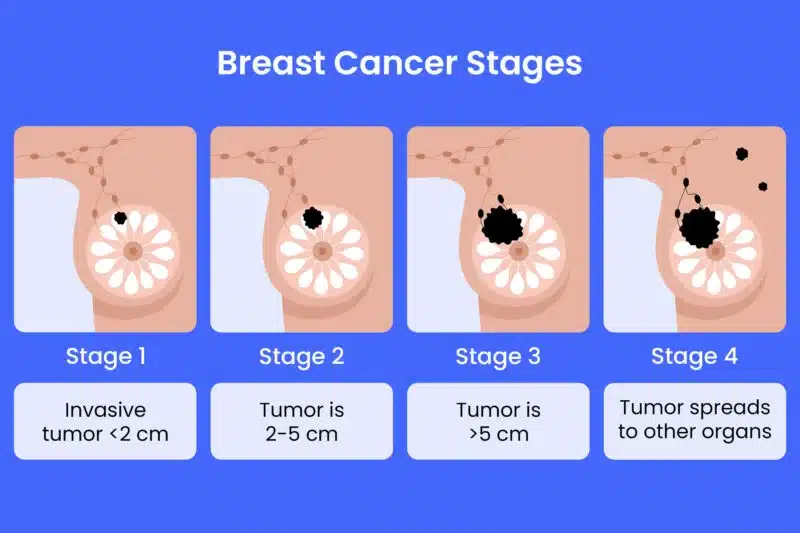
Breast cancer staging describes how far cancer has spread within the body. Doctors use this information to guide treatment decisions and predict outcomes. Understanding your specific stage helps you make informed decisions about your care.
Staging ranges from Stage 0, the earliest form, to Stage 4, the most advanced. Each stage reflects tumor size, lymph node involvement, and potential spread to other organs. This system helps create consistency in how doctors discuss and treat breast cancer worldwide.
How Doctors Determine Your Specific Stage
Doctors consider three main factors when determining breast cancer stage. These include tumor size, whether lymph nodes contain cancer cells, and distant spread. Combining these factors creates a comprehensive picture guiding appropriate treatment planning.
Stage 0: The Earliest Form
Stage 0 describes abnormal cells confined entirely within milk ducts or lobules. Doctors call this condition ductal carcinoma in situ, or DCIS. These abnormal cells haven’t invaded surrounding breast tissue at this stage.
This early stage offers excellent treatment outcomes and high cure rates. Many women diagnosed at Stage 0 go on to live cancer-free for decades. Treatment typically involves surgery, sometimes combined with radiation therapy.
Why Stage 0 Isn’t Always Called “Cancer” by Everyone
Some doctors debate whether Stage 0 truly represents invasive cancer currently. Since cells haven’t spread beyond their original location, behavior remains genuinely uncertain. This debate doesn’t change treatment recommendations, which remain consistently proactive regardless.
Stage 1: Small and Localized
Stage 1 breast cancer involves a small tumor that has begun invading nearby tissue. The tumor typically measures two centimeters or smaller at this stage. Lymph nodes either remain cancer-free or contain only microscopic cancer cell clusters.
This stage still offers excellent treatment outcomes for most patients. Surgery combined with radiation often provides effective, curative treatment. Many women diagnosed at Stage 1 experience long-term, successful recovery.
Understanding Stage 1A Versus Stage 1B
Stage 1A specifically means lymph nodes show no cancer involvement whatsoever. Stage 1B indicates tiny cancer cell clusters exist within nearby lymph nodes. This subtle distinction sometimes slightly influences treatment recommendations and monitoring approach.
Stage 2: Growing but Still Manageable
Stage 2 breast cancer involves either a larger tumor or some lymph node involvement. Tumors at this stage typically measure between two and five centimeters. Cancer may have spread to a small number of nearby lymph nodes too.
Despite this progression, Stage 2 still offers favorable treatment outcomes overall. Treatment typically combines surgery, radiation, and sometimes chemotherapy for optimal results. Many women successfully complete treatment and achieve long-term remission.
Why Lymph Node Involvement Matters at This Stage
Cancer cells reaching lymph nodes indicate the disease has started spreading beyond the breast. This spread, however, remains relatively limited at Stage 2 specifically. Treatment plans account for this involvement to reduce further spread risk.
Stage 3: Locally Advanced Disease
Stage 3 breast cancer indicates more significant local spread within the breast area. Tumors may be larger, or cancer may involve multiple nearby lymph nodes. In some cases, cancer also affects nearby chest wall tissue or skin.
Treatment at this stage typically becomes more intensive and comprehensive. Chemotherapy often precedes surgery to shrink tumors before removal. Radiation therapy frequently follows surgery to target any remaining cancer cells.
Why Stage 3 Requires More Comprehensive Treatment
More extensive local spread requires aggressive, multi-pronged treatment approaches for effective control. Combining chemotherapy, surgery, and radiation maximizes the chance of successful treatment. This comprehensive approach reflects the more advanced nature of Stage 3 disease.
Stage 4: When Cancer Has Spread Distantly
Stage 4 breast cancer means cancer has spread to distant organs beyond the breast. Common sites include bones, liver, lungs, or brain tissue specifically. This advanced stage, also called metastatic breast cancer, requires different treatment goals.
Treatment at Stage 4 typically focuses on controlling cancer growth rather than complete cure. Many women live for years with appropriate, ongoing treatment and management. Quality of life and symptom control become central treatment priorities at this stage.
Why Treatment Goals Shift at Stage 4
Once cancer spreads to distant organs, complete cure becomes considerably less likely. Treatment instead aims to slow progression while maintaining the best possible quality of life. This shift doesn’t mean treatment becomes less important or effective.
How Staging Influences Treatment Decisions
Earlier stages typically allow for less aggressive, more localized treatment approaches. Later stages generally require more comprehensive, systemic treatment combinations instead. Understanding your stage helps clarify why your doctor recommends specific treatment options.
Staging also helps predict likely outcomes and guides monitoring frequency afterward. This information empowers you to engage more actively in treatment discussions. Open communication with your medical team ensures treatment aligns with your personal goals.
Final Thoughts on Breast Cancer Staging
Understanding breast cancer staging helps demystify what can feel like an overwhelming diagnosis process. Each stage carries distinct implications for treatment approach and overall outlook. Knowledge about your specific stage empowers more informed, confident healthcare decisions.
If you’ve received a breast cancer diagnosis, ask your doctor to explain your specific stage clearly. Understanding this information helps you actively participate in treatment planning discussions. With appropriate, stage-specific treatment, many women achieve excellent, meaningful long-term outcomes.
Frequently Asked Questions
Can breast cancer stage change after initial diagnosis?
Yes, restaging sometimes occurs if cancer progresses or responds significantly to treatment. Doctors may also reassess stage following surgery, once full pathology results return. This updated information helps guide any necessary adjustments to ongoing treatment plans.
Does a higher stage always mean a worse outcome?
Higher stages generally indicate more advanced disease, though individual outcomes vary considerably. Factors like cancer type, overall health, and treatment response also significantly influence outcomes. Discussing your specific situation with your doctor provides more personalized insight.
Is Stage 0 breast cancer truly considered cancer?
Stage 0, or DCIS, represents abnormal cells confined within breast ducts specifically. While debate exists regarding terminology, doctors still recommend proactive treatment regardless. This approach helps prevent potential progression toward more invasive disease.
Can Stage 4 breast cancer ever be cured completely?
Stage 4 breast cancer is generally considered treatable but not curable with current medical knowledge. However, many women live for years with effective, ongoing treatment and management. Research continues advancing treatment options that improve both survival and quality of life.
How often should staging be reassessed during treatment?
Staging reassessment frequency depends on individual circumstances and treatment response specifically. Your medical team will recommend appropriate monitoring based on your particular situation. Regular communication with your doctor ensures timely updates throughout your treatment journey.
Disclaimer:
This article is for informational purposes only and does not replace professional medical advice. Please consult a qualified healthcare provider for diagnosis and treatment.
References:
Observer Voice is the one stop site for National, International news, Sports, Editor’s Choice, Art/culture contents, Quotes and much more. We also cover historical contents. Historical contents includes World History, Indian History, and what happened today. The website also covers Entertainment across the India and World.

