

Atopic Dermatitis (Eczema): The Skin Barrier Defect Behind Chronic Itching

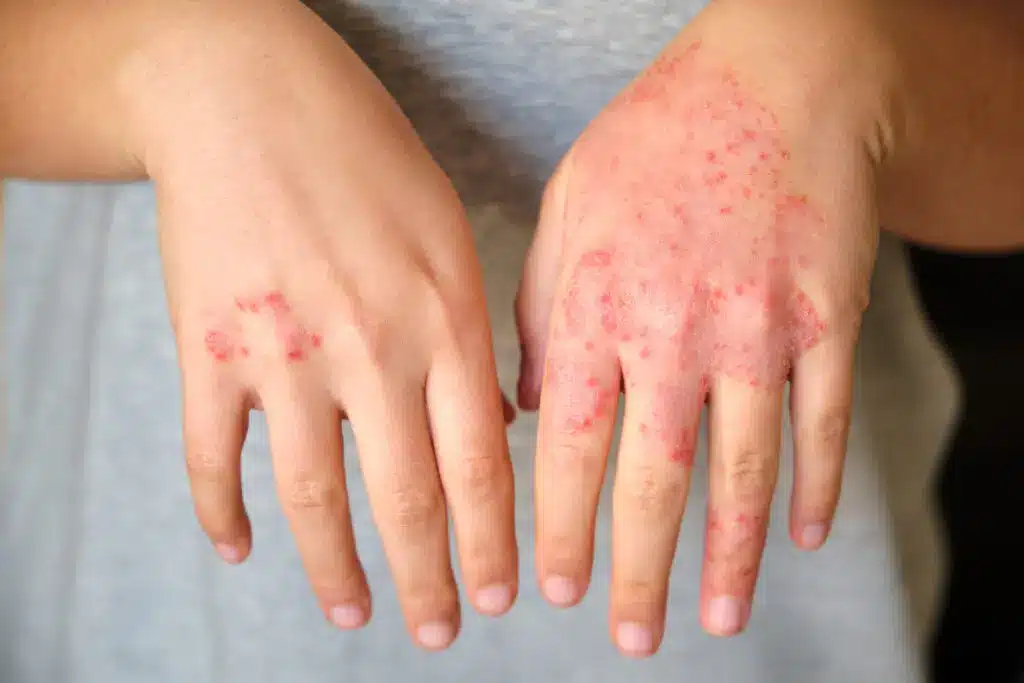
Itching is one of medicine’s most underestimated symptoms. For people with atopic dermatitis, it is a relentless, exhausting, and life-disrupting daily reality.
Atopic dermatitis, the most common form of eczema, affects more than 200 million people worldwide. It causes chronic inflammation, intense itching, and recurring skin flares that profoundly affect quality of life.
Understanding atopic dermatitis causes, triggers, and treatment options transforms how patients manage this condition. With the right knowledge and care, most people achieve meaningful and lasting control of their symptoms.
What Is Atopic Dermatitis?
Atopic dermatitis is a chronic inflammatory skin condition characterised by intense itching, dry skin, and recurring rashes. The term “atopic” refers to a genetic tendency to develop allergic conditions, including asthma, hay fever, and food allergies.
Doctors classify atopic dermatitis as part of the “atopic march,” a sequence in which eczema in infancy often precedes the development of asthma and allergic rhinitis later in childhood. This connection reflects shared underlying immune and genetic mechanisms driving all three conditions.
How Atopic Dermatitis Differs From Other Eczema Types
Eczema is an umbrella term covering several distinct inflammatory skin conditions. Atopic dermatitis is the most common and most studied form, but other types include contact dermatitis, seborrhoeic dermatitis, and dyshidrotic eczema.
Atopic dermatitis specifically involves immune dysregulation, genetic skin barrier defects, and environmental triggers acting together. This combination distinguishes it clearly from irritant contact dermatitis, which results purely from direct chemical skin damage without underlying immune involvement.
Who Does Atopic Dermatitis Affect?
Atopic dermatitis affects people of all ages, ethnicities, and backgrounds, though it predominantly begins in early childhood. Approximately 60% of cases develop within the first year of life, and around 85% emerge before the age of five.
Many children experience significant improvement or complete remission by adulthood, but roughly 10 to 30% carry the condition into adult life. Adults who develop atopic dermatitis for the first time represent a clinically distinct group that often experiences more severe and persistent disease.
The Skin Barrier Defect at the Heart of Atopic Dermatitis
The skin barrier is the body’s first line of defence against the outside world. It retains moisture, blocks allergens, repels irritants, and prevents microorganisms from entering the deeper layers of the skin.
In atopic dermatitis, this barrier is fundamentally defective. Structural and functional abnormalities allow moisture to escape and allergens to penetrate, setting the stage for chronic inflammation and persistent itching.
The Role of Filaggrin Gene Mutations
Mutations in the filaggrin gene (FLG) represent the most significant known genetic risk factor for atopic dermatitis. Filaggrin is a structural protein essential for forming and maintaining the outermost skin layer, called the stratum corneum.
Without adequate filaggrin, the skin surface becomes dry, cracked, and highly permeable. This compromised barrier allows allergens, bacteria, and irritants to penetrate easily, triggering immune responses that drive eczema inflammation.
Lipid Abnormalities in the Skin Barrier
Beyond filaggrin, people with atopic dermatitis show significant abnormalities in the lipids, or fats, that fill the spaces between skin cells. Ceramides, which are the most important of these structural lipids, are markedly reduced in atopic skin.
Lower ceramide levels impair the waterproofing function of the skin barrier and increase transepidermal water loss. Restoring ceramide levels through emollient therapy is a cornerstone of atopic dermatitis management for precisely this reason.
Immune System Dysregulation in Atopic Dermatitis
The skin barrier defect alone does not fully explain atopic dermatitis. An overactive immune response amplifies barrier damage and drives the chronic inflammation that causes most of the clinical symptoms people experience.
Type 2 immune responses, mediated primarily by cytokines called interleukin-4 (IL-4) and interleukin-13 (IL-13), dominate atopic dermatitis inflammation. These signalling molecules activate itch-sensing nerve fibres, recruit inflammatory cells to the skin, and further impair barrier function in a self-perpetuating cycle.
IgE Sensitisation and Allergic Reactions
Most people with moderate to severe atopic dermatitis have elevated levels of immunoglobulin E (IgE) in their blood. IgE antibodies sensitise the immune system to specific allergens, causing exaggerated immune responses on subsequent exposure.
Common allergens driving IgE-mediated sensitisation in atopic dermatitis include house dust mites, pet dander, pollen, certain foods, and moulds. However, the relationship between allergen exposure and eczema flares is complex and varies considerably between individuals.
The Itch-Scratch Cycle
Atopic dermatitis generates a vicious itch-scratch cycle that perpetuates and worsens skin inflammation. Scratching provides momentary relief but physically disrupts the already fragile skin barrier, introduces bacteria, and stimulates further immune activation.
Nerve fibres involved in itch signalling are more numerous and sensitive in atopic skin than in healthy skin. Breaking this cycle through targeted anti-itch treatment forms a critical component of effective atopic dermatitis management.
Genetic and Environmental Causes of Atopic Dermatitis
Atopic dermatitis develops through a complex interplay of genetic susceptibility and environmental exposures. Neither factor alone fully explains who develops the condition, how severely, or when.
Family history strongly predicts atopic dermatitis risk. A child with one parent affected faces roughly a 50% risk of developing eczema, and this risk rises further when both parents are affected.
Environmental Triggers That Worsen Atopic Dermatitis
Numerous environmental factors trigger or worsen atopic dermatitis flares in susceptible individuals. Temperature extremes, sweating, low humidity, and air pollution all stress the already compromised skin barrier further.
Common irritant triggers include soaps, detergents, fragranced products, rough fabrics, and chlorinated water. Identifying and consistently avoiding personal triggers forms a vital part of long-term atopic dermatitis management for every affected person.
The Hygiene Hypothesis and Microbiome
The hygiene hypothesis proposes that reduced childhood exposure to microorganisms increases atopic disease risk by limiting appropriate immune system education. Children raised in less sanitised environments, with pets, or on farms show lower atopic dermatitis rates in epidemiological studies.
The skin microbiome, the community of microorganisms naturally residing on healthy skin, is profoundly disrupted in atopic dermatitis. Staphylococcus aureus colonises the skin of most people with active eczema and directly triggers immune responses that worsen inflammation.
Stress and Psychological Factors
Psychological stress is a well-recognised atopic dermatitis trigger that many patients and clinicians underappreciate. Stress activates neuroimmune pathways that amplify skin inflammation and reduce the skin barrier’s natural repair capacity.
Poor sleep, itself caused by nocturnal itching, further elevates stress hormone levels and worsens immune dysregulation. Addressing psychological health alongside skin-directed treatment produces meaningfully better outcomes in people with moderate to severe disease.
Recognising the Symptoms of Atopic Dermatitis
Atopic dermatitis presents differently depending on the patient’s age, skin tone, and disease severity. Recognising these varied presentations ensures prompt diagnosis and avoids unnecessary delay in starting effective treatment.
Intense, persistent itching is the defining symptom of atopic dermatitis across all age groups and presentations. The National Eczema Association describes itch as the symptom that most severely impacts quality of life for affected individuals.
Infant and Early Childhood Presentation
In infants, eczema classically affects the cheeks, scalp, and outer surfaces of the arms and legs. The rash appears red, weeping, and crusted in lighter skin tones, while it may appear darker brown, purple, or ashen in people with deeper skin tones.
Infants with active eczema are often visibly distressed, difficult to settle, and sleep very poorly due to nocturnal itching. Parents and caregivers frequently experience significant stress and sleep deprivation alongside the affected child.
Childhood and Adolescent Presentation
In older children and adolescents, eczema characteristically affects the skin creases, including the inner elbows, backs of the knees, wrists, and ankles. The skin in these areas becomes thickened, lichenified, and hyperpigmented from chronic scratching over time.
Lichenification, which means skin thickening and accentuation of normal skin markings, develops as a direct response to repeated rubbing and scratching. This change signals chronic, inadequately controlled disease requiring more intensive treatment intervention.
Adult Presentation and Variants
Adult atopic dermatitis often affects the hands, eyelids, neck, and flexural creases. Hand eczema in adults with underlying atopic dermatitis represents a particularly disabling presentation, frequently interfering with occupational activities and daily functioning.
Prurigo nodularis, characterised by intensely itchy, firm skin nodules scattered across the body, represents a severe variant more common in adults with long-standing poorly controlled atopic dermatitis. This variant responds poorly to conventional topical treatments and often requires systemic or biological therapy.
Diagnosing Atopic Dermatitis
Atopic dermatitis diagnosis is primarily clinical, relying on history and physical examination rather than laboratory tests. No single test confirms or excludes the diagnosis, making thorough clinical assessment essential.
The UK Working Party diagnostic criteria, widely used in clinical practice, require the presence of itchy skin plus three or more additional features including typical flexural distribution, onset before age two, visible flexural eczema, personal history of asthma or hay fever, and generally dry skin.
Allergy Testing in Atopic Dermatitis
Allergy skin prick tests and specific IgE blood tests identify sensitisation to environmental and food allergens. These results help guide allergen avoidance strategies in individuals whose triggers appear allergy-related.
However, a positive allergy test alone does not confirm that the allergen triggers eczema flares in that individual. Careful correlation between test results and clinical history remains essential to avoid unnecessary and potentially harmful dietary or environmental restrictions.
Patch Testing for Contact Allergy
Patch testing identifies contact allergies to specific chemicals that may be worsening atopic dermatitis. Nickel, fragrances, preservatives, and topical medicaments are among the most common contact allergens discovered through patch testing in eczema patients.
Identifying and eliminating relevant contact allergens can produce dramatic improvements in disease control. Patch testing is particularly valuable in adults with eczema that responds poorly to standard topical treatment.
Treating Atopic Dermatitis: Building an Effective Regimen
Successful atopic dermatitis treatment requires a stepwise, personalised approach addressing barrier repair, inflammation control, and trigger avoidance simultaneously. No single treatment works for everyone, and most patients need a combination of approaches.
The European Academy of Dermatology and Venereology and the American Academy of Dermatology both advocate a stepwise treatment ladder that escalates therapy in proportion to disease severity. Starting with the simplest effective treatments and escalating only when necessary minimises side effects while maximising disease control.
Emollients: The Foundation of All Treatment
Emollients are moisturising preparations that restore skin barrier function and reduce water loss from the skin surface. Regular, generous emollient use is the single most important treatment step for atopic dermatitis at every disease severity level.
Emollients containing ceramides, glycerol, or urea most closely replicate the lipid profile of healthy skin. Applying emollients immediately after bathing, while the skin is still slightly damp, maximises moisture retention and barrier reinforcement.
Topical Corticosteroids
Topical corticosteroids reduce skin inflammation and relieve itching during acute flares. They range from mild formulations such as hydrocortisone 1% to very potent preparations used for thickened, lichenified skin on the body.
Applying the appropriate potency to the correct body site for the shortest necessary duration prevents the skin thinning and other side effects associated with prolonged or inappropriate corticosteroid use. Proactive intermittent use on previously affected areas, called weekend therapy, reduces flare frequency effectively in many patients.
Topical Calcineurin Inhibitors
Topical calcineurin inhibitors (TCIs), including tacrolimus and pimecrolimus, suppress skin inflammation through a different mechanism from corticosteroids. They carry no skin-thinning risk and are particularly valuable for sensitive areas including the face, eyelids, and skin folds.
TCIs are recommended as steroid-sparing options for long-term maintenance therapy in areas where corticosteroid side effects are most likely to occur. They also work well as proactive therapy to prevent flares in people with frequently relapsing disease patterns.
Crisaborole and Topical PDE4 Inhibitors
Crisaborole is a non-steroidal topical anti-inflammatory agent that inhibits phosphodiesterase-4 (PDE4), an enzyme driving inflammation in atopic skin. It reduces itching and rash with a favourable safety profile suitable for long-term use.
Crisaborole is approved for mild to moderate atopic dermatitis in children aged two years and older and in adults. It provides a useful non-steroidal option for patients who prefer to minimise corticosteroid exposure in their treatment regimen.
Systemic and Biological Treatments for Severe Atopic Dermatitis
Severe atopic dermatitis that does not respond adequately to optimised topical treatment requires systemic therapy. Traditional immunosuppressant medications have long played a role, but biological and targeted small molecule therapies have transformed outcomes for severe disease in recent years.
Stepping up to systemic therapy requires specialist dermatology input, thorough disease assessment, and shared decision-making with the patient. These treatments carry greater potential benefits but also require careful monitoring for side effects.
Dupilumab: A Biological Breakthrough
Dupilumab is a monoclonal antibody that blocks the signalling of both IL-4 and IL-13 simultaneously. These two cytokines drive the dominant type 2 immune response underlying atopic dermatitis inflammation.
Clinical trials demonstrate that dupilumab achieves dramatic reductions in itch, rash severity, and disease impact on quality of life. It represents the first truly targeted biological therapy for atopic dermatitis and is now approved for moderate to severe disease in adults, adolescents, and children aged six months and older.
Tralokinumab and Newer Biologicals
Tralokinumab specifically targets IL-13 alone and has demonstrated significant efficacy in clinical trials for adults with moderate to severe atopic dermatitis. Additional biological agents targeting IL-31, the primary itch-driving cytokine in atopic dermatitis, are progressing through clinical development.
Nemolizumab, which blocks the IL-31 receptor, shows particular promise for reducing the intense pruritus that often persists even when visible inflammation improves with existing treatments. These emerging therapies offer additional options for patients who do not respond optimally to dupilumab.
JAK Inhibitors for Atopic Dermatitis
Janus kinase (JAK) inhibitors represent the most recent class of targeted therapy approved for atopic dermatitis. These oral medications block multiple inflammatory signalling pathways simultaneously, producing rapid improvements in both itching and skin inflammation.
Upadacitinib, baricitinib, and abrocitinib are approved JAK inhibitors for moderate to severe atopic dermatitis in adults and adolescents. They offer a convenient oral alternative to injectable biologicals but require careful patient selection and regular safety monitoring during treatment.
Managing Atopic Dermatitis in Specific Populations
Atopic dermatitis management requires thoughtful adaptation across different life stages and patient groups. What works well for an infant differs considerably from what suits a teenager, a pregnant person, or an older adult with comorbid conditions.
Specialist input ensures that treatment choices remain appropriate, effective, and safe for each individual’s specific circumstances. Collaborative care involving dermatologists, allergists, paediatric specialists, and mental health professionals achieves the best long-term outcomes.
Atopic Dermatitis During Pregnancy
Managing atopic dermatitis during pregnancy requires careful consideration of treatment safety for both the pregnant person and the developing baby. Emollients and low to moderate potency topical corticosteroids remain safe and appropriate as first-line treatments throughout pregnancy.
Dupilumab use during pregnancy is currently under study, and most guidelines recommend continuing only if clearly necessary after specialist discussion. Systemic immunosuppressants such as methotrexate and mycophenolate are absolutely contraindicated during pregnancy due to teratogenic risks.
Supporting Children and Adolescents With Eczema
Children with moderate to severe atopic dermatitis experience significantly impaired quality of life, including disrupted sleep, missed school days, social difficulties, and reduced self-esteem. Addressing these psychosocial dimensions is as important as achieving skin clearance.
Adolescents benefit from gradually taking increasing ownership of their eczema management as they develop independence. Structured education programmes, such as the German eczema school model, significantly improve disease control and emotional wellbeing in affected young people.
Frequently Asked Questions About Atopic Dermatitis
What are the main atopic dermatitis causes in children?
Atopic dermatitis in children results from a combination of genetic skin barrier defects, immune system overactivity, and environmental triggers. Mutations in the filaggrin gene impair the skin’s protective barrier, allowing allergens and irritants to penetrate more easily. Family history of eczema, asthma, or hay fever significantly raises a child’s risk, as does early exposure to certain environmental irritants and disrupted skin microbiome composition.
Can atopic dermatitis be cured permanently?
Currently, there is no permanent cure for atopic dermatitis, as it reflects an underlying genetic predisposition that does not resolve. However, many children experience significant improvement or complete remission as they mature into adulthood. For those with persistent disease, modern treatments including biological therapies achieve near-complete skin clearance and dramatic quality of life improvements, making excellent long-term disease control an entirely realistic goal.
What triggers an atopic dermatitis flare?
Common triggers include dry weather, sweating, certain soaps and detergents, fragranced products, rough clothing, stress, infections, and allergen exposure. Staphylococcus aureus bacterial colonisation on the skin is a particularly potent trigger that worsens inflammation significantly. Individual triggers vary considerably, and keeping a symptom diary helps identify personal patterns that allow targeted avoidance strategies to be implemented effectively.
How does dupilumab work for atopic dermatitis?
Dupilumab is a biological medication that blocks two key inflammatory signals, interleukin-4 and interleukin-13, which drive the immune overactivation underlying atopic dermatitis. By interrupting these signalling pathways, dupilumab reduces skin inflammation, relieves itching, and improves barrier function simultaneously. It is given by subcutaneous injection every two to four weeks and has demonstrated outstanding efficacy and safety across multiple large clinical trials.
Is atopic dermatitis linked to other health conditions?
Yes, atopic dermatitis is closely associated with asthma, allergic rhinitis, and food allergies as part of the atopic march. People with moderate to severe atopic dermatitis also face elevated risks of anxiety, depression, sleep disorders, and cardiovascular disease. Treating atopic dermatitis effectively appears to reduce some of these associated risks, highlighting the importance of achieving good disease control beyond just skin appearance.
Living Better With Atopic Dermatitis Through Knowledge and Care
Atopic dermatitis is far more than a skin rash. It is a systemic inflammatory condition rooted in genetic barrier defects and immune dysregulation, with consequences that extend well beyond the skin’s surface.
The remarkable advances of recent years, from targeted biological therapies to precision-designed topical agents, have shifted what is achievable for people living with this condition. Severe, life-disrupting eczema no longer needs to be an accepted reality for patients who access modern specialist care.
Above all, understanding atopic dermatitis causes, recognising personal triggers, building a consistent treatment routine, and seeking specialist support when needed gives every person affected the best possible chance of achieving clear skin, restful sleep, and a full, unrestricted quality of life.
Disclaimer:
This article is intended for general informational purposes only. It does not constitute medical advice, diagnosis, or treatment. Always consult a qualified healthcare professional for any medical concerns.
References:
- Celiac Disease is a serious autoimmune disorder triggered by consumption of gluten, a protein found in wheat, barley, and rye.
- Mosquitoes are attracted to warm blooded animals, including us. They’re attracted to the carbon dioxide we exhale, our body temperatures and, most importantly, the smell of our skin.
- Vaccines represent perhaps the most impactful category of biologicals, preventing infectious diseases and saving millions of lives annually.
- Spring means beautiful flowers, fragrant lilacs – and lots of tree pollen coating cars and setting off sneezing, wheezing and headaches.
- Primary biliary cholangitis is a chronic autoimmune disease causing progressive inflammation and destruction of intrahepatic bile ducts
Observer Voice is the one stop site for National, International news, Sports, Editor’s Choice, Art/culture contents, Quotes and much more. We also cover historical contents. Historical contents includes World History, Indian History, and what happened today. The website also covers Entertainment across the India and World.

