

Celiac Disease: Beyond Gluten Sensitivity — the Serious Autoimmune Reality

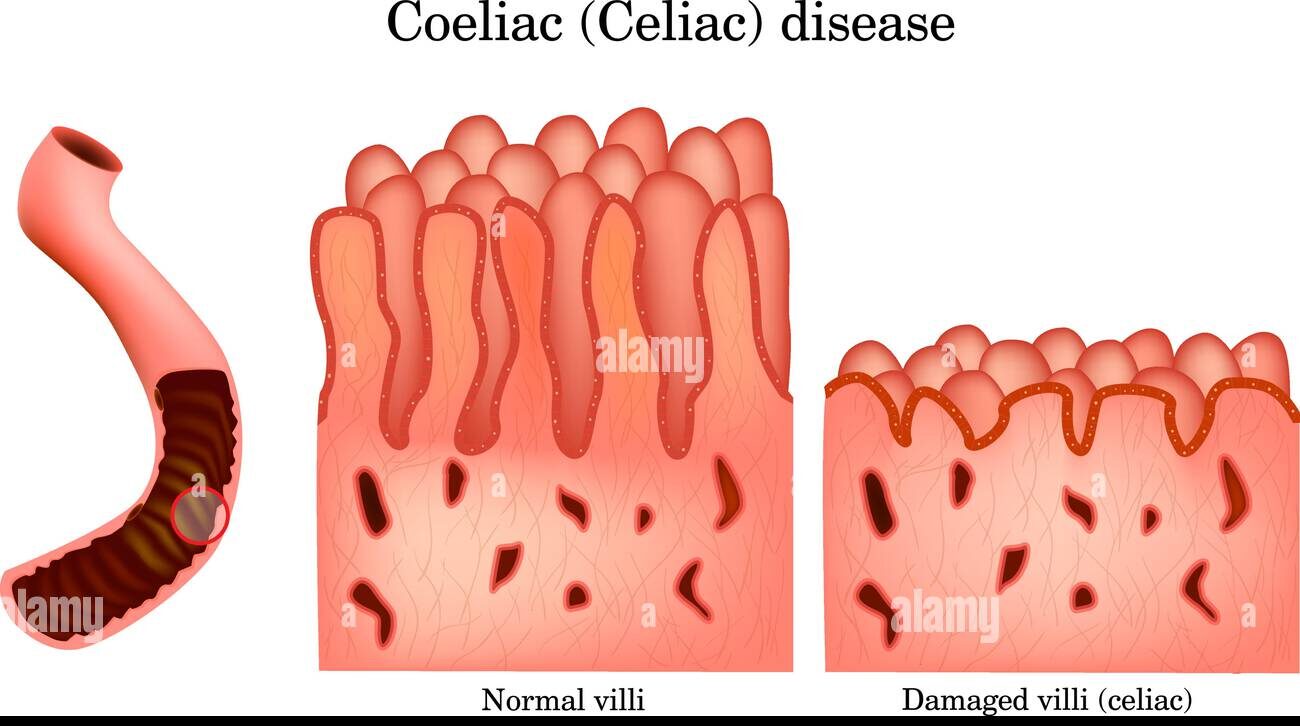
Celiac Disease is a serious autoimmune disorder triggered by consumption of gluten, a protein found in wheat, barley, and rye. The disease is characterized by immune-mediated damage to the small intestine. The immune system attacks the intestinal lining. Villous atrophy occurs. Intestinal villi are finger-like projections that absorb nutrients. When villi are destroyed, nutrient absorption is severely impaired. Malabsorption results. Malnutrition develops. Celiac Disease is fundamentally different from non-celiac gluten sensitivity. Non-celiac gluten sensitivity is a functional disorder. No intestinal damage. No autoimmunity. No celiac antibodies. Symptoms with gluten. Relief with gluten avoidance. However, no damage. Celiac Disease is autoimmune. Permanent intestinal damage occurs. Antibodies against tissue transglutaminase develop. Tissue inflammation. Villous destruction. Celiac Disease affects approximately one to three percent of the global population. The disease is common. Previously underdiagnosed. Better recognition now. Improved screening. The disease predominates in people of European descent. Caucasians. However, affects all ethnicities. Celiac Disease typically develops in childhood. Peak incidence age one to three years. Around the time of gluten introduction. However, can develop at any age. Celiac in adults. Celiac in elderly. Disease in infants. Disease in adolescents. Bimodal age distribution. Peak in infants. Peak in third to fourth decade. Female predominance. Women affected approximately two times more frequently than men. Celiac Disease is caused by immune reaction to gluten peptides. Gluten peptides mimic tissue transglutaminase. TTG. TTG is an enzyme in the intestine. The immune system attacks TTG. Cross-reaction. Antibodies against TTG develop. T cells attack TTG-bearing cells. Genetic predisposition essential. HLA-DQ2. HLA-DQ8. Nearly all celiac patients carry one of these. Carriers do not always develop disease. Environmental trigger necessary. Gluten exposure. Infections. Stress. May trigger disease in genetically predisposed. Early diagnosis and strict gluten avoidance are crucial for preventing intestinal complications and allowing intestinal healing. With appropriate management, most achieve excellent health. Intestinal healing possible. Normal nutrition achievable. Understanding Celiac Disease helps with early recognition and appropriate lifelong dietary management to prevent serious complications and malabsorption-related diseases.
How Does Immune Attack on the Intestine Cause Celiac Disease?
To understand Celiac Disease, we need to learn about the small intestine and gluten. The small intestine is the primary site of nutrient absorption. Duodenum. Jejunum. Ileum. Divided into three sections. Intestinal epithelium lines the lumen. Single layer of columnar epithelial cells. Intestinal villi. Projections increasing surface area. Microvilli on epithelial cells. Further increase surface area. Absorb nutrients. Nutrients absorbed. Bloodstream. Energy. Proteins. Fats. Carbohydrates. Minerals. Vitamins. Gluten is a protein found in wheat, barley, rye. Contains glutamine-rich peptides. Deamidation occurs. Enzymatic modification. Creates charged peptides. Peptides recognized as foreign. Trigger immune response. In celiac disease, immune response develops against gluten-derived peptides. HLA-DQ2 or HLA-DQ8 present gluten peptides to T cells. T cell receptors recognize peptides. T cell activation. Proliferation. Cytokine production. Interferon-gamma. TNF-alpha. Interleukin-2. These inflammatory mediators activate more immune cells. B cells produce antibodies. Anti-tissue transglutaminase antibodies. Anti-TTG IgA. Anti-endomysial antibodies. Anti-EMA. These antibodies bind to TTG. TTG is modified by gluten peptides. Deamidated gluten peptides covalently bind TTG. Modified TTG highly immunogenic. Antibodies target modified TTG. Also target unmodified TTG. Cross-reaction. T cells infiltrate intestinal tissue. CD8 positive T cells. CD4 positive T cells. Intraepithelial lymphocytes. IELs. Infiltrate epithelium. Lamina propria lymphocytes. Infiltrate lamina propria. Produce inflammatory cytokines. The intestinal damage is progressive. Early disease shows increased IELs. Increased intraepithelial lymphocytes. Marsh stage 0. Normal architecture. Increased IELs. Marsh stage 1. Increased lamina propria inflammation. Increased IELs. Crypt hyperplasia. Crypts enlarge. Increased cell division. Marsh stage 2. Villous atrophy. Flattened villi. Reduced height. Marsh stage 3a. Partial villous atrophy. Marsh stage 3b. Subtotal villous atrophy. Marsh stage 3c. Total villous atrophy. Complete flattening. Villi absent. Marsh stage 4. Hypoplastic. Severe damage. Atrophic mucosa. The villous destruction causes malabsorption. Reduced surface area. Reduced absorption capacity. Intestinal permeability increased. Tight junctions disrupted. Zonula occludens-1. ZO-1. Reduced expression. Barrier function impaired. Intestinal permeability. Leaky gut. Partially digested proteins. Bacteria. Antigens. Cross into bloodstream. Systemic immune activation. Inflammation. The inflammatory process also damages crypts. Crypts are regenerative zones. Epithelial cell production. Damage to crypts. Impaired regeneration. Epithelial cell loss. Unable to replace. Further villous atrophy. The damage may extend. Duodenum. Jejunum. Ileum. Stomach involvement rare. Colon involvement rare. However, duodenum most severely affected. Maximal damage. The inflammation extends beyond epithelium. Serosa. Visceral peritoneum. May develop inflammation. Peritonitis. Rare but serious. The damage is chronic. Gluten avoidance. Inflammation resolves. Mucosal healing. Intestinal regeneration. Villous regrowth. Weeks to months. Most achieve complete mucosal healing. However, continued gluten exposure. Chronic inflammation. Ongoing damage. Progressive atrophy. Eventually. Extensive mucosal loss. Understanding the immune mechanisms has led to development of diagnostic tests and therapeutic approaches targeting immune response and promoting intestinal healing.
What Are the Main Symptoms and Signs of Celiac Disease?
Celiac Disease causes diverse symptoms depending on disease severity and intestinal damage extent. Many are asymptomatic. No symptoms. Antibodies positive. Intestinal damage present. Discovered on screening. Others have prominent gastrointestinal symptoms. Diarrhea. Chronic loose stools. Watery. Pale. Fatty. Steatorrhea. Fat in stool. Foul-smelling. Voluminous. Frequent. Multiple daily. Abdominal pain. Cramping. Bloating. Abdominal distention. Gas. Abdominal discomfort. Nausea. Appetite loss. Reduced food intake. Vomiting. Less common. Constipation. Some develop constipation instead. Alternating diarrhea and constipation. Intestinal dysmotility. Weight loss. Failure to thrive in children. Progressive weight loss. Loss of appetite. Malnutrition. Muscle wasting. Fat loss. Short stature. Children with celiac. Growth retardation. Below average height. Delayed puberty. Puberty delay. Short stature. Persistent in adolescents. Even with treatment. Catch-up growth limited. Fatigue. Profound tiredness. Exhaustion. Weakness. Iron deficiency anemia. Hemoglobin low. From iron malabsorption. Fatigue from anemia. Pallor. Pale appearance. Dyspnea. Shortness of breath. Exertional dyspnea. With anemia. Cognitive dysfunction. Difficulty concentrating. Brain fog. Memory problems. School performance decline. Reduced achievement. Behavioral changes. Irritability. Mood swings. Depression. Anxiety. Dermatitis herpetiformis. Skin rash. Intensely itchy. Vesicles. Blisters. Usually extensor surfaces. Elbows. Knees. Buttocks. Scalp. Symmetric distribution. Very pruritic. Scratching. Erosions. Scarring. Associated with celiac. Always. GI symptoms may be minimal. Rash is manifestation. Oral ulcers. Canker sores. Stomatitis. Mouth sores. Painful. Recurrent. Aphthous ulcers. Dental enamel defects. Pitted enamel. Horizontal bands. Yellow brown discoloration. Delayed tooth eruption. Enamel hypoplasia. Cosmetic concern. Alopecia. Hair loss. Hair thinning. Telogen effluvium. Stress-induced. Nutritional deficiency-induced. Reversible. Returns with healing. Arthritis. Joint pain. Arthralgia. Non-erosive. Usually hands and knees. Large joints. Symmetric. Similar to rheumatoid. But no erosions. Myalgia. Muscle pain. Muscle weakness. Proximal muscle weakness. Difficulty with stairs. Difficulty rising from chair. Neurological symptoms. Peripheral neuropathy. Numbness. Tingling. Paresthesias. Ataxia. Incoordination. Balance problems. Neuropathy from B12 and folate deficiency. Headache. Persistent headache. Migraines. Migraine with aura. Vertigo. Dizziness. Vertigo true. Loss of balance. Osteoporosis. Reduced bone mineral density. Fracture risk. Hip fractures. Vertebral fractures. Wrist fractures. Bone pain. From demineralization. Hyposplenism. Reduced splenic function. Asplenia. Functional. Increased infection risk. Encapsulated organisms. Pneumococcus. Meningococcus. Haemophilus. Sepsis risk. Secondary autoimmune disease. Hashimoto’s thyroiditis. Type 1 diabetes. Associated. Dermatitis herpetiformis. Associated. Alopecia areata. Associated. Vitiligo. Associated. Reproductive issues. Infertility. Reduced fertility. Miscarriage. Recurrent miscarriage. Amenorrhea. Cessation of menses. From malnutrition. From autoimmune thyroiditis. Delayed menarche. Late onset of puberty. Amenorrhea may persist. Even with gluten avoidance. Sexual dysfunction. Reduced libido. Erectile dysfunction. From malabsorption. From depression. Psychiatric symptoms. Depression. Mood disturbance. Anxiety. ADHD-like symptoms. Attention difficulty. Hyperactivity. OCD. Obsessive compulsive symptoms. Psychosis. Rare. Delusions. Hallucinations. Very severe disease. Seizures. Rare. Associated with calcifications. Occipital. From hypocalcemia. Life-threatening complications. Intestinal perforation. Rare. From severe ulceration. Acute abdomen. Peritonitis. Shock. Death. Refractory celiac disease. Persistent symptoms. Despite strict gluten avoidance. Ongoing malabsorption. Intestinal ulcerations. Ulcerative jejunitis. Bleeding. GI lymphoma. Complication. Increased risk. T-cell lymphoma. Small intestinal adenocarcinoma. Increased risk. Esophageal cancer. Increased risk. The symptoms vary widely. Some have minimal symptoms. Diagnosed on screening. Others have severe debilitating symptoms. Early diagnosis allows early treatment with gluten avoidance.
How is Celiac Disease Detected and Diagnosed?
Celiac Disease is diagnosed through clinical findings, serological testing for celiac antibodies, and intestinal biopsy confirmation. Early diagnosis is important for preventing complications. Clinical history is important. Gastrointestinal symptoms. Diarrhea. Constipation. Bloating. Abdominal pain. Malabsorption symptoms. Weight loss. Failure to thrive. Nutritional deficiency symptoms. Fatigue. Weakness. Hair loss. Bone pain. Neurological symptoms. Neuropathy. Ataxia. Psychiatric symptoms. Depression. Behavioral changes. Secondary autoimmune disease. Physical examination findings. Growth retardation. Short stature. Underweight. Low BMI. Muscle wasting. Abdominal distention. Abdominal tenderness. Alopecia. Hair loss. Dermatitis herpetiformis. Skin rash. Oral ulcers. Aphthous ulcers. Dental enamel defects. Tremor. Coordination problems. Serological testing. Tissue transglutaminase IgA antibodies. TTG-IgA. Most common screening test. High sensitivity and specificity. IgA-based. IgA deficiency. Occurs in celiac. Check IgA level. If IgA deficient. Use IgG-based tests. Anti-endomysial antibodies. EMA. IgA-based. Very specific. Less sensitive than TTG. Usually done if TTG positive. Confirms diagnosis. Anti-deamidated gliadin peptides. DGP antibodies. IgA and IgG. Useful in IgA-deficient. Less specific. Not routinely used. Total serum IgA. Check if TTG IgA negative. Confirms IgA deficiency. If deficient, use IgG-based tests. Complete blood count. Hemoglobin. Anemia assessment. Hematocrit. Iron studies. Ferritin. Serum iron. TIBC. Iron deficiency common. Comprehensive metabolic panel. Albumin. Serum albumin. Low if malabsorption. Suggests severity. Prothrombin time. PT/INR. Prolonged if vitamin K deficiency. Fat malabsorption. Vitamin levels. Vitamin B12. Low if pernicious anemia. From intrinsic factor. Folate. Folic acid. Low from malabsorption. Vitamin D. Calcitriol. Low. Contributes to osteoporosis. Vitamin A. Retinol. Low from fat malabsorption. Vitamin E. Low. Neurological complications risk. Tissue transglutaminase testing. Quantitative. TTG IgA levels. Higher titers. More severe disease. Titers decline with gluten avoidance. Monitor recovery. Thyroid function. TSH. TSH elevation. Screen for Hashimoto’s. Common coexistence. Free T4. Vitamin B12. Pernicious anemia screening. Intrinsic factor antibodies. If B12 low. Coeliac antibody testing. HLA typing. HLA-DQ2. HLA-DQ8. Present in ninety-eight percent. Helpful for exclusion. If both negative. Celiac unlikely. Not used for diagnosis. Tissue biopsy is gold standard. Small bowel biopsy. Endoscopy. Upper endoscopy. Visualize duodenum. Multiple biopsies. At least four. Different locations. Duodenal bulb. Second and third portions. Histology. Light microscopy. Marsh classification. 0. Normal. 1. Increased intraepithelial lymphocytes. 2. Crypt hyperplasia. 3a. Partial villous atrophy. 3b. Subtotal villous atrophy. 3c. Total villous atrophy. 4. Hypoplastic. Immunohistochemistry. IgA deposits. Endomysial staining. Confirms celiac. Electron microscopy. Not routinely used. Shows cellular changes. Skin biopsy. Dermatitis herpetiformis. If skin rash. Granular IgA deposits along dermal-epidermal junction. Pathognomonic. Genetic testing. HLA-DQ2 and HLA-DQ8. Negative genetic test helps exclude. Positive genetic test alone insufficient for diagnosis. The combination of clinical presentation with gastrointestinal or malabsorption symptoms, positive TTG-IgA antibodies, positive EMA, and small bowel biopsy showing villous atrophy confirms Celiac Disease diagnosis. Early diagnosis allows prompt gluten elimination and intestinal healing.
What Health Complications Do People with Celiac Disease Face?
People with Celiac Disease face serious complications from chronic intestinal inflammation and malabsorption. The complications depend on disease severity and duration of gluten exposure before diagnosis. Malnutrition is the primary complication. Protein malnutrition. Kwashiorkor-like. Edema. Hypoalbuminemia. Growth retardation. Muscle wasting. Carbohydrate malnutrition. Marasmus-like. Fat loss. Muscle loss. Severe wasting. Micronutrient deficiency. Iron deficiency. Iron-deficiency anemia. Hemoglobin low. Fatigue. Dyspnea. Tachycardia. Cardiac dysfunction. B12 deficiency. Pernicious anemia. Megaloblastic anemia. Neurologic symptoms. Peripheral neuropathy. Ataxia. Subacute combined degeneration. Folate deficiency. Megaloblastic anemia. Neural tube defect risk. In pregnancy. Vitamin D deficiency. Hypocalcemia. Tetany. Seizures. Osteoporosis. Fractures. Rickets in children. Vitamin K deficiency. Coagulopathy. Bleeding. Easy bruising. Vitamin A deficiency. Night blindness. Xerophthalmia. Corneal scarring. Blindness. Vitamin E deficiency. Neurologic symptoms. Neuropathy. Ataxia. Vitamin C deficiency. Scurvy. Rare. Bleeding. Poor wound healing. Zinc deficiency. Impaired immunity. Hair loss. Dermatitis. Alopecia areata. Magnesium deficiency. Muscle cramps. Osteoporosis. Calcium deficiency. Osteoporosis. Hypocalcemia. Tetany. Seizures. Osteoporosis is major complication. Reduced bone mineral density. Fracture risk. Hip fractures. Vertebral fractures. Wrist fractures. Mortality from hip fracture. Hyposplenism. Functional asplenia. Reduced splenic function. Increased infection risk. Encapsulated organisms. Pneumococcus. Meningococcus. Haemophilus influenzae. Sepsis. Septic shock. Death. Vaccination essential. Secondary autoimmune disease. Hashimoto’s thyroiditis. Hypothyroidism. Fatigue. Cold intolerance. Weight gain. Type 1 diabetes. Hyperglycemia. Diabetic complications. Dermatitis herpetiformis. Intensely pruritic. Scratching. Infection. Scarring. Psychiatric manifestations. Depression. Anxiety. ADHD-like symptoms. Behavioral problems. School or work dysfunction. Neurological complications. Peripheral neuropathy. Sensory loss. Pain. Weakness. Ataxia. Incoordination. Balance problems. Falls. Seizures. Rare. Occipital calcifications. Hypocalcemia-related. Encephalopathy. Brain dysfunction. Confusion. Cognitive decline. Myopathy. Muscle weakness. Proximal weakness. Myositis. Muscle inflammation. Infertility. Reduced fertility. Miscarriage. Recurrent miscarriage. Higher rates. Amenorrhea. Cessation of menses. From malnutrition. From autoimmune thyroiditis. From celiac itself. Delayed puberty. Delayed menarche. Delayed sexual development. Dental disease. Enamel defects. Tooth decay. Cavities. Periodontal disease. Gum disease. Oral ulcers. Stomatitis. Recurrent. Dermatological. Alopecia. Hair loss. Vitiligo. Depigmented patches. Urticaria. Hives. Dermatitis. Psoriasis. Worsening. GI complications. Intestinal perforation. Rare. Severe ulceration. Peritonitis. Acute abdomen. Shock. Death. Bowel obstruction. Intussusception. Rarely. Refractory celiac disease. Persistent symptoms. Despite gluten avoidance. Severe disease. Ongoing ulceration. GI lymphoma. T-cell lymphoma. Small intestinal lymphoma. Increased risk. Adenocarcinoma. Small intestinal adenocarcinoma. Increased risk. Esophageal cancer. Increased risk. Oropharyngeal cancer. Increased risk. Infections. Recurrent infections. From hyposplenism. From nutritional deficiency. From immune dysfunction. Bacterial. Viral. Parasitic. Thyroid disease. Hashimoto’s. Graves’ disease. Autoimmune thyroiditis. Adrenal disease. Addison’s disease. Autoimmune adrenal failure. Electrolyte abnormalities. Joint disease. Arthritis. Non-erosive. Symmetric. Inflammatory. Psychiatric disease. Depression. Severe. Suicidal ideation. Suicide attempt. Anxiety. OCD. Psychosis. Rare. Without gluten avoidance, complications progressively develop. With strict gluten avoidance, most prevent progression. Many achieve complete mucosal healing. Complications prevented.
What Treatments Help People with Celiac Disease?
Treatment for Celiac Disease centers on strict, permanent gluten avoidance and management of malabsorption-related nutritional deficiencies. There is no cure except dietary management. Gluten-free diet is the only treatment. Strict lifelong gluten avoidance. Complete elimination of wheat. Complete elimination of barley. Complete elimination of rye. All products containing gluten. Bread. Pasta. Cereals. Baked goods. Sauces. Soups. Many processed foods. Hidden gluten common. Label reading essential. Cross-contamination prevention. Separate utensils. Separate cutting boards. Separate toasters. Avoid shared condiments. Shared cooking surfaces. Kitchen organization. Prevents accidental gluten exposure. Dietitian support. Registered dietitian. Trained in celiac disease. Patient education. Food selection. Label reading. Restaurant navigation. Meal planning. Nutritional assessment. Baseline nutritional status. Determines deficiencies. Guides supplementation. Nutrient supplementation. Iron supplementation. Iron-deficiency anemia. Treatment. Oral iron. Ferrous sulfate. Ferrous gluconate. Side effects. GI upset. Constipation or diarrhea. Tolerance build up. Vitamin B12 supplementation. B12 deficiency. Intramuscular injections. IM B12. Monthly or quarterly. High dose. Oral B12. Less effective. Sublingual B12. If adequate absorption. B12 supplementation. Treats pernicious anemia. Improves neuropathy. Folate supplementation. Folic acid. Oral supplement. Treats folate deficiency. Vitamin D supplementation. Calcitriol or cholecalciferol. Oral supplement. High doses. Treats deficiency. Prevents osteoporosis. Calcium supplementation. Calcium carbonate or citrate. Oral supplement. Large doses. One thousand to two thousand milligrams daily. With vitamin D. Bone health. Vitamin K supplementation. Phylloquinone. Treats deficiency. Improves PT/INR. Vitamin A supplementation. Retinol. Treats deficiency. Restores night vision. Vitamin E supplementation. Tocopherol. Treats deficiency. Neurological protection. Magnesium supplementation. Magnesium oxide or citrate. Treats deficiency. Improves muscle cramps. Zinc supplementation. Zinc gluconate or picolinate. Treats deficiency. Improves immunity. Restores hair growth. Multivitamin supplement. Comprehensive micronutrient. Daily. Covers multiple deficiencies. Protein supplementation. If severe malnutrition. Nutritional shakes. Protein powder. Supports muscle recovery. Bone health management. DEXA scan. Baseline bone density. Periodic reassessment. Annual or biennial. Bisphosphonates. For osteoporosis. Alendronate. Risedronate. Reduces fracture risk. Calcium and vitamin D. Essential. Weight-bearing exercise. Supports bone health. Secondary autoimmune disease treatment. Hashimoto’s thyroiditis. Levothyroxine. Thyroid hormone replacement. Type 1 diabetes. Insulin therapy. Management. Dermatitis herpetiformis. Dapsone. Anti-inflammatory. Relieves itching. Rash resolution. Alternative to gluten-free diet alone. However, gluten-free diet still needed. Neurological support. If neuropathy. Physical therapy. Helps with ataxia. Balance. Occupational therapy. ADLs. Seizure management. Anticonvulsants if seizures. Vaccination. Pneumococcal vaccine. Annual flu vaccine. Meningococcal vaccine. Recommended. Infection prevention. Antibiotic prophylaxis. Sometimes used. For recurrent infections. TMP-SMX. Prevents PCP. Healing monitoring. Intestinal healing. Serological monitoring. TTG-IgA titers. Decline with healing. Repeat biopsy. If not healing. Or if persistent symptoms. Confirm mucosal healing. Intestinal healing usually occurs. Weeks to months. Complete within one to two years. Most achieve normal mucosa. With strict gluten avoidance, symptoms resolve. Nutritional status improves. Malabsorption corrects. Most return to normal health.
Living with Celiac Disease
Living with Celiac Disease requires lifelong strict gluten avoidance, nutritional management, monitoring for complications, and psychological adjustment to a chronic autoimmune disease requiring permanent dietary modification. For people newly diagnosed with Celiac Disease, the diagnosis brings relief and challenge. Relief that symptoms have explanation. Effective treatment exists. Challenge of lifelong dietary restriction. Loss of favorite foods. Social limitations. Lifestyle change necessary. However, with gluten avoidance, dramatic health improvement occurs. Most adjust well. Patient education about celiac disease. Food selection. Label reading. Restaurant dining. Social situations. Support from dietitian. Gluten-free diet compliance is absolutely essential. Lifelong strict adherence. Single exposure. Gluten. Small amount. Can trigger inflammation. Damage. Even trace amounts. Gluten. Twenty parts per million. Can cause intestinal damage. Accidental exposure. Common. Cross-contamination. Shared utensils. Shared toasters. Shared condiments. Common sources. Vigilance necessary. Kitchen organization. Separate areas. Separate utensils. Prevents accidental exposure. Label reading. Careful. Gluten-containing ingredients. Hidden gluten. Many unexpected sources. Medications. Supplements. Processed foods. Restaurant dining challenges. Hidden gluten. Cross-contamination. Careful ordering. Restaurant selection. Communication. Explained need. Kitchen care. Education of restaurant staff. Reduces risk. Social situations. Family dinners. Holidays. Friends’ homes. Gluten-free alternatives. Bringing own food. Pre-eating. Strategies. Communication. Education of family and friends. Support network. Regular monitoring. Serological monitoring. TTG-IgA titers. Decline with gluten avoidance. Persistent titers. Suggests ongoing gluten exposure. Rising titers. Non-compliance. Requires dietary review. Nutritional status. Annual assessment. Micronutrient testing. Iron. B12. Folate. Vitamin D. Calcium. Supplementation adjusted. Complete blood count. Hemoglobin. Monitor for anemia. Persist despite supplementation. GI evaluation. Malabsorption. Intestinal biopsy. If symptomatic. Repeat biopsy. Confirm healing. After one to two years. Bone health. DEXA scan. Periodic assessment. Bisphosphonate therapy. If osteoporosis. Calcium and vitamin D. Continued. Fracture prevention. Thyroid function. TSH. Annual. Screen for Hashimoto’s. Comorbid autoimmune disease. Symptoms of hypothyroidism. Glucose management. Annual fasting glucose. Screen for diabetes. HbA1c if diabetic. Glucose control. Work and school adjustments. Initially. Symptoms severe. May require time off. Medical appointments. Nutrition counseling. Recovery. Most return to work or school. Some accommodations. Food provided. Lunchroom accommodations. Understanding. School or employer. Communication. Nutritional support. Food access. Dating and relationships. Explaining condition. Dietary restrictions. Restaurant options. Travel challenges. Partner education. Support. Understanding limitations. Emotional support. Pregnancy planning. Celiac disease resolved during pregnancy. With gluten avoidance. Nutritional status normalized. Fetal development normal. However, untreated celiac. Malnutrition risks. Miscarriage. Neural tube defects. IUGR. Gluten avoidance. Micronutrient supplementation. Most successful pregnancies. Regular obstetric care. Mental health support. Grief over dietary loss. Adjustment to restriction. Depression. From disease. From social limitations. Anxiety. From accidental exposures. Counseling helps. Support groups. Others with celiac. Shared experiences. Coping strategies. Online communities. Family education. Understanding condition. Supporting gluten-free diet. Avoiding hidden gluten exposure. Understanding need for vigilance. Understanding secondary autoimmune diseases. Symptoms to monitor. Thyroid disease. Diabetes. Emotional support. Understanding adjustment. Offering support. Regular medical follow-up. Gastroenterology or primary care. Annual assessment. Dietary compliance review. Symptom assessment. Nutritional status. Complication screening. Monitoring. With strict lifelong gluten avoidance ensuring complete dietary compliance, comprehensive nutritional supplementation and management addressing deficiencies, regular monitoring of serological markers and nutritional status, bone health protection with calcium and vitamin D, screening for secondary autoimmune diseases, stress management, psychological support, family education and support, most people with Celiac Disease achieve complete mucosal healing and excellent health outcomes preventing serious complications and malabsorption-related diseases despite the permanent dietary restriction required by this serious autoimmune intestinal disease.
Frequently Asked Questions About Celiac Disease
FAQ 1: Is celiac disease curable? Celiac Disease cannot be cured. The autoimmune tendency is permanent. Genetic predisposition lifelong. However, symptoms completely treatable. Gluten-free diet. Complete symptom resolution. Intestinal healing. Normal nutrition. Normal life. Most live normal lifespans. Excellent health with gluten avoidance. Not cured, but excellently managed.
FAQ 2: Can celiac disease develop later in life? Yes, Celiac Disease can develop at any age. Most commonly childhood. However, can develop in adults. Even elderly. Trigger in genetically predisposed. Gluten exposure. Infection. Stress. Life event. Can unmask latent celiac. Some undiagnosed decades. Only discovered on screening. Adult-onset celiac common now. Better recognition. Increased screening.
FAQ 3: Is celiac disease hereditary? Celiac Disease has genetic component. Familial clustering. Some families. Multiple members affected. However, not directly inherited. Genetic predisposition. Environmental trigger necessary. Siblings of affected. Increased risk. Ten to fifteen percent. First-degree relatives. Screening recommended. Genetic testing. HLA-DQ2 and HLA-DQ8. Helpful. Negative test. Celiac unlikely. Positive test. Does not mean celiac. Predisposition only.
FAQ 4: Can a gluten-free diet heal the intestines? Yes, gluten-free diet promotes intestinal healing. Inflammation subsides. Mucosal regeneration. Villous regrowth. Most achieve complete mucosal healing. Weeks to months. Complete within one to two years. Most return to normal intestinal architecture. However, healing slow in some. Persistent damage in very severe. However, healing possible. Gluten-free diet healing treatment.
FAQ 5: Are there medications for celiac disease? No cure medications for Celiac Disease. Gluten-free diet only treatment. However, supportive medications. Antiemetics. For nausea. Antidiarrheals. For diarrhea. Antispasmodics. For cramping. Nutritional supplements. Essential. Iron. B12. Folate. Vitamin D. Calcium. Address deficiencies. Manage symptoms. Dermatitis herpetiformis. Dapsone. Reduces itching. Promotes rash healing. Research ongoing. Novel therapies. Enzyme supplements. Gluten-degrading enzymes. Limited benefit. Not reliable alternative to gluten avoidance. Gene therapy. Tolerance induction. Experimental. Future treatments may improve management.
References and Further Reading
For more information about Celiac Disease, you can visit several trusted and authoritative sources providing detailed information for patients and families dealing with this autoimmune intestinal disorder. The World Health Organization at WHO.int provides comprehensive information about Celiac Disease and autoimmune gastrointestinal diseases. The Celiac Disease Foundation at CeliacDisease.org provides excellent patient education, support, and resources specifically for those with Celiac Disease. The American Gastroenterological Association at Gastro.org provides clinical resources and patient education about GI diseases. The National Institutes of Health at NIH.gov provides research information and patient resources about Celiac Disease. MedlinePlus, a service of the National Library of Medicine at MedlinePlus.gov, has detailed medical information about Celiac Disease written in language that patients and families can easily understand without specialized medical knowledge. The five main reference links are: 1) WHO.int – Celiac Disease, 2) Celiac Disease Foundation, 3) American Gastroenterological Association, 4) National Institutes of Health, and 5) MedlinePlus – Celiac Disease.
Disclaimer
This article adapts publicly available information from WHO’s Celiac Disease and autoimmune intestinal disease information pages. This content is for informational and educational purposes only and does not constitute medical advice. ObserverVoice.com is a news and information platform — not a healthcare provider. If you or someone you know has been diagnosed with Celiac Disease or shows signs of this condition including chronic diarrhea, abdominal pain, bloating, weight loss, fatigue, failure to thrive in children, dermatitis herpetiformis rash, anemia, or other malabsorption symptoms, please consult immediately with qualified healthcare professionals, gastroenterologists, and celiac disease specialists for proper diagnostic evaluation with serological testing for TTG-IgA and EMA antibodies, small bowel biopsy, and genetic testing if indicated, and for implementation of strict gluten-free diet under supervision of a registered dietitian trained in celiac disease management. Early diagnosis and prompt dietary intervention prevent serious complications and promote intestinal healing and complete nutritional recovery. For more information, visit WHO.int and ObserverVoice.com.
Observer Voice is the one stop site for National, International news, Sports, Editor’s Choice, Art/culture contents, Quotes and much more. We also cover historical contents. Historical contents includes World History, Indian History, and what happened today. The website also covers Entertainment across the India and World.

