

Gulf Companies Invest Billions in New Trade Routes Beyond Hormuz

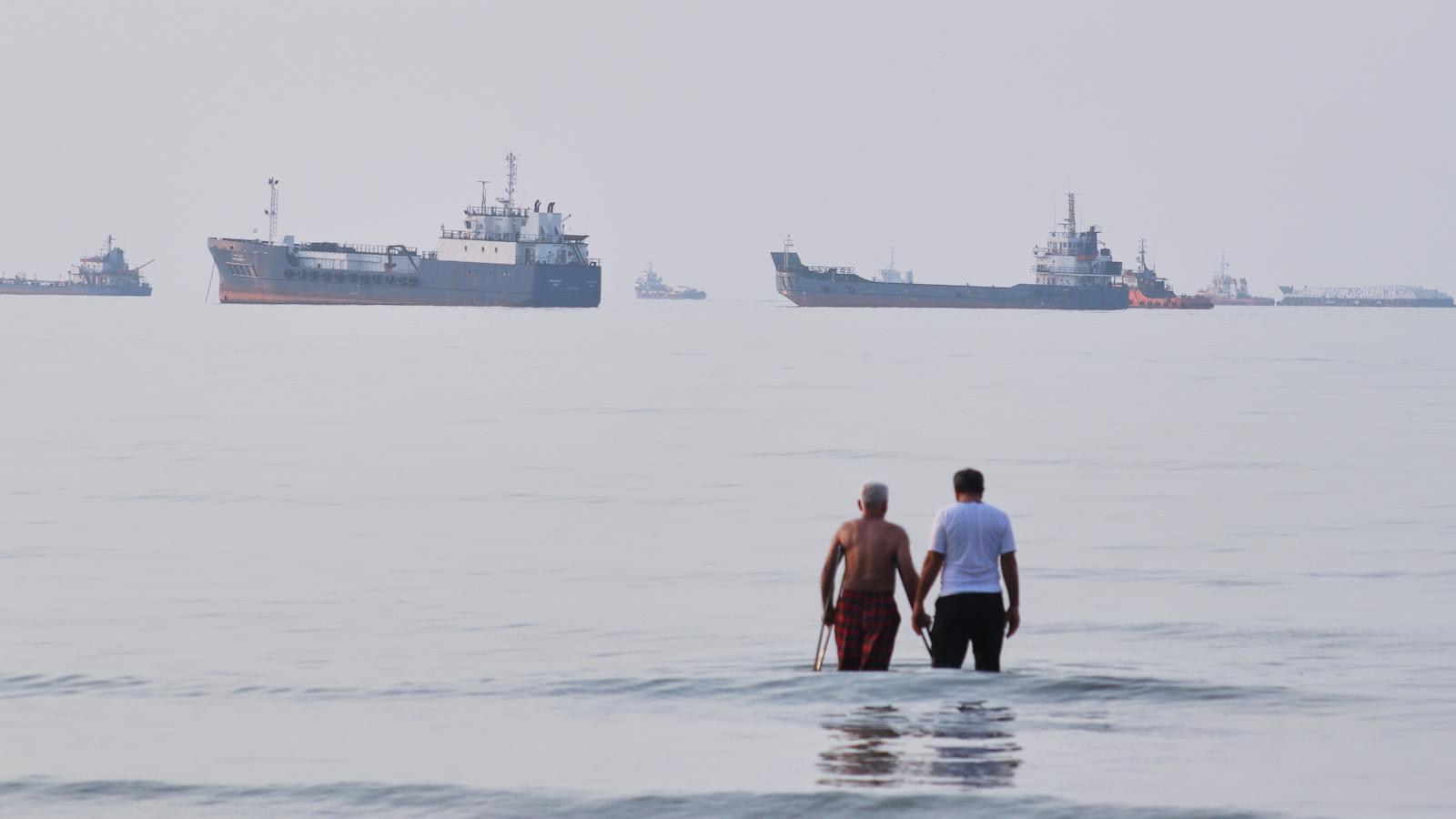
For decades, the Strait of Hormuz has served as the world’s most vital oil passage, facilitating the transit of millions of barrels of crude daily. However, ongoing disruptions to global oil supplies have highlighted the vulnerabilities of this route. In response, Gulf nations are investing heavily in a network of pipelines designed to transport oil independently of this narrow waterway.
New Pipeline Projects Underway
Countries from the UAE to Iraq are accelerating the development of alternative export routes that connect oilfields to ports on the Gulf of Oman, the Red Sea, and the Mediterranean. Government officials, oil companies, and analysts report that at least seven major pipeline projects are currently under construction, in planning, or under discussion. Before recent conflicts, approximately 15 million barrels of Persian Gulf oil passed through the Strait of Hormuz each day. In the coming years, a significant portion of these supplies may be rerouted through these new corridors, thereby reducing reliance on a route that runs alongside Iran’s coast.
The urgency to diversify has intensified as the strait remains under pressure and oil prices stay high. While alternative routes are not immune to disruptions, Gulf producers increasingly view them as essential for safeguarding exports. Recent actions by Iran-backed Houthi rebels in Yemen, who declared a blockade on Saudi-linked vessels in the Red Sea, illustrate that bypassing Hormuz does not guarantee safe passage.
Existing Alternatives
Saudi Arabia has already established a crucial alternative with its East-West pipeline, which transports crude from Abqaiq to Yanbu on the Red Sea coast. This pipeline, built during the Iran-Iraq war in the 1980s, allows for shipments to the Arabian Sea or the Suez Canal. The UAE has also ramped up shipments through Fujairah, its key export terminal located about 145 kilometers south of the Strait of Hormuz. According to the US Energy Information Agency, these two pipeline systems previously had a combined spare capacity of 3.5 million to 5.5 million barrels per day, but that capacity is now nearly fully utilized.
UAE’s Fujairah Pipeline Expansion
Abu Dhabi’s state-owned oil company is fast-tracking a $3 billion, 300-kilometer pipeline that will run parallel to an existing line to Fujairah. This project aims to boost supplies to the port by over 1.2 million barrels per day. Although construction began prior to the current conflict, estimates suggest the pipeline is about halfway complete. It is officially scheduled for completion in early 2027, though mid-2027 is considered more realistic due to necessary expansions of Fujairah’s port infrastructure.
Iraq’s Diversification Efforts
Iraq is also enhancing its efforts to diversify export routes, particularly after disruptions forced a reduction in production. The government, which relies on oil sales for around 90% of its revenue, is collaborating with US companies on pipeline proposals to transport crude from Basra to the Turkish Mediterranean port of Ceyhan. This proposed system would include a branch to Syria’s Mediterranean port of Baniyas, allowing up to 2 million barrels of oil per day to reach the terminal. Additionally, Iraqi officials are in discussions with Jordan regarding the long-planned Basra-Aqaba pipeline, which would facilitate exports through the Red Sea or the Suez Canal.
Trade-offs in Diversification
Goldman Sachs analysts estimate that the planned bypass projects could transport 3.8 million barrels of oil per day by the end of next year, increasing to 7.3 million barrels per day by the end of 2028. This would protect around 60% of the Gulf’s pre-war oil exports from disruptions in the Strait of Hormuz. However, these new routes will also lead to increased shipping times and costs. Pipelines directing crude to the Mediterranean will divert oil from Asian markets, necessitating longer journeys around Africa. Furthermore, routes to Saudi Arabia’s Red Sea coast remain vulnerable to attacks from Houthi rebels, who have previously disrupted shipping in the Bab el-Mandeb Strait.
Despite the potential benefits of these alternative routes, challenges persist. Before the war, about one-fifth of the world’s liquefied natural gas, primarily from Qatar, also transited the Strait of Hormuz, leaving LNG exports similarly exposed to disruptions.
Observer Voice is the one stop site for National, International news, Sports, Editor’s Choice, Art/culture contents, Quotes and much more. We also cover historical contents. Historical contents includes World History, Indian History, and what happened today. The website also covers Entertainment across the India and World.

