

Anaplasma and Ehrlichia: The Tick-Borne Bacterial Infections That Mimic the Flu

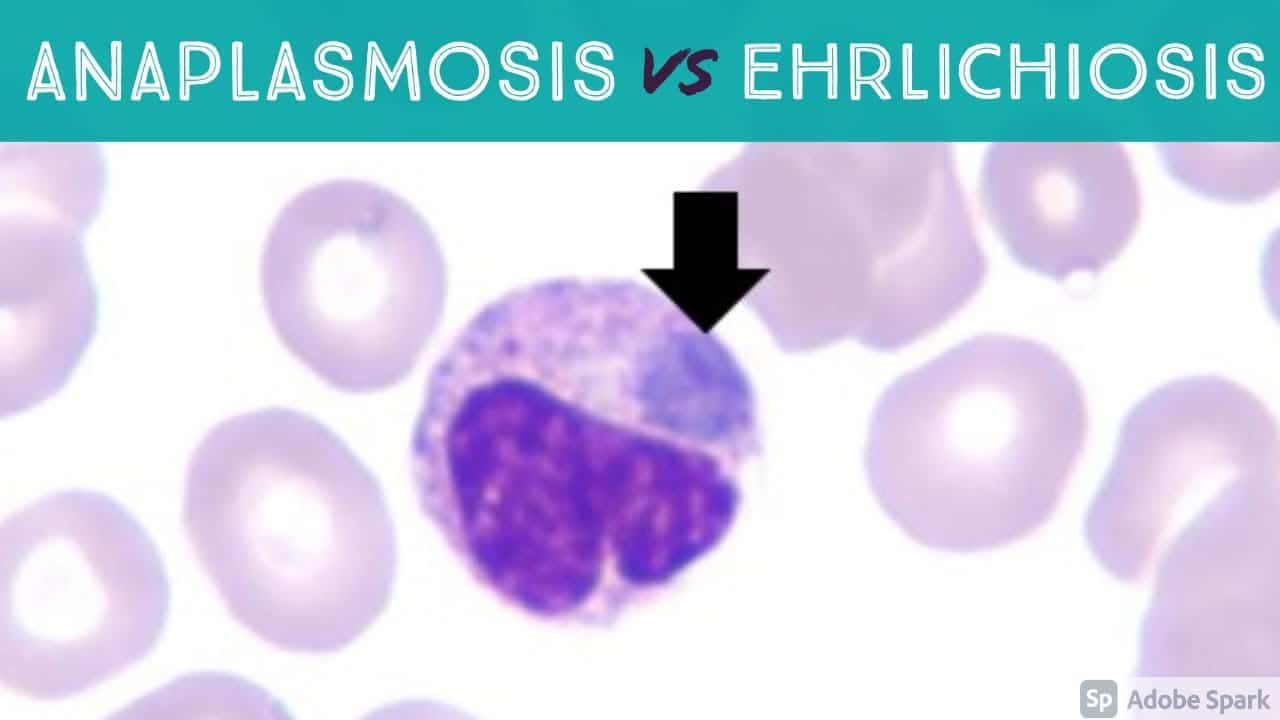
Anaplasmosis and ehrlichiosis are bacterial infections spread through tick bites. Both conditions share remarkably similar symptoms and treatment approaches. Despite this similarity, different bacteria and tick species cause each specific infection.
These infections frequently get mistaken for common flu during initial evaluation. This overlap sometimes delays accurate diagnosis and appropriate treatment. Understanding both conditions helps explain why awareness genuinely matters for outdoor enthusiasts.
Why These Two Infections Are Often Discussed Together
Anaplasmosis and ehrlichiosis share nearly identical symptoms, transmission patterns, and treatment approaches. This similarity makes distinguishing between them clinically challenging without specific testing. Doctors often treat suspected cases similarly, regardless of the exact bacterial cause.
What Causes These Infections
Anaplasmosis results from infection with Anaplasma phagocytophilum bacteria. Blacklegged ticks, also called deer ticks, primarily transmit this specific bacteria. These same ticks also commonly transmit Lyme disease in many regions.
Ehrlichiosis, conversely, stems from infection with Ehrlichia bacteria species. Lone star ticks typically transmit this particular infection instead. Both bacteria infect white blood cells, disrupting normal immune system function.
Why Different Ticks Matter for Risk Assessment
Geographic tick distribution significantly influences which infection poses greater regional risk. Areas with abundant blacklegged ticks see more anaplasmosis cases specifically. Regions with lone star ticks, conversely, report more ehrlichiosis cases instead.
How These Bacteria Affect the Body
Both bacteria specifically target white blood cells, cells responsible for fighting infection. This targeting disrupts normal immune function during active infection. Understanding this mechanism helps explain why these infections cause such pronounced flu-like symptoms.
Recognizing the Symptoms
Both infections typically cause sudden fever, headache, and severe muscle aches. Many patients also experience chills and significant fatigue. These symptoms closely resemble common influenza, making initial recognition genuinely challenging.
Nausea, vomiting, and loss of appetite frequently accompany these primary symptoms too. Some patients develop a rash, though this occurs less commonly than with other tick-borne illnesses. Symptoms typically appear within one to two weeks following an infected tick bite.
Why Flu-Like Symptoms Cause Diagnostic Confusion
Without recent tick exposure, doctors might reasonably suspect seasonal flu first. This overlap frequently delays appropriate testing, especially outside typical flu season. Recognizing recent outdoor activity or tick exposure helps guide more accurate consideration.
Symptoms That Indicate Worsening Illness
Confusion, difficulty breathing, or significant bleeding problems signal potentially severe illness. These symptoms suggest infection has progressed beyond typical mild presentation. Prompt medical attention becomes essential if these warning signs develop.
How Doctors Diagnose Anaplasmosis and Ehrlichiosis
Diagnosis typically begins with detailed questions about recent outdoor activities and tick exposure. Doctors examine for fever, rash, or other suggestive physical findings. Blood tests checking white blood cell counts often reveal characteristic abnormalities.
Specific antibody or genetic testing confirms the exact bacterial infection definitively. However, given urgency, doctors often start treatment before these results return. This proactive approach reflects the importance of prompt antibiotic treatment.
Why Doctors Treat Before Confirming Diagnosis
Both infections can worsen significantly with delayed treatment, similar to other tick-borne diseases. Waiting for laboratory confirmation risks unnecessary symptom progression and complications. Starting antibiotics based on strong clinical suspicion alone improves overall outcomes.
Treatment Options for Both Infections
Doxycycline remains the primary, highly effective antibiotic for both anaplasmosis and ehrlichiosis. Starting this medication promptly leads to rapid improvement in most patients. Most people notice significant symptom relief within just a few days of treatment.
Severe cases occasionally require hospitalization for closer monitoring and supportive care. This becomes particularly important for patients with significant complications or delayed treatment. Most patients, however, recover fully with timely outpatient antibiotic treatment alone.
Why Doxycycline Works So Effectively
Doxycycline specifically targets the type of bacteria causing both these infections effectively. This effectiveness explains why doctors confidently prescribe it even before definitive test confirmation. Most patients respond remarkably well within just days of starting treatment.
When Hospitalization Becomes Necessary
Patients with severe symptoms, significant complications, or delayed diagnosis sometimes require hospital care. This allows closer monitoring of blood counts and organ function during recovery. Most hospitalized patients still recover well with appropriate, timely treatment.
Preventing Anaplasmosis and Ehrlichiosis
Wearing long sleeves and pants during outdoor activities helps prevent tick bites significantly. Using insect repellent containing appropriate active ingredients offers additional meaningful protection. Checking your body thoroughly for ticks after outdoor exposure remains genuinely essential.
Removing attached ticks promptly reduces transmission risk for both these infections. Treating pets for ticks also helps prevent bringing them indoors. These combined prevention strategies offer meaningful protection against both bacterial infections.
Final Thoughts on Anaplasmosis and Ehrlichiosis
Anaplasmosis and ehrlichiosis demonstrate how tick bites can cause illness easily mistaken for common flu. Recognizing recent outdoor exposure helps guide appropriate, timely medical evaluation. Prompt antibiotic treatment leads to excellent recovery for most affected patients.
If you develop flu-like symptoms following outdoor activity or a known tick bite, mention this to your doctor. Don’t assume your symptoms simply reflect seasonal illness alone. With timely diagnosis and treatment, most people recover fully from these tick-borne infections.
Frequently Asked Questions
Can anaplasmosis and ehrlichiosis occur together with Lyme disease?
Yes, since the same tick species sometimes carries multiple bacteria, co-infection can occur. This possibility means doctors sometimes test for several tick-borne illnesses simultaneously. Recognizing this potential overlap helps guide comprehensive, appropriate testing.
How quickly do symptoms appear after a tick bite?
Symptoms typically appear within one to two weeks following an infected tick bite. This timeline helps doctors connect recent outdoor exposure with subsequent flu-like illness. Recognizing this pattern supports more timely, accurate diagnosis.
Are these infections dangerous if left untreated?
Yes, untreated anaplasmosis or ehrlichiosis can lead to serious complications, including organ damage. Severe cases occasionally become life-threatening, particularly in older or immunocompromised patients. Prompt antibiotic treatment significantly reduces this serious complication risk.
Can pets get anaplasmosis or ehrlichiosis too?
Yes, dogs commonly develop both these infections from tick bites as well. Watching for similar symptoms, like fever and lethargy, helps catch infection early in pets. Veterinary care remains important if you suspect infection in your dog.
Will I develop immunity after recovering from one of these infections?
Recovery from anaplasmosis or ehrlichiosis doesn’t necessarily provide lasting immunity against future infection. Reinfection remains possible with subsequent tick bites later. Continued tick bite prevention remains important even after previous recovery.
Disclaimer:
This article is for informational purposes only and does not replace professional medical advice. Please consult a qualified healthcare provider for diagnosis and treatment.
References:
- Every year in the United States, an estimated 500,000 people are diagnosed with Lyme disease.
- Phone clocks aren’t always reliable. Time zone settings get messed up. Travel adds confusion.
- Rocky Mountain spotted fever progresses far faster than many other tick-borne illnesses.
Observer Voice is the one stop site for National, International news, Sports, Editor’s Choice, Art/culture contents, Quotes and much more. We also cover historical contents. Historical contents includes World History, Indian History, and what happened today. The website also covers Entertainment across the India and World.

