

Histoplasmosis: The Fungal Lung Infection Hiding in Bird and Bat Droppings

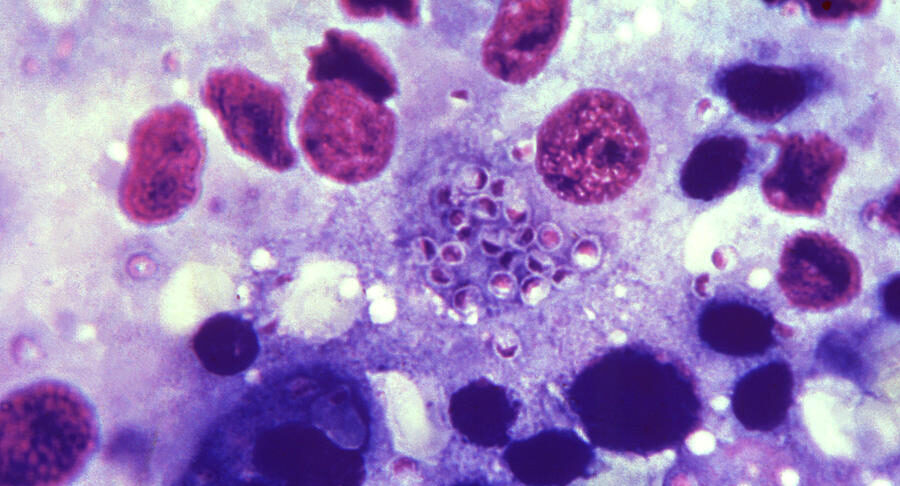
Histoplasmosis is a fungal infection that primarily affects the lungs. It comes from a fungus called Histoplasma, found commonly in soil. This fungus thrives particularly well in soil contaminated with bird or bat droppings.
Most people who inhale these fungal spores never develop noticeable symptoms. However, some people, especially those with weakened immune systems, become seriously ill. Understanding this range helps explain why histoplasmosis varies so much in severity.
Why Droppings Create Such a Hospitable Environment
Bird and bat droppings provide rich nutrients that help Histoplasma fungus thrive. Areas with significant accumulated droppings often harbor especially high fungal concentrations. This connection explains why specific locations carry notably higher infection risk.
How Histoplasmosis Spreads
People become infected by inhaling fungal spores released from disturbed soil. Activities like digging, demolition, or cave exploration can release these spores into the air. Disturbing accumulated bird or bat droppings significantly increases this airborne spore release.
This infection doesn’t spread between people under normal circumstances. Instead, environmental exposure remains the only meaningful transmission route. This distinction helps clarify why prevention focuses on environmental precautions specifically.
Common Locations Where Exposure Occurs
Caves containing bat colonies represent classic high-risk locations for exposure. Chicken coops, barns, and areas with roosting birds also pose significant risk. Construction or demolition projects disturbing contaminated soil can release spores unexpectedly too.
Why This Infection Isn’t Contagious
Since transmission requires inhaling environmental spores, person-to-person spread doesn’t occur. Even close contact with an infected person poses no infection risk. This characteristic significantly differs from many other infectious respiratory illnesses.
Recognizing the Symptoms
Many people infected with Histoplasma never develop any noticeable symptoms. When symptoms do occur, they often resemble mild flu-like illness. Fever, cough, and fatigue frequently represent these initial, milder symptoms.
In more significant cases, chest pain and difficulty breathing can develop further. Some people experience symptoms lasting several weeks before gradually improving. Severe cases, though uncommon, can affect multiple organs beyond just the lungs.
Why Most Cases Remain Mild
A healthy immune system typically controls Histoplasma infection effectively without intervention. This explains why most exposed individuals never develop noticeable illness. Recognizing this reassures most people regarding typical infection outcomes.
Who Faces Risk for More Severe Illness
People with weakened immune systems face substantially higher risk for severe histoplasmosis. This includes individuals with HIV, organ transplants, or certain medications suppressing immunity. Older adults and infants also face somewhat elevated risk for complications.
How Doctors Diagnose Histoplasmosis
Diagnosis typically begins with a detailed history, including potential exposure locations. Doctors specifically ask about caves, bird roosts, or recent excavation activities. This exposure history significantly supports accurate, timely diagnosis.
Blood and urine tests can detect specific antigens related to Histoplasma infection. Chest X-rays sometimes reveal characteristic lung patterns associated with this fungus. Combining these results with exposure history confirms diagnosis effectively.
Why Exposure History Remains So Important
Without mentioning relevant exposure, doctors might not immediately suspect histoplasmosis specifically. Sharing details about recent activities helps guide appropriate, targeted testing decisions. This information frequently proves essential for efficient, accurate diagnosis.
Treatment Options for Histoplasmosis
Mild cases often resolve naturally without requiring specific antifungal treatment. The body’s immune system typically clears the infection independently over time. Rest and symptom management usually suffice for these milder cases.
More severe or persistent cases require antifungal medication for effective treatment. Itraconazole represents a commonly prescribed antifungal for moderate histoplasmosis cases. Severe cases may require longer treatment courses, sometimes lasting several months.
Why Treatment Duration Varies Considerably
Treatment length depends heavily on infection severity and individual immune status. Mild cases need no treatment, while severe cases require extended antifungal therapy. This variation reflects how differently histoplasmosis can affect different individuals.
Managing Severe or Disseminated Cases
When infection spreads beyond the lungs, more intensive antifungal treatment becomes necessary. Hospitalization sometimes occurs for closely monitoring severe, disseminated infections. Most patients, even with severe disease, eventually respond well to appropriate antifungal therapy.
Preventing Histoplasmosis Exposure
Avoiding unnecessary contact with bird or bat droppings significantly reduces infection risk. Wearing protective masks during activities disturbing contaminated soil offers important protection. This precaution proves especially important during cave exploration or demolition work.
Wetting down soil before disturbing it can help reduce airborne spore release. Professional cleanup services should handle large-scale dropping accumulation whenever possible. These combined strategies offer meaningful protection against histoplasmosis exposure.
Final Thoughts on Histoplasmosis
Histoplasmosis demonstrates how environmental exposure can lead to unexpected fungal infection. Understanding specific risk locations and recognizing symptoms helps ensure appropriate, timely care. Most people recover fully, though some face more significant illness requiring treatment.
If you develop respiratory symptoms following relevant environmental exposure, mention this to your doctor. Early recognition helps guide appropriate testing and treatment decisions. With proper care, most people manage histoplasmosis successfully, regardless of initial severity.
Frequently Asked Questions
Can histoplasmosis spread between people?
No, histoplasmosis doesn’t spread from person to person under normal circumstances. Infection requires inhaling fungal spores from contaminated environmental sources directly. This makes environmental exposure the only meaningful transmission route.
How long does it take for symptoms to appear after exposure?
Symptoms typically appear within three to seventeen days following spore inhalation. Most people notice symptoms within one to two weeks if they develop at all. This variable timeline reflects individual immune response differences.
Can pets get histoplasmosis too?
Yes, pets, particularly dogs, can occasionally develop histoplasmosis from similar environmental exposure. Symptoms in pets often include coughing, weight loss, and reduced appetite. Veterinary evaluation helps address any concerns regarding pet exposure.
Is histoplasmosis common everywhere?
Histoplasmosis occurs more frequently in specific regions with favorable soil and climate conditions. Certain river valleys see notably higher rates of this infection. Awareness of regional risk helps guide appropriate precautions during outdoor activities.
Can histoplasmosis become a chronic, lasting infection?
In rare cases, particularly with weakened immunity, histoplasmosis can become chronic or recurring. This typically requires longer-term antifungal treatment and closer monitoring. Most healthy individuals, however, recover completely without lasting infection.
Disclaimer:
This article is for informational purposes only and does not replace professional medical advice. Please consult a qualified healthcare provider for diagnosis and treatment.
References:
- Unlike diseases WHO can eradicate through vaccination alone, tetanus spores exist permanently in soil worldwide.
- Long-footed potoroos forage for fungi at night. This potoroo was captured on a trail camera.
Emily McIntyre, CC BY-NC - Sjögren’s Syndrome is a chronic autoimmune disease where the immune system attacks the salivary and lacrimal glands,
Observer Voice is the one stop site for National, International news, Sports, Editor’s Choice, Art/culture contents, Quotes and much more. We also cover historical contents. Historical contents includes World History, Indian History, and what happened today. The website also covers Entertainment across the India and World.

