

Pelvic Inflammatory Disease (PID): Long-Term Consequences of an Undertreated STI

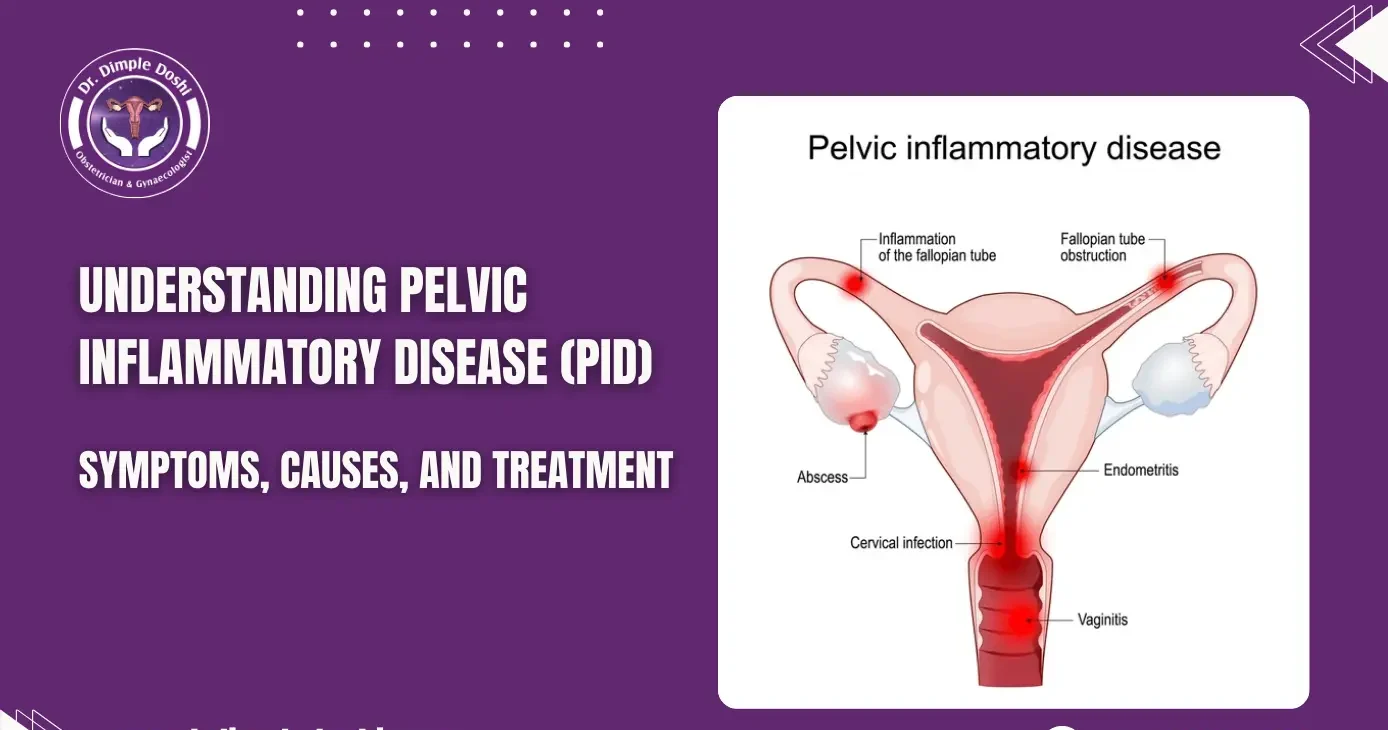
Pelvic inflammatory disease, often called PID, is an infection of the female reproductive organs. It typically affects the uterus, fallopian tubes, and ovaries. Most cases develop when bacteria travel upward from the vagina or cervix.
This condition often begins as a treatable infection. However, without prompt treatment, it can cause lasting damage. Understanding this progression highlights why early action matters so much.
How an STI Leads to PID
Sexually transmitted infections, particularly chlamydia and gonorrhea, frequently cause PID. These infections sometimes show few or no symptoms initially. Without treatment, bacteria can spread upward, leading to widespread pelvic inflammation.
Why PID Often Goes Untreated
Many women don’t realize they have an infection until complications arise. Chlamydia, in particular, often causes mild or unnoticeable symptoms. This silent progression allows the infection to spread before anyone seeks treatment.
Additionally, some women delay seeking care due to embarrassment or stigma. Limited access to healthcare also prevents timely diagnosis for many. These combined factors contribute significantly to undertreated PID cases.
The Danger of Mild or Absent Symptoms
Some women experience only mild pelvic discomfort, easily mistaken for routine cramps. Others notice no symptoms whatsoever during early infection stages. This lack of obvious warning signs makes early detection genuinely difficult.
Barriers to Seeking Timely Care
Stigma surrounding sexually transmitted infections often discourages open conversations with doctors. Cost concerns and limited healthcare access add further obstacles. Addressing these barriers remains essential for improving early PID detection.
Recognizing the Symptoms
Pelvic pain is one of the most common PID symptoms. This pain often feels dull and persistent rather than sharp. Many women also experience unusual vaginal discharge with an unpleasant odor.
Fever and pain during intercourse can also occur. Irregular bleeding between periods sometimes develops as well. In severe cases, nausea and vomiting may accompany intense pelvic pain.
When Symptoms Indicate an Emergency
Severe abdominal pain combined with high fever requires immediate medical attention. This combination might indicate a serious complication, like an abscess. Don’t delay seeking emergency care if symptoms feel sudden and severe.
How Doctors Diagnose PID
Diagnosis typically starts with a detailed discussion of your symptoms and sexual history. Your doctor will perform a pelvic exam to check for tenderness. This exam helps identify signs consistent with pelvic inflammation.
Lab tests can confirm the presence of specific infections, like chlamydia or gonorrhea. An ultrasound sometimes helps visualize abscesses or other complications. Combining these tools allows for accurate, timely diagnosis.
Why Early Diagnosis Changes the Outcome
Catching PID early significantly reduces the risk of lasting damage. Prompt antibiotic treatment can resolve infection before scarring develops. This is precisely why awareness and quick action matter immensely.
The Long-Term Consequences of Untreated PID
Untreated PID can cause permanent scarring within the fallopian tubes. This scarring frequently leads to infertility, sometimes permanently. The longer treatment gets delayed, the higher this risk becomes.
Chronic pelvic pain represents another significant long-term consequence. This persistent pain can last for years, even after treating the infection. Many women also face an increased risk of ectopic pregnancy afterward.
How Scarring Leads to Infertility
Scar tissue can block the fallopian tubes, preventing egg and sperm from meeting. This blockage makes natural conception significantly more difficult. In some cases, in vitro fertilization becomes the only viable option.
Increased Risk of Ectopic Pregnancy
Scarred fallopian tubes increase the risk of ectopic pregnancy substantially. This dangerous condition occurs when a fertilized egg implants outside the uterus. Ectopic pregnancies require urgent medical intervention to prevent serious complications.
Chronic Pain That Persists for Years
Even after successful antibiotic treatment, some women develop lasting pelvic pain. This chronic discomfort often results from internal scarring and adhesions. Managing this long-term pain sometimes requires ongoing specialized care.
Treatment Options for PID
Treatment usually involves a course of antibiotics targeting the underlying infection. Doctors often prescribe multiple antibiotics together for broader coverage. Completing the entire course remains essential, even if symptoms improve quickly.
In severe cases, hospitalization becomes necessary for intravenous antibiotic treatment. Surgery may also become necessary if an abscess develops. Prompt treatment significantly reduces the risk of long-term complications.
Why Treating Sexual Partners Matters Too
Treating sexual partners helps prevent reinfection after successful treatment. Without this step, the same infection can return repeatedly. Open communication with partners plays a crucial role in full recovery.
Preventing PID From Developing
Practicing safe sex significantly reduces your risk of developing PID. Regular STI screening helps catch infections before they spread further. Prompt treatment of any diagnosed infection prevents progression toward PID.
Open communication with healthcare providers also supports early detection. Don’t hesitate to discuss any unusual symptoms, regardless of embarrassment. Prevention truly remains the most effective strategy against this condition.
Final Thoughts on Pelvic Inflammatory Disease
Pelvic inflammatory disease represents a serious, yet often preventable, health concern. Recognizing symptoms early and seeking prompt treatment can prevent lasting damage. Untreated infections carry real, life-altering consequences for many women.
If you notice unusual pelvic pain or discharge, don’t wait. Seek medical evaluation as soon as possible. Early action remains your strongest defense against the lasting effects of PID.
Frequently Asked Questions
Can PID be cured completely?
PID can often be cured with prompt antibiotic treatment. However, any scarring that has already developed cannot be reversed. This is why early treatment remains so critically important.
Is PID always caused by an STI?
Most PID cases result from untreated sexually transmitted infections like chlamydia or gonorrhea. However, other bacteria can occasionally cause PID too. Identifying the exact cause helps guide appropriate treatment.
Can men get pelvic inflammatory disease?
PID specifically affects female reproductive organs, so men don’t develop this condition. However, men can carry and transmit infections that cause PID in partners. Treating both partners helps prevent reinfection.
Does PID always cause infertility?
PID doesn’t always cause infertility, especially when treated promptly. However, repeated infections or delayed treatment significantly increase this risk. Early diagnosis greatly improves long-term fertility outcomes.
How can I protect myself from PID?
Using condoms consistently reduces your risk of infections that lead to PID significantly. Regular STI testing also helps catch infections before they spread. Prompt treatment of any diagnosed infection further lowers your overall risk.
Disclaimer:
This article is for informational purposes only and does not replace professional medical advice. Please consult a qualified healthcare provider for diagnosis and treatment.
References:
Observer Voice is the one stop site for National, International news, Sports, Editor’s Choice, Art/culture contents, Quotes and much more. We also cover historical contents. Historical contents includes World History, Indian History, and what happened today. The website also covers Entertainment across the India and World.

