

Adenomyosis: Endometriosis of the Uterine Wall — the Pain Condition Often Overlooked

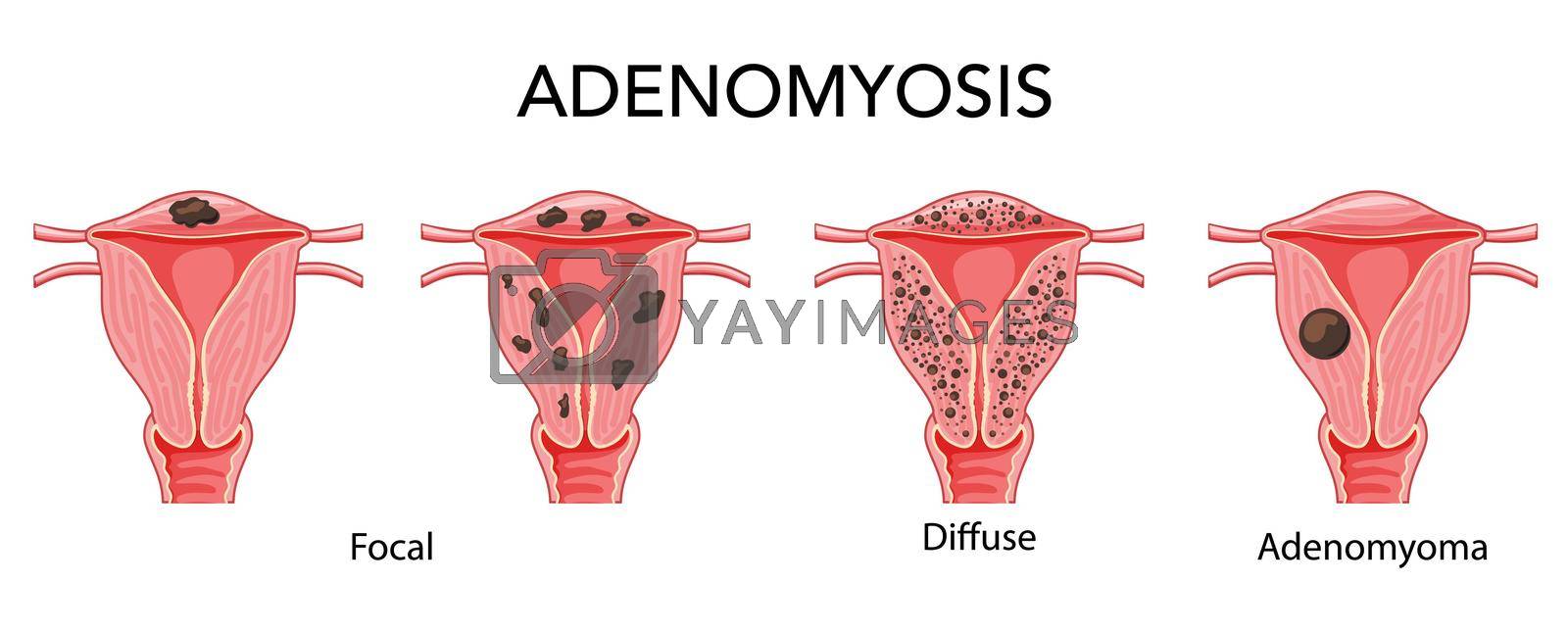
Adenomyosis is a condition where tissue from the uterine lining grows into the uterine wall. This misplaced tissue continues acting like normal lining tissue. Each month, it thickens, breaks down, and bleeds, just like your regular period.
However, this tissue has nowhere to go since it’s trapped inside the muscle wall. As a result, the uterus often becomes enlarged and tender. Many women experience significant pain and heavy bleeding because of this process.
How Adenomyosis Differs From Endometriosis
People often confuse adenomyosis with endometriosis, and understandably so. Endometriosis involves tissue growing outside the uterus entirely. Adenomyosis, by contrast, involves tissue growing directly within the uterine wall itself.
Why This Condition Often Gets Overlooked
Many women assume painful, heavy periods are simply normal. Because of this, they don’t mention symptoms during routine checkups. Doctors may also attribute symptoms to common menstrual cramps without further investigation.
Additionally, adenomyosis doesn’t always show clear signs on standard pelvic exams. This makes it easy to miss without specialized imaging. Consequently, many women live with undiagnosed adenomyosis for years.
The Overlap With Other Conditions
Adenomyosis symptoms closely resemble those of fibroids and endometriosis. This similarity often delays accurate diagnosis significantly. Doctors sometimes need additional testing to distinguish between these separate conditions.
What Causes Adenomyosis
Researchers haven’t identified one definite cause for adenomyosis yet. However, several theories attempt to explain its development. One theory suggests uterine tissue invades the muscle wall directly during uterine trauma.
Another theory points to developmental factors present from birth. Hormonal influences likely play a significant role too, since estrogen seems to fuel tissue growth. Genetics may also contribute, as the condition sometimes runs in families.
Who Is Most Likely to Develop It
Adenomyosis most commonly affects women between thirty-five and fifty years old. Women who have given birth face a higher risk. Previous uterine surgery, like a cesarean section, may also increase susceptibility.
Recognizing the Symptoms
Heavy, prolonged menstrual bleeding is one of the most common symptoms. Many women also experience severe cramping that worsens over time. This pain often intensifies as the condition progresses.
Some women notice pelvic pressure or a feeling of fullness. Pain during intercourse can also occur in more severe cases. Additionally, the uterus may feel tender or enlarged during a physical examination.
How Symptoms Can Vary Between Women
Not every woman experiences severe symptoms with adenomyosis. Some notice only mild changes in their menstrual cycle. Others face debilitating pain that significantly disrupts daily activities.
How Doctors Diagnose Adenomyosis
Diagnosis typically begins with a detailed discussion of your symptoms. Your doctor will also perform a pelvic exam to check uterine size. An enlarged, tender uterus often raises suspicion for adenomyosis.
Imaging tests provide more definitive answers. An ultrasound can reveal thickened uterine walls consistent with this condition. In some cases, doctors recommend an MRI for clearer, more detailed imaging.
Why MRI Often Provides Clearer Answers
MRI scans show uterine wall layers in greater detail than ultrasound. This clarity helps doctors distinguish adenomyosis from fibroids more accurately. Choosing the right imaging tool can significantly speed up diagnosis.
Treatment Options for Adenomyosis
Treatment depends on symptom severity and whether you want future pregnancies. Pain relievers and anti-inflammatory medications often help manage mild discomfort. Hormonal treatments, like birth control, can also reduce heavy bleeding and pain.
For more severe cases, doctors may suggest additional options. A procedure called uterine artery embolization can shrink affected tissue. In cases where symptoms remain unmanageable, a hysterectomy offers a permanent solution.
Non-Surgical Approaches Worth Considering
Hormonal intrauterine devices often reduce bleeding and pain effectively. These devices release hormones directly into the uterus. Many women find this option helpful before considering more invasive treatments.
When Hysterectomy Becomes the Best Option
Hysterectomy remains the only complete cure for adenomyosis. Doctors typically reserve this option for women who don’t want future pregnancies. This decision involves careful discussion between you and your doctor.
Living With Adenomyosis
Managing adenomyosis often requires a combination of medical treatment and lifestyle adjustments. Tracking your symptoms helps identify patterns and treatment effectiveness. Regular checkups ensure your treatment plan stays appropriate over time.
Support from family and healthcare providers makes managing this condition easier. Open communication about pain levels helps guide treatment decisions. Many women successfully manage symptoms and maintain a good quality of life.
Final Thoughts on Adenomyosis
Adenomyosis deserves more attention than it typically receives. Recognizing its symptoms early can lead to faster, more effective treatment. Don’t dismiss severe period pain as something you simply must endure.
If your periods feel unusually painful or heavy, speak with your doctor. Proper diagnosis opens the door to meaningful relief. With the right treatment plan, managing adenomyosis successfully becomes entirely possible.
Frequently Asked Questions
Is adenomyosis the same as fibroids?
Adenomyosis and fibroids are different conditions, though symptoms can overlap significantly. Fibroids are solid growths within the uterine muscle. Adenomyosis involves uterine lining tissue growing into the muscle wall instead.
Can adenomyosis affect fertility?
Adenomyosis can potentially affect fertility in some women, though many still conceive successfully. The condition may make implantation slightly more difficult in certain cases. Discussing fertility concerns with your doctor helps clarify your specific situation.
Does adenomyosis go away after menopause?
Adenomyosis symptoms typically improve significantly after menopause. Declining estrogen levels reduce the tissue growth driving this condition. Many women experience substantial relief once menopause begins.
Is hysterectomy the only treatment for adenomyosis?
Hysterectomy isn’t the only treatment available for adenomyosis. Many women manage symptoms successfully with medication or hormonal therapy. Hysterectomy becomes an option mainly when other treatments fail to provide relief.
Can adenomyosis be confused with endometriosis on imaging?
Adenomyosis and endometriosis can sometimes appear similar on certain imaging tests. However, MRI scans usually help distinguish between these two conditions accurately. Some women, unfortunately, experience both conditions simultaneously.
Disclaimer:
This article is for informational purposes only and does not replace professional medical advice. Please consult a qualified healthcare provider for diagnosis and treatment.
References:
- Endometriosis occurs when tissue resembling the uterine lining grows in the wrong places.
- Diagnosing leiomyosarcoma requires imaging demonstrating soft tissue mass combined with biopsy confirming malignant smooth muscle and grading determining prognosis and treatment.
- Visanne is a synthetic drug from a family of hormones called progestins. It works by reducing the production of another hormone called estradiol.
- Smooth muscle: involuntary muscle tissue throughout body—brain has no conscious control.
Observer Voice is the one stop site for National, International news, Sports, Editor’s Choice, Art/culture contents, Quotes and much more. We also cover historical contents. Historical contents includes World History, Indian History, and what happened today. The website also covers Entertainment across the India and World.

