

Endometriosis: Why It Takes 7–10 Years to Diagnose and What That Costs Women

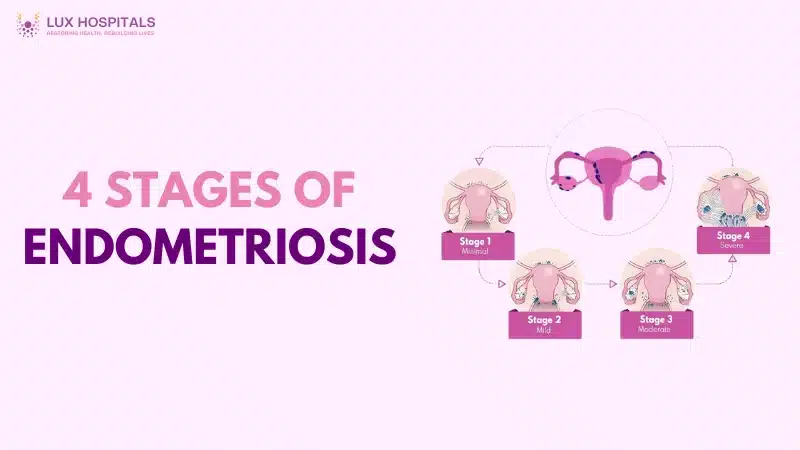
Imagine living with severe pain for years without a clear explanation. For countless women, this scenario describes their experience with endometriosis. On average, diagnosis takes between seven and ten years.
This isn’t a small delay. It’s nearly a decade of unanswered questions and unmanaged symptoms. Exploring why this happens reveals troubling patterns in how women’s pain gets treated.
A Condition Hiding in Plain Sight
Endometriosis occurs when tissue resembling the uterine lining grows in the wrong places. This tissue can attach to ovaries, the bowel, or other pelvic organs. Despite affecting millions, it remains widely misunderstood, even among healthcare providers.
Tracing the Roots of the Delay
Several overlapping issues create this lengthy diagnostic gap. First, symptoms frequently mimic other conditions, like digestive disorders. Doctors often investigate these alternatives before considering endometriosis at all.
Second, cultural attitudes toward menstrual pain complicate things further. Many girls grow up believing intense period pain is simply normal. Consequently, they delay seeking help, assuming their suffering is just part of being a woman.
Symptom Overlap With Other Conditions
Endometriosis symptoms closely resemble irritable bowel syndrome and pelvic inflammatory disease. This overlap confuses both patients and doctors during initial evaluations. Without specific testing, identifying the real cause takes considerable time.
Dismissal and Disbelief in Medical Settings
Some women report feeling dismissed when describing severe pain to doctors. Their concerns sometimes get labeled as exaggerated or psychological. This dismissal can delay proper referral and testing for years.
The Diagnostic Process Explained
Confirming endometriosis typically starts with a detailed symptom history. Doctors ask about pain timing, intensity, and patterns related to your cycle. A pelvic exam usually follows to check for tenderness or abnormalities.
Ultrasounds can sometimes detect related cysts, but they don’t confirm everything. Laparoscopy, a minor surgical procedure, remains the definitive diagnostic tool. During this surgery, doctors directly examine pelvic organs for abnormal tissue growth.
Why Many Women Avoid Laparoscopy Initially
Surgery understandably feels intimidating to many patients. Some doctors also hesitate to recommend it without stronger initial evidence. This hesitation, though cautious, often extends the overall diagnostic timeline.
The Real Cost of Waiting Years for Answers
Delayed diagnosis carries consequences far beyond physical discomfort. Chronic, unexplained pain often affects careers, relationships, and mental wellbeing. Many women describe feeling isolated during their search for answers.
Fertility concerns also intensify the longer this process drags on. Untreated endometriosis can potentially impact reproductive health over time. Earlier diagnosis generally allows more flexibility in fertility-related decisions.
Mental Health Consequences Deserve Attention
Living with unexplained pain often leads to anxiety and depression. Constantly advocating for yourself without results becomes exhausting. Mental health support should remain part of comprehensive endometriosis care.
Economic Burden on Patients
Repeated medical visits and unresolved symptoms increase healthcare expenses substantially. Missed work due to pain flare-ups can hurt income and career progress. These financial pressures often compound the emotional toll already present.
Symptoms That Deserve Closer Attention
Pain that worsens during periods, intercourse, or bowel movements warrants evaluation. Persistent pelvic pain outside your typical cycle shouldn’t be brushed aside either. Heavy bleeding combined with severe cramping also signals a need for testing.
Fatigue, bloating, and digestive discomfort frequently accompany these primary symptoms. Recognizing this broader symptom pattern helps women seek appropriate care sooner. Trusting your instincts about your own body remains incredibly important.
Advocating for Yourself During Appointments
Clearly describe how pain affects your daily activities and routine. Ask directly about endometriosis if symptoms match this pattern. Persistence often makes a meaningful difference in getting proper referrals.
Treatment Paths After Diagnosis
Once diagnosed, treatment options depend on symptom severity and personal goals. Hormonal therapies and pain medications often provide meaningful symptom relief. These treatments work by reducing inflammation and limiting abnormal tissue growth.
Surgical removal of endometrial tissue offers another effective option. This approach often reduces pain and may improve fertility outcomes. Your doctor will help determine which path best suits your situation.
Building a Long-Term Management Plan
Endometriosis often requires ongoing management rather than a one-time fix. Regular checkups help track symptoms and adjust treatment as needed. A collaborative relationship with your healthcare provider supports better long-term outcomes.
Pushing for Earlier Recognition
Greater medical education about endometriosis can shorten diagnostic delays significantly. Encouraging women to trust their pain, rather than dismiss it, matters greatly. Public awareness campaigns continue helping normalize conversations around menstrual health.
Every woman deserves prompt, respectful evaluation of her symptoms. Faster diagnosis ultimately means less suffering and better long-term outcomes. Change requires effort from patients, doctors, and the broader healthcare system together.
Final Thoughts on the Endometriosis Diagnostic Gap
Nearly a decade is far too long to wait for answers. Understanding why this delay happens empowers women to advocate more effectively. Awareness remains one of the most powerful tools against this prolonged struggle.
If pelvic pain disrupts your life, don’t accept it as inevitable. Seek a thorough evaluation from a knowledgeable provider soon. Quicker diagnosis paves the way toward relief, better planning, and renewed quality of life.
Frequently Asked Questions
Why is endometriosis so often missed by doctors?
Its symptoms closely resemble other common conditions, leading to misdiagnosis. Many doctors also lack specialized training in recognizing it quickly. These combined factors contribute to lengthy diagnostic delays.
Is laparoscopy the only way to diagnose endometriosis?
Laparoscopy remains the definitive diagnostic method available today. However, doctors sometimes begin treatment based on strong symptom patterns alone. Imaging tests can support suspicion but rarely confirm the diagnosis fully.
Can untreated endometriosis get worse over time?
Yes, untreated endometriosis can potentially progress and cause additional complications. Pain may intensify, and fertility concerns can increase over time. Early treatment generally helps manage progression more effectively.
Does every woman with endometriosis struggle with fertility?
Not every woman with endometriosis experiences fertility problems. Many conceive naturally without significant difficulty. Others may require fertility treatments depending on disease severity and location.
What should I do if I suspect I have endometriosis?
Start by tracking your symptoms, including pain timing and intensity. Share this information clearly with your doctor during appointments. Requesting a referral to a gynecologist can also help speed up proper evaluation.
Disclaimer:
This article is for informational purposes only and does not replace professional medical advice. Please consult a qualified healthcare provider for diagnosis and treatment.
References:
- The Samsung Galaxy S26+ is equipped with a 6.7-inch Dynamic AMOLED display,
- The trend of declining fertility has prompted a reassessment of family-building choices across various regions of India.
Observer Voice is the one stop site for National, International news, Sports, Editor’s Choice, Art/culture contents, Quotes and much more. We also cover historical contents. Historical contents includes World History, Indian History, and what happened today. The website also covers Entertainment across the India and World.

