

Interstitial Cystitis: The Chronic Condition Behind UTI Symptoms

Imagine feeling the urge to urinate urgently — dozens of times a day and through the night — with persistent pelvic pain and discomfort that never fully goes away. Doctors test for infection. The results come back negative. Antibiotics do not help. Yet the symptoms continue, day after day, week after week.
This is the reality for millions of people living with interstitial cystitis. It is a chronic condition in which the bladder becomes persistently painful, irritated, and hypersensitive — without any bacterial infection being present. Because its symptoms closely resemble those of a urinary tract infection — called a UTI — it is frequently missed, misdiagnosed, and inadequately treated for years.
Interstitial cystitis bladder pain syndrome UTI symptoms represent one of the most frustrating diagnostic challenges in urology and gynaecology. Furthermore, the condition significantly affects quality of life — disrupting sleep, work, relationships, and mental health. However, accurate diagnosis and a structured management plan can meaningfully reduce symptoms and help people regain control of their daily lives. Understanding what interstitial cystitis actually is, what causes it, and how it is treated is the essential first step toward getting the right help.
Quick Answer
Interstitial cystitis — also called bladder pain syndrome — is a chronic condition causing persistent bladder pain, pressure, and urinary urgency without infection. It closely mimics UTI symptoms but tests negative for bacteria. The exact cause is unknown. Treatment focuses on reducing bladder irritation and managing pain through a combination of lifestyle changes and medical therapies.
What Is Interstitial Cystitis?
Defining the Condition
Interstitial cystitis — abbreviated as IC — is a chronic bladder condition characterised by persistent pain or pressure in the bladder and pelvis, combined with urinary urgency and frequency. Doctors also call it bladder pain syndrome or painful bladder syndrome. These names reflect the fact that pain — not infection — is the defining feature.
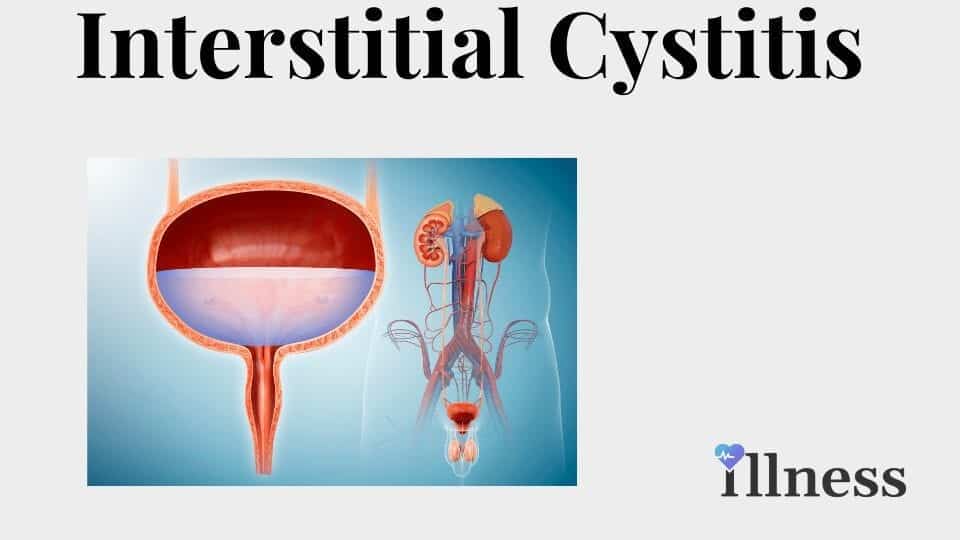
The bladder is a hollow muscular organ that stores urine until it is ready to be released. Its inner lining — called the urothelium — normally acts as a protective barrier between urine and the bladder wall. In people with interstitial cystitis, this protective lining is thought to become damaged or defective. As a result, substances in the urine — particularly potassium and other irritants — penetrate the bladder wall, triggering nerve activation, inflammation, and pain.
How Common Is It?
Interstitial cystitis is more common than many people — and many doctors — realise. Estimates suggest it affects between three and eight million people in the United States alone. Furthermore, it is significantly more common in women than in men, though men can and do develop the condition. It most commonly affects adults between the ages of 30 and 50. However, it can develop at any age, including in teenagers and older adults.
Because interstitial cystitis is so frequently mistaken for recurrent UTIs, its true prevalence is likely underestimated. Consequently, the average time from symptom onset to accurate diagnosis can stretch to several years in many cases — a delay that causes unnecessary suffering and anxiety for affected individuals.
What Causes Interstitial Cystitis?
The Defective Bladder Lining Theory
The exact cause of interstitial cystitis bladder pain syndrome UTI symptoms remains unknown. However, researchers have identified several mechanisms that are likely to play a role. The most widely accepted theory involves a defect in the glycosaminoglycan layer — the protective coating on the inside surface of the bladder. This coating normally prevents urine from irritating the bladder wall. When it breaks down, urine components penetrate the wall directly and trigger nerve activity, mast cell activation, and chronic inflammation.
This defect may result from an autoimmune process — where the immune system attacks the bladder’s own lining — similar to other autoimmune conditions. For context on how autoimmune processes damage organ systems more broadly, see our article on lupus nephritis — when lupus attacks the kidneys.
Other Contributing Factors
Several other factors appear to contribute to interstitial cystitis in different people. Nerve hypersensitivity — a state in which pain-sensing nerves in the bladder become overactive and respond to stimuli that would not normally cause pain — plays an important role in many patients. In addition, pelvic floor muscle dysfunction — abnormal tension or coordination problems in the muscles of the pelvic floor — contributes to both bladder pain and urinary urgency in a significant proportion of patients.
Mast cell activation — a component of the immune system’s inflammatory response — is elevated in the bladder tissue of some people with interstitial cystitis. Moreover, a history of recurrent urinary tract infections may damage the bladder lining and predispose certain individuals to developing chronic bladder pain over time. Psychological factors including stress and anxiety do not cause interstitial cystitis but they do significantly amplify pain perception and worsen symptoms during flares. For more information on how urinary pain conditions relate to kidney health, see our article on kidney stones — types, causes, prevention, and pain management.
Symptoms of Interstitial Cystitis
The Core Symptom Pattern
The symptoms of interstitial cystitis bladder pain syndrome UTI symptoms vary considerably between individuals. However, most people share a core pattern of symptoms that distinguishes IC from other bladder conditions. Bladder pain or pressure is the defining symptom. It typically worsens as the bladder fills with urine and partially — but often not completely — improves after urination. This cycle of filling pain and partial relief after voiding is highly characteristic of interstitial cystitis.
Urinary frequency is another hallmark symptom. Many people with IC urinate eight or more times during the day and wake multiple times overnight. This is not caused by large volumes of urine — in fact, each urination typically produces only a small amount. Instead, it reflects the bladder’s hypersensitivity and reduced capacity to hold urine comfortably. Urinary urgency — the sudden and compelling need to urinate immediately — accompanies frequency in most patients.
Additional Symptoms and Triggers
Pelvic pain is a common and often debilitating feature of interstitial cystitis. It can affect the lower abdomen, the urethra, the vaginal area in women, the penile and scrotal area in men, and the perineum — the area between the genitals and the back passage. Furthermore, pain during or after sexual intercourse is common and significantly affects intimate relationships and quality of life for many people with IC.
Symptoms typically fluctuate over time. Many patients experience flares — periods of significantly worsened symptoms — triggered by specific factors. Common triggers include certain foods and drinks, hormonal changes, stress, sexual activity, prolonged sitting, urinary tract infections, and tight clothing. In addition, acidic foods and drinks — such as citrus fruits, tomatoes, coffee, alcohol, carbonated drinks, and spicy foods — are among the most consistently reported dietary triggers. Consequently, identifying and avoiding personal triggers forms an important part of symptom management.
How Doctors Diagnose Interstitial Cystitis
Ruling Out Other Conditions First
Diagnosing interstitial cystitis bladder pain syndrome UTI symptoms is primarily a process of exclusion — ruling out other conditions that cause similar symptoms before confirming IC. Doctors first exclude bacterial urinary tract infection with a urine culture. They also exclude bladder cancer, kidney stones, overactive bladder, endometriosis in women, and chronic prostatitis in men — all of which can produce overlapping symptoms.
A careful history is the most important diagnostic tool. Doctors assess the specific pattern of pain in relation to bladder filling and emptying, the frequency and urgency of urination, the duration of symptoms, prior antibiotic use, and the presence of dietary or stress-related triggers. Furthermore, a validated symptom questionnaire — such as the O’Leary-Sant Symptom and Problem Index — helps quantify symptom severity and track changes over time.
For context on how urine tests help distinguish bladder conditions from kidney conditions, see our article on nephrotic syndrome — what protein in the urine actually tells you.
Diagnostic Tests
Urine dipstick and urine culture testing confirm the absence of bacterial infection. Blood tests including full blood count, renal function, and inflammatory markers help exclude systemic conditions contributing to bladder symptoms. For patients where the diagnosis remains unclear, a cystoscopy — a procedure in which a small camera is passed through the urethra to examine the inside of the bladder — provides direct visualisation of the bladder lining. In some patients, cystoscopy reveals characteristic findings including Hunner lesions — inflamed, reddened patches on the bladder wall present in roughly 10 to 15% of IC patients. These lesions represent a distinct and more severe subtype of IC that responds to specific targeted treatments.
Potassium sensitivity testing and urodynamic studies — tests that measure bladder pressure and capacity — provide additional information in selected cases. Furthermore, a bladder biopsy — taking a small tissue sample during cystoscopy — helps confirm IC in atypical cases and exclude other conditions. Consequently, the diagnostic workup for IC often involves multiple visits and investigations before a confident diagnosis is established.
Treatment of Interstitial Cystitis
Lifestyle and Dietary Modifications
Treatment of interstitial cystitis bladder pain syndrome UTI symptoms is highly individualised. No single treatment works for everyone. Therefore, management follows a stepwise approach — starting with the least invasive interventions and progressing to more intensive treatments if symptoms persist.
Dietary modification is the first and simplest step. Identifying and eliminating personal food and drink triggers — particularly acidic, spicy, and caffeinated items — reduces bladder irritation and lowers flare frequency in many patients. The IC Network’s elimination diet provides a structured framework for identifying triggers. Moreover, drinking adequate water — enough to keep urine pale and dilute — reduces the concentration of irritants in the urine and consequently reduces bladder wall irritation.
Bladder training — a technique in which patients gradually extend the time between urinations — helps retrain the hypersensitive bladder to tolerate larger volumes before triggering urgency. Pelvic floor physical therapy — performed by a specialist physiotherapist — addresses muscle tension and coordination problems that contribute to bladder pain and urgency in a significant proportion of patients. Consequently, pelvic floor therapy produces clinically meaningful improvement in many people with IC, particularly those with prominent pelvic muscle involvement.
Oral Medications
Several oral medications help manage IC symptoms. Pentosan polysulfate sodium — sold under the brand name Elmiron — is the only oral medication specifically approved for IC. It is thought to help repair the defective bladder lining by supplementing the glycosaminoglycan layer. However, it takes three to six months to show benefit and requires long-term use. Furthermore, rare cases of macular degeneration — a type of eye damage — have been associated with prolonged pentosan polysulfate use. Consequently, ophthalmology monitoring is recommended for long-term users.
Tricyclic antidepressants — particularly amitriptyline — reduce nerve-mediated bladder pain and improve sleep in many IC patients, even at doses far lower than those used for depression. Antihistamines — particularly hydroxyzine — reduce mast cell activity in the bladder wall and help some patients, particularly those with allergies or prominent nighttime symptoms. Moreover, pain medications including paracetamol and low-dose gabapentin — a nerve pain drug — provide symptom relief in patients with moderate to severe pain. NSAIDs are used cautiously because of their kidney effects. For context on how kidney function should be protected when managing pain conditions, see our article on chronic kidney disease — stages, symptoms, and how to slow the decline.
Bladder Instillation Therapies
Intravesical therapy — introducing medication directly into the bladder through a thin tube called a catheter — bypasses the bloodstream and delivers treatment directly to the bladder wall. The DMSO cocktail — dimethyl sulphoxide combined with corticosteroids, heparin, and a local anaesthetic — is the most widely used instillation treatment. It reduces inflammation, soothes the bladder lining, and provides pain relief for many patients over a course of weekly treatments.
Heparin instillation — placing a substance similar to the glycosaminoglycan bladder coating directly into the bladder — helps restore the protective barrier. Lidocaine instillation provides immediate but temporary pain relief and is particularly useful during severe flares. Consequently, bladder instillation therapies are an important option for patients who do not achieve sufficient relief from oral treatments alone.
Advanced Treatments
For patients who do not respond adequately to conservative and pharmacological treatments, more advanced options are available. Cystoscopic hydrodistension — stretching the bladder under anaesthesia — provides temporary symptom relief in some patients by temporarily increasing bladder capacity and reducing nerve sensitivity. Hunner lesions — when present — respond well to targeted cystoscopic fulguration — a procedure that uses electrical current to destroy the lesion — or direct corticosteroid injection. Furthermore, sacral neuromodulation — a procedure implanting a small device near the sacral nerve to modulate bladder nerve signals — produces meaningful long-term symptom improvement in carefully selected patients.
For context on how other urinary and kidney conditions are managed and how they relate to broader kidney health, see our article on nephritic syndrome — blood in the urine and the inflammatory kidney conditions behind it.
Living Well With Interstitial Cystitis
Managing Flares and Mental Health
Living with interstitial cystitis requires managing not just physical symptoms but the significant psychological impact of a chronic pain condition. Anxiety and depression are substantially more common in people with IC than in the general population. Moreover, the unpredictable nature of flares — and the disruption they cause to work, sleep, and relationships — creates genuine mental health challenges that deserve active attention alongside physical treatment.
Cognitive behavioural therapy — a talking therapy that helps change unhelpful thought patterns — has evidence for improving pain coping and quality of life in chronic pain conditions including IC. Mindfulness-based stress reduction similarly helps many patients manage the psychological amplification of pain. Patient support organisations provide peer support, practical information, and community that many people with IC find invaluable.
Building a Personalised Management Plan
No two people with IC have exactly the same symptom pattern or treatment response. Therefore, building a personalised management plan — in partnership with a specialist urologist, gynaecologist, or pain specialist — is essential. This plan should address dietary triggers, bladder training, pelvic floor therapy, medications, and psychological support as an integrated whole rather than treating each element separately.
Regular follow-up allows treatment adjustment as symptoms evolve over time. Furthermore, maintaining a symptom diary — tracking pain levels, urination frequency, dietary intake, and stress levels — helps identify patterns and triggers that guide both self-management and clinical decision-making. Consequently, engaged and informed self-management significantly improves outcomes in people living with interstitial cystitis.
When to Seek Medical Help
See a doctor promptly if you experience persistent pelvic or bladder pain lasting more than six weeks, urinary frequency greater than eight times per day without infection, recurring UTI symptoms that consistently test negative for bacteria, or pain during sexual intercourse combined with urinary urgency.
Furthermore, any person with bladder symptoms alongside blood in the urine, unexplained weight loss, or a new lump in the pelvic area needs urgent medical assessment to exclude bladder cancer or other serious conditions. Consequently, early specialist referral — to a urologist or urogynaecologist — gives patients the best chance of an accurate diagnosis and an effective treatment plan before symptoms cause further deterioration in quality of life.
Frequently Asked Questions
1. How is interstitial cystitis different from a UTI?
A urinary tract infection — called a UTI — is caused by bacteria in the bladder and produces similar symptoms including pain, urgency, and frequency. However, a UTI tests positive for bacteria on urine culture and clears with antibiotics. Interstitial cystitis, in contrast, tests negative for bacteria and does not respond to antibiotics. Furthermore, IC symptoms persist for months or years, while UTI symptoms typically resolve within a week of treatment. Consequently, repeated negative urine cultures in a patient with persistent bladder symptoms strongly suggest IC rather than infection.
2. Can men develop interstitial cystitis?
Yes, men can develop interstitial cystitis, though it is significantly less common in men than in women. In men, IC symptoms are sometimes attributed to chronic prostatitis — inflammation of the prostate gland — which can produce overlapping symptoms. Consequently, men with chronic pelvic pain and urinary symptoms who do not respond to prostate treatments should be assessed for IC as an alternative or contributing diagnosis.
3. Does interstitial cystitis increase the risk of bladder cancer?
No. Interstitial cystitis does not increase the risk of bladder cancer. However, because blood in the urine and bladder pain can be symptoms of both IC and bladder cancer, doctors always exclude cancer through cystoscopy before confirming an IC diagnosis in adults — particularly those over 40. Consequently, cystoscopy plays an important dual role in both confirming IC and ruling out more serious bladder conditions.
4. Is there a cure for interstitial cystitis?
There is currently no cure for interstitial cystitis. However, many patients achieve significant and sustained symptom improvement with the right combination of treatments. Moreover, some patients experience long periods of remission — months or even years — during which symptoms are minimal or absent. Consequently, the goal of treatment is not cure but effective long-term symptom management that allows people to live active, full, and comfortable lives.
5. Can pregnancy affect interstitial cystitis?
Pregnancy affects IC differently in different people. Some pregnant people find that IC symptoms improve during pregnancy — possibly due to hormonal changes. Others find that symptoms worsen, particularly in the later stages of pregnancy as the growing uterus places pressure on the bladder. Furthermore, some IC medications — including pentosan polysulfate and certain pain medications — are not safe during pregnancy. Consequently, people with IC who are planning pregnancy should discuss medication safety and management adjustments with their specialist team well in advance.
References
- Dermatomyositis is a chronic autoimmune inflammatory disease characterized by muscle inflammation causing weakness and a distinctive skin rash.
- Niemann-Pick disease encompasses three main types caused by different genetic defects with vastly different severities.
- The bladder is a hollow, muscular organ in the pelvis that stores urine produced by the kidneys.
Disclaimer
This article adapts publicly available information from WHO’s Kidney Disease page. This content is for informational and educational purposes only and does not constitute medical advice. ObserverVoice.com is a news and information platform and not a healthcare provider.
Observer Voice is the one stop site for National, International news, Sports, Editor’s Choice, Art/culture contents, Quotes and much more. We also cover historical contents. Historical contents includes World History, Indian History, and what happened today. The website also covers Entertainment across the India and World.

