

Bladder Cancer: Early Signs, Risk Factors, and What Smoking Has to Do With It

When Michael noticed pink-tinged urine one morning, he dismissed it. The 62-year-old smoker for forty years figured maybe he’d overdone it at the gym or perhaps had a minor kidney stone. But when the pink color returned two days later—completely painless, just visibly discolored urine—his wife insisted he call the doctor. A urine test showed blood. Cystoscopy revealed a small tumor in his bladder. Stage I bladder cancer. Michael was shocked. “I knew smoking caused lung cancer,” he said later. “I had no idea it was the number one cause of bladder cancer. If I’d known cigarette chemicals sit in your bladder for hours every day, I would have quit decades ago.”
Most often, blood in the urine (hematuria) is the first sign of bladder cancer. There may be enough blood to change the color of the urine to orange, pink, or, less often, dark red. Sometimes, the color of the urine is normal but small amounts of blood are found when a urine test (urinalysis) is done because of symptoms a person is having or as part of a general medical check-up American Cancer Society. Michael’s experience reflects bladder cancer’s typical presentation—an early warning symptom that prompts diagnosis while cancer remains treatable. Understanding what blood in urine means, recognizing other bladder cancer symptoms, and knowing the powerful link between smoking and bladder cancer can save lives.
Understanding Bladder Cancer: What It Is And Who Gets It
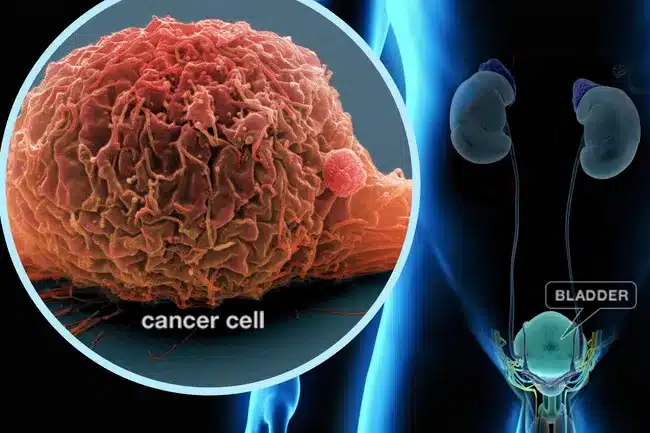
The bladder is a hollow, muscular organ in the pelvis that stores urine produced by the kidneys. Urine contains waste products filtered from blood—including toxic substances from cigarette smoke and other environmental exposures. These toxins concentrate in urine and sit in contact with bladder lining for hours between bathroom visits. Bladder cancer begins when cells lining the bladder undergo genetic mutations causing uncontrolled growth.
More than 90% of bladder cancers are urothelial carcinomas (also called transitional cell carcinomas)—cancers arising from urothelial cells that line the bladder, ureters, and parts of the kidneys and urethra. Other types include squamous cell carcinoma (developing from chronic bladder irritation), adenocarcinoma (rare, arising from gland cells), and small cell carcinoma (very rare and aggressive). The type matters because treatment and prognosis differ, but the vast majority of patients have urothelial carcinoma.
Bladder cancer predominantly affects older adults and men. The American Cancer Society’s estimates for bladder cancer in the United States for 2026 are: About 84,530 new cases of bladder cancer (about 64,730 in men and 19,800 in women). About 17,870 deaths from bladder cancer (about 12,640 in men and 5,230 in women) American Cancer Society. Men develop bladder cancer about four times more often than women. The average age at diagnosis is 73, with 90% of cases occurring in people over 55. The male predominance likely reflects higher historical smoking rates in men and greater occupational exposures to bladder carcinogens in male-dominated industries.
Bladder cancer classifies into non-muscle-invasive (superficial) and muscle-invasive disease. Non-muscle-invasive bladder cancer remains in the inner lining layers without penetrating the muscular bladder wall. These cancers comprise about 70% of initial diagnoses and carry much better prognosis. Muscle-invasive bladder cancer has grown through the lining into or through the muscular wall, with higher risk of spread to lymph nodes and distant organs. This distinction profoundly impacts treatment approach and survival.
The Smoking Connection: Why Cigarettes Are Bladder Cancer’s Biggest Cause
The relationship between smoking and bladder cancer is as strong as the more familiar smoking-lung cancer link, yet far fewer people know about it. Many people do not realize that smoking tobacco is the single most known risk factor for bladder cancer. Smoking is estimated to contribute to 50% of bladder tumors. Current smokers are at higher risk than former smokers Bladder Cancer Advocacy Network. Approximately half of all bladder cancer cases in both men and women directly result from smoking—making it the number one preventable cause.
The mechanism is straightforward and insidious. More than 7,000 different chemicals are in tobacco and tobacco smoke — more than 70 of them are known to cause cancer. These chemicals cause damage in the most basic level of our bodies, the cells, and genes. The genetic damage caused by smoking leads to uncontrolled cell growth which contributes to the formation of tumors Bladder Cancer Advocacy Network. When you inhale cigarette smoke, these carcinogens enter your bloodstream through the lungs. Your kidneys filter blood to produce urine, concentrating these cancer-causing chemicals in the process.
The concentrated carcinogens then sit in your bladder—sometimes for hours—until you urinate. Tobacco contains harmful chemicals called carcinogens. When you use tobacco, these chemicals get absorbed into the bloodstream, are filtered by the kidneys, and then collect in the urine. This exposes your bladder to high levels of these chemicals, which can damage the DNA in the cells lining your bladder NCI. Day after day, year after year, the bladder lining endures prolonged direct contact with concentrated carcinogens. This chronic exposure damages DNA in bladder cells, causing mutations that eventually trigger cancer development.
Specific chemicals in tobacco smoke particularly implicated in bladder cancer include arylamines (2-naphthylamine, 4-aminobiphenyl), polycyclic aromatic hydrocarbons, and tobacco-specific nitrosamines. These compounds directly bind to and damage DNA. Some interfere with normal DNA repair mechanisms. Others promote inflammation and suppress immune surveillance that would normally eliminate abnormal cells. The cumulative effect creates multiple pathways driving bladder cancer development.
The dose-response relationship is clear: more smoking means more cancer risk. Previous studies indicate that the population attributable risk of bladder cancer for tobacco smoking is 50–65% in men and 20–30% in women and that current cigarette smoking triples bladder cancer risk relative to never smoking PubMed Central. Current smokers face three to four times higher bladder cancer risk compared to never-smokers. Former smokers have roughly double the risk of never-smokers—lower than current smokers but still substantially elevated. Both smoking duration (years smoked) and intensity (cigarettes per day) increase risk, though duration appears more important than daily amount.
It’s Not Just Cigarettes: Other Tobacco And Vaping
While cigarettes dominate as the primary tobacco culprit, other forms of tobacco also increase bladder cancer risk. Smoking other types of tobacco products like cigars and pipes also increases your risk. Chemicals in the smoke get into the bloodstream. They are then filtered out of the blood by the kidneys and end up in the urine. When the urine is stored in the bladder, these chemicals are in contact with the bladder lining Cancer Research UK.. Cigar and pipe smokers face elevated risk even if they don’t smoke cigarettes, though risk levels vary with usage patterns and inhalation depth.
Smokeless tobacco products—chewing tobacco and snuff—also carry some bladder cancer risk, though lower than inhaled smoke products. The carcinogens absorbed through oral mucosa enter the bloodstream and undergo kidney filtration just like inhaled chemicals. Second-hand smoke exposure elevates risk too, particularly for non-smokers living with smokers or working in smoke-filled environments.
What about e-cigarettes and vaping? While many people think “vaping” is safer than smoking, recent research suggests that both e-cigarettes and traditional cigarettes contribute to an increased risk for bladder cancer Bladder Cancer Advocacy Network. E-cigarette vapor contains fewer toxins than combustible tobacco smoke, but it’s not harmless. Researchers have identified numerous carcinogenic compounds in the urine of vapers, including several with established links to bladder cancer. While long-term bladder cancer risk from vaping isn’t yet fully quantified (e-cigarettes haven’t existed long enough for decades-long epidemiological studies), early evidence suggests cause for concern.
For current smokers considering switching to vaping as harm reduction, the picture is mixed. Vaping likely exposes users to fewer bladder carcinogens than continued smoking, potentially serving as a transition tool toward complete nicotine cessation. However, dual use—both vaping and smoking cigarettes—results in higher carcinogen exposure than either alone. The healthiest choice remains neither smoking nor vaping.
The Primary Symptom: Blood In Urine
The hallmark bladder cancer symptom is hematuria—blood in the urine. The main warning sign of bladder cancer is painless blood in the urine, called gross hematuria. The blood is often visible but sometimes the tumors don’t produce enough blood to be seen by the patient (microscopic hematuria), and they’re only found through special tests conducted by a doctor Bladder Cancer Advocacy Network. Gross hematuria means blood visible to the naked eye—urine appearing pink, orange, red, or sometimes cola-colored. Microscopic hematuria means blood present in quantities too small to see without laboratory analysis.
The painless nature of bladder cancer hematuria is noteworthy. Blood in the urine, or hematuria, is the most common symptom Smith sees in bladder cancer patients. “I’ve had patients who had small blood clots in their urine and just had a small tumor in the bladder,” says Smith. “We were able to perform a simple endoscopic surgery to remove the tumor, and they’ve been good ever since” MD Anderson Cancer Center. Many people assume blood in urine indicates infection (which typically causes burning pain) or kidney stones (which cause severe flank pain). Bladder cancer bleeding is usually completely painless—you simply notice discolored urine without associated discomfort.
The bleeding pattern can be intermittent and unpredictable. Blood might not be visible in the urine every day if a person has bladder cancer. It might go away and then come back at some point. Usually, early bladder cancer (cancer that is small and still only in the bladder) causes bleeding but little or no pain or other symptoms American Cancer Society. You might see pink urine one day, then normal-colored urine for weeks or months, then bleeding recurs. This intermittent pattern doesn’t mean the problem resolved—it reflects how bladder tumors behave, periodically bleeding then stopping.
Importantly, most people with blood in urine don’t have cancer. Most often, having blood in your urine doesn’t mean you have bladder cancer. These symptoms are more likely to be caused by something other than cancer, such as a urinary tract infection (UTI), bladder stones, an overactive bladder, or an enlarged prostate (in men) American Cancer Society. Urinary tract infections, kidney stones, prostate problems in men, menstruation in women, vigorous exercise, certain medications (blood thinners), and various kidney diseases all can cause hematuria. However, the presence of blood in urine always warrants medical evaluation to determine the cause—you can’t distinguish cancer from benign causes based on appearance or symptoms alone.
Beyond Blood: Other Bladder Cancer Symptoms
While hematuria dominates as the primary symptom, bladder cancer can produce other urinary complaints. Pain when urinating, urgency, frequency and a constant need to urinate may be symptoms a bladder cancer patient initially experiences. Frequent urination—especially when it disrupts your sleep—can be one of the more overlooked bladder cancer symptoms Bladder Cancer Advocacy Network. These symptoms mimic urinary tract infections and other benign bladder conditions, creating diagnostic confusion.
Dysuria—painful or burning urination—can accompany bladder cancer, though it’s less common than painless hematuria. The pain typically occurs during urination as urine flows past an inflamed or ulcerated tumor. Urgency—feeling sudden, compelling need to urinate even when your bladder isn’t full—reflects bladder irritation from tumor presence. Frequency—needing to urinate more often than normal—occurs as tumors reduce bladder capacity or irritate bladder nerves. Nocturia—waking multiple times nightly to urinate—particularly warrants attention when new or worsening.
Difficulty emptying the bladder completely or weak urine stream can signal bladder cancer, though these symptoms more commonly relate to prostate enlargement in men. Lower abdominal or pelvic pain, especially if persistent and not clearly related to other causes, deserves evaluation. Advanced bladder cancer can cause lower back pain (from tumor pressing on ureters or spreading to pelvic bones), leg swelling (from lymph node blockage), weight loss, fatigue, and bone pain (from metastases).
The diagnostic challenge is that these symptoms overlap substantially with common benign conditions. Women frequently experience UTIs causing similar symptoms. Men with enlarged prostates have frequency, urgency, weak stream, and nocturia. Overactive bladder causes urgency and frequency. The key distinction is persistence—symptoms lasting despite treatment for presumed benign causes warrant further investigation. Multiple symptoms occurring together (hematuria plus frequency plus urgency) raise concern more than single symptoms alone.
When Symptoms Get Misdiagnosed: The Gender Gap
Women face particular diagnostic challenges with bladder cancer. Women are more than three times as likely to experience UTIs as men, according to the U.S. Department of Health & Human Services’ Office on Women’s Health. This is because the urethra is shorter in women, making it easier for bacteria to get into the bladder. Additionally, women may assume that blood in their urine is due to monthly menstruation, a UTI or postmenopausal uterine bleeding Houston Methodist. The combination of UTI frequency in women and symptom overlap creates diagnostic pitfalls.
Bladder cancer symptoms in women often get attributed to UTIs initially. When antibiotics don’t resolve symptoms or symptoms recur shortly after treatment, additional antibiotic courses may be prescribed rather than pursuing urological evaluation. This pattern can delay diagnosis by months. Postmenopausal bleeding—whether vaginal or urinary—requires investigation; assuming it’s benign without proper evaluation risks missing cancer. Even premenopausal women who see blood and assume it’s menstrual-related should verify the source—urinary bleeding and vaginal bleeding are distinguishable if you look carefully.
The consequences of delayed diagnosis are real. Women are diagnosed with bladder cancer at later stages on average than men, and women’s survival rates are somewhat worse after adjusting for stage and other factors. Multiple factors contribute—delayed diagnosis from symptom misattribution, potential biological differences in tumor behavior, and possibly differences in treatment intensity. Heightened awareness among both women and healthcare providers that bladder cancer symptoms can mimic UTIs could reduce diagnostic delays.
Other Risk Factors Beyond Smoking
While smoking dominates, other factors increase bladder cancer risk. Occupational chemical exposures rank second as a major risk factor. Some of these chemicals have been banned in the UK for over 50 years. But you may have been exposed to them if you work in industries that produce dyes, rubber or textiles. It can take around 30 to 40 years or more for a bladder cancer to develop Cancer Research UK.. Workers in rubber manufacturing, leather processing, painting, textiles, aluminum production, and chemical industries face elevated risk from exposure to aromatic amines and other bladder carcinogens. The latency period—time from exposure to cancer development—can span decades, meaning past exposures continue causing cancers years after exposure ceased.
Age is a major non-modifiable risk factor, with incidence rising sharply after age 55 and median diagnosis age around 73. Male sex confers elevated risk independent of smoking—biological or hormonal factors beyond just exposure patterns likely contribute. Race affects risk, with whites having higher bladder cancer incidence than blacks, Hispanics, or Asians, though blacks have poorer outcomes when diagnosed.
Chronic bladder inflammation from various causes increases risk. Recurrent urinary tract infections, bladder stones, and long-term indwelling urinary catheters all elevate risk through chronic irritation and inflammation. Schistosomiasis—a parasitic bladder infection common in parts of Africa and the Middle East—substantially increases squamous cell bladder cancer risk, though this infection is rare in developed countries.
Certain medications carry bladder cancer risk. Cyclophosphamide and ifosfamide—chemotherapy drugs—increase bladder cancer risk when used long-term, particularly in high cumulative doses. The diabetes medication pioglitazone has shown associations with bladder cancer in some studies, though risk appears modest. Radiation therapy to the pelvis for other cancers (prostate, cervical, colorectal) increases subsequent bladder cancer risk.
Genetic factors play roles in some families. Having a first-degree relative with bladder cancer increases your risk, suggesting hereditary susceptibility. Specific genetic syndromes like Lynch syndrome (hereditary non-polyposis colorectal cancer) carry increased bladder cancer risk. Certain inherited variations in genes controlling carcinogen metabolism (NAT2, GSTM1) affect how efficiently the body detoxifies bladder carcinogens, modifying individual susceptibility.
Diagnosis: From Symptom To Confirmation
When concerning symptoms prompt evaluation, diagnostic workup typically begins with urinalysis—microscopic urine examination. This detects microscopic hematuria and checks for infection or other abnormalities. Urine cytology examines urine samples under microscope for cancer cells shed from bladder lining. Cytology has high specificity (few false positives) but modest sensitivity (misses many cancers, especially low-grade tumors).
Imaging with CT urography or retrograde pyelography visualizes the urinary tract, identifying masses or filling defects in bladder or upper tracts. However, cystoscopy represents the gold standard for bladder cancer diagnosis. Cystoscopy: This is the primary test to identify and diagnose bladder cancer. For this test, providers use a pencil-sized lighted tube called a cystoscope to view the inside of your bladder and urethra. They may use a fluorescent dye and a special blue light that makes it easier to see cancer in your bladder. Providers may also take tissue samples while doing cystoscopies Cleveland Clinic.
During cystoscopy, performed in an office or operating room, a thin flexible or rigid scope passes through the urethra into the bladder. The urologist visually inspects the entire bladder lining, identifying suspicious areas. Biopsies of abnormal-appearing tissue confirm diagnosis histologically. For larger or multiple tumors, transurethral resection of bladder tumor (TURBT) may be performed—removing the entire visible tumor through the cystoscope for both diagnosis and initial treatment. TURBT provides tissue for pathologic examination including grade (how abnormal cells appear) and stage (depth of invasion).
Once cancer is confirmed, staging determines extent of disease. Most bladder cancers diagnosed at early stages remain organ-confined and highly treatable. Overall, the five-year survival rate is about 78%, but it rises to 96% for non-muscle invasive cases and drops sharply when the cancer spreads beyond the bladder Bladder Cancer Advocacy Network. Staging combines cystoscopy findings, biopsy results, and imaging (CT or MRI) to classify disease. The critical distinction is non-muscle-invasive versus muscle-invasive disease, which dictates treatment approach.
Survival And Prognosis: Stage Makes The Difference
Bladder cancer prognosis varies dramatically by stage at diagnosis. For bladder cancer, 33.9% are diagnosed at the local stage. The 5-year relative survival for localized bladder cancer is 72.6% SEER Cancer Statistics. Localized disease—cancer confined to bladder lining without muscle invasion—comprises about one-third of diagnoses and carries favorable prognosis with five-year survival over 70%. Many of these patients are cured with TURBT alone or TURBT plus intravesical therapy (medication instilled directly into bladder).
The challenge with non-muscle-invasive bladder cancer is high recurrence risk. Even after successful treatment, these cancers frequently recur—estimates suggest 50-70% of patients experience recurrence, though most recurrences remain non-invasive. This necessitates lifelong surveillance with regular cystoscopy every 3-12 months depending on risk factors. The surveillance burden is substantial—frequent office procedures indefinitely—but allows early detection of recurrences when they remain highly treatable.
Regional disease—cancer invading bladder muscle or spreading to nearby lymph nodes—has intermediate prognosis. If the cancer extends through the bladder to the surrounding tissue or has spread to nearby lymph nodes or organs, the five-year survival rate is 39% Bladder Cancer Advocacy Network. Treatment typically requires radical cystectomy (complete bladder removal with urinary diversion) often combined with chemotherapy. About one-third of bladder cancers fall into this category. Survival in this group depends heavily on lymph node involvement—node-negative disease has better outcomes than node-positive disease.
Distant metastatic disease—cancer spread to lungs, liver, bones, or other distant organs—carries poor prognosis. If the cancer has spread to distant parts of the body, the five-year survival rate is 8% Bladder Cancer Advocacy Network. Treatment is palliative, using systemic chemotherapy and increasingly immunotherapy to prolong survival and maintain quality of life, but cure is rarely achievable. Fortunately, only about 4% of bladder cancers present with distant metastases at initial diagnosis.
Age affects outcomes independent of stage—younger patients generally fare better than elderly patients with similar-stage disease, likely reflecting both tumor biology and ability to tolerate aggressive treatment. Overall health and comorbidities matter significantly, particularly for muscle-invasive disease requiring major surgery. Treatment advances including improved chemotherapy regimens, immunotherapy agents, and refined surgical techniques have improved outcomes over time, though statistics lag behind current practice by several years.
The Impact Of Quitting: It’s Never Too Late
For smokers diagnosed with bladder cancer or concerned about prevention, quitting matters profoundly. Yes, quitting smoking significantly reduces the risk of bladder cancer. Research has shown several important benefits of smoking cessation for bladder cancer risk including: Two to five years after quitting, risk of cancers of the mouth, throat, esophagus, and bladder is cut in half. Former smokers have a 39% lower risk of bladder cancer compared to those who continue to smoke Bladder Cancer Advocacy Network.
The risk reduction timeline shows: within 2-5 years of quitting, bladder cancer risk drops approximately 25%; by 10 years post-cessation, risk is roughly 40% lower than continuing smokers; by 25-30 years after quitting, risk approaches but never quite equals never-smokers. Even decades after quitting, former smokers retain modestly elevated risk compared to never-smokers, reflecting irreversible DNA damage accumulated during smoking years. However, the substantial risk reduction achieved by quitting demonstrates your bladder can recover significantly.
For patients already diagnosed with bladder cancer, continued smoking worsens outcomes. Smokers have higher recurrence rates after treatment, poorer response to chemotherapy, higher surgical complication rates, and increased cancer-specific mortality compared to non-smokers with similar-stage disease. Patients smoking 1-2 packs or more per day are significantly more likely to have a higher risk of death compared to those who smoke less than one pack per day. Even a small reduction in the number of cigarettes or vapes a patient inhales may potentially allow them to live longer after their bladder cancer diagnosis Bladder Cancer Advocacy Network. Quitting improves treatment response and survival even after diagnosis.
Prevention: Reducing Your Bladder Cancer Risk
The single most impactful prevention strategy is never starting tobacco use or quitting if you currently use tobacco. Given smoking’s role in 50% of bladder cancers, smoking cessation programs represent the highest-yield bladder cancer prevention intervention. For current smokers, numerous cessation aids exist—nicotine replacement (patches, gum, lozenges), prescription medications (varenicline, bupropion), counseling, and support programs. Combining pharmacologic and behavioral interventions maximizes quit success rates.
Occupational protections matter for high-risk industries. Employers have legal obligations to minimize worker exposure to bladder carcinogens through engineering controls, personal protective equipment, and exposure monitoring. Workers in high-risk industries should follow workplace safety protocols meticulously, use provided protective equipment, and report unsafe conditions. If diagnosed with bladder cancer after occupational exposure, workers may qualify for compensation through workers’ compensation systems or specialized government programs.
Adequate fluid intake may reduce bladder cancer risk by diluting carcinogens in urine and promoting frequent bladder emptying, reducing contact time between carcinogens and bladder lining. Some studies suggest 6-8 glasses of water daily decreases risk, though evidence isn’t definitive. Eating fruits and vegetables rich in antioxidants may provide modest protection. Avoiding unnecessary exposure to known bladder carcinogens—certain hair dyes, diesel exhaust, arsenic in drinking water (a problem in some regions)—reduces risk where feasible.
Prompt treatment of urinary tract infections and removal of bladder stones when they occur may reduce chronic inflammation risk. For those requiring long-term catheterization, intermittent catheterization when possible appears preferable to indwelling catheters regarding cancer risk. Regular medical care allowing early detection and treatment of bladder problems before they become chronic may help.
Frequently Asked Questions
Q1: I saw blood in my urine once but it hasn’t happened again. Should I still see a doctor? Yes, absolutely. “You can’t always go by how you feel. I felt completely fine, but I had blood in my urine,” says Margo. “If your urine has blood in it, that’s a red flag. See a doctor.” “Never ignore a symptom, even if it seems minor or only happens one time” MD Anderson Cancer Center. Even a single episode of visible blood in urine warrants evaluation. Bladder cancer characteristically causes intermittent bleeding—you might see blood once, then have normal urine for weeks or months before it recurs. The amount of blood doesn’t correlate with cancer severity; small early tumors can cause noticeable bleeding. Contact your doctor promptly for urinalysis and possible cystoscopy.
Q2: I’ve smoked for 30 years. Is it too late for quitting to help? It’s never too late. While quitting won’t eliminate your elevated risk completely (damage accumulated over 30 years can’t be completely undone), quitting still substantially reduces your risk compared to continued smoking. Within 2-10 years of quitting, your bladder cancer risk drops 25-40% compared to continuing smokers. If you’re already diagnosed with bladder cancer, quitting improves treatment response, reduces recurrence risk, and improves survival. Every cigarette you don’t smoke helps—even reducing from two packs daily to half a pack provides benefit, though complete cessation is the goal.
Q3: I had UTI symptoms and was treated with antibiotics, but symptoms returned. Could this be bladder cancer instead? Possibly, yes. Recurrent UTI symptoms that don’t fully resolve with appropriate antibiotics or that return shortly after treatment warrant further evaluation, particularly if you have risk factors like smoking history or are over 50. Request urine culture to confirm infection before accepting additional antibiotic courses. If cultures are negative (no bacteria grown) but symptoms persist, insist on urological referral for cystoscopy. Many bladder cancers, particularly in women, initially get misdiagnosed as recurrent UTIs, delaying proper diagnosis. Advocate for thorough evaluation.
Q4: Does bladder cancer run in families? My father had it. Most bladder cancer isn’t strongly hereditary, but having a first-degree relative with bladder cancer does modestly increase your risk. The increase is likely two to three-fold—still relatively modest in absolute terms since baseline risk is low. The familial clustering probably reflects both shared environmental exposures (like household smoking exposure) and some genetic susceptibility. You don’t need special screening beyond symptom awareness unless you have a known hereditary cancer syndrome like Lynch syndrome. Inform your doctor of the family history so they maintain appropriate suspicion if you develop urinary symptoms. Most importantly, don’t smoke.
Q5: Are there screening tests for bladder cancer like there are for colon or breast cancer? Currently, no. At this time, major professional organizations don’t recommend routine screening for bladder cancer for most people. This is because screening has not been shown to lower the risk of dying from bladder cancer in people at average risk American Cancer Society. Available urine biomarker tests aren’t sensitive or specific enough for population screening—they miss cancers and generate false positives requiring unnecessary cystoscopies. For very high-risk individuals—those with occupational exposures, previous bladder cancer, or certain genetic syndromes—some doctors offer surveillance with urine tests and/or cystoscopy, though benefit isn’t proven. For average-risk people, symptom awareness and prompt evaluation of blood in urine remains the best early detection strategy.
Disclaimer
This article adapts publicly available information from reputable medical sources and cancer research organizations. This content is for informational and educational purposes only and does not constitute medical advice. ObserverVoice.com is a news and information platform — not a healthcare provider. Decisions about bladder cancer screening, diagnosis, and treatment should be made in consultation with qualified urologists, oncologists, and other healthcare professionals who can evaluate your individual symptoms, risk factors, smoking history, occupational exposures, and overall health status. If you experience blood in urine or other concerning urinary symptoms, please consult with your healthcare provider promptly for proper evaluation. If you smoke, talk to your doctor about smoking cessation resources.
References
- American Cancer Society. Bladder Cancer Signs and Symptoms. https://www.cancer.org/cancer/types/bladder-cancer/detection-diagnosis-staging/signs-and-symptoms.html
- Bladder Cancer Advocacy Network. Smoking and Bladder Cancer Risk. https://bcan.org/smoking-bladder-cancer-risk/
- PMC. Association between smoking and risk of bladder cancer among men and women. https://pmc.ncbi.nlm.nih.gov/articles/PMC3441175/
- National Cancer Institute. Bladder Cancer Causes and Risk Factors. https://www.cancer.gov/types/bladder/causes-risk-factors
- Bladder Cancer Advocacy Network. Bladder Cancer Survival Rate and Prognosis. https://bcan.org/survival-rates-for-bladder-cancer/
Observer Voice is the one stop site for National, International news, Sports, Editor’s Choice, Art/culture contents, Quotes and much more. We also cover historical contents. Historical contents includes World History, Indian History, and what happened today. The website also covers Entertainment across the India and World.

