

Niemann-Pick Disease: What Happens When Lipid Metabolism Fails

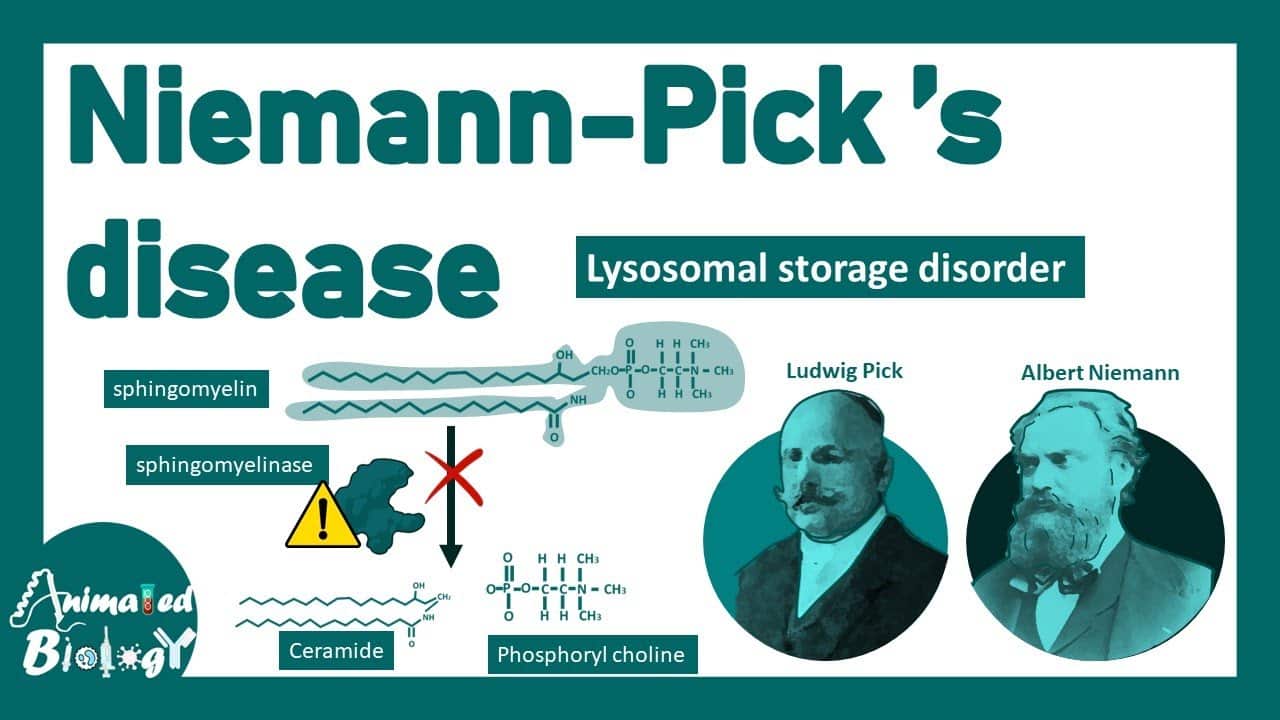
When 18-month-old Rohan started losing developmental milestones he’d already achieved—no longer reaching for toys, losing the ability to sit up on his own, and developing a distinctive cherry-red spot in his eyes during a pediatric exam—genetic testing revealed Niemann-Pick disease Type A, a devastating lipid storage disorder affecting fewer than 1 in 250,000 births but striking with particular frequency in Ashkenazi Jewish families (1 in 40,000). His doctor explained that Rohan’s cells couldn’t properly break down a fatty substance called sphingomyelin due to missing a crucial enzyme, causing this lipid to accumulate progressively in his brain, liver, spleen, and lungs, destroying normal cell function and leading to the neurological regression his parents were witnessing. Niemann-Pick disease is often called the “forgotten lysosomal storage disorder” because unlike better-known cousins like Gaucher disease, most forms have no effective treatment and awareness remains low even among medical professionals, many affected children die before age 3 in the severe forms, and research funding lags far behind more common genetic conditions. Understanding Niemann-Pick disease is crucial because genetic carrier screening can identify at-risk couples before pregnancy allowing informed reproductive choices, accurate diagnosis prevents years of medical uncertainty for families, and emerging therapies for Type C offer the first glimmer of hope after decades without treatment options.
Lipid Metabolism and Lysosomal Storage: When Cellular Recycling Breaks
Your cells are constantly breaking down and recycling components, particularly lipids (fatty substances) that make up cell membranes. This recycling happens inside lysosomes—cellular organelles containing digestive enzymes that break complex molecules into simpler components for reuse. Sphingomyelin is a phospholipid (fat-containing molecule) found abundantly in cell membranes throughout the body, particularly in nerve cells (myelin sheaths insulating nerves), liver, spleen, bone marrow, and brain. Normal cellular turnover produces sphingomyelin from dying cells that must be broken down and recycled.
The enzyme acid sphingomyelinase (ASM) breaks down sphingomyelin into ceramide and phosphocholine—simpler components cells can reuse or eliminate. Another protein called NPC1 (or less commonly NPC2) helps transport cholesterol and lipids out of lysosomes after digestion. When these enzymes or proteins are deficient or absent due to genetic mutations, sphingomyelin and cholesterol accumulate inside lysosomes progressively. These lipid-engorged cells become dysfunctional, organelles swell with undigested material, normal cell processes shut down, and cells eventually die. The relentless accumulation causes progressive organ damage affecting liver, spleen, lungs, bone marrow, brain, and nervous system.
Niemann-Pick disease encompasses three main types caused by different genetic defects with vastly different severities. Type A (acute neuronopathic) is the most severe form caused by complete or near-complete deficiency of acid sphingomyelinase enzyme due to mutations in the SMPD1 gene on chromosome 11. Sphingomyelin accumulates rapidly in brain and organs. Follows autosomal recessive inheritance—both parents must be carriers. Most common in Ashkenazi Jewish population (carrier frequency 1 in 90, disease frequency approximately 1 in 40,000 Ashkenazi births). Onset in early infancy (first months of life), rapidly progressive neurological decline, and death by age 2-3 years typically.
Type B (chronic visceral) is caused by partial acid sphingomyelinase deficiency from SMPD1 mutations producing some residual enzyme activity (5-10% of normal). Sphingomyelin accumulates primarily in liver, spleen, lungs, bone marrow—minimal or no brain involvement. Also autosomal recessive, more common in Ashkenazi Jewish and certain North African populations. Onset in childhood to adulthood, compatible with survival into adulthood (thirties-fifties or longer), variable severity. Type C is genetically and biochemically distinct—not caused by sphingomyelinase deficiency but by mutations in NPC1 gene (95% of cases) or NPC2 gene (5%), affecting cholesterol and lipid transport out of lysosomes. Both cholesterol and sphingolipids accumulate. Autosomal recessive inheritance, no particular ethnic predilection. Onset from infancy to adulthood, always involves progressive neurological decline, survival into teens to thirties typically depending on age of onset.
The distinction between types is critical because prognosis, symptoms, and potential treatments differ dramatically. Types A and B result from the same gene (SMPD1) but different mutation severity, while Type C results from completely different genes affecting lipid trafficking rather than sphingomyelin breakdown specifically.
Symptoms: Progressive Multi-Organ Damage with Neurological Devastation
Symptoms vary enormously by type. Type A (acute neuronopathic) presents in the first months of life with massive organomegaly as the earliest sign—liver and spleen enlarge dramatically by 3-6 months of age, causing visibly distended abdomen. Neurological regression begins around 6-12 months with loss of motor skills (sitting, reaching, head control), hypotonia (floppy muscle tone) or spasticity, difficulty feeding and swallowing, seizures developing in many patients, and profound developmental delay—children never progress beyond early infant milestones.
Cherry-red spot in the macula (center of retina) appears on eye examination in 50% of patients—a characteristic finding where the macula appears red surrounded by white from lipid accumulation in retinal cells. Interstitial lung disease causes breathing difficulties, recurrent respiratory infections, and eventual respiratory failure. Death occurs by age 2-3 years typically from respiratory failure or neurological complications. No effective treatment exists—supportive care focuses on comfort, nutrition (feeding tubes often needed), managing seizures, and preventing infections.
Type B (chronic visceral) has later onset and milder course. Hepatosplenomegaly develops in childhood to adolescence with liver and spleen enlarging 3-10 times normal size, causing abdominal distension, early satiety, and sometimes abdominal pain. Thrombocytopenia (low platelets) from bone marrow and splenic involvement causes easy bruising, nosebleeds, and prolonged bleeding. Anemia contributes to fatigue. Interstitial lung disease is the most serious complication in Type B causing progressive shortness of breath, reduced exercise tolerance, restrictive lung physiology, increased infection susceptibility, and potential respiratory failure in severe cases (though typically in adulthood, not childhood).
Importantly, Type B patients have normal intelligence and minimal or no neurological involvement—this distinguishes Type B from Type A. Growth and development are generally normal. Lifespan varies from childhood death (in severe cases with lung disease) to survival into fifties-sixties with milder disease. Quality of life depends primarily on lung disease severity. Some patients live relatively normal lives with monitoring and supportive care; others develop disabling lung disease requiring oxygen or transplantation.
Type C has the most variable presentation depending on age of onset. Neonatal onset (rare) presents with severe liver disease, jaundice, prolonged neonatal cholestasis, ascites (abdominal fluid), and often death in infancy. Infantile onset (early childhood) shows hepatosplenomegaly, developmental delay, hypotonia, difficulty coordinating movements, and progressive neurological decline. Juvenile onset (school age) is most common with initial symptoms including clumsiness, difficulty walking, vertical supranuclear gaze palsy (difficulty moving eyes up and down—highly characteristic of Type C), gelastic cataplexy (sudden loss of muscle tone triggered by laughter or emotions), progressive cognitive decline, behavioral and psychiatric problems, seizures, tremor, dystonia, and dysphagia.
Adult onset (rarest) presents with psychiatric symptoms initially (psychosis, depression, cognitive decline), movement disorders, dementia, and eventual severe neurological disability. All Type C patients experience progressive neurological decline regardless of age of onset—early onset correlates with faster progression and shorter survival. Death typically occurs in teens to thirties from neurological complications, aspiration pneumonia, or dysphagia, though some adult-onset patients live into forties-fifties.
Diagnosis: From Clinical Suspicion to Genetic Confirmation
Diagnosing Niemann-Pick disease requires recognizing the pattern of symptoms combined with specific testing. Clinical suspicion arises from hepatosplenomegaly in infant or child, developmental regression or neurological decline, cherry-red spot on eye exam (Types A/C), vertical gaze palsy (Type C), interstitial lung disease with hepatosplenomegaly (Type B), or family history consistent with autosomal recessive inheritance. Enzyme testing for Types A and B measures acid sphingomyelinase activity in white blood cells or cultured skin fibroblasts. In Type A, enzyme activity is <1% of normal (essentially absent). In Type B, enzyme activity is 5-10% of normal (severely reduced but detectable). Normal enzyme activity rules out Types A and B. This test cannot diagnose Type C—ASM enzyme is normal in Type C.
For Type C, filipin staining test on cultured skin fibroblasts is the biochemical hallmark. Cells are stained with filipin dye that binds to unesterified cholesterol—Type C cells show characteristic intense perinuclear fluorescence from cholesterol trapped in lysosomes. About 85-90% of Type C patients show this pattern (classic biochemical variant), while 10-15% have variant pattern requiring genetic testing for diagnosis. Genetic testing via DNA sequencing identifies specific mutations in SMPD1 gene for Types A and B, or NPC1/NPC2 genes for Type C. Confirms diagnosis when enzyme or filipin testing is abnormal, enables carrier testing for family members and at-risk populations, allows prenatal diagnosis if desired, and provides prognostic information—certain mutations correlate with severity though genotype-phenotype correlation is imperfect.
Additional diagnostic tests include bone marrow examination (rarely needed but shows characteristic “foam cells”—lipid-laden macrophages), imaging with abdominal ultrasound or CT measuring spleen and liver size, chest CT or high-resolution CT showing interstitial lung disease patterns in Types B and C, and brain MRI in Type C showing cerebellar and brainstem atrophy, white matter abnormalities. Biomarkers include chitotriosidase (elevated in Types A, B, C like other lysosomal storage diseases but not specific), oxysterols (particularly 7-ketocholesterol—markedly elevated in Type C, useful diagnostic biomarker), and lysosphingomyelin (elevated in Types A and B). Ophthalmology examination documents cherry-red spot (Types A, rarely C) and tests for vertical supranuclear gaze palsy (pathognomonic for Type C when present—tested by asking patient to track objects moving up and down while keeping head still).
Differential diagnosis includes other causes of hepatosplenomegaly in children (Gaucher disease, other lysosomal storage diseases, blood cancers, chronic infections), neurological regression (Tay-Sachs disease, other leukodystrophies, neurodegenerative diseases), and interstitial lung disease (various causes). Carrier screening is particularly important for Ashkenazi Jewish couples given the 1 in 90 carrier frequency for Type A—if both partners are carriers, each pregnancy has 25% risk of affected child. Prenatal diagnosis via amniocentesis or chorionic villus sampling can test fetal cells for enzyme activity or genetic mutations if parents are known carriers or have affected child. Preimplantation genetic diagnosis with IVF allows selecting unaffected embryos.
Treatment: Limited Options and Emerging Hope
Treatment options vary dramatically by type and remain inadequate for most forms. Type A has no disease-modifying treatment. Care is purely supportive including nutrition support via feeding tubes when swallowing becomes unsafe, seizure management with antiepileptic medications, respiratory support (oxygen, suctioning, treating infections aggressively), and palliative care focusing on comfort as disease progresses. Experimental approaches like enzyme replacement therapy and gene therapy are in early research but not yet proven effective. The blood-brain barrier challenge—treatments must reach the brain where damage occurs, which most therapies cannot do effectively—remains the major obstacle.
Type B treatment includes monitoring and supportive care with regular pulmonary function tests, imaging, and blood counts tracking disease progression. Enzyme replacement therapy with olipudase alfa (Xenpozyme) was FDA-approved in 2022 specifically for non-CNS (non-brain) manifestations of Type B Niemann-Pick disease. It’s a recombinant human acid sphingomyelinase given as IV infusion every two weeks. Clinical trials showed reduction in spleen and liver size (40-50% reduction), improvement in pulmonary function tests, improvement in platelet counts, and reduction in sphingomyelin and biomarkers. However, it doesn’t cross the blood-brain barrier so cannot treat neurological involvement (relevant for Type A and C, not Type B which has minimal CNS involvement). This represents the first specific treatment approved for any form of Niemann-Pick disease—a major breakthrough for Type B patients.
Lung transplant has been performed in some Type B patients with severe pulmonary disease—outcomes are mixed, with some patients achieving good lung function for years while others have complications. Splenectomy (spleen removal) is rarely performed now given infection risks but may be considered for massive splenomegaly causing severe symptoms. Type C treatment includes miglustat (Zavesca), an oral substrate reduction therapy that partially inhibits glucosylceramide synthase, reducing substrate accumulation. It’s approved in Europe and some other countries for Type C neurological manifestations. Studies show it slows neurological progression modestly—delaying decline by 1-2 years on average. Benefits are greatest when started early before severe neurological damage. Side effects include diarrhea (very common), weight loss, tremor, and peripheral neuropathy.
In the US, miglustat is not FDA-approved for Niemann-Pick C but may be obtained via compassionate use or clinical trials. Cyclodextrin (2-hydroxypropyl-β-cyclodextrin) is an experimental therapy showing promise in Type C. It helps mobilize cholesterol from lysosomes. Delivered intrathecally (into spinal fluid) to reach the brain. Early trials showed slowing of neurological decline in some patients. A tragic case in 2018 where compassionate use saved a child’s life generated media attention, but larger trials have had mixed results. Research is ongoing but not yet FDA-approved. Supportive treatments for Type C include antiepileptic drugs for seizures, psychiatric medications for behavioral problems and psychosis, physical and occupational therapy maintaining function, speech and swallowing therapy with eventual feeding tube placement, and educational support addressing learning disabilities and cognitive decline.
Living with Niemann-Pick Disease: Prognosis and Family Impact
Prognosis varies dramatically by type. Type A has devastating prognosis with death by age 2-3 years typically. No survivors beyond early childhood. Families face the profound grief of watching their infant develop normally initially, then lose skills and decline rapidly. Type B prognosis is highly variable depending on lung disease severity. Some patients with mild disease live into fifties-sixties with minimal symptoms. Others develop severe interstitial lung disease requiring oxygen, experiencing severe disability, and dying from respiratory failure in their twenties-forties. Overall, with olipudase alfa treatment, prognosis may improve though long-term data are still accumulating. Type C prognosis depends on age of onset. Infantile onset has worst prognosis—death typically by age 5-10 years. Juvenile onset (most common) results in progressive decline through childhood and adolescence, with death typically in late teens to twenties. Adult onset progresses more slowly with survival into thirties-fifties possible. No Type C patients have normal lifespans—neurological decline is relentless regardless of onset age.
Quality of life issues include for Type A families, focus shifts rapidly from cure to comfort care, making memories, and supporting siblings. For Type B patients, lung disease severity determines quality of life—those with mild disease live relatively normally; severe cases face disability from breathlessness, infections, and eventual respiratory failure. For Type C families, watching progressive neurological decline—loss of speech, mobility, cognitive abilities—while the child remains aware creates profound suffering. Behavioral problems, psychiatric symptoms, and personality changes strain family relationships. Caregiver burden is immense—round-the-clock care is needed as disease progresses, including feeding, positioning, managing seizures, and preventing aspiration.
Genetic counseling and family planning considerations include carrier screening for Ashkenazi Jewish couples (Type A), siblings of affected patients should be offered carrier testing (all types), and prenatal diagnosis or preimplantation genetic diagnosis allows at-risk couples to have unaffected children. Some couples choose not to have biological children after having an affected child; others pursue testing or adoption. Support resources include National Niemann-Pick Disease Foundation providing family support, education, research advocacy, and annual family conferences. Online communities connect families sharing experiences, advice, and emotional support. Many families become advocates, raising awareness and funds for research. Research participation through clinical trials, natural history studies, and patient registries advances understanding and tests new therapies. Many families find meaning in contributing to research that may help future families.
The emotional impact is profound—grief, guilt, anger, depression affect parents. Siblings struggle with attention deficits when parents focus on affected child, fear they might develop the disease (in Types B and C with later onset), and grief losing a brother or sister. Professional counseling, support groups, and connecting with other affected families help families cope. The Niemann-Pick community emphasizes research funding is desperately needed, awareness among physicians must improve to reduce diagnostic delays, and hope exists—olipudase alfa for Type B and experimental therapies for Type C represent progress after decades without treatment options.
Frequently Asked Questions
Q1: We’re both Ashkenazi Jewish and planning to have children. Should we get carrier screening for Niemann-Pick disease?
Absolutely yes—carrier screening for Niemann-Pick disease Type A is strongly recommended for all Ashkenazi Jewish couples planning pregnancy. Type A Niemann-Pick disease is one of the classic Ashkenazi Jewish genetic disorders (along with Tay-Sachs, Gaucher, Canavan disease) with carrier frequency of approximately 1 in 90 Ashkenazi Jews. If both partners are carriers, each pregnancy has 25% chance of an affected child, 50% chance of a carrier child, and 25% chance of an unaffected non-carrier child. The carrier screening process is simple—blood test measuring acid sphingomyelinase enzyme activity and/or DNA testing for common SMPD1 mutations (three mutations account for 95% of Type A cases in Ashkenazi Jews). Ideally performed before pregnancy allowing all reproductive options. If both partners are carriers, options include: accepting the 25% risk and having genetic testing during pregnancy (amniocentesis or chorionic villus sampling) with option to terminate if fetus is affected, preimplantation genetic diagnosis (PGD) with IVF—embryos tested before implantation, only unaffected embryos transferred, using donor egg or sperm from non-carrier, adoption, or choosing not to have children. If only one partner is a carrier or both test negative, children will not have Type A Niemann-Pick disease.
Current recommendations from American College of Obstetricians and Gynecologists and American College of Medical Genetics include offering expanded carrier screening to all pregnant women or those planning pregnancy, including screening for multiple Ashkenazi Jewish diseases as a panel. Many insurance plans cover this screening. The cost without insurance is typically $200-500. The importance of testing is that Type A is uniformly fatal in early childhood with no effective treatment—prevention through carrier screening is the only way to avoid this devastating disease currently. Many Ashkenazi Jewish communities have embraced carrier screening programs, dramatically reducing the incidence of Tay-Sachs disease (which has similar inheritance and frequency). The same success could be achieved for Niemann-Pick Type A with universal screening. Beyond Ashkenazi Jewish population, Types B and C occur in all ethnicities but with lower frequency (1 in 100,000-200,000), so universal carrier screening isn’t standard, though expanded carrier screening panels now include these along with hundreds of other conditions. If you have family history of Niemann-Pick disease or are from North African ancestry (increased Type B frequency), carrier testing is particularly important regardless of ethnicity.
Q2: My child was diagnosed with Niemann-Pick Type C at age 7 after years of unexplained clumsiness and learning difficulties. What should we expect as the disease progresses?
Niemann-Pick Type C with juvenile onset (age 6-15) typically follows a progressive course over many years, though the rate of decline varies between individuals. Based on natural history studies of Type C patients, here’s what commonly occurs, though remember every child is unique: Current phase (early disease, ages 7-10) includes symptoms you’re already seeing—clumsiness and ataxia (poor coordination) worsening gradually, learning difficulties and declining school performance, vertical supranuclear gaze palsy if not already present (difficulty looking up/down), gelastic cataplexy (sudden falls triggered by laughter or strong emotions) developing in 70% of patients, and mild cognitive decline. During this phase, many children can still attend school with support, participate in family activities with adaptations, and maintain relatively good quality of life.
Middle phase (ages 10-15 typically) brings progressive worsening—dystonia (abnormal postures, muscle contractions) making movement difficult, dysarthria (slurred speech) progressing to severe communication difficulty, dysphagia (swallowing problems) requiring diet modifications then feeding tube, seizures developing in 50-60% of patients, behavioral and psychiatric symptoms (aggression, psychosis, depression, anxiety), progressive cognitive decline, and loss of independent mobility requiring wheelchair. During this phase, special education becomes necessary, daily activities require increasing assistance, and families face difficult decisions about feeding tubes, seizure management, and educational placement. Late phase (mid-to-late teens typically) involves severe disability—bedridden or wheelchair-dependent, minimal or no verbal communication, profound dementia, complete dependence for all care (feeding, toileting, bathing, positioning), aspiration risk high even with feeding tube, and recurrent pneumonias. Death typically occurs late teens to twenties from aspiration pneumonia, dysphagia complications, or seizures, though some patients survive into thirties with excellent care.
However, significant variability exists—some children decline faster, others plateau for periods. Miglustat treatment (if accessible) may slow progression by 1-2 years. Cyclodextrin in clinical trials shows promise in some patients. What you can do now: enroll in clinical trials if eligible (www.clinicaltrials.gov search “Niemann-Pick C”), consider miglustat if available in your country or via compassionate use, maximize current function through physical therapy, occupational therapy, speech therapy maintaining skills as long as possible, educational planning with IEP (individualized education plan) addressing learning needs, connect with National Niemann-Pick Disease Foundation and other families for support and information, plan for future needs including wheelchair accessibility at home, feeding tube eventually, and consider palliative care consultation when appropriate focusing on quality of life. Treasure current abilities—take videos, photos, make memories while your child can still communicate and participate. Many families report these years, while challenging, contain precious moments. Sibling support is crucial—ensure siblings receive attention, counseling, and age-appropriate explanations. The decline is heartbreaking, but you’re not alone—the Niemann-Pick community is strong and supportive.
Q3: I have Niemann-Pick Type B with lung disease. My doctor mentioned lung transplant. Is this a good option, and what are the risks?
Lung transplant for Niemann-Pick Type B is a complex decision with potential benefits but significant risks. It’s typically considered only when lung disease becomes severe and life-threatening despite maximal medical therapy. Indications for considering transplant include severe restrictive lung disease with forced vital capacity (FVC) <40-50% predicted, progressive decline despite olipudase alfa therapy (the new enzyme replacement therapy), oxygen dependence even at rest, severely reduced quality of life from breathlessness, and life expectancy estimated at 2-3 years or less without transplant. The potential benefits are replacement of diseased lungs with healthy donor lungs restoring respiratory function, improved quality of life—ability to breathe without supplemental oxygen, participate in activities, and prolonged survival if transplant successful. However, transplant doesn’t cure Niemann-Pick—the underlying enzyme deficiency persists, so liver, spleen, and bone marrow disease continue. Continuing olipudase alfa after transplant is essential.
The risks and challenges are substantial. Transplant surgery mortality is 5-10% in first year. Rejection risk is lifelong—require immunosuppressive medications forever increasing infection risk, kidney damage, diabetes, hypertension, and cancer risk. Chronic rejection causes bronchiolitis obliterans syndrome in 50% of lung transplant patients within 5 years, causing progressive lung function decline again. Infections are common—pneumonia, fungal infections, viral infections due to immunosuppression. Five-year survival for lung transplant overall is about 55-60%—among the lowest of solid organ transplants. Niemann-Pick-specific considerations: limited data exist on lung transplant outcomes specifically in Type B—small case series show variable results with some patients doing well for years, others experiencing complications. Continuing enzyme replacement therapy after transplant is essential but complicated by altered pharmacokinetics, need for careful monitoring, and potential rejection if antibodies develop against enzyme.
When to consider transplant: if lung disease is rapidly progressive despite olipudase alfa, quality of life severely impaired (unable to work, perform daily activities, constant breathlessness), age relatively young (better outcomes in younger patients), no other major organ failures, good psychosocial support system, and realistic expectations about risks and outcomes. When to avoid transplant: if lung disease is stable or improving on olipudase alfa (many patients stabilize with treatment), other major organ problems (severe liver disease, heart disease), advanced age (over 60-65 typically excluded), psychosocial issues (non-adherence to medications, lack of support), or unrealistic expectations. Alternative options: maximize medical therapy with olipudase alfa—many patients improve or stabilize without needing transplant, supplemental oxygen improving quality of life even if not curative, pulmonary rehabilitation, and enrollment in clinical trials testing new therapies. The decision requires thorough discussion with transplant pulmonologist experienced with interstitial lung disease, evaluation at a transplant center assessing candidacy, genetic counselor and Niemann-Pick specialist input, and careful consideration of personal values, quality of life goals, and risk tolerance. Some patients choose transplant accepting risks for chance at better quality of life; others prefer to continue medical management avoiding transplant complications. Neither choice is wrong—it depends on individual circumstances and priorities.
Q4: Is there any connection between being a Niemann-Pick carrier and having health problems myself?
This is an excellent question that researchers are actively investigating. For Type A and B (caused by SMPD1 mutations), carriers have one mutated copy and one normal copy of the gene, producing about 50% of normal acid sphingomyelinase enzyme activity—sufficient for normal function. Traditionally, carriers were considered completely healthy with no symptoms. However, recent research suggests carriers may have subtle increased risks for certain conditions. Cardiovascular disease—some studies suggest SMPD1 carriers may have slightly increased risk of atherosclerosis and coronary artery disease, possibly because reduced sphingomyelinase activity affects lipid metabolism and inflammation in vessel walls. Data are conflicting and risk increase if real is modest. Some studies show no association. Bone density—one small study suggested carriers might have slightly reduced bone density, though this hasn’t been consistently replicated. Neurodegenerative disease—no clear association between SMPD1 carrier status and Alzheimer’s or Parkinson’s unlike GBA carriers (Gaucher disease gene), though research is limited.
For Type C (NPC1/NPC2 mutations), carrier status research is even more limited. Some studies hint at possible subtle lipid metabolism differences, but clinical significance is unclear. Most carriers appear completely healthy. The bottom line for carriers: the vast majority of carriers have no health problems attributable to carrier status, any increased risks for cardiovascular disease or other conditions are small and not well-established, standard health maintenance is appropriate—no special screening or preventive measures needed based solely on carrier status, focus should be on modifiable risk factors (exercise, healthy diet, not smoking, managing blood pressure/cholesterol), and inform your physician of carrier status in case future research clarifies recommendations. The main importance of knowing you’re a carrier is reproductive—carrier testing for partners to assess risk for affected children, informing family members so they can pursue testing if desired, and genetic counseling when planning pregnancy. Being a carrier should not cause significant health anxiety—the risk of having an affected child (if partner is also carrier) is the primary concern, not personal health risks.
Q5: Are there any promising treatments in development for Niemann-Pick disease, or will there never be a cure?
While “cure” may be too strong a word, there is genuine cause for hope—the treatment landscape for Niemann-Pick disease has changed dramatically in recent years and continues advancing. Recent breakthroughs include olipudase alfa (Xenpozyme) FDA-approved in 2022 for Type B—the first specific treatment for any Niemann-Pick type. This represents proof that enzyme replacement can work for these diseases. Long-term data will determine full impact on survival and quality of life. Intrathecal cyclodextrin for Type C remains experimental but showed promise in early trials slowing neurological decline. Larger controlled trials are ongoing. If proven effective, could be approved within 5 years potentially.
Emerging approaches in development: gene therapy using AAV vectors carrying functional SMPD1 or NPC1 genes is being tested in animal models with promising results—correcting enzyme deficiency, reducing lipid accumulation, improving neurological function. Human trials are being planned. The challenge is delivering therapy effectively to the brain. Substrate reduction therapy—next-generation compounds beyond miglustat that more effectively reduce lipid synthesis are in development, potentially offering better efficacy with fewer side effects. CRISPR gene editing could theoretically correct mutations in patient’s own cells, though technical challenges remain substantial and human trials are many years away. Combination therapies pairing enzyme replacement (or gene therapy) with substrate reduction and anti-inflammatory approaches may prove more effective than single treatments. Pharmacological chaperones—small molecules that stabilize mutant enzymes helping them fold correctly and function better—are being explored for certain SMPD1 mutations.
Specific progress by type: Type A remains the most challenging—treatments must reach the infant brain during rapid neurological decline. Gene therapy offers hope but is years from clinic. Some researchers are testing in utero therapy (treating fetuses before birth) to prevent neurological damage. Type B has approved treatment (olipudase alfa) with good results, though lung disease can still progress in some patients. Research focuses on optimizing dosing, starting treatment earlier, and combination approaches. Type C has experimental options (miglustat in some countries, cyclodextrin in trials) with next-generation therapies in development. The fact that slowing progression is possible suggests better treatments will eventually emerge. Timeline for new treatments: gene therapy trials for Types A/B might begin in 2-3 years, improved Type C therapies (better cyclodextrin formulations, combination therapies) may be available in 3-5 years, and true “cures” (gene editing, definitive gene therapy) are 10+ years away realistically.
Reasons for optimism: rare disease research has accelerated dramatically with increased funding, regulatory pathways for rare diseases (orphan drug designations, fast-track approvals) incentivize pharmaceutical development, patient advocacy has strengthened—families are driving research agendas and funding, technology advances (better gene therapy vectors, improved drug delivery to brain) make previously impossible treatments feasible, and cross-disease learning—advances in treating one lysosomal storage disease often translate to others. While no cure exists today, the trajectory is clearly positive. For current patients and families: participate in natural history studies and registries advancing knowledge, enroll in clinical trials if eligible, stay connected with National Niemann-Pick Disease Foundation for latest research updates, consider donating to research through NNPDF or academic centers, and maintain hope while being realistic—for Type A families, treatments likely won’t arrive in time but their participation in research helps future families. For Types B and C, treatments are available now or on the horizon offering genuine hope for longer, better lives.
Disclaimer
This article adapts publicly available information from medical databases and research organizations. This content is for informational and educational purposes only and does not constitute medical advice. ObserverVoice.com is a news and information platform — not a healthcare provider. Decisions about Niemann-Pick disease diagnosis, genetic testing, and treatment should be made in consultation with qualified physicians, geneticists, metabolic disease specialists, and other healthcare professionals who can evaluate your individual symptoms, enzyme levels, and health circumstances. If you have concerns about developmental regression, neurological symptoms, or genetic disease risk, please consult with your healthcare team immediately.
References
- National Niemann-Pick Disease Foundation. About Niemann-Pick Disease. https://nnpdf.org/niemann-pick/
- National Organization for Rare Disorders. Niemann-Pick Disease. https://rarediseases.org/rare-diseases/niemann-pick-disease/
- PMC. Niemann-Pick Disease: Clinical Features and Management. https://www.ncbi.nlm.nih.gov/pmc/articles/PMC6787468/
- PMC. Acid Sphingomyelinase Deficiency: Niemann-Pick Disease Types A and B. https://www.ncbi.nlm.nih.gov/pmc/articles/PMC8225851/
- World Health Organization. Rare Diseases. https://www.who.int/news-room/fact-sheets/detail/rare-diseases
Observer Voice is the one stop site for National, International news, Sports, Editor’s Choice, Art/culture contents, Quotes and much more. We also cover historical contents. Historical contents includes World History, Indian History, and what happened today. The website also covers Entertainment across the India and World.

