

Brain Tumors: Types, Grading, and What a Diagnosis Actually Means

When James experienced his first seizure at age 42—collapsing suddenly at his son’s soccer game—he had no warning. One moment he was cheering from the sidelines; the next, he was waking up in an ambulance with no memory of what happened. “The next thing I know, I was on a gurney and put in an ambulance,” says Colin, who was 45 at the time. “I didn’t realize I’d had a seizure. I’d just headed the soccer ball! But I was told I had several seizures in the ambulance.” He was later diagnosed with a grade II oligodendroglioma MD Anderson Cancer Center. An emergency room CT scan revealed a mass in James’s brain. Biopsy confirmed oligodendroglioma, a type of glioma. “When the doctor said ‘brain tumor,’ I immediately thought it was a death sentence,” James recalled. “But then she explained there are many different types, and mine was actually grade II—slow-growing, treatable, with years or even decades of life possible with treatment.”
James’s experience reflects a crucial reality that many people don’t understand: “brain tumor” is not a single diagnosis but an umbrella term encompassing dozens of different tumor types, each with vastly different behaviors, treatments, and outcomes. Understanding what type of brain tumor you have, what its grade means, and how classification systems work can transform terrifying uncertainty into informed decision-making.
Understanding Brain Tumors: Location Matters As Much As Type
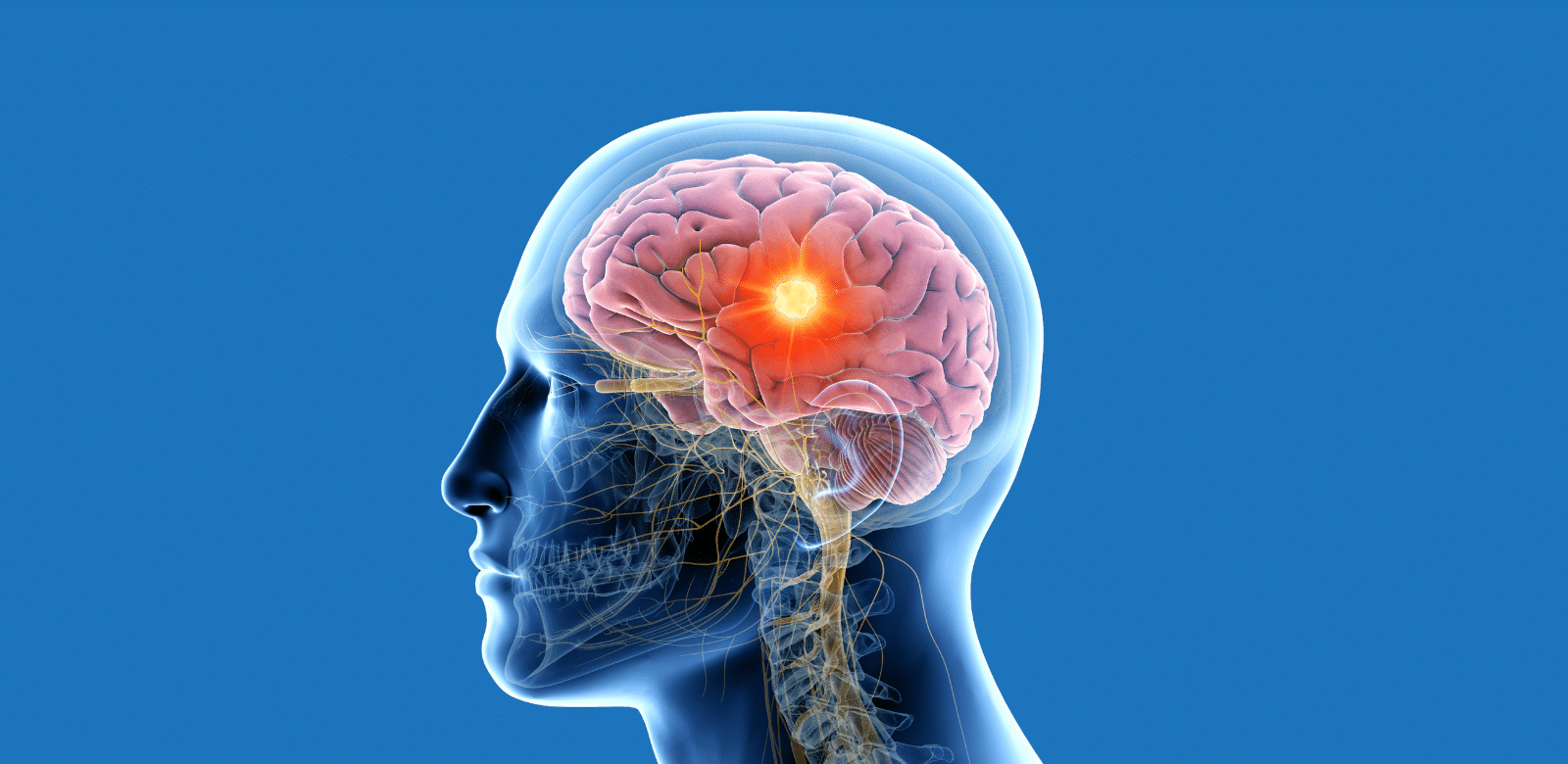
A brain tumor is an abnormal growth of cells within the brain or skull. The brain, despite weighing only about three pounds, controls everything—movement, sensation, thought, emotion, breathing, heart rate. Any mass growing in this confined space can cause problems either by directly damaging brain tissue, pressing on surrounding structures, or increasing pressure inside the skull. The specific symptoms and severity depend heavily on tumor location, not just whether the tumor is benign or malignant.
Brain tumors divide into two fundamental categories: primary and metastatic. Primary brain tumors originate in the brain itself, arising from brain cells, supporting cells, or protective membranes. Approximately 85,000 individuals in the United States are diagnosed with a primary brain tumor each year, of which approximately 29% are malignant. Approximately 80–85% of malignant brain tumors in adults are gliomas which diffusely infiltrate the brain parenchyma PubMed Central.
Metastatic (secondary) brain tumors start elsewhere in the body—lung, breast, melanoma, colon, kidney—and spread to the brain through the bloodstream. Metastatic brain tumors are approximately five times more common than primary tumors and are always malignant by definition. Treatment approaches differ significantly: primary brain tumors are treated as brain diseases requiring neurosurgery, radiation, and brain-specific chemotherapy, while metastatic tumors require treating both the brain lesions and the primary cancer elsewhere.
Within primary brain tumors, classification has become increasingly sophisticated. The fifth edition of the WHO Classification of Tumors of the Central Nervous System was released in 2021, just five years following the updated fourth edition. Advanced molecular testing such as next-generation sequencing, RNA fusion analysis, and DNA methylation profiling has led to more precise grading and classification of pre-existing tumor types as well as the recognition of new ones PubMed Central. Modern brain tumor diagnosis combines traditional microscopic examination with genetic and molecular profiling to precisely categorize tumors and predict behavior.
The Major Types: Gliomas, Meningiomas, And Others
Brain tumors are named according to the type of cell from which they arise. The major categories each behave very differently and carry distinct prognoses.
Gliomas comprise about 30-40% of all brain tumors and 80-85% of malignant tumors in adults. Gliomas arise from glial cells—the supporting cells that surround and nourish neurons. The 2021 CNS WHO classification simplifies the diagnosis of diffuse gliomas and reserves the term glioblastoma for IDH wild type tumors. Classification of common adult type diffuse gliomas is drastically simplified to include only 3 types (with grading within tumor for the first 2): astrocytoma, IDH mutant (grade 2, 3 or 4), oligodendroglioma, IDH mutant and 1p / 19q codeleted (grade 2 or 3) and glioblastoma, IDH wild type (grade 4) Pathology Outlines.
The modern classification revolutionized glioma diagnosis by incorporating IDH (isocitrate dehydrogenase) mutation status—a critical genetic marker that profoundly affects prognosis. IDH-mutant gliomas occur primarily in younger adults (typically 30s-40s) and carry significantly better prognosis than IDH-wildtype tumors. IDH mutation represents an early genetic event driving tumor development, and tumors with this mutation respond better to treatment and progress more slowly.
Astrocytomas arise from star-shaped astrocytes. Low-grade astrocytomas (grades 2-3) with IDH mutations are slow-growing tumors affecting younger patients, with median survival measured in years to decades depending on grade and treatment. These tumors infiltrate brain tissue but grow slowly, often causing seizures as the first symptom. Over time, they can transform to higher grades.
Oligodendrogliomas arise from oligodendrocytes—cells producing myelin that insulates nerve fibers. These tumors have characteristic 1p/19q codeletion (loss of genetic material on chromosomes 1 and 19) and tend to respond particularly well to chemotherapy. Oligodendrogliomas typically affect adults 35-50 years old and often cause seizures. Prognosis is generally favorable, with median survival of 10-15 years for grade 2 tumors and 5-10 years for grade 3 when optimally treated.
Glioblastoma (GBM) represents the most aggressive primary brain tumor. Glioblastoma is the most common cancer that begins within the brain and the second-most common brain tumor, after meningioma, which is benign in most cases. About 3 in 100,000 people develop the disease per year. The average age at diagnosis is 64. Without treatment, survival is typically three months. The typical duration of survival following diagnosis is 10–13 months, with fewer than 5–10% of people surviving longer than five years Wikipedia.
GBM is always grade 4 and by definition IDH-wildtype (tumors with similar appearance but IDH-mutant status are now classified as astrocytoma, IDH-mutant, grade 4). GBM grows rapidly, invades surrounding brain extensively, has abundant blood vessel formation, and contains areas of dead tissue (necrosis). Despite maximum treatment—surgery, radiation, chemotherapy—GBM almost always recurs. Glioblastoma, also known as glioblastoma multiforme (GBM), is the most aggressive and malignant form of primary brain tumor originating from astrocytes. Despite multimodal treatment approaches, including the use of temozolomide and radiotherapy, the median survival for patients diagnosed with glioblastoma remains approximately 12–15 months nih.
Meningiomas are the most common primary brain tumor in adults, accounting for about 40% of all brain tumors. Meningioma is considered a single type in WHO CNS5, with its broad morphological spectrum reflected in 15 subtypes. It is now emphasized that the criteria defining atypical or anaplastic (ie, grade 2 and 3) meningioma should be applied regardless of the underlying subtype PubMed Central. Meningiomas arise from meninges—the protective membranes covering the brain and spinal cord. About 80-85% are grade 1 (benign), growing slowly and often discovered incidentally. Grade 1 meningiomas may not require immediate treatment, especially in elderly patients, and can be monitored with serial imaging. Surgical resection is often curative when complete removal is achievable. About 15-20% are grade 2 (atypical), with higher recurrence risk, and 1-3% are grade 3 (anaplastic/malignant), which behave aggressively and often recur despite treatment.
Ependymomas arise from cells lining the fluid-filled ventricles inside the brain or the central canal of the spinal cord. They represent about 3% of brain tumors, more common in children than adults. Ependymomas range from slow-growing grade 1-2 tumors to aggressive grade 3 tumors. Location significantly impacts treatability—spinal cord ependymomas often have better outcomes than brain ependymomas due to surgical accessibility.
Primary CNS lymphoma (PCNSL) accounts for about 3-5% of primary brain tumors. These are non-Hodgkin lymphomas arising in the brain, typically diffuse large B-cell lymphoma. PCNSL more commonly affects immunocompromised patients (HIV, organ transplant recipients) but also occurs in immunocompetent individuals, with incidence increasing in those over 60. PCNSL is very sensitive to chemotherapy and radiation but frequently recurs. Treatment differs markedly from other brain tumors, requiring hematologist-oncologist involvement.
The Grading System: What The Numbers Really Mean
Understanding tumor grade is critical because it predicts behavior and guides treatment intensity. CNS WHO grades, previously listed in Roman numerals (I, II, III, IV), are now listed in Arabic numerals (1, 2, 3, 4). Grading is now done within tumor types rather than across types PubMed Central. Grade reflects how abnormal tumor cells appear under the microscope and how rapidly they’re likely to grow and spread.
Grade 1 tumors have cells appearing nearly normal, grow very slowly, and rarely spread. These are considered benign, though “benign” doesn’t mean harmless—even slow-growing tumors in critical brain locations can cause serious problems. Grade 1 tumors include most meningiomas, pilocytic astrocytomas (common in children), and some ependymomas. Many grade 1 tumors are curable with complete surgical removal. Recurrence rates are low, though meningiomas can recur even after apparently complete resection.
Grade 2 tumors have slightly abnormal-appearing cells and grow slowly but infiltrate surrounding brain tissue. These tumors include low-grade diffuse astrocytomas and oligodendrogliomas. While slow-growing initially, they have potential to transform to higher grades over time (years to decades). Treatment may involve surgery, radiation, chemotherapy, or combinations thereof. Many patients live years to decades with grade 2 tumors, though they require lifelong surveillance.
Grade 3 tumors show clearly abnormal cells, grow more rapidly, and actively infiltrate brain tissue. The microscopic features defining grade 3 include increased cell density, atypical (abnormal) cells, and mitotic figures (cells actively dividing). Grade 3 tumors require aggressive treatment—surgery followed by radiation and chemotherapy. Prognosis is intermediate, with median survival typically 3-10 years depending on type, molecular features, age, and treatment response.
Grade 4 represents the most aggressive tumors with very abnormal cells, rapid growth, tendency to spread within the CNS, and features like microvascular proliferation (excessive new blood vessel formation) and necrosis (dead tissue). Glioblastoma is the prototypical grade 4 tumor. Treatment is aggressive but prognosis remains poor, with median survival around 12-15 months despite optimal therapy.
Importantly, grading now incorporates molecular features beyond microscopic appearance. For example, IDH mutant astrocytomas can be designated as grade 4 based on histology (presence of microvascular proliferation or necrosis) or if there is a homozygous deletion CDKN2A/B independent of histological features. Similarly, glioblastoma, IDH wild type can now be diagnosed in the absence of the aforementioned microscopic features, if certain molecular alterations are present in a diffuse astrocytic glioma in adults (TERT promoter mutation, EGFR gene amplification or combined gain of entire chromosome 7 and loss of entire chromosome 10) Pathology Outlines.
For meningiomas specifically, grading has also evolved: New molecular criteria for meningioma grading: the presence of TERT promoter mutation or homozygous CDKN2A/B deletion now warrants designation as CNS WHO grade 3 Pathology Outlines. This means certain molecular alterations automatically classify a meningioma as grade 3 regardless of how it looks microscopically, because these genetic changes predict aggressive behavior.
Symptoms: Recognizing The Warning Signs
Brain tumor symptoms vary enormously depending on tumor location, size, and growth rate. Small, slow-growing tumors may produce no symptoms for years, discovered incidentally during imaging for unrelated reasons. Rapidly growing or large tumors produce symptoms more quickly and severely.
Some of the more common signs and symptoms caused by brain tumors include the following: Headaches, Seizures, Difficulty thinking, speaking, or finding words, Changes in personality or behavior, Weakness, numbness, or loss of movement in one part or one side of the body, Difficulty with balance or dizziness, Sensory changes like difficulty hearing, difficulty seeing, or loss of smell National Brain Tumor Society.
Headaches occur in 33-71% of brain tumor patients but are rarely the only symptom. The classic brain tumor headache—worse in the morning, worsening with coughing or bending forward, associated with nausea/vomiting—actually describes minority of cases. Headaches and seizures are common brain tumor symptoms. But they can also be caused by other medical conditions. Headaches are very common in the general population, affecting 35% to 90% of us. Because headaches have many possible causes, they do not necessarily mean you have a serious problem. Although many people who have a brain tumor often have headaches (between 33% and 71% of patients), most people with headaches do not have brain tumors MD Anderson Cancer Center.
Most headaches result from tension, migraine, sinus disease, or other benign causes. Brain tumor headaches that warrant urgent evaluation: new headaches that are persistent and progressively worsening over weeks; headaches waking you from sleep; headaches dramatically different from your usual pattern; headaches associated with neurologic symptoms (weakness, vision changes, confusion, seizures).
Seizures are often the presenting symptom, particularly with low-grade gliomas and meningiomas. Seizures are a common symptom of brain tumors, with many patients experiencing at least one. They occur when a tumor disrupts the brain’s normal patterns of electrical impulses, though the exact mechanism isn’t fully understood. A tumor can irritate the surrounding brain tissue, causing it to misfire and leading to a seizure. Low-grade tumors, which are slow-growing and less likely to spread, have a greater probability of causing seizures than high-grade, fast-growing tumors Moffitt.
Seizures manifest in many forms beyond the stereotypical convulsion. Focal seizures may cause unusual sensations, strange tastes or smells, déjà vu feelings, or brief periods of confusion or staring. Some patients experience only motor symptoms—twitching of one hand or face. Any new-onset seizure in an adult warrants brain imaging to exclude structural causes like tumors.
Cognitive and personality changes can be subtle or dramatic. Frontal lobe tumors may cause personality changes—becoming withdrawn, apathetic, inappropriate, or impulsive. Memory problems, difficulty concentrating, confusion, and slowed thinking occur with tumors in various locations. Family members often notice changes before patients do.
Focal neurologic deficits depend on tumor location. Weakness or numbness typically affects one side of the body, reflecting tumor location in the opposite brain hemisphere. Vision problems—double vision, visual field loss, blurred vision—result from tumors affecting visual pathways or causing increased intracranial pressure. Speech difficulties include trouble finding words (expressive aphasia), understanding language (receptive aphasia), or slurred speech. Balance and coordination problems occur with cerebellar tumors.
“The seizure is a warning sign to seek medical attention.” The type of symptom and its severity depend on where the tumor is in the brain. Weathers classifies brain tumor symptoms into two buckets: global and focal. A global symptom is a more general symptom indicating something is growing in the brain and causing a buildup of pressure. A focal symptom tells you where the tumor likely is in the brain. “If you have a constant headache for weeks that makes you nauseous or vomit, that’s a global symptom. If you have anything growing in your brain, it will give you a headache if it grows large enough and starts pushing” MD Anderson Cancer Center.
Diagnosis: From Imaging To Molecular Analysis
When symptoms or screening suggest a brain tumor, the diagnostic pathway involves multiple steps. Contrast-enhanced magnetic resonance imaging (MRI) of the brain is the imaging modality of choice when a brain tumor is suspected, ideally using a standardized brain tumor imaging protocol. Glioblastomas typically show contrast-enhancement on T1-weighted sequence, central necrosis, T2-weighted/fluid-attenuated inversion recovery (T2/FLAIR) hyperintense cerebral edema, and signs of mass effect. Lower-grade gliomas are often hypointense on T1-weighted imaging and hyperintense on T2/FLAIR. PCNSL may be multifocal and demonstrate homogeneous enhancement and diffusion restriction on diffusion-weighted imaging. Meningiomas typically demonstrate homogeneous contrast enhancement and adjacent dural thickening PubMed Central.
MRI provides detailed images showing tumor size, location, and relationship to critical structures. Different sequences (T1, T2, FLAIR, diffusion, perfusion) reveal different tissue characteristics. Contrast enhancement patterns help distinguish tumor types—meningiomas typically enhance uniformly, glioblastomas show ring enhancement with central necrosis, low-grade gliomas often don’t enhance. CT scans, while faster and more widely available, provide less detail and are typically reserved for emergency situations.
Tissue diagnosis remains essential except for certain characteristic-appearing tumors in specific locations (like optic pathway gliomas in children). Biopsy can be performed as stereotactic needle biopsy—using image guidance to target the tumor through a small skull opening—or as part of surgical resection. Tissue undergoes traditional histopathologic examination (staining and microscopic evaluation) plus molecular testing.
Modern diagnosis requires integrated reporting combining: histopathologic classification (what the cells look like), CNS WHO grade (how abnormal they appear), and molecular/genetic information. For gliomas, essential molecular tests include IDH mutation status, 1p/19q codeletion status, MGMT promoter methylation status (predicts chemotherapy response), and in some cases TERT promoter mutations, EGFR amplification, and chromosome 7 gain/chromosome 10 loss. For meningiomas, testing may include TERT promoter mutations and CDKN2A/B status. DNA methylation profiling can help classify difficult cases.
The molecular information isn’t just academic—it directly impacts treatment decisions and prognosis counseling. IDH-mutant glioblastomas have median survival of 3-5 years versus 12-15 months for IDH-wildtype glioblastoma. MGMT promoter methylation predicts better response to temozolomide chemotherapy. 1p/19q codeleted oligodendrogliomas respond particularly well to chemotherapy.
What The Diagnosis Really Means: Prognosis And Reality
When someone hears “brain tumor,” the immediate thought is often death sentence. The reality is far more nuanced. For patients with malignant brain tumors, the five-year relative survival rate following diagnosis is 34.8%. For the most common form of primary malignant brain tumors, glioblastoma, the five-year relative survival rate is only 7.0% and median survival is only 8 months National Brain Tumor Society.
These statistics paint sobering reality for high-grade tumors but obscure the better outcomes for lower-grade tumors and benign meningiomas. Grade 1 meningiomas and pilocytic astrocytomas are often curable with complete surgical resection. Grade 2 gliomas offer years to decades of life with treatment. Even grade 3 tumors provide meaningful survival measured in years.
For glioblastoma specifically, outcomes remain challenging despite decades of research. GBM’s median survival rate for adults is 14.6 months, which can be devastating for patients and their loved ones. Some people may survive longer. Children diagnosed with glioblastoma are predicted to have a better survival rate, and about 25 percent of kids who have this tumor live for five years or more. According to the National Brain Tumor Society, the five-year glioblastoma survival rate for patients is only 6.8 percent Gbmresearch.
However, median survival conceals significant individual variation. Younger patients (under 50) with good functional status, complete surgical resection, MGMT promoter methylation, and tolerance of full chemotherapy-radiation treatment live substantially longer than median statistics. Some long-term survivors reach 5-10 years. Conversely, elderly patients with poor functional status, large unresectable tumors, and inability to tolerate treatment have much shorter survival—sometimes only months.
Molecular markers profoundly influence outcomes. Longer survival was associated with debulking surgery vs. biopsy alone (14.9 vs. 8 months), subsequent treatment after diagnosis (standard chemoradiotherapy [16.9 months] vs. non-standard regimens [9.2 months] vs. none [2.0 months]), tumour MGMT promotor methylation, and younger age nih. These modifiable and biological factors create the wide survival range seen in practice.
Age profoundly impacts brain tumor prognosis across all types. Younger patients tolerate more aggressive treatments, recover better from surgery, and have tumors with better biological characteristics. For glioblastoma, survival declines dramatically with each decade—patients under 50 have median survival around 18-24 months, while those over 70 have median survival around 6-8 months with standard treatment.
The distinction between benign and malignant, while important, doesn’t fully capture brain tumor impact. A “benign” meningioma in the brainstem pressing on vital structures can be life-threatening despite being grade 1, while a small, completely resectable grade 1 pilocytic astrocytoma may be cured with surgery alone. Location sometimes matters as much as biology.
Treatment Approaches: Surgery, Radiation, Chemotherapy, And Beyond
Treatment strategy depends on tumor type, grade, location, size, molecular features, age, and overall health. The treatment team typically includes neurosurgeons, neuro-oncologists, radiation oncologists, neurologists, and supportive care specialists.
Surgery aims to achieve maximum safe resection—removing as much tumor as possible without causing neurologic damage. For low-grade tumors and meningiomas, complete resection can be curative. For infiltrating gliomas, complete removal is impossible since tumor cells extend far beyond visible margins, but maximal safe resection improves survival and allows tissue diagnosis. Modern techniques—intraoperative MRI, awake craniotomy with brain mapping for tumors near eloquent cortex, fluorescence-guided surgery—improve resection extent while preserving function.
Some tumors are unresectable due to location (brainstem, deep structures), diffuse infiltration, or patient factors. Biopsy establishes diagnosis without attempting removal. Median survival for glioblastoma patients undergoing debulking surgery is approximately 13-15 months versus 6-8 months with biopsy only, demonstrating surgery’s survival benefit beyond diagnosis.
Radiation therapy uses high-energy beams to kill tumor cells. For high-grade gliomas, radiation typically delivers 60 Gray over 6 weeks to the tumor plus surrounding margin. For benign tumors or low-grade gliomas, lower doses or more focused techniques may be used. Stereotactic radiosurgery (Gamma Knife, CyberKnife, LINAC-based systems) delivers high-dose radiation in one to five sessions to small, well-defined targets—useful for meningiomas, metastases, and small residual tumors.
Radiation causes both acute effects (fatigue, temporary worsening of symptoms, hair loss in treatment field) and late effects (cognitive changes, necrosis, secondary cancers decades later). Balancing tumor control against late toxicity influences timing and dosing, particularly in younger patients with longer life expectancy.
Chemotherapy for brain tumors is challenging because most drugs don’t cross the blood-brain barrier effectively. Temozolomide, an oral alkylating agent, revolutionized glioblastoma treatment. The landmark 2005 Stupp trial demonstrated that adding temozolomide to radiation improved median survival from 12.1 to 14.6 months and two-year survival from 10.4% to 26.5%. Temozolomide is now standard for glioblastoma and many other gliomas.
For oligodendrogliomas, the PCV regimen (procarbazine, lomustine, vincristine) combined with radiation significantly prolongs survival compared to radiation alone. For primary CNS lymphoma, high-dose methotrexate-based chemotherapy regimens are essential, often allowing radiation delay or avoidance.
Newer approaches include targeted therapies (drugs targeting specific molecular pathways), immunotherapies (checkpoint inhibitors, CAR-T cells, tumor vaccines), and tumor-treating fields (Optune device using alternating electric fields to disrupt cell division). While some show promise in subsets of patients, none has yet achieved the dramatic survival improvements seen in other cancers.
Tumor-treating fields (TTFields) represent a novel approach approved for glioblastoma. Patients wear transducer arrays on the scalp generating low-intensity alternating electric fields that interfere with mitosis (cell division). Used continuously during the day, TTFields combined with temozolomide improved median survival by approximately 5 months versus temozolomide alone in the EF-14 trial. Compliance challenges and scalp irritation limit uptake.
Living With A Brain Tumor: Quality Of Life And Support
Beyond survival statistics, quality of life profoundly matters. Brain tumors and treatments affect cognition, personality, mobility, independence, employment, relationships, and sense of self. Seizures, cognitive impairment, and medication side effects complicate daily life. Fatigue is nearly universal.
Seizure management requires anti-epileptic medications, which have their own side effects—fatigue, cognitive slowing, mood changes, drug interactions. Many jurisdictions restrict driving for patients with seizures, impacting independence. Finding effective seizure control often requires trying multiple medications.
Cognitive rehabilitation helps maximize function despite tumor-related and treatment-related deficits. Speech therapy addresses language difficulties, occupational therapy assists with daily living adaptations, and neuropsychology provides cognitive strategies and mood support.
Corticosteroids (dexamethasone) reduce cerebral edema, quickly improving symptoms, but chronic use causes weight gain, mood changes, muscle weakness, diabetes, infection risk, and bone thinning. Tapering steroids to the minimum effective dose balances symptom control against side effects.
Support groups—both in-person and online—connect patients and families with others sharing similar experiences. Organizations like the National Brain Tumor Society, American Brain Tumor Association, and diagnosis-specific groups provide education, support, and advocacy. Many patients find meaning through participation in clinical trials, contributing to research while accessing investigational treatments.
End-of-life planning, while difficult, ensures wishes are respected. Advance directives, healthcare proxies, and conversations with family about goals and values prevent unwanted interventions and align care with patient priorities. Palliative care involvement early in the disease course—not just at end of life—improves symptom management and quality of life.
Frequently Asked Questions
Q1: If I have headaches, does this mean I have a brain tumor? Almost certainly not. Headaches affect 35-90% of all people but brain tumors cause less than 1% of headaches. Most headaches result from tension, migraine, sinus problems, or other benign causes. Brain tumor headaches typically: persist daily over weeks, progressively worsen, wake you from sleep, occur with neurologic symptoms (weakness, vision changes, seizures, confusion), or differ dramatically from your usual headache pattern. New persistent headaches warrant medical evaluation, but the vast majority will not be brain tumors. Your doctor can perform neurologic examination and determine whether imaging is needed based on symptoms and exam findings.
Q2: I was diagnosed with a grade 2 glioma. Will it eventually become glioblastoma? Not necessarily, and the answer depends on molecular features. If your tumor is IDH-mutant (which most grade 2 gliomas in younger adults are), it represents a fundamentally different disease from glioblastoma. IDH-mutant astrocytomas can progress over years to grade 3 or grade 4, but even at grade 4 they behave differently and have better prognosis than glioblastoma (which is by definition IDH-wildtype). Many grade 2 IDH-mutant gliomas remain stable for years or even decades with treatment. Regular MRI surveillance monitors for progression, and additional treatment (surgery, radiation, chemotherapy) can be initiated if growth occurs. The molecular profile provides critical prognostic information your neuro-oncologist will discuss.
Q3: My meningioma is grade 1 and my doctor recommended “watch and wait” instead of surgery. Shouldn’t we remove it immediately? Not always. Grade 1 meningiomas grow very slowly—often millimeters per year—and many never cause problems. If the tumor is small, asymptomatic, in a location where surgery carries significant risk, and you’re older or have medical comorbidities, surveillance with serial MRI is often the wisest approach. Surgery carries risks: infection, bleeding, neurologic injury, anesthesia complications. If the tumor remains stable on sequential scans, you avoid these risks while losing nothing—surgery can always be performed later if growth occurs. Conversely, if the tumor is large, causing symptoms, or in a surgically accessible location in a young healthy patient, surgery may be recommended initially. The decision balances tumor growth rate against surgical risks and patient factors.
Q4: I’ve been diagnosed with glioblastoma and the statistics are terrifying. Is there any hope? Statistics describe populations, not individuals. While median survival for glioblastoma is 12-15 months, this means half of patients live longer. Younger patients (under 50-60) with good performance status, complete surgical resection, MGMT promoter methylation, and tolerance of full treatment frequently exceed median survival—sometimes substantially. Five to 10% of patients survive 5+ years. Clinical trials offer access to novel therapies that may provide additional benefit. Beyond survival, focus on quality of life—maximizing meaningful time with loved ones, maintaining dignity and comfort, and achieving personal goals. Palliative care early in the disease course improves symptom control and quality of life. Hope exists in life extension, clinical trial breakthroughs, and living fully in the time available.
Q5: How often do brain tumors come back after treatment, and what happens then? Recurrence risk varies enormously by tumor type. Grade 1 meningiomas recur in 10-20% of cases over 10 years after apparent complete resection. Grade 2 and 3 gliomas recur in most patients, though time to recurrence varies from years to decades. Glioblastoma recurs in virtually 100% of cases despite optimal treatment, typically within 6-12 months. When recurrence occurs, options include: repeat surgery (if tumor is resectable and patient is strong enough), re-irradiation in select cases, chemotherapy (different agents than initial treatment), clinical trial participation, or palliative care focusing on symptom management and quality of life. Some tumors can be treated through multiple recurrences, providing additional months to years of meaningful survival. The approach depends on tumor biology, time since initial treatment, extent of recurrence, symptoms, and patient goals.
Disclaimer
This article adapts publicly available information from reputable medical sources and brain tumor research organizations. This content is for informational and educational purposes only and does not constitute medical advice. ObserverVoice.com is a news and information platform — not a healthcare provider. Decisions about brain tumor diagnosis and treatment should be made in consultation with qualified neurosurgeons, neuro-oncologists, radiation oncologists, and other healthcare professionals who can evaluate your individual tumor characteristics, molecular profile, location, stage, and overall health status. If you have symptoms suggestive of a brain tumor or have been diagnosed with one, please consult with your healthcare team promptly to discuss appropriate evaluation and treatment options. Every patient’s situation is unique and requires personalized medical evaluation.
References
- PMC. What’s new in neuropathology 2024: CNS WHO 5th edition updates. https://pmc.ncbi.nlm.nih.gov/articles/PMC11573473/
- Wikipedia. Glioblastoma. https://en.wikipedia.org/wiki/Glioblastoma
- PMC. Glioblastoma and other Primary Brain Malignancies in Adults. A Review. https://pmc.ncbi.nlm.nih.gov/articles/PMC11445779/
- National Brain Tumor Society. Signs & Symptoms. https://braintumor.org/brain-tumors/diagnosis-treatment/signs-symptoms/
- MD Anderson. ‘How I knew I had a brain tumor’: 4 survivors share their symptoms. https://www.mdanderson.org/cancerwise/how-i-knew-i-had-a-brain-tumor—4-survivors-share-their-symptoms.h00-159699123.html
Observer Voice is the one stop site for National, International news, Sports, Editor’s Choice, Art/culture contents, Quotes and much more. We also cover historical contents. Historical contents includes World History, Indian History, and what happened today. The website also covers Entertainment across the India and World.

