

Vulvar Cancer: Signs You Shouldn’t Ignore and Who Is Most at Risk

When 68-year-old Margaret finally showed her gynecologist the persistent itchy white patch on her vulva that she’d been treating with over-the-counter creams for two years, biopsy revealed invasive squamous cell carcinoma. “I assumed it was just a yeast infection that wouldn’t go away,” Margaret recalled. “I was embarrassed to mention it during checkups. My doctor said if I’d shown her a year earlier when it was still precancerous VIN, she could have treated it in her office. Instead, I needed surgery removing part of my vulva and groin lymph nodes.” Vulvar cancer is a rare cancer of your vulva. There are about 6,500 new cases of vulvar cancer in the U.S. each year. Most cases are related to either human papillomavirus infection or lichen sclerosus. The American Cancer Society estimates that in 2024 in the U.S., about 6,900 cancers of the vulva will be diagnosed, and 1,630 women will die of vulvar cancer. The most commonly described symptom of vulvar cancer is a long history of pruritus. Less frequently reported symptoms include vulvar bleeding, dysuria, discharge, and pain. Understanding vulvar cancer’s dual pathways—HPV-driven disease in younger women and lichen sclerosus-related cancer in elderly—plus recognizing warning signs that most women dismiss as “just irritation” reveals why early detection remains elusive despite visible, accessible location. nihCanadian Cancer Society
The Vulva: Anatomy and Cancer Locations
The vulva comprises external female genitalia including: mons pubis (hair-bearing fatty tissue over pubic bone), labia majora (outer lips), labia minora (inner lips), clitoris and clitoral hood, vestibule (area between labia minora containing vaginal and urethral openings), Bartholin glands (lubrication glands near vaginal opening), and perineum (area between vagina and anus). Vulvar cancer most often affects the outer vaginal lips. Less often, cancer affects the inner vaginal lips, clitoris, or vaginal glands. Location matters: labia majora (40-50% of cases)—most common site, outer lips. Labia minora (20-30%)—inner lips, often multiple lesions. Clitoris (10-15%)—aggressive, tends toward deeper invasion. Bartholin gland (2-5%)—arises from lubricating glands, often misdiagnosed as bartholinitis (inflammation) or cyst. Perineum (5-10%)—between vagina and anus. Types by histology: Squamous cell carcinoma (90-95%): arises from skin squamous epithelium. Squamous cell carcinoma accounts for approximately 95% of malignant tumors of the vulva and can be grouped into three main histological subtypes: warty, basaloid, and keratinizing. The predominant type, keratinizing, accounts for 65%–80% of vulvar squamous cell carcinomas; the basaloid and warty types account for the remaining 20%–35%. The keratinizing type usually occurs in postmenopausal women; the warty/basaloid types tend to occur more often in premenopausal or perimenopausal women. Melanoma (4-5%): arises from pigment-producing melanocytes, appears as darkly pigmented lesion, extremely aggressive. Basal cell carcinoma (1-2%): similar to skin basal cell elsewhere, rarely metastasizes. Adenocarcinoma (1%): arises from Bartholin glands or other glandular structures. Sarcoma (<1%): connective tissue origin, very rare. Canadian Cancer SocietyCanadian Cancer Society
Two Distinct Pathways to Vulvar Cancer
Modern understanding recognizes squamous cell vulvar cancer develops via two separate pathways with different demographics, precursor lesions, and biology: HPV-associated pathway (40-50% of cases): Infection with high-risk HPV types, with vulval squamous cell carcinoma usually preceded by HSIL; referred to as the HPV-associated pathway. HPV is associated with 60% of vulvar cancers. Almost 70 out of every 100 vulval cancers are caused by HPV infections. High-risk strains of HPV associated with VIN include types 16, 18 and 33. Most people diagnosed with VIN are infected with HPV-16. Predominantly affects younger women (40s-50s, though can occur earlier). Precursor: high-grade squamous intraepithelial lesion (HSIL)—also called usual-type VIN (uVIN). Associated with: multiple sexual partners, early sexual debut, smoking (synergistic with HPV), immunosuppression (HIV, organ transplant). Tumor subtypes: warty and basaloid squamous cell carcinomas—distinctive histologic patterns. Usual-type VIN accounts for the majority of VIN, with most people getting diagnosed in their forties. uVIN usually takes six to seven years to become cancer. HPV-independent pathway (50-60% of cases): Chronic inflammatory or autoimmune processes such as lichen sclerosus can lead to development of precancerous and cancerous vulvar lesions that are unrelated to HPV infection. Predominantly affects elderly women (70s-80s). Precursor: differentiated VIN (dVIN)—arises in setting of chronic inflammation. Associated with: lichen sclerosus (present in 50-70% of cases), lichen planus (less common), chronic pruritus and scratching. Tumor subtype: keratinizing squamous cell carcinoma—well-differentiated with hyperkeratosis. Differentiated VIN accounts for only about 5% of VIN. It’s most common in people 60 and older. It’s associated with an inflammatory skin condition called lichen sclerosus. Differentiated VIN usually takes two to three years to become cancer. The critical difference: HPV-independent pathway progresses much faster (2-3 years versus 6-7 years), explaining why elderly women despite less sexual activity/HPV exposure develop more vulvar cancers. Cleveland Clinic + 4
Lichen Sclerosus: The Silent Destroyer
Lichen sclerosus is a long term vulval skin condition that causes itching and sometimes pain in the vulval area. This usually affects women over the age of 60. Women with lichen sclerosus may develop a condition called differentiated vulval intraepithelial neoplasia. Without treatment, dVIN can turn into vulval cancer. Vulvar lichen sclerosus is an inflammatory condition that causes the vulvar skin to become very thin and itchy. The risk of vulvar cancer appears to be slightly increased by lichen sclerosus. About 4% of women with this condition later develop vulvar cancer. The presentation: white, porcelain-like patches on vulvar skin; tissue becomes thin, fragile, “crinkly” like tissue paper; intense itching (pruritus) especially at night; skin fissures, bleeding with minor trauma; chronic scratching leads to lichenification (thickened leathery skin); architectural distortion—labia minora may fuse, clitoral hood may scar over clitoris, vaginal opening may narrow. The mechanism: autoimmune condition causing chronic inflammation. Inflammation → DNA damage in basal keratinocytes. Over years/decades, differentiated VIN develops. dVIN → invasive carcinoma (mean 2-3 years). In women with lichen sclerosus, the vulvar skin can become inflamed and itchy, and split and crack, causing pain. The vulva may become distorted, and change in shape and size. The management challenge: lichen sclerosus requires lifelong treatment with potent topical corticosteroids (clobetasol propionate 0.05%). Treatment controls symptoms, prevents progression—but never cures. Adherence poor—many women stop treatment when symptoms improve, allowing disease reactivation. Regular monitoring essential: dermatology or gynecology visits every 6-12 months, vulvar self-examination monthly checking for thickened areas, persistent ulcers, new lumps, and low threshold for biopsy of any suspicious changes. In one study, 88% of untreated HSIL progressed to cancer, but of the women who were treated, only 4% developed vulvar cancer. Treatment dramatically reduces cancer risk—but requires lifelong vigilance. American Cancer Society + 3
Symptoms: What Women Ignore for Years
Vulvar cancer may be asymptomatic and found incidentally on examination or as a lump noticed on wiping. Although vulvar cancer may be asymptomatic, most women present with vulvar pruritus or pain, or have noticed a lump or ulcer. Growths, including lumps, wart-like bumps or ulcers that don’t heal. Itching or burning that doesn’t improve. Bleeding that’s unrelated to menstruation. Tenderness and pain, potentially during sex or when you’re peeing. Chronic vulvar itching (most common symptom): persistent pruritus lasting months to years (median 2 years before diagnosis). Often attributed to yeast infections, treated with multiple OTC antifungals without relief. Worse at night, interferes with sleep. The most commonly described symptom of vulvar cancer is a long history of pruritus. Key: itching that doesn’t respond to typical yeast/bacterial infection treatments warrants examination. Visible lesion: lump, nodule, or thickened area felt on wiping or during bathing. Wart-like growth (warty/condylomatous appearance). Ulcer that doesn’t heal despite treatment. White, red, or darkly pigmented patch. Bleeding/oozing from lesion surface. Pain or burning: discomfort at rest or with clothing contact. Dyspareunia (pain during intercourse)—tumor in vestibule or near vaginal opening. Dysuria (painful urination)—if tumor involves urethra. Bleeding: contact bleeding after intercourse, wiping, or spontaneous. Postmenopausal bleeding from vulvar source (not vaginal). Bloody discharge. Advanced symptoms: Advanced vulvar cancer may present with a lump in the groin due to lymph node metastases. Palpable groin mass (inguinal lymphadenopathy). Persistent ulceration with foul odor (tumor necrosis, infection). Urinary/bowel dysfunction if tumor invading bladder/rectum. The delay problem: average 6-12 months from symptom onset to seeking medical attention. Women embarrassed discussing vulvar symptoms. Primary care doctors may treat empirically (yeast infection, dermatitis) without examining vulva. Vulvar cancer symptoms usually don’t appear in the early stages, so it’s important to get checked as soon as possible. Still, many of these symptoms are also common in noncancerous conditions. Cancer Research UK. + 4
Risk Factors: Who Develops Vulvar Cancer?
Age (strongest risk factor): About 80% of vulvar cancer is diagnosed in females over the age of 50. The risk of developing vulvar cancer increases with age. It happens most often in women older than 70 years of age. Median age diagnosis: 68-69 years. Peak incidence: 75-84 years. The median age at diagnosis is 69 years. HPV infection: Human papillomavirus infection: A common sexually transmitted infection that spreads through skin-to-skin contact. Some types of HPV increase your risk of certain cancers. Around 8 out of 10 women will become infected with genital HPV at some time in their lives. It is so common that it could be considered a normal part of being sexually active. HPV-16 primary culprit (also HPV-18, 31, 33). Most HPV infections clear spontaneously; persistent infection over years/decades drives malignant transformation. Lichen sclerosus: 4% lifetime vulvar cancer risk. Higher if poorly controlled, long duration, or biopsy showing dVIN. Smoking: Smoking is also linked to a higher risk of both cervical and vulvar cancers. Doubles risk in HPV-positive women—synergistic effect. Tobacco carcinogens in vaginal secretions directly damage vulvar epithelium. Immunosuppression: HIV infection: Human immunodeficiency virus, which causes AIDS, damages the immune system. This increases the risk of getting HPV and may also affect the body’s ability to find and destroy cancer cells. The risk is also higher in people who have had an organ transplant. This is because you have to take drugs to suppress your immune system after a transplant. A weak immune system can lower the body’s defences against infection and disease. It can increase the risk for an HPV infection. When the immune system is weak, there is a greater chance that precancerous changes to cells in the vulva will develop into vulvar cancer. HIV patients: 3-6 fold increased risk. Organ transplant recipients on immunosuppressants. Prior lower genital tract cancer: Women with cervical cancer also have a higher risk of vulvar cancer. This is probably because these cancers share certain risk factors. If you have been diagnosed with cancer of the cervix, vagina or anus, you have a higher risk of developing vulvar cancer. This may be because these cancers have similar risks as vulvar cancer, such as an infection with HPV. Field cancerization—entire lower genital tract exposed to same carcinogen (HPV). Vulvar intraepithelial neoplasia (VIN): Vulvar intraepithelial neoplasia: VIN is a precancerous condition that can progress to vulvar cancer if it’s not treated. If untreated: 88% HSIL → invasive cancer over years. 4% if treated appropriately. Family history of melanoma: Melanoma: A family history of melanoma or several atypical moles increases the risk of vulvar cancer. Vulvar melanoma accounts for 4-5% of vulvar cancers—genetic melanoma syndromes increase risk. American Cancer Society + 10
Diagnosis: Don’t Delay the Biopsy
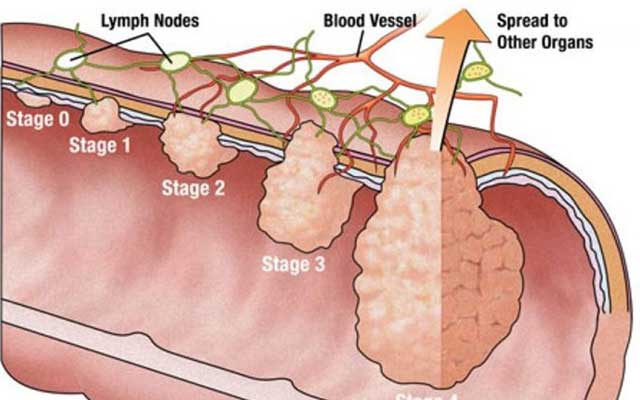
Any suspicious vulvar lesion should be biopsied to exclude invasion. This can be done under local anesthesia with a 3- or 4-mm Keyes biopsy instrument, or with an incisional or wedge biopsy. Even if the lesion is small, it is better not to excise the entire lesion at the time of biopsy, as this makes the subsequent definitive surgery difficult to plan. Examination: inspection of entire vulva with good lighting. Palpation checking for induration (hardness), fixation to underlying structures. Inguinal lymph node palpation—enlarged, firm nodes suggest metastases. Biopsy technique: office-based under local anesthesia (lidocaine injection). Punch biopsy (3-6mm) for raised lesions, ulcers, discolored areas. Incisional biopsy for larger lesions (wedge including normal adjacent skin). Avoid excisional biopsy of suspected cancer—interferes with surgical planning. Multiple biopsies if multifocal disease or VIN. Pathology determines: invasive cancer versus VIN (precancer); depth of invasion (critical for staging, treatment planning); tumor grade, lymphovascular invasion. Staging workup if cancer confirmed: pelvic MRI (best local assessment—tumor size, depth, urethral/anal involvement); inguinal/pelvic lymph node evaluation (CT or PET/CT—detects metastases); cystoscopy if anterior tumor near urethra; proctoscopy if posterior tumor near anus. FIGO staging (surgical-pathologic): Stage I: confined to vulva/perineum, ≤2cm. Stage II: confined to vulva/perineum, >2cm. Stage III: extends to lower urethra, vagina, anus, or inguinal lymph node metastases. Stage IV: invades upper urethra, bladder mucosa, rectal mucosa, pelvic bone, or distant metastases. Bpax
Treatment: Surgery Remains Cornerstone
Surgery is the standard of care and is recommended in all cases of resectable disease. Adjuvant radiation therapy and chemotherapy may be recommended in some cases, especially if there is high risk for recurrent disease (lymph node involvement). Surgical approaches (individualized based on size, location, stage): Radical local excision: removes tumor with 1-2cm margins, preserves majority of vulva. Preferred for small (<2cm) unifocal lesions. Aim: negative margins (no tumor at edge), minimize functional/cosmetic impairment. Radical vulvectomy: removes entire vulva including labia, clitoris, perineal skin. Reserved for large, multifocal, or advanced lesions where local excision inadequate. Significant psychosexual morbidity—rarely performed now with preference for more conservative approaches. Lymph node management: sentinel lymph node biopsy for early-stage tumors <4cm, no palpable nodes—removes 1-2 sentinel nodes; if negative, avoids full dissection. Inguinofemoral lymphadenectomy if positive sentinel node, palpable nodes, or tumor >4cm—removes inguinal and upper femoral nodes. High morbidity: lymphedema (30-40%), wound complications, chronic pain. Reconstructive surgery: skin grafts, myocutaneous flaps (gracilis, rectus abdominis) for large defects. Vaginal reconstruction if vagina involved. Radiation therapy: adjuvant radiation after surgery if: positive/close surgical margins, multiple positive lymph nodes (≥2), extracapsular lymph node extension. Reduces local recurrence risk—doesn’t improve survival but prevents local morbidity. Definitive chemoradiation (no surgery): for unresectable tumors, medical comorbidities precluding surgery, or patient preference. Concurrent cisplatin or 5-FU during radiation. Chemotherapy: limited role. Concurrent with radiation (radiosensitization). Systemic chemotherapy (cisplatin-based) for metastatic disease—palliative, limited efficacy. Cleveland Clinic
Prognosis: Stage and Nodes Determine Outcome
The overall five-year relative survival rate for those diagnosed with vulvar cancer is 71%. The five-year relative survival rate for localized vulvar cancer, when the cancer is only in the vulva and has not spread, is 86%. The five-year relative survival rate for vulvar cancer with regional spread, to nearby lymph nodes or tissues but not distant organs, is 53%. The five-year relative survival rate for vulvar cancer with spread to distant parts of the body is 19%. The overall 5-year survival rate ranges from 70% to 93% for patients with negative nodes and from 25% to 41% for those with positive nodes. Five-year survival by SEER stage: Localized (confined to vulva): 86%—excellent prognosis with appropriate surgery. Regional (lymph node involvement): 53%—significantly worse, requires adjuvant treatment. Distant (metastatic): 19%—poor prognosis, palliative focus. The lymph node impact: single positive node: 50-60% five-year survival; 2+ positive nodes: 20-40% five-year survival; extracapsular extension: 10-30% five-year survival. Other prognostic factors: depth of invasion: <1mm superficially invasive—excellent prognosis, low metastatic risk; >5mm deeply invasive—high risk lymph node metastases. Tumor size: <2cm better than >4cm. Age: elderly women (>70) worse outcomes—comorbidities, tolerance to treatment. Lymphovascular invasion: presence predicts lymph node metastases, worse survival. Recurrent lesions in the lymph nodes, as well as in distant sites, are not amenable to surgery or radiotherapy. They are difficult to treat, and the 5-year survival rate is generally less than 5%. Recurrence patterns: local recurrence (vulva) 15-30%, usually within 2 years—often salvageable with re-excision, radiation. Groin recurrence 5-15%—poor prognosis, limited treatment options. Distant metastases 5-10%—lungs, liver, bone—palliative only. Cancer Australia + 2
Prevention: HPV Vaccination and Lichen Sclerosus Management
HPV vaccination: Gardasil 9 protects against HPV-16/18 causing majority of HPV-associated vulvar cancers (also HPV-31/33/45/52/58). Prevents 60-70% of vulvar squamous cell carcinomas. Ideally ages 11-12 before sexual activity; effective through age 26; catch-up vaccination recommended through age 45. Prevents VIN (precursor)—treating VIN reduces cancer risk 88% → 4%. Lichen sclerosus management: lifelong potent topical corticosteroid (clobetasol propionate 0.05%). Application protocol: nightly until symptoms controlled (1-3 months), then 2-3 times weekly maintenance indefinitely. Never stop treatment completely—disease recurs. Regular monitoring: dermatology/gynecology every 6-12 months; monthly vulvar self-examination; immediate biopsy of suspicious changes (thickened plaques, ulcers, lumps). Treating lichen sclerosus reduces but doesn’t eliminate cancer risk—vigilance essential. Smoking cessation: reduces risk, especially in HPV-positive women. Safe sexual practices: limiting partners, condoms (reduce but don’t eliminate HPV transmission). Regular gynecologic care: annual pelvic exams including vulvar inspection—many cancers incidentally discovered. Women with VIN: close surveillance every 3-6 months; low threshold for repeat biopsy. Self-examination: monthly vulvar inspection using mirror checking for: new lumps, thickened areas, persistent ulcers, changes in color (white patches, red areas, dark spots), bleeding, or persistent itching despite treatment.
Frequently Asked Questions
Q1: I have a white patch on my vulva that’s itchy. How worried should I be about cancer?
White vulvar patches (leukoplakia) have multiple causes—most benign but requiring evaluation: Lichen sclerosus (most common): autoimmune condition causing thin, white, “tissue paper” skin with intense itching. Requires biopsy confirming diagnosis, then lifelong topical corticosteroid treatment. 4% lifetime vulvar cancer risk—requires monitoring but treatable. Vulvar intraepithelial neoplasia (VIN): precancerous condition. May appear as white, red, or pigmented patches. Can be HPV-related (HSIL/uVIN) or associated with lichen sclerosus (dVIN). Biopsy essential—treatment (excision, laser, topical imiquimod) prevents progression to cancer. Lichen simplex chronicus: chronic scratching/rubbing thickens skin creating white leathery patches. Secondary to other conditions causing itching. Benign. Vitiligo, psoriasis: other benign skin conditions causing white patches. Invasive cancer: can present as white thickened plaque, especially if ulcerated, bleeding, or hard on palpation. Don’t panic—but don’t delay evaluation. See gynecologist or dermatologist for examination and likely biopsy. Even if benign, conditions like lichen sclerosus require treatment preventing cancer development. Persistent vulvar symptoms (itching, discoloration lasting >4 weeks despite OTC treatment) warrant professional evaluation.
Q2: I’m 45 and just diagnosed with high-grade VIN. Does this mean I have cancer?
No—VIN (vulvar intraepithelial neoplasia) is precancerous, not cancer. It means abnormal cells in vulvar skin surface that could become cancer if untreated but haven’t invaded deeper tissues yet. Your prognosis excellent with treatment. High-grade VIN (HSIL/uVIN): Usual-type VIN accounts for the majority of VIN. uVIN usually takes six to seven years to become cancer. In one study, 88% of untreated HSIL progressed to cancer, but of the women who were treated, only 4% developed vulvar cancer. Treatment dramatically reduces cancer risk from 88% → 4%. Treatment options: wide local excision (surgical removal with margins)—definitive, allows full pathology; laser ablation (vaporizes abnormal tissue)—appropriate for multifocal lesions; topical imiquimod (immune-modulating cream)—5% cream applied 2-3 times weekly for 12-20 weeks, causes regression in 40-80%. At age 45 with VIN, you’re likely HPV-positive pathway—consider smoking cessation (synergistic with HPV), ensure HPV vaccination if not previously vaccinated (prevents new HPV infections), and discuss partners’ HPV vaccination. Post-treatment surveillance: vulvar exam every 3-6 months first 2 years, then every 6 months years 3-5, then annually. Low threshold for re-biopsy if suspicious areas develop. VIN recurrence common (20-30%)—doesn’t mean treatment failed, means continued vigilance essential. Bottom line: VIN is pre-cancer caught at perfect window for prevention. Treatment works. You dodged a bullet—now stay vigilant. Medical News Todaynih
Q3: My 78-year-old mother was diagnosed with Stage II vulvar squamous cell carcinoma. What treatment should she expect?
Stage II means tumor >2cm but still confined to vulva/perineum without lymph node involvement—surgery potentially curative. Your mother’s treatment likely involves: Surgery: radical local excision or radical vulvectomy (depending on size, location). Removes tumor with 1-2cm margins. Bilateral inguinofemoral lymphadenectomy (removing groin lymph nodes both sides)—staging and treatment. High morbidity risk: wound complications (25-40%)—infection, breakdown, delayed healing; lymphedema (leg swelling—30-40% risk); chronic groin pain; sexual dysfunction (if extensive vulvar resection). Postoperative adjuvant radiation may be recommended if: positive/close surgical margins, ≥2 positive lymph nodes, or extracapsular lymph node extension. Reduces recurrence but doesn’t improve survival—prevents local morbidity. Side effects: skin changes (vulvar/groin), urinary/bowel irritation, vaginal stenosis. Prognosis: The five-year relative survival rate for localized vulvar cancer is 86%. Stage II falls into this category if lymph nodes negative. If lymph nodes positive: 25-53% five-year survival. Age considerations: 78 years old poses surgical risks—cardiac/pulmonary comorbidities, slower wound healing. Discuss with surgical oncologist whether fit for radical surgery or whether less extensive surgery plus radiation better option. Some elderly patients treated with definitive chemoradiation (no surgery) if medically unfit—less invasive, still effective. Recovery: hospitalization 3-7 days; full recovery 6-12 weeks; sexual counseling, pelvic floor physical therapy helpful managing functional changes. Support your mother emotionally—vulvar cancer surgery psychosexually devastating many women; support groups (OCRA, cancercare.org) connect patients. Cancer Australia
Q4: Can vulvar cancer be prevented?
Partially—through HPV vaccination and lichen sclerosus management: HPV vaccination: Gardasil 9 prevents HPV-16/18 causing 60-70% of vulvar cancers. Ideally ages 11-12; effective through age 26; recommended catch-up through age 45. Even if previously HPV-exposed, vaccination prevents new infections. Prevents vulvar cancer, cervical cancer, vaginal cancer, anal cancer, oropharyngeal cancer, genital warts. Lichen sclerosus treatment: if diagnosed with lichen sclerosus, lifelong topical clobetasol prevents progression to dVIN/cancer. Adherence critical—many women stop treatment when symptoms improve, allowing recurrence. Regular monitoring allows early VIN detection/treatment before cancer develops. Smoking cessation: doubles vulvar cancer risk especially with HPV—quit smoking reduces risk. Safe sexual practices: limiting partners, condoms reduce (don’t eliminate) HPV transmission. Regular gynecologic care: annual exams including vulvar inspection allow early lesion detection. Don’t skip visits due to embarrassment. Prompt evaluation symptoms: persistent itching, lumps, discoloration lasting >4 weeks warrant examination—don’t self-treat indefinitely with OTC creams. VIN treatment: if diagnosed with VIN (precancer), treatment reduces cancer risk 88% → 4%. What can’t be prevented: age (strongest risk factor—incidence increases with age); prior cervical/vaginal cancer (field cancerization from same HPV exposure); immunosuppression (HIV, transplant medications impair immune surveillance). Bottom line: HPV vaccination prevents majority of future vulvar cancers in vaccinated generations. For current adults, lichen sclerosus management and VIN surveillance/treatment most effective prevention.
Q5: How is vulvar cancer different from vaginal or cervical cancer?
All three are lower genital tract cancers but differ in location, epidemiology, treatment: Location: vulvar cancer (external genitalia—labia, clitoris); vaginal cancer (inside vaginal canal); cervical cancer (cervix—opening of uterus). Incidence: cervical cancer most common (~14,000 U.S. cases/year), vulvar cancer intermediate (~6,900 cases/year), vaginal cancer rarest (~1,400 cases/year). Age: cervical cancer younger (median 49 years), vulvar cancer elderly (median 68 years), vaginal cancer elderly (median 69 years). HPV relationship: cervical cancer 90%+ HPV-related, vaginal cancer 60-70% HPV-related, vulvar cancer 40-60% HPV-related. Other causes: vulvar cancer uniquely associated with lichen sclerosus (50% of cases)—not factor in cervical/vaginal cancer. Vaginal cancer associated with DES exposure in utero (not relevant to vulvar/cervical). Precursor lesions: cervical cancer (CIN—cervical intraepithelial neoplasia), vulvar cancer (VIN), vaginal cancer (VAIN). All detectable/treatable before invasive cancer. Screening: cervical cancer has Pap smear screening (dramatically reduced incidence/mortality); vulvar and vaginal cancers lack screening tests—rely on symptom recognition. Treatment: cervical cancer often treated with radiation +/- chemotherapy (surgery for early stage); vulvar cancer primarily surgical (radiation adjuvant); vaginal cancer primarily radiation (surgery limited role). Prognosis: cervical cancer better survival (66% overall five-year) because screening detects early; vulvar cancer intermediate (71% overall); vaginal cancer worst (51% overall)—no screening, diagnosed later. Shared risk factors: HPV, smoking, immunosuppression explain why women with one lower genital tract cancer at higher risk for others—field cancerization. All three preventable through HPV vaccination.
Disclaimer
This article adapts publicly available information from reputable cancer research organizations and medical databases. This content is for informational and educational purposes only and does not constitute medical advice. ObserverVoice.com is a news and information platform — not a healthcare provider. Decisions about vulvar cancer screening, diagnosis, and treatment should be made in consultation with qualified physicians, gynecologists, and oncologists who can evaluate your individual symptoms, risk factors, and health status. If you have persistent vulvar symptoms or changes concerning for vulvar cancer, please consult with your healthcare team promptly.
References
- Cleveland Clinic. Vulvar Cancer: Symptoms, Causes & Treatment. https://my.clevelandclinic.org/health/diseases/6220-vulvar-cancer
- Johns Hopkins Medicine. Vulvar Cancer. https://www.hopkinsmedicine.org/health/conditions-and-diseases/vulvar-cancer
- Cancer Research UK. Risks and causes of vulval cancer. https://www.cancerresearchuk.org/about-cancer/vulval-cancer/risks-causes
- American Cancer Society. Risk Factors for Vulvar Cancer. https://www.cancer.org/cancer/types/vulvar-cancer/causes-risks-prevention/risk-factors.html
- PMC. Vulvar cancer: epidemiology, clinical presentation, and management options. https://pmc.ncbi.nlm.nih.gov/articles/PMC4374790/
Observer Voice is the one stop site for National, International news, Sports, Editor’s Choice, Art/culture contents, Quotes and much more. We also cover historical contents. Historical contents includes World History, Indian History, and what happened today. The website also covers Entertainment across the India and World.

