

Rett Syndrome: The Neurological Condition That Primarily Affects Girls

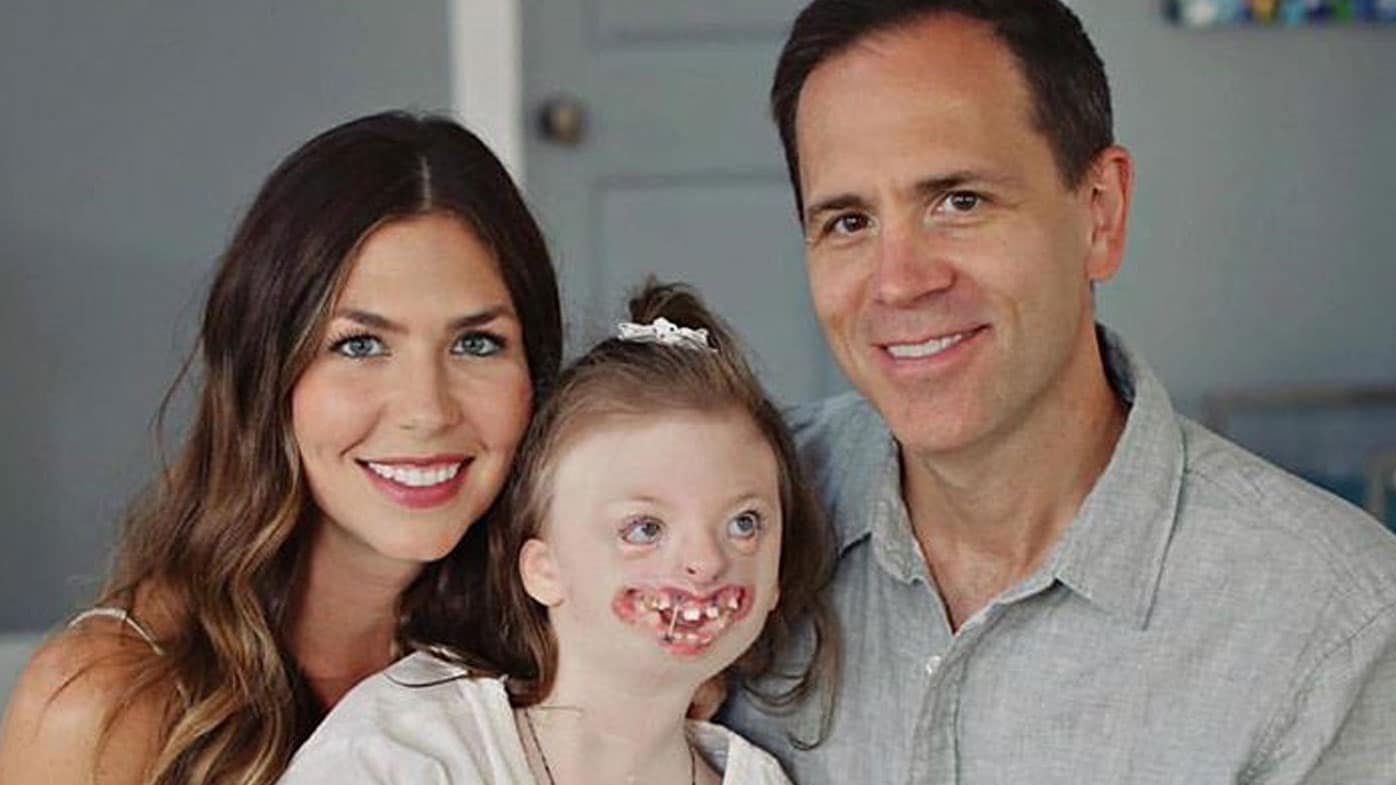
When 18-month-old Naina suddenly stopped using the words she’d learned, lost interest in toys she previously loved, and began repetitive hand-wringing movements that she couldn’t seem to control, her parents initially feared autism—but genetic testing revealed Rett syndrome, a devastating neurological disorder affecting approximately 1 in 10,000-15,000 live female births, caused by mutations in the MECP2 gene on the X chromosome. Her neurologist explained that unlike most developmental disorders where delays are apparent from birth, Rett syndrome follows a cruel pattern: babies develop normally for the first 6-18 months—achieving developmental milestones like sitting, crawling, babbling, and sometimes even walking and speaking—then undergo a period of regression where skills are progressively lost, leaving most affected girls profoundly disabled, unable to speak or use their hands purposefully, often with seizures, breathing abnormalities, and scoliosis. Rett syndrome is often called the “disease of lost skills” because watching previously acquired abilities disappear is uniquely heartbreaking for families, yet it’s also misunderstood because affected girls often maintain strong eye contact and emotional connections despite profound physical and communication disabilities—they’re cognitively “locked in” with more understanding than their severe impairments suggest. Understanding Rett syndrome is crucial because it’s severely underdiagnosed with many girls misdiagnosed as having cerebral palsy or non-specific developmental delay for years, early diagnosis allows appropriate interventions including physical/occupational therapy, communication devices, and management of complications like scoliosis and seizures, and groundbreaking research offers genuine hope—gene therapy trials are underway with preliminary evidence that restoring MECP2 function even years after symptom onset can reverse some symptoms.
The MECP2 Gene: When a Master Regulator Fails
Rett syndrome is caused by mutations in the MECP2 gene (methyl-CpG-binding protein 2) located on the X chromosome (Xq28). MECP2 encodes a protein called MeCP2 that functions as a master regulator of gene expression—it doesn’t create structural proteins or enzymes for specific cellular functions, but rather controls the expression of thousands of other genes throughout the brain. MeCP2 binds to methylated DNA (DNA with methyl groups attached—a form of epigenetic marking), regulates gene transcription (turning genes on and off at appropriate times), maintains appropriate levels of various brain proteins, supports synaptic function (connections between neurons), and is particularly crucial during brain development and maturation. MeCP2 is expressed throughout the body but is especially abundant in mature neurons, where its levels increase as the brain develops—explaining why symptoms appear after initial normal development rather than from birth.
When MECP2 is mutated and produces absent or dysfunctional MeCP2 protein, widespread dysregulation of gene expression occurs affecting thousands of genes simultaneously, causing neuronal dysfunction (neurons don’t fire normally, synapses don’t function properly), impaired brain maturation and circuit formation, disrupted neurotransmitter systems (particularly glutamate, GABA, dopamine), and progressive neurological dysfunction despite normal early development. The brain structurally appears relatively normal on MRI (no major malformations), but microscopic examination shows reduced neuronal size, decreased dendritic branching (fewer connections between neurons), and reduced synapse density—the brain is “quieter” with less neuronal activity.
Over 900 different MECP2 mutations have been identified, occurring throughout the gene. Eight common mutations account for about 60-70% of classic Rett cases, including R106W, R133C, T158M, R168X, R255X, R270X, R294X, and R306C. Each mutation causes slightly different severity and symptom patterns, though considerable variability exists even among individuals with identical mutations. Most Rett syndrome cases (>99%) occur in girls because MECP2 is on the X chromosome and most mutations are de novo (new mutations not inherited from parents). Girls have two X chromosomes—one with mutated MECP2, one normal. Due to X-inactivation (random silencing of one X chromosome in each cell), girls are mosaics with some neurons expressing normal MECP2, others expressing mutant MECP2. This mosaicism allows survival but causes disease.
Boys typically have only one X chromosome—if it carries a mutated MECP2, they have no normal copy to compensate. Most males with MECP2 mutations die in infancy from severe encephalopathy, though rare males survive with severe disability, Klinefelter syndrome (XXY—extra X chromosome providing partial compensation), or somatic mosaicism (some cells have mutation, others don’t). About 1% of Rett syndrome cases occur in males with these scenarios.
Rett syndrome follows X-linked dominant inheritance, though 99% of cases are de novo mutations (occurring spontaneously in the egg or sperm that formed the child, or very early in embryonic development). Parents typically don’t carry the mutation and recurrence risk for future children is <1%. However, germline mosaicism (where a parent has the mutation in some egg or sperm cells but not in body cells) rarely occurs, causing 1-2% recurrence risk. Males cannot pass MECP2 mutations to sons (sons get father’s Y chromosome, not X) but pass to all daughters. Affected females have 50% chance of passing mutations to children, though this rarely occurs as most affected females don’t have children. Genetic testing of mothers of affected daughters sometimes reveals asymptomatic or mildly affected mothers who are mosaic for MECP2 mutations—they have the mutation in some cells, producing milder symptoms.
Symptoms: Four Stages of Progression
Rett syndrome progresses through four characteristic stages, though not all individuals follow this pattern exactly. Stage I: Early onset (6-18 months) represents deceleration of development. Subtle slowing of development becomes apparent—head growth decelerates (head circumference percentiles drop on growth charts), interest in toys and social interaction decreases, hand skills begin to deteriorate, and hypotonia (decreased muscle tone) often appears. This stage is easy to miss—symptoms are subtle and families often don’t recognize problems until later stages. Duration is typically 3-6 months.
Stage II: Rapid destructive phase (1-4 years) brings obvious regression. Previously acquired skills are lost including loss of purposeful hand use (can no longer reach for toys, feed themselves, manipulate objects), loss of spoken language (words and babbling disappear), and loss of social engagement (reduced eye contact, decreased interaction). Characteristic hand stereotypies emerge—repetitive, involuntary hand movements replacing purposeful hand use. Common patterns include hand-wringing (wringing or washing movements), hand-clapping or tapping, hand-mouthing (bringing hands to mouth repeatedly), and hand-clasping at midline. These occur constantly during waking hours and cannot be voluntarily suppressed.
Gait abnormalities develop in those who learned to walk—unsteady, wide-based, stiff-legged gait, toe-walking, or loss of ability to walk. Breathing irregularities appear during wakefulness including hyperventilation (rapid breathing), breath-holding (apnea), air swallowing, and breath-holding followed by sudden forceful exhalation. These don’t occur during sleep. Autistic features emerge including loss of social engagement, repetitive behaviors, and reduced communication, often leading to misdiagnosis as autism. Irritability and crying without apparent cause increase. This is the most distressing stage for families—watching their child lose abilities is devastating. Duration varies from months to over a year.
Stage III: Plateau/pseudo-stationary phase (2-10 years or longer) shows stabilization. Regression slows or stops—no further skill loss, and some girls show modest improvements. Seizures develop in 60-80% of individuals—multiple types including generalized tonic-clonic, complex partial, myoclonic, or atypical absence. Apraxia (inability to perform purposeful movements despite intact muscles and coordination) becomes evident—the brain cannot send signals to make hands do what the girl wants. Motor problems worsen including increased spasticity and rigidity, development of dystonia (sustained muscle contractions causing twisting), and ataxia (poor coordination). Scoliosis develops in 50-80%, sometimes severe requiring surgery.
Girls often “wake up” socially—eye contact improves, social interest returns, and girls communicate preferences through eye gaze and facial expressions despite absent speech. This stage can last many years or decades. Stage IV: Late motor deterioration (10+ years) involves progressive motor disability. Mobility declines—those who walked may lose this ability, wheelchair dependence increases, and spasticity and rigidity worsen. Scoliosis often worsens—can cause respiratory compromise and pain. Peripheral neuropathy may develop—weakness and sensory changes in extremities. Cognitive decline is debated—unclear if true cognitive decline occurs or if worsening motor impairment makes assessment impossible. Many individuals remain stable cognitively.
Seizures may improve in adolescence/adulthood—frequency often decreases. Some individuals remain relatively stable in Stage III indefinitely, never progressing to Stage IV. Not all Rett individuals fit neatly into these stages—some skip Stage II rapid regression and progress slowly. Others plateau early and remain stable for decades.
Diagnosis: Clinical Recognition and Genetic Confirmation
Diagnosing Rett syndrome combines recognizing the clinical pattern with genetic confirmation. Clinical diagnostic criteria (revised 2010) require period of regression after apparently normal early development, loss of purposeful hand skills, loss of spoken language, gait abnormalities (inability to walk or dyspraxic/ataxic gait), and characteristic hand stereotypies. Additionally, supportive criteria strengthen diagnosis including breathing disturbances (hyperventilation, apnea, air swallowing), bruxism (teeth grinding), impaired sleep patterns, abnormal muscle tone, peripheral vasomotor disturbances (cold, bluish hands and feet), scoliosis/kyphosis, growth retardation, small cold hands and feet, inappropriate laughing or screaming, diminished response to pain, and intense eye communication.
Exclusion criteria rule out other causes: brain injury from trauma or infection, grossly abnormal psychomotor development in first 6 months, or confirmed metabolic or other progressive neurological disorder. Variant forms exist including preserved speech variant (retains some speech despite other Rett features), early-onset seizure variant (Hanefeld variant—seizures beginning before typical regression), and congenital variant (severe symptoms from birth without normal development period). Genetic testing via MECP2 gene sequencing detects mutations in about 95% of individuals meeting clinical diagnostic criteria for classic Rett syndrome and 50-75% of atypical or variant cases. Testing analyzes the entire MECP2 coding sequence looking for mutations, deletions, or duplications.
A positive test confirms Rett syndrome, but negative testing doesn’t rule it out—5% of clinically diagnosed classic Rett have no detectable MECP2 mutation. These may have mutations in regulatory regions not covered by standard testing, other genes causing Rett-like phenotypes (CDKL5, FOXG1), or mechanisms not yet discovered. Testing for CDKL5 and FOXG1 genes is performed if MECP2 is negative and clinical features suggest Rett. Additional testing includes EEG often showing characteristic patterns (slowing of background, multifocal spikes, generalized spike-wave), though not diagnostic. Brain MRI is usually normal or shows non-specific findings (mild cerebral atrophy, thin corpus callosum)—performed mainly to exclude other structural causes. Developmental assessment documents regression and current abilities—though standardized testing is difficult given communication and motor impairments.
Differential diagnosis includes Angelman syndrome (similar happy demeanor, hand-flapping, but different genetic cause, no regression pattern), autism spectrum disorder (overlapping features early on but lack of regression and loss of skills), cerebral palsy (motor impairment but typically present from birth, not acquired after normal development), and CDKL5 or FOXG1 disorders (Rett-like but different genes, often earlier onset seizures or microcephaly from birth). The regression after normal development is Rett’s signature—this pattern distinguishes it from most other developmental disorders. Newborn screening doesn’t currently include Rett syndrome, though technically possible via MECP2 testing. Ethical considerations include psychological burden of knowing before symptoms appear and inability to prevent or cure the condition even with early diagnosis.
Treatment: Supportive Care and Emerging Therapies
No cure exists yet, but comprehensive management addresses symptoms and maximizes quality of life. Medications target specific symptoms. For seizures, antiepileptic drugs including valproic acid, lamotrigine, levetiracetam, or carbamazepine control seizures in most patients. Seizures in Rett generally respond better to treatment than in some other epilepsy syndromes. For rigidity and dystonia, baclofen (oral or intrathecal pump), trihexyphenidyl, or botulinum toxin injections reduce muscle stiffness and abnormal postures. For reflux and constipation (very common), proton pump inhibitors and laxatives/stool softeners provide symptom relief. For breathing irregularities, no effective medications exist—these typically don’t require treatment unless causing distress.
Therapies form the cornerstone of care. Physical therapy maintains mobility, prevents contractures, and addresses gait training using walkers or gait trainers when appropriate. Aquatic therapy often beneficial. Occupational therapy works on activities of daily living, positioning, and adaptive equipment. Hand splints sometimes used to prevent contractures from constant hand-wringing. Speech therapy focuses not on speech production (rarely effective) but on alternative communication—eye gaze systems, picture boards, or high-tech communication devices using eye-tracking technology allowing girls to communicate by looking at symbols on a screen. Many Rett girls learn to communicate effectively using eye gaze. Music therapy and hippotherapy (horseback riding therapy) provide enjoyment and therapeutic benefits—many families report these are highlights for their daughters.
Nutritional support addresses feeding difficulties, swallowing problems, and growth retardation. High-calorie diets, feeding therapy, and sometimes gastrostomy tubes ensure adequate nutrition. Calcium and vitamin D supplementation prevent osteoporosis (common due to immobility and medications). Orthopedic interventions manage scoliosis through bracing in mild-moderate cases or spinal fusion surgery for severe progressive curves. Surgery significantly improves quality of life in many cases—sitting tolerance, breathing, pain all improve. Management of other complications includes dental care (bruxism, reflux, difficulty with brushing due to hand stereotypies), sleep management (melatonin, sleep hygiene, treating sleep apnea if present), and pain management (often underrecognized as girls can’t verbalize pain—watching for behavioral changes indicating discomfort).
Educational and behavioral support provides special education with individualized plans emphasizing communication, life skills, and sensory experiences rather than academic content. Behavioral supports address anxiety, irritability, sleep problems. Social inclusion—many Rett girls enjoy social situations, music, being around people despite communication barriers. Experimental therapies in clinical trials include trofinetide (an IGF-1 analog)—FDA approved in 2023 (Daybue) for Rett syndrome. Clinical trials showed improvements in some symptoms (breathing irregularities, communication, hand function). First approved drug specifically for Rett syndrome. Given orally twice daily.
Gene therapy using AAV vectors to deliver functional MECP2 gene to brain neurons is in early clinical trials. Challenges include avoiding overexpression (too much MECP2 is also toxic), getting adequate brain coverage, and determining optimal age/stage for treatment. Early results are cautiously encouraging. MECP2 reactivation approaches attempt to “wake up” the silenced normal MECP2 copy on the inactive X chromosome using drugs modifying chromatin structure. Various compounds in preclinical testing. The groundbreaking discovery from animal studies: restoring MECP2 function even in adult mice reversed symptoms—this was unexpected and hugely encouraging, suggesting Rett is potentially reversible at any age if we can restore gene function.
Living with Rett Syndrome: Lifespan, Quality of Life, and Family Impact
Life expectancy in Rett syndrome is reduced compared to general population but many individuals live into their forties, fifties, or even sixties with good care. Causes of premature death include sudden unexpected death (likely cardiac arrhythmias or breathing irregularities causing profound hypoxia), aspiration pneumonia from swallowing dysfunction, seizure-related complications, and respiratory failure in those with severe scoliosis. However, many Rett individuals live long lives with appropriate medical care, seizure control, nutritional support, and scoliosis management.
Quality of life is difficult to assess externally but most families report their daughters enjoy life, respond to favorite music and activities, show clear preferences and personality, communicate through eye gaze and facial expressions, and form strong bonds with family and caregivers. The profound motor and communication impairments mask cognitive awareness—most Rett girls understand far more than they can express. Reading facial expressions and eye gaze reveals their engagement and preferences. However, quality of life is impacted by inability to communicate wants and needs effectively (frustrating for individuals despite communication devices), constant involuntary hand movements (exhausting, sometimes causing hand injuries), breathing irregularities causing discomfort or anxiety, pain from scoliosis, constipation, reflux often underrecognized, and complete dependence for all activities of daily living.
Abilities vary but most individuals never develop functional speech (5% develop/retain a few words), require assistance with all ADLs (feeding, dressing, bathing, toileting), cannot use hands purposefully (stereotypies prevent functional use), and are wheelchair-dependent (about 50% walk at some point but many lose this ability). Some maintain walking into adulthood with assistance. Family impact is profound including grief over loss of expected future and watching regression, 24/7 care requirements extending throughout the child’s life and into adulthood, financial burden of therapies, equipment, medications, and medical care, and sibling impact—siblings often assume caregiver roles and struggle with complex emotions.
However, many families also report profound love and joy, becoming part of a supportive Rett community, advocacy and fundraising providing purpose, and personality and communication emerging despite disabilities bringing connection. Support resources include the International Rett Syndrome Foundation (IRSF) and Rettsyndrome.org providing family support, research funding, and annual conferences. The Rett Syndrome Research Trust (RSRT) focuses specifically on funding cure research. Online communities and local support groups connect families. Many families become fierce advocates, raising awareness and funds for research. The Rett community is extremely tight-knit and supportive, rallying around new families.
Research progress is genuinely hopeful—understanding of MECP2 and Rett pathophysiology has advanced dramatically, multiple therapeutic approaches are in development or early trials, the reversibility shown in animal studies has energized the field, trofinetide’s FDA approval proves treatments can help, and gene therapy trials are underway with early encouraging signals. Many researchers believe a treatment providing meaningful benefit is possible within the next decade, potentially transforming outcomes for Rett syndrome.
Frequently Asked Questions
Q1: My daughter was developing normally until 18 months, then stopped talking and started hand-wringing. Could this be Rett syndrome or is it autism?
The pattern you’re describing—normal development followed by loss of previously acquired skills combined with hand-wringing—is very characteristic of Rett syndrome and should definitely be evaluated. While autism and Rett syndrome can appear similar in some ways, especially early on, there are important distinguishing features. Rett syndrome features include regression after normal development (key hallmark)—development appears normal for the first 6-18 months with skills like sitting, babbling, social interaction, and sometimes even walking and words acquired, then regression occurs with loss of these previously acquired skills. Autism typically shows delays from the start rather than loss of acquired skills, though some autistic children experience regression.
Characteristic hand stereotypies in Rett include constant hand-wringing, hand-clapping, hand-mouthing, or hand-clasping that replace all purposeful hand use. These are involuntary and occur during all waking hours. In autism, hand-flapping or other repetitive movements may occur but don’t completely replace purposeful hand use—autistic children can still reach for toys, feed themselves, manipulate objects between stereotypic behaviors. Complete loss of purposeful hand use suggests Rett. Breathing irregularities during wakefulness (hyperventilation, breath-holding, air-swallowing) are very characteristic of Rett and don’t occur in typical autism. Preserved eye contact and social interest—despite losing speech and hand skills, Rett girls maintain strong eye contact and interest in people. They communicate intensely through eye gaze. In autism, reduced eye contact and social disinterest are typically prominent.
Head growth deceleration—in Rett, head circumference growth slows resulting in microcephaly (small head) by age 2-4 years. This doesn’t occur in autism. Gender—Rett affects primarily girls (>99%). While autism affects both genders, if a girl has the clinical pattern described, Rett should be strongly considered. What you should do: see a developmental pediatrician or child neurologist immediately describing the regression and hand behaviors. Specifically mention Rett syndrome as a concern—many pediatricians aren’t familiar with Rett and may miss it. Request MECP2 genetic testing—this is a simple blood test that detects Rett mutations in 95% of classic cases. Also consider CDKL5 and FOXG1 testing if MECP2 is negative but features suggest Rett.
Document the regression timeline—write down which skills were achieved and when they were lost. Videos from before regression are invaluable showing her previous abilities. Pursue early intervention services immediately—physical therapy, occupational therapy, speech therapy. These help regardless of ultimate diagnosis. Important caveats: some autistic children do experience regression (regressive autism) and may lose words. However, complete loss of purposeful hand use and development of constant stereotypies is more consistent with Rett. About 5% of clinically diagnosed Rett cases have negative MECP2 testing—negative genetic test doesn’t rule out Rett if clinical features are present. May be other genes or mechanisms. Given your daughter’s age (18 months) and the clear regression with hand-wringing, Rett syndrome is a strong possibility that requires evaluation. Early diagnosis allows appropriate expectations, therapies, management of emerging problems like seizures, and connection with Rett-specific resources and support groups. Don’t wait—pursue evaluation now.
Q2: My daughter was just diagnosed with Rett syndrome at age 3. Will she ever speak, walk, or be able to do anything for herself? What does her future look like?
This is the hardest question for newly diagnosed families, and the honest answer is that outcomes vary considerably between individuals, but most girls with classic Rett syndrome remain profoundly disabled throughout life requiring total care. However, understanding what to realistically expect helps you prepare while also recognizing your daughter’s unique strengths and personality. Speech outcomes: about 95% of classic Rett girls never develop functional speech beyond perhaps 1-5 single words. Some achieve no words at all. The loss of speech is typically permanent. However, communication is different from speech. With appropriate communication devices using eye-gaze technology, many Rett girls learn to communicate effectively—expressing wants, answering questions, showing preferences, even “talking” about emotions or experiences using eye tracking to select words or symbols on a screen. Your daughter will likely never speak verbally, but she can learn to communicate through other means.
Motor outcomes for walking: about 50% of Rett girls learn to walk at some point, though often delayed (ages 3-7 years) and with ataxic, unsteady gait. Some maintain walking ability into adulthood with assistance; others lose this ability in adolescence/adulthood and become wheelchair-dependent. If your daughter hasn’t started walking yet, she may or may not achieve this—intensive physical therapy optimizes her chances. Even if she walks, expect to need gait trainers, walkers, or wheelchairs for distance/fatigue. Hand use: this is the most impacted area. The constant stereotypic hand movements (wringing, clapping, mouthing) prevent purposeful hand use. Very few Rett girls regain the ability to use their hands functionally for feeding, playing, or manipulating objects. This is due to apraxia—the brain cannot send the signals to make hands do what she wants, even though the hands themselves are physically capable. She will need assistance with all hand-based activities throughout life.
Activities of daily living: most Rett girls require assistance with all ADLs including feeding (may self-feed finger foods with assistance but typically need to be fed), dressing (cannot manage buttons, zippers, pulling clothes on/off independently), bathing (require full assistance), toileting (many never achieve toilet training; some toilet train but need assistance), and grooming (brushing teeth, hair, etc. require assistance). Some higher-functioning individuals achieve partial independence in some areas, but this is uncommon. Cognitive abilities are difficult to assess given severe communication and motor impairments. Most formal testing shows severe-profound intellectual disability (IQ equivalents 20-40). However, these tests may underestimate true understanding—many families and therapists believe Rett girls understand far more than they can demonstrate. Receptive language (understanding) is better than expressive (speaking). Your daughter likely understands more than she can show.
Quality of life despite these severe limitations: many Rett girls clearly enjoy life, respond to favorite music, activities, people; show strong preferences and distinct personalities; communicate through eye gaze, facial expressions, vocalizations; and form deep bonds with family and caregivers. They have rich inner lives despite their disabilities. Your daughter will have likes, dislikes, humor, emotions—she’s a complete person “locked in” by her motor and communication impairments. Life expectancy with good care: many Rett individuals live into their forties, fifties, or sixties. Some live even longer. With modern medical care managing complications (seizures, scoliosis, nutrition, breathing), lifespan has improved significantly.
Your future likely involves lifelong caregiving—your daughter will need 24/7 supervision and assistance throughout her life. This doesn’t end when she turns 18 or 21. Planning for adult care is crucial. Connecting with other Rett families who are years ahead in the journey—they can share practical advice and emotional support. Focusing on communication—eye-gaze devices can be transformative. Prioritizing her comfort and happiness—pain management, favorite activities, sensory experiences all matter. Grieving the life you expected while embracing the daughter you have—this is a process and counseling helps. Hoping for treatments—research is advancing rapidly. Gene therapy trials are underway. Your daughter may benefit from treatments developed during her lifetime even if they don’t fully reverse her symptoms. I know this paints a difficult picture. But families also report profound love, unexpected joys, and meaningful connection despite the disabilities. Your daughter will teach you about communication beyond words, resilience, and what truly matters in life.
Q3: My daughter with Rett syndrome is 7 years old and seems to understand everything we say, but she can’t respond. How can we help her communicate, and does her understanding mean she has less severe intellectual disability than we were told?
You’re touching on one of the most important and often misunderstood aspects of Rett syndrome—the disconnect between apparent cognitive understanding and the ability to demonstrate that understanding through conventional testing or communication. Many Rett families observe exactly what you’re describing: their daughters respond appropriately to questions, show clear preferences, follow conversations with their eyes, laugh at jokes, and demonstrate understanding far beyond what standardized testing suggests. This is because Rett syndrome causes profound apraxia (inability to execute purposeful movements despite intact muscles and sensation) affecting not just hands but speech, facial expressions, and all motor systems. Your daughter’s brain may be formulating responses, but the signals can’t translate into action. She’s essentially “locked in”—aware, understanding, but unable to respond conventionally.
This doesn’t necessarily mean her intellectual disability is absent or mild—it’s genuinely difficult to know. Some Rett girls likely do have significant cognitive impairment alongside the motor impairments. Others may have near-normal cognition trapped by the motor limitations. Without reliable ways to assess cognition independent of motor output, we simply don’t know for individual patients. However, your observation that she understands is important and should guide how you interact with her. Assume understanding—talk to her normally, explain what’s happening, include her in conversations, ask her questions even if she can’t answer conventionally. Many families who’ve always assumed understanding report later (when communication devices become available) that their daughters understood everything all along.
Communication approaches for Rett syndrome: eye-gaze communication systems are the most successful for many Rett girls. These use eye-tracking technology—a camera tracks where she’s looking on a screen displaying pictures, symbols, or words. When she looks at something for a designated time, the device “selects” it and speaks the word/phrase. Systems range from low-tech (you hold up picture choices and she looks at one) to high-tech (sophisticated devices like Tobii Dynavox with full vocabulary and voice output). Many Rett girls become quite proficient with eye gaze, communicating preferences, answering questions, even “chatting” about their day. Yes/no systems establish reliable methods for yes/no responses—looking up for yes, down for no, or looking at “yes” versus “no” cards. This alone enables significant communication.
Partner-assisted scanning involves you pointing to or reading options while she indicates yes/no or chooses through eye gaze or facial expression (smiling, vocalizing). Low-tech but very functional. Choice-making with two options presented (verbally or visually) and she indicates preference through eye gaze, reaching toward one (even if stereotypic hand movements, sometimes a slight movement toward preferred option can be distinguished), or facial expression/vocalizations showing preference. Teaching functional communication for needs/wants (hungry, thirsty, bathroom, hurt, tired, want music, want to go outside) prioritized over abstract vocabulary. What you should do: work with a speech-language pathologist experienced with AAC (augmentative and alternative communication) and ideally with Rett syndrome specifically. Request evaluation for eye-gaze communication device—some insurance companies cover these as durable medical equipment.
Start simple with yes/no and choice-making—establish reliable systems before progressing to more complex communication. Use aided language stimulation—you model using the communication system throughout the day (“want drink? Look at drink. Here’s drink.”) helping her learn the system. Be patient—learning to use eye gaze effectively takes time, sometimes months or years. Give her time to process and respond—Rett girls often have delayed processing and need extra time (5-10+ seconds) to formulate responses. Practice frequently but avoid overwhelming her—short sessions multiple times daily work better than long sessions. Many families report that once communication systems are established, their daughters “blossom”—the ability to express themselves reduces frustration, allows personality to emerge, and reveals understanding that was always present but hidden. Regarding cognitive abilities: some researchers believe many Rett girls have better cognitive potential than traditional testing suggests, while others think the apraxia is so severe it’s impossible to know true cognitive level. Either way, treating your daughter as if she understands, providing communication opportunities, and enriching her environment with age-appropriate experiences is the right approach. Even if her cognitive disability is significant, she deserves to be treated with dignity, included in conversations, and given opportunities to communicate to her maximum potential.
Q4: I keep hearing about gene therapy trials for Rett syndrome. Is this realistic hope, and could my 10-year-old daughter benefit even though she’s already lost so many skills?
Yes, there is realistic hope from gene therapy research, and remarkably, evidence suggests treatment could benefit individuals who’ve already experienced years of symptoms—this is one of the most encouraging aspects of Rett research. The groundbreaking discovery that changed the field: in 2007, researchers showed that restoring MECP2 function in adult mice with Rett-like symptoms reversed many of their problems. This was unexpected—conventional wisdom suggested early brain development was the critical period and once symptoms appeared, damage was irreversible. But these mouse studies showed that reactivating MECP2 even in adult animals improved motor function, breathing patterns, seizures, and lifespan. This proved Rett syndrome is potentially reversible rather than causing permanent damage—neurons aren’t dead, just dysfunctional, and providing them with MECP2 can restore function.
Current gene therapy approaches: AAV gene therapy uses adeno-associated virus (AAV) vectors carrying a functional MECP2 gene delivered directly into cerebrospinal fluid via lumbar puncture or into the bloodstream with vectors designed to cross the blood-brain barrier. The virus infects neurons, delivering the MECP2 gene so they can produce MeCP2 protein. Several biotech companies (Taysha Gene Therapies, Neurogene, others) have gene therapy programs for Rett in various stages of development. Early-phase clinical trials have begun in young girls with Rett (typically ages 4-10), testing safety and looking for preliminary efficacy signals. Very early results suggest the therapy is generally safe and some participants show improvements in breathing, hand function, seizures, or other symptoms, though numbers are small and follow-up is short.
Challenges include dosing—too little MECP2 doesn’t help, too much is toxic (MECP2 duplication syndrome causes intellectual disability and seizures). Finding the right dose is critical. Brain coverage is needed—getting the gene to sufficient neurons throughout the brain, particularly to the right cell types, ensuring durable expression (how long does one treatment last?), and avoiding immune responses to the viral vector. The critical question for your 10-year-old: will treatment help someone who’s already experienced a decade of symptoms? Based on animal data, yes, there’s reason for hope. The mouse studies showed benefit when treatment started in adult mice equivalent to human adolescent/young adult ages. Some human trials are including children up to age 10 or even older. The symptoms most likely to improve with later treatment include breathing irregularities (often improve rapidly even with late treatment in animals), seizures (may reduce in frequency or severity), motor function (some improvement in rigidity, dystonia, possibly gait), and autonomic function (sleep, GI function).
Less clear outcomes include hand function—stereotypies are deeply ingrained, unclear if late treatment will restore purposeful hand use. Speech—this may require treatment during early language development critical period (ages 0-3). Late treatment unlikely to restore speech. Cognitive function—unknown if late treatment improves cognition or just motor function. Scoliosis—structural changes likely won’t reverse though progression might stop. Realistic hope versus overhype: gene therapy shows genuine promise and could meaningfully improve quality of life even if not providing complete cures. However, it’s still early—trials are Phase 1/2 (safety and preliminary efficacy). Phase 3 trials proving efficacy at scale are years away. Even if trials succeed, regulatory approval and widespread availability will take additional years—realistic availability might be 5-7+ years. Not all girls will be eligible or respond equally—variability in response is expected based on mutation type, age, symptom severity.
What you should do: stay informed through Rett organizations (IRSF, RSRT) tracking trial progress and new developments. Ask about clinical trial eligibility—contact trials directly or work with your daughter’s neurologist. ClinicalTrials.gov lists active Rett trials. Enroll in natural history studies or patient registries—these don’t test treatments but collect data helping researchers and may provide pathway to future trials. Continue current therapies and medical management—even if gene therapy becomes available, she’ll still need therapies, seizure management, etc. Maintain realistic hope—treatments showing genuine promise are moving forward. Even partial improvements (better breathing, fewer seizures, improved sleep) would meaningfully improve quality of life. Plan for long-term—even with successful gene therapy, your daughter will likely need significant ongoing support. The Rett gene therapy field is one of the most active areas in rare disease research, with multiple companies and academic groups pursuing this. The science is sound, and preliminary results are encouraging. While cure may be too strong a word, treatments providing meaningful benefit seem genuinely possible within the coming years. Many families are cautiously but realistically hopeful.
Q5: My daughter with Rett syndrome is very healthy otherwise, but I worry about sudden death. How real is this risk, and is there anything we can do to reduce it?
Your concern about sudden death in Rett syndrome is unfortunately based in reality—sudden unexpected death does occur at higher rates than in the general population, and it’s one of the leading causes of death in Rett syndrome, particularly in young women ages 10-30. However, understanding the risks and taking appropriate precautions can help reduce this danger, and many Rett individuals live long lives without experiencing sudden death. Understanding the mechanism: the exact cause of sudden death in Rett isn’t fully understood but likely involves cardiac arrhythmias (irregular heart rhythms)—MECP2 dysfunction affects cardiac conduction systems. QT prolongation (delayed heart repolarization visible on EKG) is common in Rett, increasing arrhythmia risk. Respiratory irregularities leading to severe hypoxia (low oxygen)—breath-holding episodes during wakefulness can be prolonged, potentially causing dangerous oxygen deprivation. During sleep, breathing is usually normal. Autonomic dysregulation—the autonomic nervous system (controlling heart rate, breathing, blood pressure) is dysfunctional in Rett, potentially causing fatal disruptions. Seizures—while rare, prolonged seizures or status epilepticus could contribute to sudden death in some cases.
Risk factors that may increase danger include prolonged QT interval on EKG (>450-500 milliseconds), severe breathing irregularities, particularly prolonged breath-holding, poorly controlled seizures, certain medications that prolong QT (some antipsychotics, certain antibiotics, antiarrhythmics), older age (risk appears highest in young adults ages 15-30), and possibly specific MECP2 mutations (some studies suggest certain mutations carry higher risk, though data are inconsistent). Reducing risk through monitoring: baseline EKG for all Rett patients checking for QT prolongation and periodic repeat EKGs (annually or with medication changes). Holter monitor (24-hour EKG monitoring) if arrhythmias suspected. Some specialists recommend periodic Holter monitoring even without symptoms. Cardiology consultation if QT prolongation or arrhythmias detected—cardiologist can assess risk and recommend monitoring or treatment (beta-blockers sometimes used for QT prolongation).
Medication review avoiding QT-prolonging drugs when possible—check all medications (including antibiotics prescribed for infections) for QT effects. Monitor magnesium and potassium levels—electrolyte abnormalities can worsen QT prolongation. Supplement if low. Optimizing seizure control reduces seizure-related sudden death risk—ensure antiepileptic medications are optimized. Consider VNS or ketogenic diet if seizures poorly controlled. Avoiding triggers for severe breathing irregularities—stress, excitement, or anxiety can worsen breath-holding. Calming environments may help. Ensuring adequate oxygenation during severe breath-holding episodes—pulse oximeters can monitor oxygen levels at home. If saturation drops below 90% during breath-holding, some families use supplemental oxygen.
Practical safety measures: supervision—constant or near-constant supervision ensures someone can intervene if problems occur. This is exhausting for families but critical. CPR training for all caregivers—immediate CPR could be life-saving if cardiac arrest occurs. Medical alert systems or monitoring—some families use baby monitors, video cameras, or medical alert systems providing reassurance overnight or when supervision lapses briefly. Realistic perspective: while the risk is real and higher than general population, most Rett girls don’t experience sudden death. Many live into their forties, fifties, sixties, or longer. The absolute risk for any individual is difficult to quantify—estimates range from 1-5% of Rett individuals experiencing sudden death, but this varies by age, severity, and other factors. Living with this risk creates anxiety for families—the uncertainty is hard. However, taking reasonable precautions (EKG monitoring, medication review, seizure control, supervision) and then focusing on quality of life rather than constant fear is the healthiest approach.
Many families report that once they’ve taken appropriate precautions, they try to “live normally” rather than being paralyzed by fear. Support groups can help—talking with other Rett families about managing this anxiety is valuable. Discussing end-of-life wishes and creating advance directives—while difficult, some families find peace in having discussed wishes about resuscitation, life support, etc. so decisions aren’t made in crisis. The reality is that life with Rett involves accepting higher risks than typical, taking reasonable precautions, and then cherishing the time you have rather than living in constant fear. Many Rett individuals live long lives, and research advancing rapidly offers hope that future treatments will address the underlying dysfunction causing these risks.
Disclaimer
This article adapts publicly available information from medical databases and research organizations. This content is for informational and educational purposes only and does not constitute medical advice. ObserverVoice.com is a news and information platform — not a healthcare provider. Decisions about Rett syndrome diagnosis, genetic testing, and treatment should be made in consultation with qualified physicians, neurologists, geneticists, developmental specialists, and multidisciplinary Rett syndrome care teams who can evaluate your individual situation, genetic test results, and health circumstances. If you have concerns about your child’s development, regression, or other medical problems, please consult with your healthcare team immediately.
References
- International Rett Syndrome Foundation. What is Rett Syndrome? https://www.rettsyndrome.org/
- Rett Syndrome Research Trust. About Rett Syndrome. https://reverserett.org/
- PMC. Rett Syndrome: Clinical Features, Molecular Genetics, and Prospects for Therapy. https://www.ncbi.nlm.nih.gov/pmc/articles/PMC7463415/
- PMC. MECP2 and Rett Syndrome: From Genetics to Therapeutics. https://www.ncbi.nlm.nih.gov/pmc/articles/PMC8234626/
- World Health Organization. Genomic Resource Centre. https://www.who.int/teams/genomics-and-digital-health
Observer Voice is the one stop site for National, International news, Sports, Editor’s Choice, Art/culture contents, Quotes and much more. We also cover historical contents. Historical contents includes World History, Indian History, and what happened today. The website also covers Entertainment across the India and World.

