

Reactive Attachment Disorder: The Early Childhood Condition That Shapes Adult Relationships

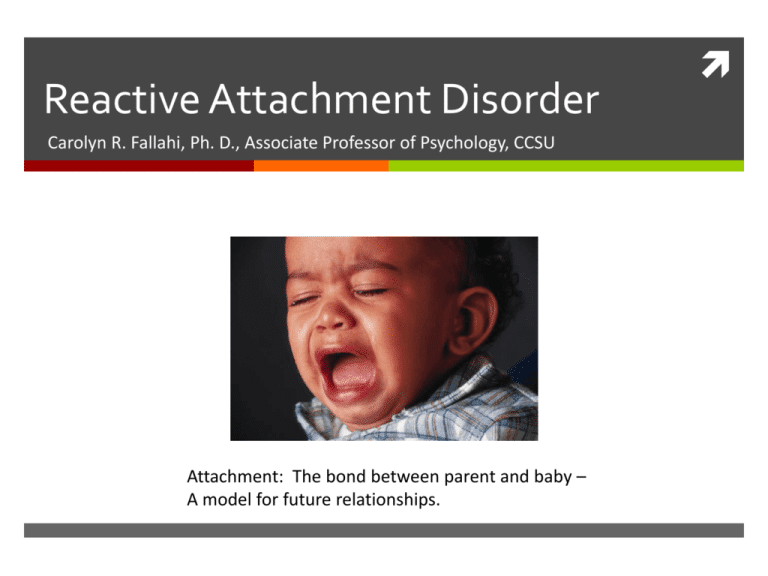
The earliest relationships a child forms are not simply emotional experiences. They are neurological blueprints. When a baby cries and a caregiver consistently responds with warmth and comfort, the developing brain learns a fundamental truth: the world is safe, and other people can be trusted. When that consistent care never arrives, the brain learns something entirely different.
Reactive attachment disorder, known as RAD, develops when very young children do not receive the reliable, responsive caregiving their developing attachment systems require. The consequences extend far beyond childhood. The relational patterns RAD establishes can shape how a person connects — or struggles to connect — with others across an entire lifetime.
What Is Reactive Attachment Disorder?
Reactive attachment disorder is a childhood condition in which a child fails to form healthy emotional bonds with caregiving adults. It develops specifically in response to severely inadequate early care — neglect, abuse, repeated changes in caregivers, or institutionalisation during the critical early years of development.
The Role of Attachment Theory
Attachment theory, developed by psychiatrist John Bowlby and later expanded by researcher Mary Ainsworth, explains why early caregiver relationships matter so profoundly. According to this framework, children are biologically primed to seek proximity to caregivers when distressed. When caregivers respond consistently and sensitively, children develop what researchers call secure attachment — an internal working model that relationships are safe and reliable.
When caregiving is absent, abusive, or deeply inconsistent, children cannot form this secure base. Instead, they develop insecure or disorganised attachment patterns. In the most extreme cases of early deprivation, reactive attachment disorder emerges as a clinical condition with measurable effects on brain development, emotional regulation, and social functioning.
How RAD Differs from Attachment Difficulties
Not every child with attachment difficulties meets criteria for RAD. Attachment difficulties exist on a broad spectrum, ranging from mild insecurity to the clinical severity required for a RAD diagnosis. RAD specifically requires a history of extreme caregiving inadequacy and a characteristic pattern of severely inhibited, emotionally withdrawn behaviour toward adult caregivers.
This distinction matters enormously. Labelling every child with relational difficulties as having RAD is both clinically inaccurate and potentially harmful. Accurate diagnosis requires qualified clinical assessment rather than informal identification.
Two Types of Attachment Disorder
The DSM-5 distinguishes between two related but distinct attachment disorders: reactive attachment disorder and disinhibited social engagement disorder. Understanding both prevents clinical confusion and ensures appropriate treatment matching.
Reactive Attachment Disorder
RAD involves a consistent pattern of emotionally withdrawn behaviour toward adult caregivers. A child with RAD rarely seeks comfort when distressed and rarely responds to comfort when it is offered. The child appears emotionally flat, shows minimal positive emotions, and may display unexplained episodes of fear, sadness, or irritability during non-threatening interactions with caregivers.
This inhibited presentation reflects a child who has learned not to expect care from adults. Having experienced the repeated failure of caregiving, the child stops seeking it entirely. The absence of attachment-seeking behaviour — rather than its presence — defines RAD.
Disinhibited Social Engagement Disorder
Disinhibited social engagement disorder, known as DSED, shares the same origins as RAD — severe early caregiving inadequacy — but produces the opposite behavioural pattern. Children with DSED approach and interact with unfamiliar adults without the caution that developmentally expected attachment would produce.
A child with DSED might wander away with a stranger readily, show no preference for familiar caregivers over unknown adults, and display an overfamiliar, indiscriminate friendliness toward everyone. Whereas RAD reflects the complete suppression of attachment-seeking behaviour, DSED reflects its indiscriminate, undirected expression. Both conditions share trauma origins but require different therapeutic responses.
Causes and Risk Factors for RAD
RAD does not develop because of temperament, genetics, or parenting style alone. It develops specifically in response to severe, early deficits in responsive caregiving during a critical developmental window.
Neglect and Emotional Unavailability
Neglect is the most common cause of RAD. When caregivers consistently fail to respond to a young child’s bids for comfort, food, warmth, and human connection, the developing attachment system receives no reliable input. The brain, designed to build attachment maps from experience, has nothing adequate to map.
Emotional unavailability — even in the absence of physical neglect — can contribute to RAD. A caregiver experiencing severe untreated mental illness, active substance dependence, or profound grief may be physically present yet emotionally inaccessible in ways that deprive a young child of the responsive connection essential for healthy attachment development.
Institutional Care and Frequent Caregiver Changes
Children raised in institutional settings — orphanages, residential care facilities, or situations involving rapid, repeated foster placement changes — face elevated risk of developing RAD. These environments often provide adequate physical care while failing to provide the consistent, individualised emotional responsiveness a specific attachment figure offers.
Research on children adopted from severely under-resourced orphanages, particularly studies following Romanian orphans adopted in the 1990s, provided foundational evidence for understanding how institutional deprivation affects attachment development and brain structure. These studies significantly advanced clinical understanding of RAD and its neurological underpinnings.
Abuse in Caregiving Relationships
Physical, emotional, or sexual abuse perpetrated by caregiving figures creates a particularly damaging attachment environment. The caregiver simultaneously represents both the source of threat and the only available source of comfort — a neurologically impossible situation for a young child’s developing attachment system to resolve.
This paradox produces the disorganised attachment patterns most closely associated with RAD. The child cannot approach for safety because the attachment figure is the danger. This impossible bind leaves the developing attachment system without any viable strategy.
Recognising RAD in Young Children
RAD develops before the age of five and must be identified early to enable timely intervention. Recognising its signs requires awareness of what healthy early attachment looks like and what its absence signals.
Signs of RAD in Infants and Toddlers
In very young children, RAD appears as a consistent absence of normal attachment-seeking behaviour. A child with RAD may not reach out to be held when distressed, may not track caregivers visually or seek their proximity, and may appear indifferent to the presence or absence of familiar adults.
These children often show a flat, muted emotional range. They may not smile in response to social interaction, appear emotionally detached during play, and show unexplained negative emotional states that do not respond to comforting attempts. These are not simply quiet or reserved temperament traits — they represent clinically significant departures from expected developmental milestones.
Signs of RAD in Preschool-Age Children
As children with RAD grow into preschool age, their difficulties become more apparent in structured settings. They may avoid eye contact with caregivers, resist physical affection consistently, show little distress at separation, and display emotional responses that seem disconnected from their context.
Preschool educators and healthcare providers are often the first to notice these patterns. Early concerns raised by educators deserve thorough clinical follow-up rather than reassurance that the child will simply outgrow the difficulties. RAD does not resolve without appropriate intervention.
How RAD Affects Development
The effects of RAD reach well beyond early childhood behaviour. Untreated, the condition shapes cognitive, emotional, social, and neurological development in ways that persist across developmental stages.
Brain Development and Neurological Impact
Early caregiving experiences directly shape brain architecture. The stress response system — particularly the hypothalamic-pituitary-adrenal axis, which regulates the body’s response to threat — develops in the context of early relational experiences. Chronic early deprivation dysregulates this system, leaving children with RAD physiologically primed for stress and threat detection.
Neuroimaging research demonstrates structural and functional differences in the brains of children who experienced severe early neglect compared to those who received adequate care. These differences affect areas involved in emotional regulation, social processing, and executive function — capacities central to academic achievement, impulse control, and interpersonal relationships.
Emotional and Behavioural Consequences
Children with RAD frequently struggle with emotional regulation — managing the intensity and duration of emotional reactions. Emotional outbursts, emotional numbing, difficulty identifying feelings, and poor impulse control all reflect the dysregulated stress-response systems that early deprivation produces.
Behavioural consequences are equally significant. Children with RAD may display aggression, chronic lying, opposition, or destruction of property in ways that challenge families, educators, and clinicians. These behaviours are often best understood as adaptations to early environments where adults could not be trusted rather than as deliberate defiance.
Academic and Social Functioning
RAD affects the cognitive processes that underpin academic learning. Executive function difficulties — including sustained attention, working memory, and cognitive flexibility — commonly accompany RAD. These challenges create significant barriers to educational progress that are often misattributed to ADHD or learning disabilities without recognition of the underlying relational trauma.
Socially, children with RAD struggle to form peer relationships that feel safe and reciprocal. The relational templates formed in early care extend outward to colour every subsequent relationship the child attempts to build.
RAD and Its Impact on Adult Relationships
While RAD is defined as a childhood diagnosis, the attachment patterns it establishes do not simply disappear at adolescence or adulthood. Understanding how early attachment deprivation shapes adult relational functioning is essential for anyone working with adults who experienced severe early neglect.
Attachment Patterns into Adulthood
Adults who experienced severe early attachment disruption often display what attachment researchers classify as disorganised or unresolved attachment styles. These styles involve a lack of coherent strategy for managing closeness and distance in relationships — approaching intimacy while simultaneously fearing it, seeking connection while expecting abandonment or harm.
These patterns underlie many of the relational difficulties adults with early trauma histories bring to therapy. Recognising their developmental origins — rather than pathologising adult behaviour without context — fundamentally changes how clinicians approach treatment.
Trust, Intimacy, and Emotional Availability
Adults whose early attachment needs went unmet often find trust profoundly difficult to extend. Intimacy may feel simultaneously longed for and dangerous. Emotional availability — the capacity to be present, open, and responsive in relationships — may feel overwhelming or impossible to sustain.
Romantic relationships, friendships, and even professional relationships can activate the same attachment fears established in infancy. Small perceived rejections, inconsistencies, or disappointments can trigger disproportionate responses rooted in early relational learning rather than the present situation.
Parenting Challenges
Adults with RAD histories may encounter particular challenges in their own parenting. The relational attunement that responsive caregiving requires draws on internal models of being cared for — models that early deprivation failed to establish. Without therapeutic support, parents with significant early trauma histories may find responsive caregiving genuinely difficult to sustain, not through lack of love but through lack of experience.
This is not a reason for shame or hopelessness. Many people with early trauma histories become warm, attuned parents, particularly with therapeutic support. Awareness and intervention make an enormous difference.
Diagnosing Reactive Attachment Disorder
Accurate RAD diagnosis requires specialist clinical assessment. The condition must not be diagnosed casually, informally, or by non-clinicians, as misdiagnosis carries significant risks for children and families.
Diagnostic Criteria
According to the DSM-5, RAD requires a consistent pattern of emotionally withdrawn behaviour toward adult caregivers, emotional and social disturbances, and a history of insufficient caregiving — defined as social neglect, repeated changes in primary caregivers, or upbringing in unusual settings that limit selective attachment formation. Symptoms must be present before age five and not better explained by autism spectrum disorder.
The ICD-11 includes parallel criteria for reactive attachment disorder. Both diagnostic systems emphasise that the history of inadequate early care is not optional context — it is a core diagnostic requirement.
Assessment Process
Diagnosis involves structured clinical interviews with caregivers, direct observation of child-caregiver interactions, developmental history review, and standardised assessment tools. The process should involve a mental health professional with specific expertise in childhood trauma and attachment.
Clinicians must carefully rule out autism spectrum disorder, intellectual developmental disorder, and other neurodevelopmental conditions before reaching a RAD diagnosis. The presentations can overlap, and accurate differentiation is essential for appropriate treatment planning.
The Dangers of Misdiagnosis
RAD is sometimes over-applied as a label for children with difficult behaviour in adoptive or foster families. Conversely, it is sometimes missed entirely when assessors focus on surface behaviour without adequately exploring caregiving history. Both errors delay appropriate support and can compound harm.
Clinicians, educators, and families must resist applying the RAD label informally. The diagnosis carries significant implications for the child’s self-understanding and the family’s response, making accuracy a genuine ethical priority.
Effective Treatments for RAD
RAD treatment requires approaches that address the relational foundations of the condition rather than surface behaviour alone. Behavioural interventions without a relational and trauma-informed framework produce limited results.
Dyadic Developmental Psychotherapy
Dyadic developmental psychotherapy, developed by Daniel Hughes, is one of the most widely recognised therapeutic approaches for children with RAD and early trauma. It centres on building a therapeutic relationship characterised by playfulness, acceptance, curiosity, and empathy — an approach Hughes summarises with the acronym PACE.
This approach works simultaneously with the child and caregiving figures. The caregiver learns to provide the consistent, attuned, emotionally available responses the child’s attachment system needs in order to begin reorganising. The therapeutic relationship models the safety the child has never experienced.
Theraplay
Theraplay is a structured, play-based therapeutic approach that builds attachment through guided caregiver-child interaction. Trained therapists facilitate activities specifically designed to promote nurture, engagement, challenge, and structure within the caregiver-child relationship.
Research supports Theraplay’s effectiveness in improving attachment security, reducing behavioural difficulties, and enhancing relational quality between children and caregiving adults. It works best when both the child and caregiver participate actively in sessions.
Parent-Child Interaction Therapy
Parent-child interaction therapy, known as PCIT, coaches caregivers in real time to improve the quality and responsiveness of their interactions with their child. A therapist observes caregiver-child play through a one-way mirror and provides live coaching via an earpiece, helping the caregiver develop more attuned, sensitive responses.
PCIT has strong evidence for improving caregiver sensitivity and reducing child behavioural difficulties. For children with RAD, the approach addresses the relational context of the condition rather than the child’s behaviour in isolation.
What Does Not Work
Several approaches historically marketed for RAD treatment lack evidence and carry documented risks. Holding therapy, rebirthing techniques, and coercive restraint-based interventions have caused serious harm, including deaths. These approaches are not endorsed by any reputable clinical organisation and must be actively avoided.
Families seeking RAD treatment should verify that any proposed approach aligns with evidence-based practice guidelines from recognised bodies such as the American Academy of Child and Adolescent Psychiatry.
Supporting Children and Families Affected by RAD
RAD does not only affect the child with the diagnosis. It profoundly affects the entire family system, particularly adoptive and foster families who may not have anticipated the depth of relational challenges they would encounter.
Supporting Adoptive and Foster Families
Families who adopt or foster children with RAD often describe feeling rejected, confused, and emotionally exhausted by the experience of caring for a child who resists closeness. Understanding RAD’s origins helps caregivers depersonalise the child’s behaviour and respond with therapeutic attunement rather than hurt or frustration.
Pre-adoption and pre-placement education about attachment and trauma should be standard practice. Post-placement support, including access to attachment-informed therapists, is equally essential. Families navigating RAD deserve sustained professional support rather than periodic crisis intervention.
School-Based Support
Children with RAD benefit significantly from school environments that incorporate trauma-informed practices. Teachers and support staff who understand how early relational trauma affects behaviour, learning, and emotional regulation can create classroom experiences that feel safe and predictable.
Simple strategies — consistent routines, calm co-regulation responses to emotional dysregulation, and relationship-focused approaches to discipline — make a meaningful difference for children with RAD in educational settings. Schools that respond to challenging behaviour with punitive measures alone miss the relational foundation of the difficulty entirely.
Frequently Asked Questions
Can reactive attachment disorder be cured?
RAD does not have a straightforward cure, but meaningful recovery is achievable with appropriate intervention. Children who receive consistent, attuned caregiving alongside evidence-based therapeutic support show significant improvements in attachment security, emotional regulation, and social functioning. The earlier intervention begins, the better the outcomes tend to be. Recovery involves reorganising attachment patterns rather than erasing early experience.
Is RAD the same as autism spectrum disorder?
RAD and autism spectrum disorder are different conditions, though they share some surface features. Both involve atypical social behaviour and relational difficulties. The critical distinction lies in cause and context — RAD requires a specific history of early caregiving inadequacy, while autism spectrum disorder is a neurodevelopmental condition present from birth regardless of caregiving quality. Careful clinical assessment distinguishes between the two. Both conditions can coexist in the same child.
Can adults be diagnosed with RAD?
The DSM-5 specifies that RAD symptoms must be present before age five, making it a childhood diagnosis. Adults who experienced severe early attachment disruption may carry its effects into adulthood, but these effects are better described through adult attachment theory frameworks or related trauma diagnoses rather than RAD itself. Therapists working with adults frequently address early attachment wounds without applying the RAD label directly.
How does RAD affect school performance?
RAD commonly affects school performance through its impact on executive function, emotional regulation, and relational safety. Children with RAD may struggle with sustained attention, working memory, and the ability to engage productively with adult authority figures in educational settings. These challenges are often misidentified as ADHD or oppositional behaviour without recognition of their attachment and trauma origins. Trauma-informed educational approaches significantly improve outcomes.
Are adoptive children more likely to develop RAD?
Not all adopted children develop RAD. The risk depends on what the child experienced before adoption — specifically, the presence and duration of severe caregiving inadequacy, institutional care, or repeated placement changes. Children adopted from infancy into stable, responsive families face no elevated RAD risk. Children who experienced prolonged neglect, institutional care, or multiple placement disruptions before adoption are at higher risk. Post-adoption support significantly reduces that risk.
What should caregivers avoid when a child has RAD?
Caregivers supporting a child with RAD should avoid responding to emotional withdrawal with frustration, forcing physical affection the child has not initiated, using punitive or shame-based discipline approaches, or pursuing non-evidence-based interventions. Any therapeutic approach involving coercion, restraint, or forced emotional expression must be actively avoided. Working with an attachment-informed therapist provides caregivers with practical guidance tailored to the specific needs of their child.
Conclusion
Reactive attachment disorder begins in the earliest months and years of life, when the developing brain is most dependent on consistent, loving care to build the neurological foundations of trust, safety, and connection. When that care fails to arrive, the consequences are real, measurable, and lasting — but they are not permanent.
Children with RAD can and do develop more secure attachment patterns when they receive consistent, responsive care alongside evidence-based therapeutic support. Adults carrying the legacy of early attachment disruption can develop greater relational security through skilled, trauma-informed therapeutic work. The brain’s capacity to reorganise itself in response to safe relational experience — what neuroscientists call neuroplasticity — never fully closes.
Understanding RAD accurately — separating clinical reality from myth, misdiagnosis, and harmful pseudoscientific approaches — is the essential foundation of effective support. Children deserve no less than that foundation, built with knowledge, compassion, and genuine commitment to their wellbeing.
References
- Reactive arthritis is exactly this phenomenon. It is a form of inflammatory arthritis that develops as the immune system’s response to an infection elsewhere in the body.
- Elder abuse is not a monolithic problem but encompasses multiple forms of mistreatment.
- The government has also focused on developing rainfed areas through the Rainfed Area Development (RAD) program.
Disclaimer:
This article is for informational purposes only and does not constitute medical advice. Always consult a qualified healthcare professional for diagnosis, treatment, or any mental health concerns.
Observer Voice is the one stop site for National, International news, Sports, Editor’s Choice, Art/culture contents, Quotes and much more. We also cover historical contents. Historical contents includes World History, Indian History, and what happened today. The website also covers Entertainment across the India and World.

