

Discoid Lupus Erythematosus: When Lupus Only Affects the Skin

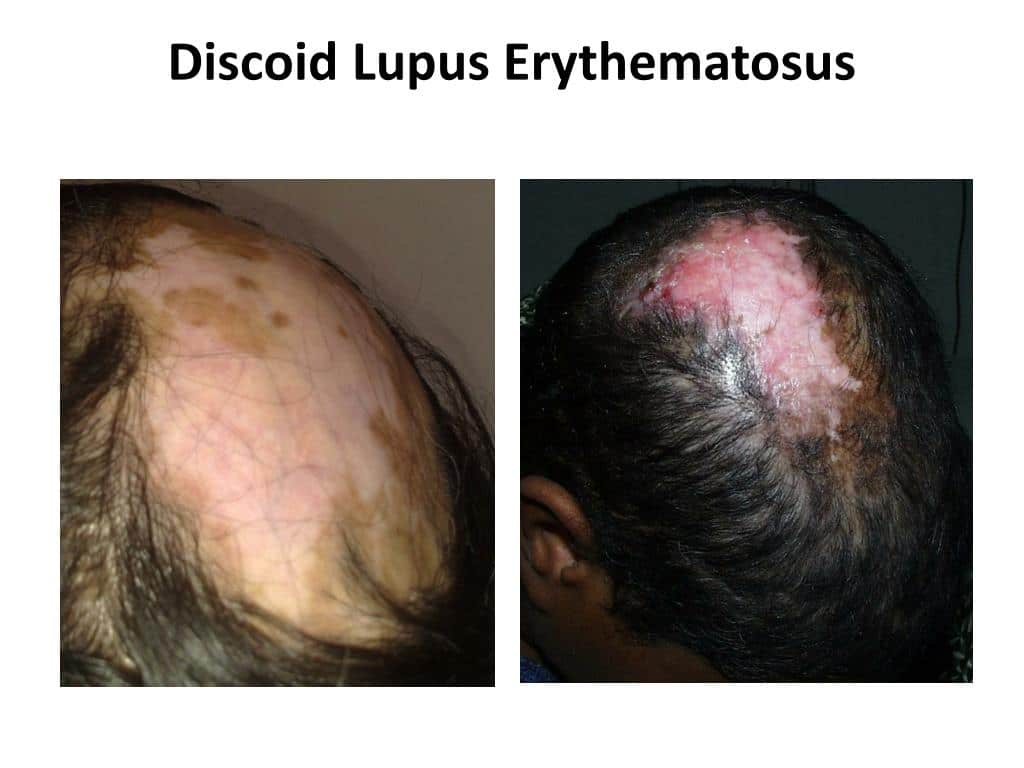
Most people associate lupus with a serious systemic illness affecting multiple organs simultaneously. Discoid lupus erythematosus tells a different and more localised story.
This chronic autoimmune skin condition causes distinctive, coin-shaped lesions that damage the skin and leave permanent scarring and pigment changes. Unlike systemic lupus, discoid lupus erythematosus primarily confines its attack to the skin rather than internal organs.
Yet despite its apparently limited scope, discoid lupus erythematosus causes significant distress, disfigurement, and reduced quality of life. Early recognition and consistent treatment prevent the irreversible skin damage that inadequate management allows to accumulate over time.
What Is Discoid Lupus Erythematosus?
Discoid lupus erythematosus, abbreviated as DLE, is the most common form of chronic cutaneous lupus erythematosus. Cutaneous lupus refers to lupus variants that predominantly or exclusively affect the skin rather than causing systemic organ involvement.
The term “discoid” describes the characteristic disc-shaped or coin-shaped appearance of the skin lesions that define this condition. These lesions develop inflammation, scaling, and ultimately scarring that permanently alters the skin’s texture, colour, and hair-bearing capacity.
Where DLE Fits Within the Lupus Spectrum
Lupus erythematosus encompasses a spectrum of conditions ranging from purely skin-limited forms to severe systemic disease affecting the kidneys, brain, and heart. Discoid lupus erythematosus sits at the skin-limited end of this spectrum.
Systemic lupus erythematosus (SLE) involves multiple organ systems and carries more serious health implications. Approximately 5 to 10% of people with DLE eventually develop SLE, making ongoing monitoring an essential component of long-term DLE care.
Localised Versus Generalised DLE
Doctors further classify DLE as localised or generalised based on the anatomical distribution of skin lesions. Localised DLE confines lesions to the head and neck region, which is the most common presentation pattern overall.
Generalised DLE involves lesions spreading below the neck onto the trunk and extremities in addition to the face and scalp. Generalised DLE carries a higher risk of progression to systemic lupus erythematosus compared to the localised form and requires closer long-term monitoring.
The Autoimmune Mechanism Behind Discoid Lupus
Discoid lupus erythematosus results from a dysregulated immune response that targets the skin’s own structural components. Immune cells, particularly T lymphocytes and plasmacytoid dendritic cells, infiltrate affected skin and trigger a destructive inflammatory process.
Ultraviolet radiation plays a particularly important role in initiating and amplifying this immune response. UV light triggers keratinocyte damage and the release of nuclear antigens that the immune system inappropriately targets in genetically susceptible individuals.
Interferon Signalling in DLE
Plasmacytoid dendritic cells produce large amounts of type I interferons, particularly interferon-alpha, within DLE lesions. This interferon surge activates downstream immune pathways that amplify local inflammation and direct cytotoxic immune cells to attack melanocytes and keratinocytes in the skin.
The prominent role of interferon signalling in DLE shares mechanistic overlap with systemic lupus erythematosus. This shared pathway explains why antimalarial medications, which inhibit these interferon-driven processes, form the cornerstone of treatment for both conditions.
Genetic Susceptibility to DLE
Genetic factors significantly influence DLE susceptibility, with certain HLA gene variants and complement pathway genes raising individual risk. DLE occurs more frequently in families with multiple members affected by various lupus spectrum conditions.
Women develop DLE approximately three times more often than men, mirroring the female predominance seen across most autoimmune conditions. This sex disparity likely reflects the immune-modulating effects of oestrogen on autoimmune regulation.
Who Develops Discoid Lupus Erythematosus?
DLE affects people of all ethnicities and backgrounds, though it disproportionately affects individuals of African, Afro-Caribbean, and Hispanic descent. These populations develop both more frequent and more severe cutaneous lupus compared to people of European ancestry.
The condition most commonly presents between the ages of 20 and 40, though any age group can develop it. Children with DLE represent a clinically distinct group who require specialist paediatric dermatology and rheumatology input given the higher risk of systemic disease progression in paediatric cases.
Smoking as a Major Risk Factor
Smoking is one of the most consistently identified modifiable risk factors for DLE. Smokers develop DLE at significantly higher rates than non-smokers and experience more severe disease activity when affected.
Critically, smoking substantially reduces the efficacy of antimalarial medications, the primary treatment for DLE. This pharmacological interaction makes smoking cessation a clinical priority rather than merely a general health recommendation for every person with DLE.
Other DLE Risk Factors
Physical trauma to the skin, including cuts, burns, and cosmetic procedures, can trigger new DLE lesions through the Koebner phenomenon. This means skin procedures must be approached with appropriate caution in people with known DLE.
Certain medications including some antihypertensives, antifungals, and biologics can trigger or worsen cutaneous lupus in susceptible individuals. A thorough medication review forms an important component of every new DLE assessment.
Recognising the Symptoms of Discoid Lupus Erythematosus
DLE lesions follow a characteristic evolution that progresses through recognisable stages if not treated effectively. Understanding this progression helps people seek medical attention before permanent skin damage becomes established.
Early DLE lesions appear as raised, red or violaceous plaques with a rough, adherent scale on their surface. These plaques feel firm to touch and the overlying scale adheres firmly to the skin, unlike the loose scaling seen in conditions such as psoriasis or seborrhoeic dermatitis.
The Characteristic Carpet Tack Sign
A distinctive clinical finding in DLE is the carpet tack sign, also called the tin tack sign. When the adherent scale is removed from a DLE lesion, small follicular projections extend from its undersurface, resembling carpet tacks.
This sign reflects the extent to which the inflammatory process penetrates down into the hair follicles. Follicular plugging is a key pathological feature of DLE and contributes directly to the permanent hair loss that develops in scalp lesions.
Central Scarring and Pigment Changes
As DLE lesions mature, their centres evolve to show atrophic scarring with smooth, pale, depressed skin. The periphery of active lesions remains inflamed and hyperpigmented, creating the characteristic target-like appearance of a central pale scar surrounded by a darker hyperpigmented border.
This combination of central pallor from scarring and peripheral hyperpigmentation is particularly striking and diagnostically helpful in people with darker skin tones. The contrast between these zones becomes more pronounced as lesions age without effective treatment.
Scalp Involvement and Scarring Alopecia
Scalp DLE causes one of the most distressing consequences of the condition: permanent scarring hair loss called scarring alopecia. Active DLE lesions on the scalp destroy hair follicles through the same inflammatory process that scars skin elsewhere.
Once a hair follicle is destroyed by DLE-associated scarring, it cannot regenerate, and the resulting hair loss is permanent. This irreversibility makes early treatment of scalp DLE an urgent clinical priority, as every treatment delay allows additional permanent follicle loss.
Other Areas Affected by DLE
DLE most commonly affects sun-exposed areas including the face, particularly the cheeks, nose, and ears, the scalp, and the neck. The classic butterfly distribution across the nose and cheeks can superficially resemble systemic lupus, though the raised, scarring nature of DLE lesions distinguishes them clinically.
Less commonly, DLE lesions develop inside the mouth as chronic, painful erosions or white patches on the inner cheeks and palate. Oral DLE lesions respond more slowly to treatment than skin lesions and require dedicated topical management alongside systemic therapy.
Diagnosing Discoid Lupus Erythematosus
DLE diagnosis combines clinical assessment with skin biopsy confirmation. Experienced dermatologists can often make a clinical diagnosis from the characteristic lesion morphology, distribution, and history of sun sensitivity.
However, biopsy confirmation remains important because several other skin conditions, including facial psoriasis, fungal infections, sarcoidosis, and polymorphous light eruption, can produce similar clinical appearances requiring very different treatments.
Skin Biopsy Findings in DLE
A skin biopsy from an active DLE lesion reveals a characteristic histopathological pattern. Key features include interface dermatitis, meaning immune cell attack at the junction between the epidermis and dermis, vacuolar degeneration of basal keratinocytes, and dense lymphocytic infiltrates around hair follicles and blood vessels.
Basement membrane thickening and follicular plugging further characterise DLE histology. Direct immunofluorescence testing on biopsy tissue often reveals immunoglobulin and complement deposits at the dermoepidermal junction, a finding called the lupus band, in approximately 70 to 90% of active DLE lesions.
Blood Tests and Systemic Screening
Routine blood investigations in newly diagnosed DLE include full blood count, kidney function, urinalysis, and an antinuclear antibody (ANA) test. A positive ANA occurs in approximately 30% of DLE patients, though high-titre ANA with specific double-stranded DNA antibodies raises concern for systemic involvement.
Anti-dsDNA, anti-Smith, anti-Ro, anti-La, and complement C3 and C4 levels help stratify systemic lupus risk. Normal blood tests and urinalysis alongside negative specific autoantibodies support a diagnosis of isolated DLE without systemic disease.
When to Investigate for Systemic Lupus
Certain clinical and laboratory features in a person with DLE should prompt thorough investigation for systemic lupus. These include the presence of arthritis, unexplained fever, mouth ulcers, hair shedding beyond scarring alopecia, serositis, and abnormal kidney function or urinalysis.
Generalised DLE distribution, high-titre positive ANA, and specific autoantibodies such as anti-dsDNA and anti-Ro also warrant heightened vigilance. Specialist rheumatology input guides systemic lupus assessment when these features are present alongside skin disease.
Treating Discoid Lupus Erythematosus
Effective DLE treatment requires addressing both active skin inflammation and preventing new lesion development. Treatment escalates in proportion to disease severity and extent, always incorporating the cornerstone measures of sun protection and smoking cessation alongside pharmacological therapy.
No treatment for DLE achieves complete cure, but consistent therapy significantly reduces lesion activity, prevents new scarring, and dramatically improves quality of life for affected individuals.
Sun Protection as a Non-Negotiable Foundation
Sun protection is the single most important non-pharmacological intervention in DLE management. Ultraviolet radiation triggers and worsens DLE lesions in virtually all affected individuals, making consistent photoprotection essential every day regardless of weather conditions.
Broad-spectrum sunscreen with SPF 50 or higher must be applied daily to all sun-exposed skin, even on cloudy days. Protective clothing, wide-brimmed hats, and UV-protective fabrics complement sunscreen use and provide additional defence against the photoactivation of DLE activity.
Topical Treatments for Localised DLE
Potent topical corticosteroids are first-line treatment for localised DLE lesions and achieve meaningful anti-inflammatory effects within the skin. Applying high-potency preparations such as clobetasol propionate to active lesions reduces redness, scaling, and lesion expansion.
Topical calcineurin inhibitors, particularly tacrolimus 0.1% ointment, provide a steroid-free alternative well-suited for sensitive facial skin where prolonged corticosteroid application carries skin-thinning risks. These agents demonstrate comparable efficacy to mid-potency corticosteroids and are increasingly used as first-line agents for facial DLE.
Hydroxychloroquine: The Cornerstone Systemic Treatment
Hydroxychloroquine, an antimalarial medication, is the standard first-line systemic treatment for DLE requiring more than topical therapy alone. It reduces interferon signalling, toll-like receptor activation, and ultraviolet-induced skin damage through multiple complementary mechanisms.
Most patients require three to six months of consistent hydroxychloroquine treatment before achieving maximum clinical benefit. Regular ophthalmological screening for retinal toxicity is recommended annually after five years of use, as this rare but irreversible side effect requires early detection to prevent permanent visual impairment.
Second-Line and Advanced Treatments for Refractory DLE
When DLE fails to respond adequately to hydroxychloroquine, several second-line systemic options offer meaningful clinical benefit. These agents are introduced under specialist supervision with appropriate safety monitoring throughout treatment.
Quinacrine, another antimalarial, can be combined with hydroxychloroquine for additive anti-inflammatory effects in refractory DLE. This combination is particularly valuable because quinacrine carries no retinal toxicity risk, allowing safe co-administration with hydroxychloroquine.
Methotrexate and Retinoids
Low-dose methotrexate suppresses the immune cell activity driving DLE inflammation and represents an effective second-line option for extensive or refractory disease. Weekly dosing with folic acid supplementation reduces side effects and improves tolerability in long-term use.
Oral retinoids, particularly acitretin, reduce the hyperkeratotic scaling component of DLE and decrease lesion activity in some patients. Retinoids carry teratogenic risks and require highly reliable contraception throughout treatment and for a defined period after stopping therapy.
Emerging Targeted Therapies
Growing understanding of DLE pathogenesis has identified several targeted treatment opportunities currently in clinical development. Anifrolumab, a monoclonal antibody blocking the type I interferon receptor, has demonstrated efficacy in cutaneous lupus including DLE in clinical trial data.
Baricitinib, a JAK1/JAK2 inhibitor, has shown promising results for cutaneous lupus through its ability to block interferon signalling pathways that drive DLE activity. These emerging agents may significantly expand treatment options for people with treatment-resistant DLE in coming years.
Preventing Permanent Scarring From Discoid Lupus
Preventing permanent skin and hair damage represents the most important long-term treatment goal in DLE management. Every period of inadequately controlled disease activity allows further irreversible scarring to accumulate in affected skin areas.
Achieving and maintaining disease suppression, rather than only treating acute flares reactively, reduces cumulative scarring burden significantly. Proactive maintenance therapy with topical agents and systemic hydroxychloroquine between flares forms the foundation of scar prevention strategy.
Managing Established Scarring and Pigment Changes
Established post-DLE scarring cannot be reversed by anti-inflammatory treatments once inflammation subsides. Camouflage cosmetics provide effective coverage for hyperpigmented or depigmented scars on the face and other visible areas.
Laser treatments and surgical scar revision are generally contraindicated in active DLE due to Koebner phenomenon risk. However, carefully timed procedures in patients with well-controlled, stable, longstanding disease may improve scar appearance under specialist supervision.
Addressing DLE-Related Hair Loss
Scalp DLE requires urgent treatment to prevent progressive permanent alopecia from advancing. Intralesional corticosteroid injections directly into active scalp lesions provide concentrated anti-inflammatory effects that topical applications cannot always achieve adequately in hair-bearing areas.
For areas of established scarring alopecia where hair follicles are permanently destroyed, hair transplantation can restore cosmetic coverage in selected patients with stable, well-controlled disease. Transplantation into active DLE lesions carries high failure rates and should never be attempted during disease activity.
Living With Discoid Lupus Erythematosus
The psychosocial burden of DLE extends well beyond its physical manifestations. Visible facial scarring, hair loss, and chronic skin inflammation profoundly affect self-image, confidence, and social participation for many affected individuals.
Depression and anxiety occur at significantly elevated rates in people with DLE compared to the general population. These psychological consequences deserve direct clinical attention rather than dismissal as understandable reactions to a cosmetic condition.
Practical Daily Skincare for DLE
Gentle daily skincare using mild, fragrance-free cleansers and moisturisers supports the compromised skin barrier in DLE-affected areas. Avoiding irritating skincare ingredients such as alcohol-based toners, harsh exfoliants, and fragranced products minimises unnecessary skin provocation.
Reviewing all topical skincare, haircare, and cosmetic products for potentially triggering ingredients forms a worthwhile exercise for every person with active DLE. Dermatologists and specialist nurses can guide appropriate product selection for individual skin needs and sensitivities.
Support Resources and Patient Communities
Patient organisations including Lupus UK, the Lupus Foundation of America, and the Lupus Research Alliance provide educational resources, community connection, and advocacy for people across the lupus spectrum including those with isolated cutaneous disease.
Connecting with others who understand the experience of living with a visible chronic skin condition provides validation and practical coping strategies that clinical consultations alone cannot always deliver. These peer connections meaningfully reduce the isolation that many people with DLE experience.
Frequently Asked Questions About Discoid Lupus Erythematosus
What causes discoid lupus erythematosus to develop?
Discoid lupus erythematosus develops through a combination of genetic susceptibility and immune dysregulation that causes T cells and plasmacytoid dendritic cells to attack the skin. Ultraviolet radiation is the most important environmental trigger, activating interferon signalling pathways that drive skin inflammation and melanocyte damage. Smoking, physical skin trauma, and certain medications amplify this autoimmune process in genetically predisposed individuals.
Can discoid lupus erythematosus turn into systemic lupus?
Approximately 5 to 10% of people with DLE eventually develop systemic lupus erythematosus over their lifetime. Generalised DLE affecting areas below the neck, high-titre positive ANA, specific autoantibodies, and abnormal blood or urine test results all increase the risk of systemic progression. Regular monitoring with blood tests, urinalysis, and clinical review ensures early detection of any systemic involvement requiring prompt treatment escalation.
Is the scarring from discoid lupus erythematosus permanent?
Yes, established scarring from DLE is permanent because the inflammatory process destroys dermal collagen and hair follicles irreversibly. This irreversibility makes early, consistent treatment essential to prevent progressive scar accumulation. Proactive management with sun protection, regular hydroxychloroquine use, and topical anti-inflammatory therapy minimises the amount of permanent scarring that develops over the disease course.
What is the most effective treatment for discoid lupus erythematosus?
Hydroxychloroquine is the most effective and widely recommended systemic treatment for DLE requiring more than topical therapy, working by suppressing the interferon-driven immune response that causes skin inflammation. Topical potent corticosteroids and calcineurin inhibitors effectively manage localised lesions. Combining these treatments with strict sun protection and smoking cessation achieves the best overall disease control and scar prevention outcomes.
How does discoid lupus erythematosus affect people with darker skin tones?
DLE affects people of African, Afro-Caribbean, and Hispanic descent more frequently and more severely than those of European ancestry. Hyperpigmentation and depigmentation changes following DLE activity are more pronounced and more visible in people with darker skin tones, significantly amplifying the cosmetic and psychological impact of the condition. These populations also face a higher risk of generalised disease distribution, making early diagnosis and aggressive treatment initiation particularly important in these groups.
Early Treatment of Discoid Lupus Erythematosus Prevents a Lifetime of Scarring
Discoid lupus erythematosus is not merely a cosmetic problem, and it should never be dismissed as one. It is a chronic autoimmune disease that permanently scars skin and destroys hair follicles when inflammation proceeds unchecked.
The good news is that modern dermatology offers effective tools to control DLE activity, prevent new lesion development, and preserve skin and hair integrity when treatment begins early and continues consistently. From hydroxychloroquine to emerging JAK inhibitors and interferon-blocking biologics, the treatment landscape continues to improve.
Every person with DLE deserves accurate diagnosis, prompt specialist care, and comprehensive management that addresses not only the skin but also the psychological and social dimensions of living with a visible chronic condition. Acting early, maintaining treatment consistently, and protecting skin from ultraviolet radiation every day provides the best possible defence against the permanent damage this condition otherwise inflicts.
Disclaimer:
This article is intended for general informational purposes only. It does not constitute medical advice, diagnosis, or treatment. Always consult a qualified healthcare professional for any medical concerns.
References:
- Lupus is a chronic autoimmune disease where the body’s immune system attacks multiple organs and systems, causing inflammation and tissue damage.
- Lupus causes a wide variety of symptoms affecting multiple organ systems.
- Lupus is a disease that confuses the immune system. Instead of defending the body against outside threats, the immune system turns against the body’s own tissues.
- Mixed Connective Tissue Disease has certain distinctive clinical and laboratory features that help differentiate it from other connective tissue diseases.
- Antiphospholipid Syndrome causes variable symptoms depending on whether thrombotic events have occurred and whether pregnancy is involved.
Observer Voice is the one stop site for National, International news, Sports, Editor’s Choice, Art/culture contents, Quotes and much more. We also cover historical contents. Historical contents includes World History, Indian History, and what happened today. The website also covers Entertainment across the India and World.

