

Lupus (SLE): The ‘Great Imitator’ That Affects Millions and Is Still Misunderstood

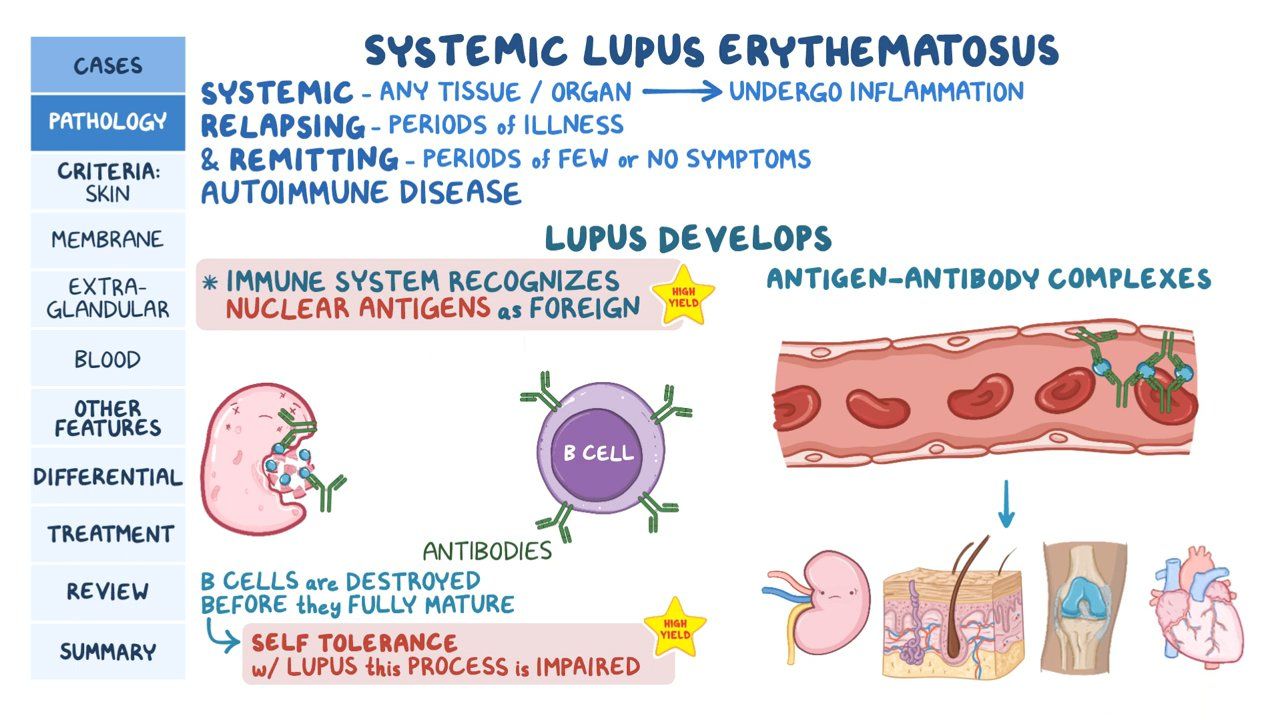
Imagine going to the doctor complaining of joint pain, fever, and exhaustion. The doctor suspects arthritis. You go to another doctor who thinks you might have a skin disease because of a rash on your face. A third doctor wonders if you have an infection. After months of confusing test results and contradictory diagnoses, you finally learn the real culprit—an autoimmune disease called lupus. This frustrating journey is common for people with lupus, which is why doctors call it “the great imitator.” Lupus can mimic dozens of other diseases, making diagnosis extremely challenging and time-consuming. The official name for lupus is systemic lupus erythematosus, commonly abbreviated as SLE. The word “systemic” means it affects multiple body systems. “Lupus” comes from the Latin word for wolf, named because the distinctive rash on the face resembles a wolf’s bite. “Erythematosus” means red or inflamed. Lupus is a chronic autoimmune disease where the body’s immune system mistakenly attacks its own tissues and organs. Unlike infections where foreign germs invade the body, autoimmune diseases occur when the body’s defense system malfunctions and turns against itself. Lupus affects approximately 1.5 million Americans and millions more worldwide. The disease affects women nine times more frequently than men. Lupus can develop at any age but most commonly strikes women during their reproductive years. What makes lupus particularly challenging is that every person experiences it differently. Some patients have mild symptoms affecting only the skin and joints. Others experience severe disease affecting the kidneys, heart, lungs, and nervous system. The unpredictable nature of lupus makes living with the disease psychologically and physically demanding. In this comprehensive article, we will explore what lupus is, why it develops, how it affects different body systems, why diagnosis is so difficult, available treatments, and how people can manage this complex disease that still mystifies many doctors.
Understanding Your Immune System and Autoimmunity
To understand lupus, we first need to understand how the immune system normally works and what goes wrong in autoimmune diseases. Your immune system is your body’s defense force protecting you against invading bacteria, viruses, and other harmful foreign substances. White blood cells are specialized cells that search your body constantly, identifying and destroying dangerous invaders. When white blood cells encounter foreign substances called antigens, they respond by producing antibodies—special proteins that attach to the antigens and neutralize them. B lymphocytes, a type of white blood cell, produce these antibodies. The immune system has an incredible ability to distinguish between “self”—your own cells and tissues—and “non-self”—foreign invaders. This distinction is normally protected by regulatory mechanisms that prevent the immune system from attacking your own body. However, in autoimmune diseases like lupus, something goes wrong with these regulatory mechanisms. The immune system loses the ability to distinguish self from non-self. It produces antibodies against your own tissues and organs—antibodies called autoantibodies. These autoantibodies attack the body’s own cells, causing inflammation and tissue damage. In lupus, the body produces autoantibodies against several of its own components, particularly against DNA and other nuclear components of cells. When these autoantibodies attach to body cells and activate the complement system (part of the immune system that destroys cells), widespread inflammation develops. This inflammatory response damages multiple organs and systems throughout the body. Scientists do not fully understand why the immune system malfunctions in lupus. Genetic factors appear important—people with family members with lupus have higher risk. Environmental triggers may activate the disease in genetically predisposed individuals. Some viral infections may trigger lupus development. UV light exposure appears to trigger or worsen lupus in susceptible people. Hormonal factors, particularly estrogen, may play a role in lupus development and severity. This hormonal influence explains why lupus is so much more common in women and often worsens during reproductive years. Some medications can trigger drug-induced lupus, though this usually improves when the medication is stopped.
What is Lupus (SLE) and How Does It Develop?
Lupus is a chronic autoimmune disease where the body’s immune system attacks multiple organs and systems, causing inflammation and tissue damage. The disease varies tremendously in severity and pattern between individuals. Lupus is systemic, meaning it can affect virtually any body system. The most commonly affected areas include the skin, joints, kidneys, heart, lungs, nervous system, and blood cells. Lupus is chronic, meaning it persists long-term, though it typically follows a pattern of flares and remissions. A flare is a period when symptoms worsen. Remission is a period when symptoms improve or disappear. Some people experience frequent flares with minimal remission periods. Others have long remission periods with occasional flares. The severity of lupus varies along a spectrum. Mild lupus affects primarily the skin and joints, causing minimal disability. Moderate lupus affects internal organs but responds well to treatment. Severe lupus affects vital organs like kidneys or nervous system, potentially causing permanent damage if not treated aggressively. Lupus develops when genetic predisposition meets triggering factors. People with family members with lupus have significantly higher risk of developing it. If identical twins have lupus, the other twin has approximately 24 percent chance of developing it—not 100 percent, proving that genetics alone does not cause disease. Environmental triggers are also necessary. UV light exposure is a well-known trigger. Even brief sun exposure can trigger lupus flares in susceptible individuals. Infections sometimes trigger lupus or flares. Medications can trigger drug-induced lupus. Hormonal factors influence disease development and severity. Pregnancy sometimes triggers lupus or worsens existing disease. Some women’s lupus improves during pregnancy, while others experience severe flares. Hormonal contraceptives and hormone replacement therapy can affect lupus activity. Stress sometimes triggers flares. Illness or infection can precipitate lupus onset or exacerbate existing disease. The exact mechanisms triggering lupus development remain incompletely understood. Scientists continue researching why the immune system becomes dysregulated and how environmental factors activate the disease in genetically susceptible individuals. Understanding these mechanisms may eventually lead to preventive strategies or cures.
How Lupus Affects Different Body Systems
Lupus can affect virtually every organ system, making it truly systemic. The pattern of organ involvement varies tremendously between individuals. Skin manifestations are among the most visible signs of lupus. The characteristic malar rash, or butterfly rash, appears across the cheeks and nose, shaped like a butterfly. This rash is present in about 50 percent of lupus patients. The rash is often triggered by sun exposure. The rash typically worsens in summer and improves in winter. Other skin manifestations include photosensitivity—abnormal reactions to sunlight causing rashes or burning. Discoid lesions are circular, scarring rashes typically on the face, ears, or scalp. Oral ulcers develop in the mouth and are usually painless. Hair loss occurs, sometimes in patches, sometimes diffuse. Raynaud’s phenomenon causes fingers to turn white, then blue, then red in response to cold exposure. Joint and muscle problems are extremely common in lupus. Joint pain and swelling occur in most lupus patients, typically affecting hands, wrists, knees, and ankles. The arthritis of lupus is typically non-deforming, unlike rheumatoid arthritis. Muscle pain and weakness develop in some patients. Muscle inflammation causes pain and limits strength. Kidney involvement is serious and affects about 40 to 50 percent of lupus patients. Lupus nephritis, kidney inflammation, can range from mild to severe. Severe kidney disease can progress to kidney failure requiring dialysis or transplantation. Early detection and aggressive treatment of lupus nephritis prevents permanent kidney damage. Heart and lung problems develop in some lupus patients. Pericarditis, inflammation of the heart’s lining, causes chest pain. Myocarditis, heart muscle inflammation, can weaken the heart. Pleuritis, lung lining inflammation, causes chest pain and shortness of breath. Pulmonary hemorrhage, bleeding into lungs, is rare but serious. Pulmonary hypertension, high blood pressure in lung blood vessels, can develop. Nervous system involvement, called neurolupus, affects about 25 percent of patients. Seizures occur in some patients. Stroke risk increases in lupus patients due to blood vessel inflammation and blood clotting abnormalities. Cognitive dysfunction causes memory problems, difficulty concentrating, and “brain fog.” Depression and psychosis sometimes develop. Headaches are extremely common. Peripheral neuropathy causes numbness and tingling in extremities. Blood abnormalities are very common in lupus. Anemia develops when red blood cells are destroyed. Leukopenia, low white blood cells, increases infection risk. Thrombocytopenia, low platelets, increases bleeding risk. Antiphospholipid syndrome, a blood clotting disorder, develops in some lupus patients. This increases blood clot risk and can cause stroke or heart attack. Fever and fatigue affect most lupus patients. Extreme fatigue is debilitating, often worse than fatigue from other conditions. Fever is often low-grade but can be higher during flares. Lymphadenopathy, enlarged lymph nodes, sometimes develops. Gastrointestinal problems including nausea, vomiting, and abdominal pain occur in some patients. Eye involvement causes dry eyes and inflammation requiring treatment to prevent vision loss. Thyroid disease and other endocrine problems develop more frequently in lupus patients. The constellation of symptoms varies so much between individuals that lupus truly earns its reputation as the “great imitator.”
Why Lupus is Called “The Great Imitator”
Lupus’s reputation as the great imitator stems from its ability to mimic many other diseases. This creates diagnostic challenges that can delay diagnosis by years, causing unnecessary testing and frustration. Lupus resembles rheumatoid arthritis because both cause joint pain and swelling. However, lupus arthritis is typically non-deforming while rheumatoid arthritis causes permanent deformities. The antibody patterns differ—rheumatoid factor and anti-CCP antibodies are present in rheumatoid arthritis but negative in lupus. Lupus can mimic other autoimmune diseases like Sjögren’s syndrome, scleroderma, or dermatomyositis. These conditions can coexist with lupus, further complicating diagnosis. Lupus resembles various infections including bacteria, viruses, or tuberculosis. The fever and malaise of lupus flares can seem like infection. However, blood cultures and specific infection tests help distinguish lupus from infection. Lupus can present like neurological diseases including epilepsy or multiple sclerosis. Seizures and brain lesions on MRI can be present in lupus. However, specific antibody testing for lupus helps distinguish it from MS or epilepsy. Lupus can mimic blood cancers because of lymphadenopathy and blood cell abnormalities. However, bone marrow biopsy helps distinguish lupus from lymphoma. Lupus can present like kidney disease from other causes because of kidney involvement. However, kidney biopsy showing lupus nephritis patterns confirms lupus diagnosis. Lupus can mimic skin conditions including eczema, psoriasis, or skin infections. The butterfly rash is characteristic of lupus, but other skin manifestations can resemble other conditions. Lupus can mimic psychiatric diseases because of neurolupus causing depression, psychosis, or cognitive dysfunction. Patients are sometimes told their symptoms are psychological rather than physiological. This diagnostic confusion occurs because lupus symptoms overlap with so many conditions, and no single test definitively confirms lupus. Diagnosis requires combining clinical findings, antibody patterns, and organ involvement patterns. Patients often see multiple doctors before accurate diagnosis is made. This diagnostic odyssey frustrates patients who suffer while seeking answers. Many people experience delayed diagnoses averaging 5 years from symptom onset to formal diagnosis. During this time, uncontrolled inflammation damages organs unnecessarily.
Recognizing Lupus Symptoms: The Diagnostic Challenge
Lupus symptoms are incredibly diverse, varying tremendously between individuals and even within the same person over time. Recognizing when to suspect lupus is challenging because symptoms are non-specific and overlap with many other conditions. Constitutional symptoms—fever, fatigue, and weight loss—are common early symptoms. These symptoms are so non-specific they might suggest infection or cancer initially. Fever is often low-grade but can be higher during flares. Fatigue is often disproportionate to activity level. Joint pain and swelling often affect hands, wrists, knees, and ankles. The pain is typically worse in the morning and improves with activity. Joint swelling is often symmetrical, affecting both sides of the body equally. Unlike rheumatoid arthritis, lupus arthritis typically does not cause permanent joint deformities. Rashes are common, particularly the characteristic butterfly rash across cheeks and nose. The rash typically worsens with sun exposure. Other rashes including discoid lesions or photosensitive rashes occur. Oral ulcers develop in the mouth. These are usually painless, distinguishing them from canker sores. Raynaud’s phenomenon causes color changes in fingers—white, blue, then red—during cold exposure. Hair loss occurs, sometimes dramatically. Chest pain from pericarditis or pleuritis develops in some patients. The pain worsens with breathing or lying flat. Shortness of breath indicates lung involvement. Headaches are extremely common, sometimes severe and disabling. Neurological symptoms including seizures, cognitive dysfunction, or numbness indicate nervous system involvement. Kidney involvement may cause no symptoms initially—protein and blood in urine discovered incidentally. As kidney disease progresses, swelling in legs and face develops, indicating fluid retention. Nausea, vomiting, and abdominal pain sometimes occur. Eye problems including dry eyes or vision changes develop. Swollen lymph nodes and enlarged spleen sometimes occur. Symptoms fluctuate unpredictably. A patient might have severe symptoms one week and minimal symptoms the next. Lupus flares are triggered by identifiable factors in some people but occur without obvious triggers in others. The unpredictability makes planning difficult and frustrates patients who cannot reliably predict when they will feel well or sick.
How Doctors Diagnose Lupus: The Complex Puzzle
Diagnosing lupus is challenging because there is no single definitive test. Diagnosis requires combining clinical findings, laboratory results, and imaging studies. The American College of Rheumatology has established diagnostic criteria helping doctors recognize lupus. Meeting four of eleven criteria supports lupus diagnosis. These criteria include specific findings on examination, particular antibody patterns, kidney disease patterns, and blood cell abnormalities. Clinical history is crucial—doctors ask about rashes, joint pain, sun sensitivity, and other symptoms. Family history of lupus or other autoimmune diseases is important. Medication history helps identify drug-induced lupus. Physical examination looks for the characteristic butterfly rash, oral ulcers, lymphadenopathy, and other signs. Laboratory testing is essential. Antinuclear antibody (ANA) testing is very sensitive—positive ANA is present in nearly all lupus patients. However, positive ANA is also found in many healthy people and people with other autoimmune diseases, so positive ANA alone does not confirm lupus. Anti-double-stranded DNA (anti-dsDNA) antibodies and anti-Smith (anti-Sm) antibodies are more specific for lupus. Their presence strongly suggests lupus diagnosis. Low complement levels (C3 and C4) suggest active lupus with immune complex deposition. Complete blood count assesses for anemia, low white cells, or low platelets. Blood chemistry tests assess kidney function and liver function. Urinalysis checks for protein and blood in urine indicating kidney involvement. 24-hour urine protein measurement quantifies kidney disease severity. Kidney biopsy, removing a small kidney sample for microscopic examination, confirms lupus nephritis and assesses severity. This determines treatment intensity. Chest X-ray may show lung involvement. CT or MRI imaging detects organ involvement. Echocardiography evaluates heart involvement. Lupus activity assessment tools measure disease activity and track response to treatment. Erythrocyte sedimentation rate (ESR) and C-reactive protein (CRP) are inflammatory markers that may be elevated. ANA panel including specific antibodies helps confirm lupus and assess prognosis. Some antibody patterns indicate higher risk of specific organ involvement. ECG may show abnormalities if heart is involved. Antiphospholipid antibody testing identifies patients at high blood clot risk. Diagnosis often requires months of testing as doctors rule out other conditions. Multiple doctor visits are common before diagnosis. Specialists including rheumatologists usually confirm diagnosis. Once diagnosed, ongoing monitoring with regular laboratory tests and clinic visits is necessary to assess disease activity and medication effectiveness.
Treatment: Managing the Inflammatory Storm
Lupus treatment aims to suppress the aberrant immune response, reduce inflammation, prevent flares, and protect organs from damage. Treatment intensity depends on disease severity and organ involvement. Nonsteroidal anti-inflammatory drugs (NSAIDs) like ibuprofen and naproxen reduce pain and inflammation. NSAIDs are useful for mild lupus with joint and skin involvement. However, NSAIDs must be used cautiously in lupus patients with kidney disease. Corticosteroids like prednisone powerfully suppress inflammation and immune response. Low-dose corticosteroids control mild lupus. Higher doses are needed for severe disease or organ involvement. Corticosteroids have significant side effects with long-term use including weight gain, weakened bones, increased infections, and mood changes. Doctors minimize corticosteroid doses through gradual tapering when possible. Hydroxychloroquine, originally an antimalarial medication, effectively controls lupus skin and joint symptoms. This medication reduces disease activity and improves survival. It takes weeks to months for full effect. Hydroxychloroquine has relatively few side effects and is considered safe long-term. Immunosuppressive medications suppress the overactive immune response. Mycophenolate mofetil is particularly effective for lupus nephritis. This medication reduces kidney disease progression. Azathioprine suppresses immune response and is used in various lupus manifestations. Cyclophosphamide is a powerful immunosuppressant used for severe, life-threatening manifestations like severe nephritis or vasculitis. This medication carries significant side effects and is reserved for severe disease. Methotrexate is used for skin and joint manifestations. Biologic medications target specific parts of the immune system. Belimumab targets B lymphocyte activating factor, reducing autoantibody-producing B cells. This medication is FDA-approved specifically for lupus. Rituximab targets CD20 on B cells, depleting autoantibody-producing cells. Anifrolumab targets interferon-alpha signaling. Newer biologics offer hope for improved disease control. Anticoagulation therapy is used for patients with antiphospholipid syndrome to prevent blood clots. Warfarin or newer anticoagulants prevent stroke and clot-related complications. Blood pressure medications are used to control hypertension, which is common in lupus and crucial for kidney protection. ACE inhibitors and ARBs are preferred as they protect kidneys. Supportive care is important. Adequate sleep helps manage fatigue and reduces flares. Pain management using various approaches helps maintain quality of life. Physical therapy helps maintain joint mobility and muscle strength. Mental health support addresses depression and anxiety. Infection prevention through vaccinations (though some vaccines must be used cautiously during immunosuppressive therapy) helps prevent serious infections. Sun protection through sunscreen and protective clothing reduces flares in photosensitive patients. Smoking cessation is important—smoking worsens lupus and increases infection risk. Maintaining healthy weight reduces stress on joints and improves overall health. Healthy diet supports overall wellness. Regular exercise, as tolerated, maintains strength and mood.
Living with Lupus: Daily Management and Coping Strategies
Living with lupus requires significant lifestyle adjustments and ongoing medical management. The unpredictable nature of the disease makes planning difficult, and the invisible nature of symptoms creates misunderstanding from people who do not realize how sick patients feel. Taking medications exactly as prescribed is absolutely essential. Missing doses reduces disease control and increases flare risk. Regular blood tests monitor medication effectiveness and side effects. Attending all rheumatology appointments ensures proper disease monitoring and treatment adjustments. Identifying and avoiding personal triggers reduces flare frequency. Each person’s triggers differ—for some, stress triggers flares; for others, infections do. Keeping detailed flare diaries helps identify patterns. Common triggers include UV light exposure, stress, infections, medications, and overexertion. Sun protection is crucial for photosensitive patients. High-SPF sunscreen applied daily provides essential protection. Protective clothing including hats, sunglasses, and long sleeves provides additional protection. Avoiding peak sun hours (10 AM to 4 PM) when possible helps. Some patients use sun-protective swimwear for water activities. Managing stress through relaxation techniques, meditation, yoga, or counseling helps reduce flares. Exercise appropriate for current ability level helps maintain strength and mental health. Gentle activities like walking, swimming, or yoga are often well-tolerated. Pacing activities prevents overexertion that can trigger flares. Planning activities with rest periods is important. Avoiding pushing through fatigue is crucial—learning to listen to your body prevents flares. Balancing activity and rest is the key challenge. Sleep is critically important for lupus patients. Adequate sleep helps manage fatigue and reduces flare risk. Sleep disturbances are common due to pain or disease activity. Creating good sleep habits is important. Some patients benefit from pain management before sleep. Maintaining a consistent sleep schedule helps. Avoiding screens before bed aids sleep. Nutrition affects lupus symptoms and medication side effects. A healthy diet supporting overall wellness is important. Some patients find certain foods trigger flares—identifying personal food triggers helps. Adequate calcium and vitamin D are crucial for bone health, especially for patients on corticosteroids. Discussing supplements with doctors before using is important—some supplements interact with medications. Family and social support is invaluable. Sharing the burden with trusted people provides emotional support. Educating family members about lupus helps them understand limitations and provide appropriate support. Support groups, whether in-person or online, provide understanding from others with similar experiences. Many patients find talking with others who truly understand the experience to be profoundly helpful. Maintaining social connections despite illness supports psychological health. Participating in activities with friends helps combat isolation. Honest communication about limitations allows friends to understand why participation varies. Workplace accommodations may be necessary. Some patients can maintain full-time employment with appropriate modifications. Others require part-time work or disability support. Discussing lupus with employers helps establish accommodations. Fluctuating abilities make planning ahead difficult for many patients. Fatigue management at work is crucial. Some jobs may need modification to accommodate limitations. Career planning may require adjustment based on disease severity. Financial planning is important. Medication costs can be significant. Disability benefits may be necessary for patients unable to work. Life insurance and disability insurance planning are important. Reproductive planning requires discussion with doctors. Pregnancy is possible for many lupus patients but requires careful medical management. Lupus activity may worsen or improve during pregnancy. Some medications are safe in pregnancy while others are not. Discussing pregnancy plans with rheumatologists before conception allows optimal preparation. Cognitive and emotional impacts require acknowledgment. Brain fog and memory problems are real and frustrating. Depression and anxiety sometimes develop. Mental health support is important. Accepting that some days will be better than others helps reduce frustration. Finding meaning and purpose despite limitations helps maintain psychological health. Some patients discover inner strength and resilience. Others find that helping fellow lupus patients provides purpose.
Frequently Asked Questions (FAQs)
Q1: Is lupus contagious?
No, lupus is absolutely not contagious. You cannot catch lupus from another person through any form of contact. Lupus is an autoimmune disease resulting from your own immune system dysfunction, not from infection with contagious organisms. You cannot spread lupus to family members, friends, or anyone else. However, lupus does tend to run in families, suggesting genetic factors increase risk. If family members have lupus, their risk of developing it is higher, but genetic predisposition is not contagious—it is inherited. Family members of lupus patients can undergo genetic counseling to understand their personal risk.
Q2: Can lupus be cured?
Currently, lupus cannot be cured because the underlying immune dysfunction is permanent. However, lupus is very manageable with modern treatments. Many lupus patients achieve disease remission or low disease activity with proper treatment. Some patients experience years or decades without significant symptoms. With aggressive early treatment, organ damage can be prevented. Treatment goals focus on controlling inflammation, preventing flares, and protecting organs from damage. Life expectancy for lupus patients has improved dramatically—people diagnosed with lupus today can expect to live nearly normal lifespans with proper medical management. Ongoing research explores new treatments and potential cures.
Q3: Why does lupus affect women more than men?
Lupus affects women nine times more frequently than men. The reason is not completely understood but appears related to sex hormones. Estrogen may enhance immune response and contribute to lupus development or worsening. This hormonal influence is supported by several observations: lupus most commonly develops during women’s reproductive years when estrogen levels are highest; lupus often worsens before menstrual periods when estrogen levels fluctuate; lupus often worsens during pregnancy when estrogen levels are elevated; lupus symptoms sometimes improve after menopause when estrogen levels decline; male patients with lupus sometimes have hormonal abnormalities. Hormonal contraceptives containing estrogen can worsen lupus in some patients. Discussing hormonal factors with doctors helps patients choose appropriate contraception and hormone replacement therapy.
Q4: Can pregnancy be safe for women with lupus?
Yes, pregnancy is possible for many women with lupus, though it requires careful medical management and carries some increased risks. Lupus activity may worsen, improve, or remain stable during pregnancy—the pattern is unpredictable. Some medications used to treat lupus are safe in pregnancy while others are not. Doctors adjust medications before conception to use pregnancy-safe options. Some medications including corticosteroids and hydroxychloroquine are safe in pregnancy. Others including mycophenolate and cyclophosphamide are avoided. ACE inhibitors are discontinued before conception due to fetal risks. Regular monitoring throughout pregnancy ensures both mother and baby are healthy. Some lupus patients experience obstetric complications including miscarriage, premature delivery, or fetal loss. Women with antiphospholipid antibodies have significantly higher miscarriage risk. Anticoagulation therapy is used to reduce clot risk. With optimal medical management, many women with lupus successfully deliver healthy babies. Discussing pregnancy plans with both rheumatologists and obstetricians before conception ensures appropriate preparation.
Q5: What does lupus look like and feel like?
Lupus presentation varies tremendously between individuals. Some people have mild disease affecting only skin and joints, causing minimal disability. Others have severe disease affecting vital organs causing significant symptoms. Physically, people with lupus might have the characteristic butterfly rash across cheeks and nose. Some have oral ulcers inside the mouth. Hair loss may be noticeable. Some experience swelling in joints causing visible swelling in hands or feet. Some might have no visible signs despite severe internal disease. Emotionally and physically, lupus feels different to different people. Many describe overwhelming fatigue that is not relieved by rest. Joint and muscle pain is common. Brain fog and memory problems frustrate cognitive activities. Anxiety or depression from the psychological impact of chronic illness affects many patients. Some describe lupus as an invisible illness—looking healthy while feeling extremely sick. Others experience depression when the visible butterfly rash or hair loss affects appearance. The unpredictability is particularly challenging—not knowing when the next flare will occur or how severe it will be makes planning difficult. Many describe feeling trapped in their own bodies with an enemy attacking from within.
Key Takeaways
Lupus (SLE) is a chronic autoimmune disease where the immune system attacks the body’s own tissues, affecting multiple organ systems. Lupus is called “the great imitator” because it mimics many other diseases, making diagnosis challenging and often delayed. The disease is nine times more common in women, particularly during reproductive years, suggesting hormonal influences. Symptoms vary tremendously between individuals—from mild skin and joint disease to severe organ involvement affecting kidneys, heart, and nervous system. Diagnosis requires combining clinical findings, antibody patterns, and organ involvement—no single test confirms lupus. Treatment uses NSAIDs, corticosteroids, hydroxychloroquine, immunosuppressants, and newer biologic medications. Modern treatments achieve disease remission in many patients and significantly extend life expectancy. Living with lupus requires medication adherence, trigger identification and avoidance, sun protection, stress management, and lifestyle modifications. Support groups and mental health care address the emotional impact of chronic illness. With proper diagnosis and aggressive early treatment, organ damage can be prevented and patients can achieve near-normal life expectancy. Understanding lupus is crucial for both patients and healthcare providers, as early recognition and treatment prevent permanent disability.
References
- World Health Organization (WHO). “Systemic Lupus Erythematosus and Autoimmune Diseases.” Retrieved from https://www.who.int/
- American College of Rheumatology. “Lupus (SLE): Clinical Guidelines and Resources.” Retrieved from https://www.rheumatology.org/
- Mayo Clinic. “Systemic Lupus Erythematosus: Causes, Symptoms, and Treatment.” Retrieved from https://www.mayoclinic.org/
- Cleveland Clinic. “Lupus (SLE): Complete Information and Management.” Retrieved from https://my.clevelandclinic.org/
- Lupus Foundation of America. “Living with Lupus: Patient Education and Support.” Retrieved from https://www.lupus.org/
- National Institute of Arthritis and Musculoskeletal and Skin Diseases. “Lupus Information and Research.” Retrieved from https://www.niams.nih.gov/
Related Articles on ObserverVoice.com
Explore more health and science topics on our platform:
- The Immune System: Your Body’s Defense Force
- Autoimmune Diseases: When Your Immune System Attacks Itself
- Chronic Illness: Living with Long-Term Health Conditions
- Understanding Antibodies: Your Body’s Molecular Defenders
- Kidney Disease: Causes, Symptoms, and Treatment
- Mental Health and Chronic Disease: The Emotional Impact
Disclaimer
This article adapts publicly available information from WHO’s Systemic Lupus Erythematosus and Autoimmune Diseases page. This content is for informational and educational purposes only and does not constitute medical advice. [ObserverVoice.com] is a news and information platform — not a healthcare provider. If you suspect you or someone you know has lupus, experiencing symptoms like butterfly rash, joint pain, fever, or extreme fatigue, please consult a qualified rheumatologist for proper evaluation. Multiple doctors’ visits may be necessary for diagnosis—persist in seeking answers if you believe lupus is the cause of your symptoms. Lupus can cause serious organ damage if left untreated, making prompt diagnosis crucial. Never ignore symptoms that suggest systemic disease affecting multiple body systems. Always seek guidance from licensed rheumatologists and healthcare specialists for proper diagnosis, treatment planning, and ongoing disease management. Early diagnosis and aggressive treatment can prevent permanent organ damage and significantly improve quality of life. If you experience chest pain, shortness of breath, severe headaches, or neurological symptoms, seek immediate emergency medical care. Mental health support is as important as medical treatment for managing the psychological impact of chronic illness.
Observer Voice is the one stop site for National, International news, Sports, Editor’s Choice, Art/culture contents, Quotes and much more. We also cover historical contents. Historical contents includes World History, Indian History, and what happened today. The website also covers Entertainment across the India and World.
Follow Us on Twitter, Instagram, Facebook, & LinkedIn

