

Biliary Atresia: The Liver Condition That Requires Early Diagnosis to Prevent Cirrhosis in Babies

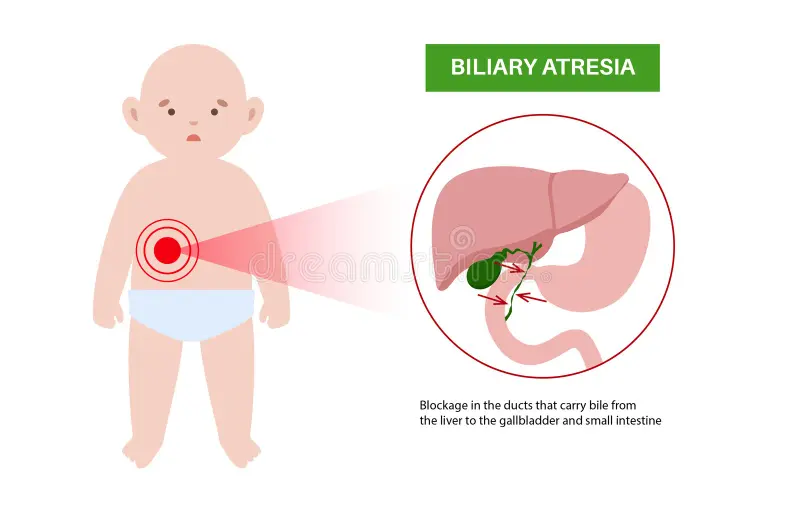
Biliary atresia is a rare liver condition affecting newborns. It blocks or destroys the bile ducts, tiny tubes carrying bile from the liver. Without proper bile flow, this fluid backs up and damages the liver.
This condition requires surgery within the first few months of life. Without timely treatment, permanent liver damage develops quickly. Understanding why speed matters helps parents recognize symptoms and seek care promptly.
Why Bile Ducts Matter So Much
Bile ducts carry digestive fluid from the liver to the small intestine. This fluid helps digest fats and removes waste products. When these ducts become blocked, bile builds up and harms liver tissue directly.
What Causes Biliary Atresia
Researchers haven’t identified one definite cause for biliary atresia yet. Some cases may relate to viral infections during late pregnancy or shortly after birth. Others might involve immune system problems affecting bile duct development.
In rare instances, biliary atresia appears alongside other birth abnormalities. This pattern suggests a developmental connection in some cases. Most babies, however, show no other associated health conditions.
Why This Condition Isn’t Usually Genetic
Unlike many other liver conditions, biliary atresia typically isn’t inherited directly. Most affected babies have no family history of this condition. This distinction helps reassure parents regarding future pregnancies in many cases.
Recognizing the Symptoms
Jaundice, a yellowing of the skin and eyes, represents the earliest noticeable symptom. While jaundice is common in newborns generally, persistent jaundice beyond two weeks raises concern. This persistence specifically distinguishes biliary atresia from typical newborn jaundice.
Pale, clay-colored stools often accompany this jaundice. Dark urine can also develop as bile builds up abnormally. An enlarged liver or abdomen sometimes becomes noticeable as the condition progresses.
Why Persistent Jaundice Deserves Serious Attention
Many newborns experience mild, temporary jaundice that resolves quickly. Jaundice lasting beyond two to three weeks, however, needs prompt evaluation. This persistence often signals an underlying liver problem requiring investigation.
The Importance of Stool Color
Pale or white stools indicate insufficient bile reaching the intestine. This color change provides a valuable, visible warning sign for parents. Many countries now use stool color cards to help parents monitor this symptom.
How Doctors Diagnose Biliary Atresia
Diagnosis typically begins with blood tests measuring liver function and bilirubin levels. Elevated bilirubin, especially the direct type, raises suspicion for biliary atresia. An abdominal ultrasound often follows to examine the liver and bile ducts.
In many cases, doctors perform a specialized scan or liver biopsy for confirmation. These tests help distinguish biliary atresia from other causes of newborn jaundice. Quick, accurate diagnosis remains absolutely essential given this condition’s urgency.
Why Time-Sensitive Testing Matters
Every week of delayed diagnosis increases the risk of permanent liver damage. Doctors prioritize rapid testing once biliary atresia becomes suspected. This urgency reflects the narrow treatment window available for optimal outcomes.
Why Early Treatment Prevents Cirrhosis
Without treatment, bile continues damaging liver tissue progressively. Over time, this damage leads to scarring, known as cirrhosis. Severe cirrhosis can eventually cause complete liver failure without intervention.
Treating biliary atresia within the first two months dramatically improves long-term outcomes. Delayed treatment significantly increases the likelihood of needing a liver transplant later. This timeline explains why early diagnosis truly changes a baby’s future.
The Critical Treatment Window Explained
Surgery performed before sixty days of age shows considerably better success rates. After this window, liver damage often becomes more extensive and harder to reverse. This narrow timeframe makes early symptom recognition absolutely vital.
Treatment Options for Biliary Atresia
The primary treatment involves a surgical procedure called the Kasai procedure. This surgery creates a new pathway for bile to drain from the liver. Many babies experience improved bile flow following this surgery successfully.
If the Kasai procedure doesn’t restore adequate bile flow, liver transplant may eventually become necessary. Some children require transplant during childhood, while others manage well for years afterward. Each child’s outcome depends significantly on how early treatment began.
Understanding the Kasai Procedure
During this surgery, doctors remove the damaged bile ducts entirely. They then connect the liver directly to the small intestine instead. This new connection allows bile to bypass the blocked, damaged ducts.
When Liver Transplant Becomes Necessary
Some children eventually need a liver transplant despite successful initial surgery. This typically happens when ongoing liver damage continues despite the Kasai procedure. Transplant offers excellent long-term outcomes for children who need this option.
Final Thoughts on Biliary Atresia
Biliary atresia demands urgent attention, but early treatment offers genuine hope. Recognizing persistent jaundice and pale stools can lead to life-changing early diagnosis. Time truly matters more with this condition than almost any other newborn illness.
If your baby’s jaundice persists beyond two weeks, contact your pediatrician immediately. Don’t assume it will simply resolve on its own. With prompt diagnosis and treatment, many children with biliary atresia thrive long-term.
Frequently Asked Questions
Can biliary atresia be detected before birth?
Biliary atresia usually isn’t detected during pregnancy through routine prenatal testing. Most diagnoses happen after birth, once jaundice symptoms become apparent. This is why postnatal symptom awareness remains so important.
Does every baby with biliary atresia eventually need a transplant?
Not every baby needs a transplant, especially when the Kasai procedure works successfully. However, many children eventually require transplant as they grow older. Long-term outcomes vary depending on initial treatment success.
Is biliary atresia common?
Biliary atresia is considered rare, affecting a small number of newborns worldwide. Despite its rarity, it remains a leading cause of liver transplant in young children. This significance explains why awareness remains crucial despite low prevalence.
Can biliary atresia come back after the Kasai procedure?
The original blocked bile ducts don’t return after successful surgery. However, ongoing liver damage or scarring can continue progressing in some children. Regular monitoring helps track liver health throughout childhood.
What happens if biliary atresia isn’t treated at all?
Without treatment, biliary atresia leads to progressive liver damage and eventual liver failure. This outcome typically occurs within the first two years of life. Prompt surgical treatment remains essential for preventing this serious progression.
Disclaimer:
This article is for informational purposes only and does not replace professional medical advice. Please consult a qualified healthcare provider for diagnosis and treatment.
References:
- CHARGE syndrome has variable presentations recognized from neonatal period through childhood. Neonatal presentation (0 to 28 days).
- Primary biliary cirrhosis is a chronic autoimmune liver disease. The immune system attacks the small bile ducts inside the liver,
- Primary Biliary Cholangitis causes variable symptoms depending on disease stage and severity.
- Primary biliary cholangitis is a chronic autoimmune disease causing progressive inflammation and destruction of intrahepatic bile ducts
Observer Voice is the one stop site for National, International news, Sports, Editor’s Choice, Art/culture contents, Quotes and much more. We also cover historical contents. Historical contents includes World History, Indian History, and what happened today. The website also covers Entertainment across the India and World.

