

CHARGE Syndrome: The Constellation of Birth Defects and Its Complex Diagnosis

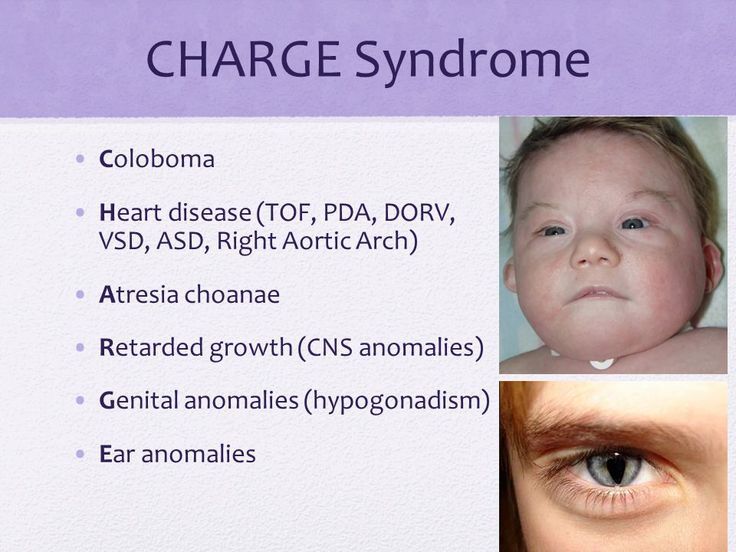
Imagine a newborn with multiple birth defects. A congenital heart defect. Cleft palate. Hearing loss. Small ears. Vision problems. Developmental delay. Initially, parents receive separate diagnoses for each problem. Heart disease from cardiologist. Cleft palate from plastic surgeon. Hearing loss from audiologist. Only later is the pattern recognized—CHARGE syndrome. A rare but serious genetic disorder causing a constellation of birth defects. Understanding that the defects are part of a unified syndrome enables comprehensive, coordinated care. Early intervention programs begin. Speech therapy. Hearing aids or cochlear implants. Vision therapy. Developmental support. Physical therapy. Occupational therapy. Early identification of the syndrome enables appropriate anticipatory care and optimal developmental outcomes. CHARGE syndrome is a genetic disorder caused by mutations in the CHD7 gene, encoding chromodomain helicase DNA-binding protein 7. The mutation results in impaired embryonic development affecting multiple organ systems. The condition causes congenital heart defects, cleft palate, hearing loss, eye abnormalities, ear abnormalities, growth restriction, and developmental delay. CHARGE is an acronym: Cardiac defects, Hypogonadism, Anal atresia, Retardation of growth and development, Genital abnormalities, Ear abnormalities. The condition affects approximately 1 in 8,500 to 1 in 10,000 live births. Approximately 3,000 to 6,000 Americans have CHARGE syndrome. Approximately 90 percent of cases are de novo mutations. Approximately 10 percent are inherited. What makes CHARGE syndrome important is understanding the complexity of the condition. Multiple birth defects. Multiple organ systems involved. Multiple specialists required. Early diagnosis enables early intervention. Comprehensive coordinated care. Optimal developmental outcomes. Understanding CHARGE syndrome enables appropriate medical management, family support, realistic expectations, and quality of life improvement. In this comprehensive article, we will explore what CHARGE syndrome is, understand the CHD7 gene and developmental basis, recognize the constellation of birth defects, explore diagnostic criteria and challenges, and discover how comprehensive medical management enables meaningful outcomes.
Understanding CHD7 Gene Function and CHARGE Syndrome Pathophysiology
Before we explore CHARGE syndrome, we need to understand CHD7 gene function and how mutations cause the constellation of birth defects. CHD7 gene. Located on chromosome 8. Encodes chromodomain helicase DNA-binding protein 7. Protein involved in. Chromatin remodeling. Gene regulation. Developmental processes. Embryonic development. Multiple stages. Multiple tissues. Neural crest cells. Crucial. CHARGE syndrome. Neural crest development. Impaired. CHD7 protein functions. Chromatin remodeling. DNA accessibility. Gene expression control. Transcriptional regulation. Developmental genes. Expressed correctly. Timing. Locations. CHD7 protein. Involved. Multiple pathways. Wnt signaling. FGF signaling. Notch signaling. Development. Tissue formation. Neural crest cell migration. Differentiation. Endoderm. Pharyngeal development. Heart development. Eye development. Ear development. Genitourinary development. In CHARGE. CHD7 mutated. Nonfunctional or dysfunctional. Gene expression dysregulation. Developmental pathways disrupted. Impaired embryonic development. Multiple tissues. Multiple defects. Different tissues. Different timing. Different severity. Heterozygous. One mutated copy. One normal copy. Disease present. Haploinsufficiency. One normal copy insufficient. Defective development results. Homozygous. Two mutated copies. Usually embryonic lethal. Usually not viable. CHARGE syndrome. Heterozygous. One mutated copy. Sufficient for disease. CHD7 mutations. Over 500 known mutations. Different mutations. Different effects. Frameshift mutations. Nonsense mutations. Complete loss of function. Missense mutations. Variable function. Large deletions. Whole gene deletions. Complete loss. Different severity. Some mutations. Severe phenotype. Others. Milder. Genotype-phenotype correlation. Some. But variable. Same mutation. Different individuals. Different severity. Environmental factors. Genetic background. Influence expression. CHARGE syndrome inheritance. Autosomal dominant. One mutated copy sufficient. Affected individual. 50 percent chance offspring affected. Non-inheriting offspring. Unaffected. De novo mutation. Spontaneous mutation. Neither parent affected. Approximately 90 percent of cases. New mutation. Patient carries mutation. All cells affected. Germline mutation. Can pass to offspring. 50 percent risk. Affected parent. If inherited. 50 percent risk. Siblings. Not affected. Unless parent carrier. CHARGE pathophysiology. Cardiac defects. Heart development. Second heartfield. Neural crest-derived cells. Contribute. CHD7. Important. Heart defects. Conotruncal. Truncus arteriosus. Tetralogy of Fallot. Transposition of great arteries. Others. Atrioventricular septal defects. Atrial septal defects. Ventricular septal defects. Multiple possible. Severity. Variable. Some lethal. Some compatible with life. Some require surgery. Some resolve. Cleft palate. Palatal development. Neural crest. Palatal shelves. Fusion. Impaired. Secondary cleft palate. Most common. CHARGE. Primary cleft. Possible. Feeding difficulties. Speech difficulties. Requires intervention. Hearing loss. Ear development. Cochlear development. Facial nerve. Involved. Conductive hearing loss. Ossicles. Malformed. Sensorineural. Cochlear nerve. Involved. Variable. Some profound. Bilateral. Deafness. Some mild. Unilateral. Variable. Requires assessment. Management. Eye abnormalities. Ocular development. Iris coloboma. Iris absent. Wedge-shaped. Characteristic. Vision loss. Variable. Choanal atresia. Nasal passages. Blocked. Posterior nasal cavity. Imperforate. Airways. Blocked. Breathing. Affected. Emergency at birth. Requires surgical opening. Gastroesophageal reflux. Common. Swallowing difficulties. Feeding problems. Failure to thrive. Endocrine abnormalities. Hypogonadism. Gonadal development. Impaired. Small testes. Females. Ovarian development. Normal usually. Growth hormone. Variable. Thyroid. Abnormalities. Possible. Parathyroid. Abnormalities. Possible. CNS abnormalities. Brain development. Structural abnormalities. Arnold-Chiari malformation. Possible. Hydrocephalus. Possible. Intellectual disability. Common. Developmental delay. Variable. Genitourinary. Cryptorchidism. Undescended testes. Common. Hypospadias. Urethral opening. Ventral aspect. Penis. Genital abnormalities. Renal. Kidney development. Abnormalities. Possible. Anal atresia. Imperforate anus. Rectum. Bladder. Fistula. Abnormal connection. Impaired bowel function. Requires surgical intervention. Immune dysfunction. Thymic aplasia or hypoplasia. Impaired immune system. Infections. Increased risk. Immunizations. Response. Variable. The pathophysiology explains the multi-system nature of CHARGE syndrome.
What is CHARGE Syndrome?
CHARGE syndrome is a genetic disorder caused by CHD7 gene mutations resulting in a constellation of congenital birth defects affecting multiple organ systems. Diagnostic criteria. Major features. Choanal atresia or stenosis. Cleft palate. Cardiac defect. Characteristic ear abnormalities. Retinopathy or optic nerve hypoplasia. Genital abnormalities. Anal atresia. Growth and developmental delay. Minor features. Tracheoesophageal fistula. Renal abnormalities. Hearing loss. Temporal bone abnormalities. Arrhythmias. Neurological abnormalities. Mediastinal masses. Short stature. Hypogonadism. Intellectual disability. Cleft lip. Kidney abnormalities. Lacrimal duct abnormality. Pharyngeal flap. Skeletal abnormalities. Thrombocytopenia. Hypothyroidism. Pharyngeal hypoplasia. CHARGE diagnosis. Three major features. Four major features with CHD7 mutation. Two major plus three or more minor features. Classic CHARGE. Obvious features. Neonatal presentation. Cardiac emergency. Choanal atresia. Respiratory distress. Cleft palate. Feeding difficulties. Neonatal diagnosis. NICU presentation. Multiple issues. Separated diagnoses. Later recognition. CHARGE syndrome. Atypical CHARGE. Fewer major features. Minor features predominant. Later diagnosis. School-age. Adolescent. Adult. Cardiac defects. Spectrum. Conotruncal defects. Tetralogy of Fallot. 22 percent approximately. Transposition of great arteries. 20 percent. Truncus arteriosus. 10 percent. Atrioventricular septal defect. Other defects. Aortic arch abnormalities. Hypoplastic left heart. Others. Variable. Some life-threatening. Neonatal. Prostaglandin E1. Keeps ductus arteriosus patent. Buys time. Surgery. Survival. Others. Compatible with life. Monitoring required. Cleft palate. Secondary cleft. Most common. Primary cleft. Possible. Cleft lip. Variable. Severity. Airway obstruction. Feeding. Speech difficulties. Repair. Usually age 12 to 18 months. Orthodontics. Later. Choanal atresia. Posterior nasal cavity. Blocked. Airways. Respiratory distress. Newborn. Emergency. Presentation. Cyanosis. Blue baby. Crying relieves. Opens mouth. Gets air. Feeding. Difficult. Bilevel positive airway pressure (BiPAP). Temporary. Surgical repair. Permanent. Surgical opening. Nasal mucosa. Continuous positive airway pressure (CPAP). Post-operatively. Stent placement. Prevents restenosis. Closure. Requires vigilance. Hearing loss. Variable. 50 to 90 percent. Conductive. Ossicular malformation. Sensorineural. Nerve involvement. Mixed. Both. Bilateral. Most common. Unilateral. Possible. Profound to moderate. Variable. Assessment. Newborn hearing screening. Critical. Amplification. Hearing aids. Early. Cochlear implant. If profound. Or inadequate response. Speech development. Affected. Early intervention. Critical. Sign language. Spoken language. Options. Communication. Multi-modal. Eye abnormalities. Iris coloboma. Characteristic. Vision loss. Variable. Photophobia. Light sensitivity. Refractive errors. Myopia. Hyperopia. Astigmatism. Common. Glasses. Contact lenses. Optic nerve hypoplasia. Reduced nerve fibers. Vision loss. Nystagmus. Involuntary eye movements. Strabismus. Eye misalignment. Vision evaluation. Critical. Early. Pediatric ophthalmology. Baseline. Periodic. Vision development. Supported. Amblyopia. Lazy eye. Prevention. Eye patching. If indicated. Growth and development. Growth restriction. Common. Short stature. Variable. Growth hormone. Assessment. Supplementation. If indicated. Developmental delay. Common. Intellectual disability. 50 to 70 percent. Mild to severe. Variable. Early intervention programs. Physical therapy. Occupational therapy. Speech therapy. Early learning. Special education. IEP. 504 plan. School support. Academic achievement. Variable. Depends on severity. Many mainstreamed. With support. Some special education. Full-time. Learning capacity. Variable. Genitourinary. Hypogonadism. Cryptorchidism. Undescended testes. Common. Requires monitoring. Surgical intervention. If necessary. Females. Ovarian development. Usually normal. Gonadal function. Usually normal. Infertility. Possible. Variable. Assessment. Hormone levels. Imaging. Evaluates. Hypospadias. Urethral opening. Ventral aspect. Penis. Severity variable. Surgical correction. Usually. Timing. Individualized. Other abnormalities. Renal. Kidney development. Abnormalities. Hydroureter. Hydronephrosis. Renal hypoplasia. Others. Imaging. Ultrasound. Identifies. Monitoring. Renal function. Important. Anal atresia. Rectum. Anus. Imperforate. Fistula. Abnormal connection. Colostomy. Initially. Surgical repair. Later. Eventually. Restoration. Continent. Bowel function. Possible. Variable. The multi-system involvement requires comprehensive medical management.
Recognizing CHARGE Syndrome: Neonatal to Childhood Presentations
CHARGE syndrome has variable presentations recognized from neonatal period through childhood. Neonatal presentation (0 to 28 days). Cardiac emergency. Heart defect. Obvious. Cyanosis. Blue baby. Respiratory distress. Shock. Prostaglandin E1. Life-saving. Keeps ductus arteriosus patent. Maintains systemic circulation. Emergency cardiac surgery. Sometimes necessary. Neonatal intensive care. Survival. Choanal atresia. Airways blocked. Respiratory distress. Cyanosis. Crying helps. Opens mouth. Gets air. Emergency presentation. BiPAP. Temporary. Surgical repair. Definitive. Cleft palate. Feeding difficulties. Airways. Partially compromised. With other defects. Nasogastric feeding. Tube feeding. Temporary. Surgical repair. Later. Multiple birth defects. Recognition. Series of problems. Multiple specialists. Neonatologist. Cardiologist. Surgeon. ENT. Geneticist. Eventually. Genetics evaluation. CHARGE considered. Genetic testing. CHD7 mutation. Diagnosis. Enables comprehensive approach. Infancy (1 to 12 months). Feeding difficulties. Persistent. Despite repair. Reflux. Common. Medication. Thickened formula. Modified feeding techniques. Failure to thrive. From feeding difficulties. Growth restriction. Caloric needs. Increased. Feeding tube. Sometimes necessary. Speech pathology. Swallowing assessment. Guidance. Hearing assessment. Auditory brainstem response (ABR). Objective. Newborn hearing screening. Confirmation. Degree. Type. Hearing aids. Or cochlear implant evaluation. Speech development. Begins. With hearing loss. Delayed. Sign language. Important. Even if hearing aids. Early intervention services. Physical therapy. Developmental assessment. Gross motor. Fine motor. Cognitive. Social-emotional. Early intervention program. Physical therapy. Occupational therapy. Speech therapy. If indicated. Critical. Development. Brain plasticity. High. Early intervention. Maximum benefit. Vision assessment. Ophthalmology evaluation. Iris coloboma. Vision loss assessment. Glasses. If refractive error. Patching. If amblyopia risk. Light sensitivity. Managing. Sunglasses. Eye protection. Growth monitoring. Growth chart. Plotting. Growth restriction. Common. Monitoring. Catch-up growth. Possible. Sometimes. Hormone supplementation. Considered. Genetic counseling. Family. Inheritance discussion. Recurrence risk. 50 percent if parent carrier. Other children. Testing consideration. Psychological support. Family adjustment. Multiple diagnoses. Overwhelming. Counseling. Support groups. CHARGE parent groups. Helpful. Toddlerhood (1 to 3 years). Speech and language. Development. Delayed usually. Combined hearing loss. Cleft palate. Developmental delay. Speech therapy. Intensive. Multiple modalities. Sign language. Spoken language. AAC devices. Augmentative and alternative communication. Visual supports. Pictures. Words. Hearing devices. Hearing aids or cochlear implants. Fitted. Maintained. Functioning. Critical. Speech development. Dependent. Development. Gross motor. Fine motor. Walking. Sometimes delayed. Physical therapy. Strengthening. Mobility support. Occupational therapy. Self-care. Fine motor. Activities. ADL skills. Communication. Development. Ongoing. Vision. Developing. Glasses update. Vision stimulation. Activities. Encouragement. Eating. Feeding. Continued challenges. Therapy. Techniques. Encouragement. Growth. Monitoring. Catch-up possible. Usually. Toileting. Bowel and bladder training. Delayed sometimes. If anal atresia. Colostomy. Management. Toilet training. Different. Adapted. School readiness. Preparation. Pre-K. Services. Special education. Possible. Evaluation. Academic and developmental readiness. Support. Needed. Psychological. Behavior. Management. Adjustment to. Multiple disabilities. Family coping. Important. Early childhood (3 to 6 years). School entry. Pre-K or kindergarten. Accommodations. Important. Hearing aids. Classroom. Function. Batteries. Maintenance. Teacher education. Hearing loss. CHARGE syndrome. What to expect. Vision. Functional vision. Classroom. Large print. Seating. Board visibility. Speech and language. Ongoing. Continued therapy. Classroom. Outside. Academic learning. Development. Reading readiness. Letter recognition. Number recognition. Phonological awareness. Variable. Early reading. Some children. Others. Later. Typically developing peers. Comparison. May begin. Body image. Differences. Features. Different. Facial features. Ears. Palatal repair. Scar. Appearance. Concerns. Beginning. Self-consciousness. Peer relationships. Social skills. Developing. Friendship. Important. Peer support. Bullying. Possible. Education. Peers. About differences. Important. Psychological. Adjustment. Ongoing. Growth. Continuing. Variable. Catch-up. Possible. Or continued restriction. Monitoring. School-age. Health monitoring. Cardiac. Follow-up. If defect. Imaging. As indicated. Hearing. Monitoring. Devices. Functioning. New batteries. Audiology. Periodic. Vision. Monitoring. Refraction. Correction. Periodic. School-age (6 to 12 years). Academic learning. Intelligence. Variable. Some. Average. Mainstream education. Some support. Some. Intellectual disability. Special education. Modified curriculum. Smaller class. Individualized teaching. Mixed. Inclusion. With support. Social development. Peer relationships. Important. Bullying. Risk. Advocacy. Important. Communication. Speech. Continued therapy. Variable progress. Some clear speech. Some. Difficult to understand. AAC devices. May continue. Hearing aids. Functioning. Maintenance critical. Cochlear implant. If present. Functioning. Programming. Periodic. Vision. Functional. Glasses. Updated. Regular. Adolescence (12 to 18 years). Identity. Self-image. Body image. Differences. Obvious. Acceptance. Important. Support. Counseling. Peer support. Important. Sexual development. Puberty. Normal timing usually. Sexual education. Important. Reproductive counseling. Future. Hypogonadism. Infertility. Discussion. Genetic implications. Offspring. Future family. Reproductive options. Counseling. Future planning. Education. Vocational. College. Vocational training. Supported. Depending on abilities. Intellectual disability. Severity. Vocational assessment. Realistic. Career planning. Supported. Employment. Possible. Variable. Depends on abilities. Communication. Speech therapy. Continued. If helpful. Augmentative and alternative communication. AAC. If used. Health monitoring. Continued. Cardiac. Vision. Hearing. Periodic. Aging health. Late childhood to adulthood. The progression demonstrates the need for comprehensive, coordinated, lifelong care.
Diagnosis: Recognizing CHARGE Syndrome—Clinical Challenges and Genetic Testing
Diagnosing CHARGE syndrome requires recognition of the constellation of features and genetic confirmation. Diagnostic complexity. Multiple features. Multiple specialties. Separate diagnoses. Often. Before CHARGE. Recognition. Pattern recognition. Important. Genetic testing. Confirms. Enables. Comprehensive approach. Clinical features. Neonatal presentation. Obvious. Cardiac. Cleft palate. Choanal atresia. Respiratory. Airways. Feeding. Difficulties. Multiple issues. Neonatal. Recognition. Genetic consultation. Often. Difficult delivery. Resuscitation. Emergency stabilization. Later. Recognition. After hospital discharge. Outpatient evaluation. Specialist appointments. Pattern recognition. Genetic consultation. Pediatrician. May not recognize. Specialists. May not recognize. Genetic counselor or geneticist. Recognizes. Pattern. Suggests genetic testing. Late diagnosis. School-age. Adolescent. Adult. If features. Subtle. Or attributed. Other causes. Late diagnosis. Possible. Even. Into adulthood. Atypical presentations. Limited features. Diagnostic challenge. Genetic testing. Particularly valuable. Diagnostic criteria application. Three major features diagnostic. Four major with CHD7 mutation. Two major plus three or more minor features. Helps guide. Genetic testing. Indications. Suspected CHARGE. Clinical features. Constellation. CHD7 mutation testing. DNA sequencing. CHD7 gene. Identifies mutation. Confirms diagnosis. Sensitivity. Approximately 90 percent. In CHARGE. Clinical diagnosis. CHD7 mutation detected. Approximately 90 percent. 10 percent. No mutation detected. Possible. Genetic heterogeneity. Other genes. Future discovery. Or incomplete testing. Testing limitations. Genetic testing. CHARGE. CHD7. Primary. Other genes. Rare. Not routinely tested. Variants of uncertain significance (VUS). Unknown. Effect. Requires research. Interpretation. Challenging. Genetic counseling. Important. Imaging. Cardiac. Echocardiography. Heart structure. Defects. Quantifies. Function. Ejection fraction. Assessment. Baseline. Periodic. MRI. If complex. Anatomy. Surgical planning. CT or MRI. Other structures. Aortic arch. Arch anomalies. Other details. Audiometry. Hearing assessment. Newborn hearing screening. Confirmatory. Degree. Type. ABR. Objective. Age-specific. Play audiometry. Behavioral. Older children. Audiologist. Specialized. CHARGE. Cochlear anatomy. Imaging. Pre-cochlear implant. If considered. Imaging studies. Multiple. CT or MRI. Cochlear anatomy. Semicircular canals. Vestibular system. Important. Pre-implant. Surgical planning. Ophthalmology. Vision assessment. Iris coloboma. Optic nerve. Assessment. Retinal examination. Functional vision. Assessment. Cognitive and developmental assessment. Developmental psychologist. Intelligence testing. IQ. Developmental quotient. DQ. Early. Baseline. Track progress. Periodic. Educational planning. Special education. Services. Recommendations. Renal imaging. Ultrasound. Kidneys. Structural abnormalities. Renal function. Serum creatinine. Estimated glomerular filtration rate (eGFR). Periodic. Monitoring. Endocrine evaluation. Thyroid function. TSH. T4. Baseline. Periodic. Growth hormone. If short stature. Growth hormone stimulation test. Hypogonadism. Assessment. Hormone levels. Testosterone. Estradiol. Gonadal function. Imaging. Ultrasound. Testes. Ovaries. Renal ultrasound. Kidneys. Structural abnormalities. Hydronephrosis. Size. Function. Imaging. CT abdomen if indicated. Complex anatomy. Surgical planning. Genetic counseling. Inheritance. Autosomal dominant. 50 percent offspring risk. If parent carrier. De novo. If neither parent affected. Family screening. Relatives. Testing. Carrier status. If de novo. Affected individual. Can pass to offspring. 50 percent. Other children. Risk. If neither parent. Low. Unless parent unaffected carrier. Germline mosaicism. Possible. Rare. Increased recurrence risk. Genetic counselor. Discusses. Reproductive options. Prenatal diagnosis. Possible. If parent carrier. Genetic testing. Fetus. Amniotic cells. Identifies mutation. Enables preparation. Or decision-making. Preimplantation genetic diagnosis (PGD). IVF. Embryo selection. Unaffected embryo. Enabled. Pregnancy without mutation. The diagnosis requires comprehensive evaluation and genetic testing.
Management: Comprehensive Care Coordinated Across Specialists
CHARGE syndrome management requires comprehensive, coordinated care across multiple specialists. Cardiac management. Congenital heart defect. Cardiologist. Evaluation. Echo. Assessment. Severity. Management plan. Prostaglandin E1. If needed. Patent ductus arteriosus. Patent. Maintains circulation. Surgery. If needed. Timing. Depends. Defect. Severity. Often. Neonatal. Post-operative. Follow-up. Imaging. Periodically. Arrhythmia. Assessment. ECG. Monitoring. Medication. If indicated. Airway management. Choanal atresia. Surgical repair. Definitive. ENT. Surgeon. Surgical opening. Posterior nasal obstruction. Nasal mucosa. Stent placement. Post-operatively. Prevents restenosis. Gradual. Stent removal. CPAP. Sometimes. Post-operatively. Sleep. Breathing. Monitoring. Apnea. Possible. Sleep study. If indicated. Cleft palate repair. Plastic surgeon. Timing. Usually 12 to 18 months. Speech development. Important. Prior. Feeding. Nasogastric tube. Temporary. Post-repair. Oral feeding. Usually. Post-repair. Feeding. Continued challenges. Therapy. Techniques. Swallowing. Difficulty. Persistent. Feeding therapy. Important. Failure to thrive. Address. Caloric needs. Increased. High-calorie formula. Fortification. Tube feeding. If needed. Gastroenterology. Referral. If reflux. Medication. Proton pump inhibitor. H2 blocker. Managing. Reflux. Feeding difficulty. Associated. Speech and language. Speech pathologist. Assessment. Early. Hearing loss. Cleft palate. Developmental delay. Speech pathology. Critical. Multiple modalities. Speech. Spoken language. Sign language. AAC. Devices. Augmentative and alternative communication. Visual supports. Early intervention. Intensive. Continued throughout. School-age. Adolescence. If helpful. Hearing management. Newborn hearing screening. Critical. Audiology. Assessment. Degree. Type. Bilateral. Unilateral. Conductive. Sensorineural. Mixed. Amplification. Hearing aids. Early. Cochlear implant. Consideration. If profound. Bilateral. Inadequate response. Hearing aids. Cochlear implant. Team. Audiologist. Surgeon. Speech pathologist. Consideration. Educational options. Spoken language. Sign language. Multi-modal communication. Important. Family. Decision-making. Discussion. Options. Goals. Individual. Vision management. Ophthalmology. Assessment. Baseline. Iris coloboma. Vision loss. Optic nerve. Assessment. Refractive error. Correction. Glasses or contact lenses. If indicated. Eye patching. Amblyopia. Prevention. If indicated. Vision development. Support. Classroom. Classroom accommodation. Large print. Seating. Board visibility. Bright light. Or dim. Depending. Light sensitivity. Vision assessment. Periodic. Updated correction. School. Vision stimulation. Activities. Encouragement. Developmental support. Early intervention. Critical. Physical therapy. Gross motor. Developmental. Speech. Development. Cognitive. Social-emotional. Occupational therapy. Self-care. Fine motor. Activities. ADL skills. Adaptive equipment. As needed. Special education. IEP or 504 plan. If indicated. Evaluation. Educational. Developmental. Supports. Classroom. Specialized. Therapies. Within school. Or outside. Depending. Needs. Genetic counseling. Family. Inheritance. Reproductive counseling. Offspring risk. 50 percent. If parent carrier. Family testing. Relatives. Carrier identification. Enable. Anticipatory care. Early intervention. If indicated. Psychological support. Family. Adjustment. Multiple diagnoses. Overwhelming. Counseling. Support groups. CHARGE parent organizations. Support. Coping. Information. Resources. Mental health services. Child. Family. As needed. Educational support. School. Accommodations. IEP or 504 plan. Teacher education. CHARGE syndrome. What to expect. Peer education. Reducing bullying. Social skills training. Peer relationships. Occupational therapy. School-based. Vocational training. Adolescent. Adult. Vocational assessment. Job skills. Career planning. Supported employment. If indicated. Medical surveillance. Periodic. Cardiac. Imaging. If indicated. Hearing. Monitoring. Devices. Functioning. Audiology. Periodic. Vision. Monitoring. Refraction. Correction. Periodic. Growth. Height monitoring. Growth curve. Renal function. Serum creatinine. eGFR. Periodic. Endocrine. Hormone levels. Thyroid. Growth hormone. Reproductive. As indicated. The comprehensive approach enables optimal outcomes.
Frequently Asked Questions (FAQs)
Q1: Is CHARGE syndrome fatal?
Not necessarily. Variable severity. Cardiac defect. Life-threatening. Newborn. Prostaglandin E1. Surgery. Survival. Possible. Modern cardiac care. Most survive. Infancy. Some complications. Late childhood. Others. Life expectancy. Near-normal. Many individuals. Adulthood. Quality of life. Good with management.
Q2: Will my child with CHARGE syndrome have intellectual disability?
Variable. Approximately 50 to 70 percent. Intellectual disability. Mild to severe. Approximately 30 to 50 percent. Average intelligence. Learning capacity. Variable. Early intervention. Critical. Maximizes development. Many. Mainstream education. With support. Others. Special education. Academic achievement. Variable. Depends on severity. Intellectual disability. Not inevitable.
Q3: How is CHARGE syndrome diagnosed?
Clinical features. Constellation. Multiple. Three major. Diagnosis. Genetic testing. CHD7 mutation. Confirms. Diagnostic clarity. Early intervention. Enabled. Specialists. Cardiologist. ENT. Audiologist. Ophthalmologist. Developmental specialist. Genetics. Evaluation. Diagnosis. Multiple features. Multiple specialists. Pattern recognition. Important. Genetic consultation. Testing. Confirmation.
Q4: What is the life expectancy with CHARGE syndrome?
Variable. Depends on. Cardiac defect. Severity. Complications. Management. Modern care. Most. Near-normal lifespan. Approximately normal. Some complications. Managed. Quality of life. Good. Depends on. Severity. Overall. Support. Prognosis. Generally favorable. With management.
Q5: What accommodations might a child with CHARGE syndrome need?
Depends on individual. Hearing loss. Hearing aids. Cochlear implant. Classroom. Assistance. Captions. Preferential seating. Vision loss. Glasses or contact lenses. Large print. Seating. Lighting. Speech and language. Speech therapy. AAC devices. Visual supports. Classroom. School. Learning support. Special education. Adapted curriculum. Smaller class. Individualized teaching. Physical therapy. Occupational therapy. Within school. Or outside. Physical accessibility. Ramps. Elevators. Bathroom. Adapted. Communication. Understanding. CHARGE syndrome. Staff training. Peer education. Reducing bullying. Individual. Specific needs. Assessment. Important.
Key Takeaways
CHARGE syndrome is genetic disorder. CHD7 gene mutation. Autosomal dominant. 50 percent offspring risk. Approximately 1 in 8,500 to 10,000 live births. Approximately 3,000 to 6,000 Americans. Approximately 90 percent de novo. Approximately 10 percent inherited. Constellation of birth defects. Cardiac. Cleft palate. Choanal atresia. Hearing loss. Eye abnormalities. Genitourinary. Anal atresia. Growth restriction. Developmental delay. Intellectual disability. Cardiac defects. Tetralogy of Fallot. Transposition. Truncus arteriosus. AV septal defect. Others. Variable. Life-threatening. Newborn. Or compatible life. Cleft palate. Secondary. Primary possible. Feeding. Speech. Impacts. Repair. Usually 12 to 18 months. Choanal atresia. Airways blocked. Emergency. Newborn. BiPAP. Temporary. Surgery. Definitive. Hearing loss. 50 to 90 percent. Conductive. Sensorineural. Mixed. Bilateral. Unilateral. Variable. Hearing aids or cochlear implants. Speech development. Critical. Early intervention. Eye abnormalities. Iris coloboma. Vision loss. Refractive errors. Glasses or contact lenses. Vision development. Support. Growth restriction. Short stature. Monitoring. Catch-up. Possible. Developmental delay. Intellectual disability. 50 to 70 percent. Mild to severe. Early intervention. Physical therapy. Speech therapy. Occupational therapy. Special education. Genitourinary. Hypogonadism. Cryptorchidism. Hypospadias. Assessment. Intervention. As needed. Anal atresia. Colostomy. Initially. Surgical repair. Bowel function. Restoration. Possible. Diagnosis. Clinical features. Genetic testing. CHD7 mutation. Confirmation. Diagnostic criteria. Three major. Diagnosis. Specialists. Cardiologist. ENT. Audiologist. Ophthalmologist. Developmental specialists. Geneticist. Comprehensive evaluation. Necessary. Management. Cardiac. Surgery. If needed. Follow-up. Airway. Choanal atresia. Repair. Cleft palate. Repair. Feeding support. Hearing. Amplification. Cochlear implant. Early. Speech therapy. Vision. Correction. Visual support. Developmental. Early intervention programs. Physical therapy. Speech therapy. Occupational therapy. Special education. Psychological support. Family counseling. Genetic counseling. Inheritance. Reproductive counseling. Outcomes. Variable. Severity dependent. Cardiac. Most. Survive infancy. Quality of life. Good with comprehensive management. Intelligence. Variable. Early intervention. Maximizes development. CHARGE syndrome—serious genetic condition—treatable. Modern care—comprehensive—enables meaningful outcomes.
References
- World Health Organization (WHO). “CHARGE Syndrome: Classification and Management.” Retrieved from https://www.who.int/
- CHARGE Syndrome Foundation. “CSF Information and Resources.” Retrieved from https://www.chargesyndrome.org/
- Mayo Clinic. “CHARGE Syndrome.” Retrieved from https://www.mayoclinic.org/
- Cleveland Clinic. “CHARGE Syndrome.” Retrieved from https://my.clevelandclinic.org/
- National Institutes of Health. “CHARGE Syndrome.” Retrieved from https://www.nih.gov/
- American Academy of Pediatrics. “CHARGE Syndrome Management.” Retrieved from https://www.aap.org/
Related Articles on ObserverVoice.com
Explore more health and science topics on our platform:
- Genetic Disorders: Understanding Multi-System Birth Defects
- CHD7 Gene: Understanding Chromodomain Helicase Function
- Congenital Heart Defects: Understanding Cardiac Birth Abnormalities
- Cleft Palate: Understanding Palatal Development and Repair
- Hearing Loss in Children: Understanding Congenital Deafness
- Developmental Delay: Understanding Early Intervention and Support
- Living With Multiple Disabilities: Comprehensive Care Coordination
Disclaimer
This article provides educational information adapted from publicly available health sources including WHO materials. This content is for informational and educational purposes only and does not constitute medical advice, diagnosis, or treatment recommendations. [ObserverVoice.com] is a news and information platform—not a healthcare provider. If your child has multiple birth defects or features suggesting CHARGE syndrome, consult qualified pediatricians, cardiologists, geneticists, or genetic counselors for comprehensive evaluation and genetic testing. Early diagnosis enables early intervention. Comprehensive, coordinated multidisciplinary care dramatically improves outcomes. Multiple specialists required—cardiac surgeon, ENT, audiologist, ophthalmologist, speech pathologist, developmental specialists, geneticist, psychologist. Early intervention programs critical. Physical therapy, speech therapy, occupational therapy, special education. Family support essential. Genetic counseling important for family planning and inheritance discussion. With appropriate comprehensive management and support, children with CHARGE syndrome achieve meaningful lives with good quality of life. Always seek guidance from licensed healthcare specialists for diagnosis and personalized medical management.
Observer Voice is the one stop site for National, International news, Sports, Editor’s Choice, Art/culture contents, Quotes and much more. We also cover historical contents. Historical contents includes World History, Indian History, and what happened today. The website also covers Entertainment across the India and World.
Follow Us on Twitter, Instagram, Facebook, & LinkedIn

