

Acanthosis Nigricans: The Dark Skin Patch That Signals Insulin Resistance

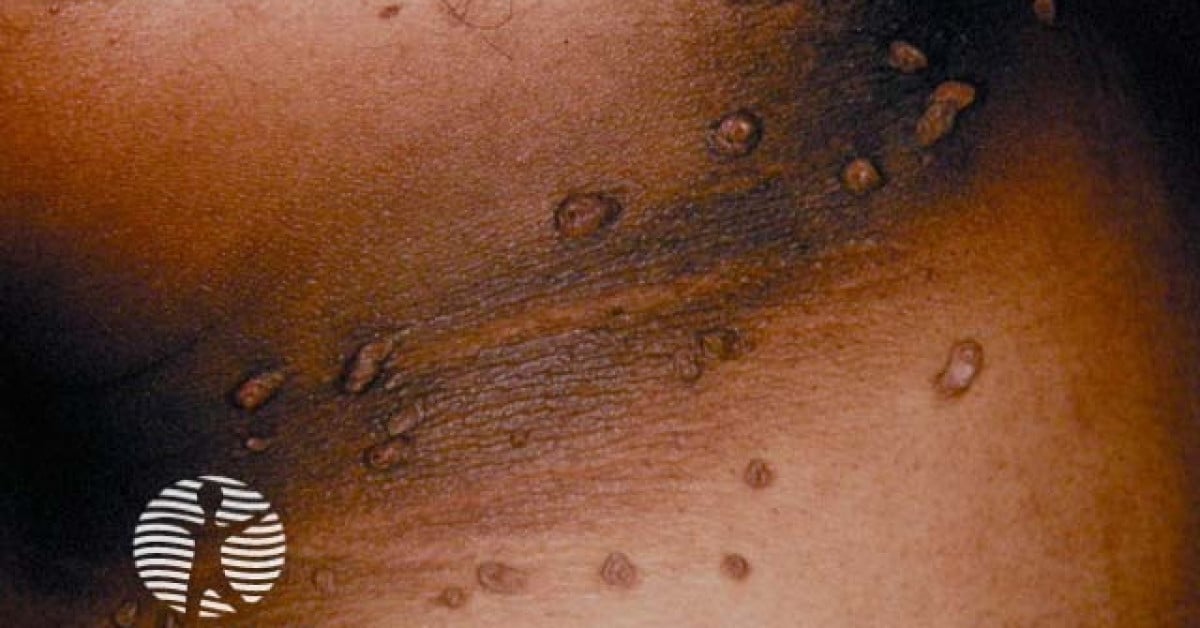
Skin changes often reflect what is happening deep inside the body. A dark, velvety patch appearing on the neck or underarm is rarely just a cosmetic concern.
Acanthosis nigricans is a distinctive skin condition that causes thickened, darkened, and velvety patches in body folds and creases. In most cases, these patches signal an important underlying metabolic problem, most commonly insulin resistance.
Understanding acanthosis nigricans causes, what these skin changes mean, and how to address them effectively can prompt life-changing interventions. Recognising this skin sign early helps prevent the progression from insulin resistance to type 2 diabetes.
What Is Acanthosis Nigricans?
Acanthosis nigricans is a skin condition characterised by hyperpigmented, velvety, thickened plaques developing in skin folds and creases. The term “acanthosis” refers to thickening of the outer skin layer, while “nigricans” means darkening or blackening of the skin.
The patches feel soft and velvety to touch and range in colour from light tan to deep brown or even black in people with darker baseline skin tones. They are not painful, do not itch in most cases, and cause no physical discomfort beyond their visible appearance.
Why Acanthosis Nigricans Matters Beyond Appearance
Many people initially attribute acanthosis nigricans patches to poor hygiene or sun exposure and attempt to scrub or bleach the affected skin. These approaches never resolve the underlying cause and often irritate already sensitive skin unnecessarily.
The patches cannot be scrubbed away because they arise from changes within the skin structure itself rather than surface dirt or pigment. Addressing the underlying cause is the only effective strategy for resolving or improving acanthosis nigricans long-term.
How Common Is Acanthosis Nigricans?
Acanthosis nigricans is considerably more prevalent than many clinicians and patients realise. Studies estimate it affects up to 7 to 74% of individuals with obesity, depending on the population studied and diagnostic criteria applied.
The condition is especially prevalent in people of African, Hispanic, and Native American descent, reflecting both genetic factors and higher rates of metabolic syndrome in these populations. Rates in children with obesity have risen sharply alongside global increases in childhood overweight and insulin resistance.
Acanthosis Nigricans Causes: Understanding the Different Types
Several distinct underlying processes can trigger acanthosis nigricans, and identifying the specific cause determines appropriate clinical management. Doctors classify acanthosis nigricans into several types based on the driving mechanism.
Insulin-resistant acanthosis nigricans is by far the most common type encountered in clinical practice. The other categories include drug-induced, syndromic, malignant, and idiopathic forms, each requiring different investigation and treatment approaches.
Insulin Resistance and Metabolic Acanthosis Nigricans
Insulin resistance occurs when body cells respond poorly to insulin, forcing the pancreas to produce ever-increasing amounts to maintain blood glucose control. Elevated circulating insulin levels stimulate insulin-like growth factor receptors on keratinocytes, the main cells of the outer skin layer, causing them to proliferate abnormally.
This stimulated keratinocyte overgrowth produces the characteristic skin thickening and darkening seen in acanthosis nigricans. The greater the degree of insulin resistance and hyperinsulinaemia, the more extensive and pronounced the skin changes typically become.
Obesity as a Primary Driver
Obesity drives insulin resistance independently of other metabolic factors and represents the most common underlying cause of acanthosis nigricans in both adults and children. Adipose tissue, particularly visceral fat around internal organs, releases hormones and inflammatory molecules that impair normal insulin signalling throughout the body.
Weight loss, even moderate, can produce meaningful improvements in insulin sensitivity and corresponding reduction in acanthosis nigricans severity. This reversibility makes the skin sign an important visible marker of both disease risk and treatment response.
Type 2 Diabetes and Prediabetes
Acanthosis nigricans strongly associates with type 2 diabetes and prediabetes across all age groups. Many people receive their first clinical indication of impaired glucose metabolism through the incidental discovery of characteristic acanthosis nigricans patches during a routine medical examination.
The presence of acanthosis nigricans in a person without known metabolic disease should always trigger blood glucose and insulin testing. This simple skin observation can identify individuals who would benefit enormously from early metabolic intervention before diabetes becomes established.
Polycystic Ovary Syndrome and Hormonal Causes
Polycystic ovary syndrome (PCOS) is a common hormonal condition characterised by insulin resistance, androgen excess, and irregular menstrual cycles. Acanthosis nigricans affects a significant proportion of people with PCOS, reflecting the underlying insulin resistance driving both conditions simultaneously.
Treating the insulin resistance component of PCOS with lifestyle modification or metformin therapy often improves both metabolic parameters and acanthosis nigricans skin changes concurrently. The skin response to treatment provides a practical visual indicator of improving insulin sensitivity over time.
Drug-Induced Acanthosis Nigricans
Certain medications trigger acanthosis nigricans through their own effects on insulin signalling or keratinocyte growth pathways. Systemic corticosteroids, combined oral contraceptive pills, niacin, protease inhibitors used in HIV treatment, and some growth hormone therapies all associate with drug-induced acanthosis nigricans development.
Drug-induced cases typically improve or resolve after discontinuing the causative medication when clinically feasible. Identifying the temporal relationship between starting a new medication and the appearance of skin patches guides appropriate clinical management decisions.
Rare Syndromic Forms
Several rare genetic syndromes include acanthosis nigricans as a consistent clinical feature. These syndromic forms associate with severe insulin resistance caused by genetic mutations affecting the insulin receptor itself or its downstream signalling pathways.
Conditions including type A and type B insulin resistance syndromes, Rabson-Mendenhall syndrome, and lipodystrophy syndromes cause extreme metabolic dysfunction alongside dramatic acanthosis nigricans. Specialist endocrinology input manages these rare but complex conditions appropriately.
Malignant Acanthosis Nigricans: A Critical Warning Sign
Malignant acanthosis nigricans deserves special clinical attention because it signals internal cancer in a proportion of cases. Unlike the gradual, chronic skin changes typical of metabolic forms, malignant acanthosis nigricans often develops rapidly and extensively across the body.
Gastrointestinal cancers, particularly gastric adenocarcinoma, most commonly associate with malignant acanthosis nigricans. The underlying tumour secretes growth factors that stimulate widespread keratinocyte proliferation, producing extensive and rapidly progressing skin changes.
Features That Suggest Malignant Acanthosis Nigricans
Several clinical features help distinguish malignant from benign acanthosis nigricans and should trigger urgent cancer screening. Rapid onset, extensive involvement including unusual sites such as the oral mucosa and palms, unexplained weight loss, and onset in a thin older adult all raise concern for malignancy.
Involvement of the lips, oral cavity, and periungual areas, meaning skin around the nails, is particularly characteristic of malignant forms. These mucosal and acral sites are not typically affected in metabolic acanthosis nigricans, making their involvement an important diagnostic red flag.
Investigating for Underlying Malignancy
Any patient presenting with atypical, rapidly developing, or mucosal acanthosis nigricans requires urgent investigation for underlying malignancy. Endoscopy, computed tomography of the chest and abdomen, and tumour marker testing form the basis of appropriate cancer workup in these cases.
Treating the underlying malignancy often produces improvement or resolution of acanthosis nigricans as a paraneoplastic phenomenon. Conversely, the recurrence of acanthosis nigricans after initial improvement may signal cancer recurrence before other clinical signs become apparent.
Recognising the Symptoms and Signs of Acanthosis Nigricans
The visual appearance of acanthosis nigricans is distinctive enough that experienced clinicians can often identify it immediately. However, understanding the full clinical spectrum helps both patients and clinicians recognise less typical presentations that might otherwise be overlooked.
The patches develop gradually in most cases, beginning as subtle darkening that many people initially attribute to normal skin variation or lifestyle factors. Progressive thickening and a velvet-like texture follow as the condition advances without treatment of its underlying cause.
Characteristic Body Locations
The neck is the most commonly affected area and frequently serves as the initial site of acanthosis nigricans presentation. The patches typically appear on the back and sides of the neck, creating a darkened collar-like distribution that many people notice in photographs before recognising it in the mirror.
The axillae, meaning the armpits, are the second most frequently involved area. The groin creases, inner thighs, and skin beneath the breasts are also commonly affected, reflecting the predilection for warm, moist, friction-prone skin fold areas.
Less Common but Important Locations
Beyond the classic sites, acanthosis nigricans can develop over the knuckles, elbows, knees, and lip margins in more extensive disease. The periumbilical skin around the navel is occasionally involved, particularly in people with severe central obesity.
Involvement of the oral mucosa, palms, and soles should always raise concern for malignant acanthosis nigricans or rare syndromic forms. These atypical locations warrant thorough clinical investigation rather than reassurance that the changes are metabolically driven.
Skin Texture and Colour Variations
The characteristic velvety texture of acanthosis nigricans results from thickening of the epidermis rather than surface contamination. Running a finger across an affected area feels smooth and slightly raised compared to adjacent normal skin.
Colour varies from light tan in early or mild cases to dark brown or near-black in more established or severe presentations. In people with very dark baseline skin tones, the colour change may appear as a subtle textural difference rather than a dramatic colour contrast.
Diagnosing Acanthosis Nigricans
Acanthosis nigricans diagnosis is primarily clinical, based on the characteristic appearance and distribution of skin changes. An experienced clinician can usually make the diagnosis immediately on visual inspection without requiring biopsy in typical presentations.
The most important diagnostic step after identifying acanthosis nigricans is determining its underlying cause through appropriate clinical history, examination, and targeted investigations.
Essential Investigations After Diagnosis
Fasting blood glucose and HbA1c testing screen for prediabetes and type 2 diabetes in all patients with newly identified acanthosis nigricans. Fasting insulin levels and calculation of the HOMA-IR score, a validated measure of insulin resistance, quantify the degree of metabolic dysfunction present.
A full lipid profile, liver function tests, and waist circumference measurement complete the metabolic syndrome assessment. These investigations together paint a comprehensive picture of cardiometabolic risk that guides the intensity of intervention needed.
Hormone Testing When Indicated
Women with acanthosis nigricans alongside irregular periods, excess hair growth, or acne should undergo hormonal evaluation for polycystic ovary syndrome. Testosterone, sex hormone binding globulin (SHBG), LH, FSH, and pelvic ultrasound form the standard PCOS investigation panel in appropriate clinical contexts.
Thyroid function testing identifies hypothyroidism, which associates with insulin resistance and metabolic syndrome. Growth hormone levels and IGF-1 measurements are relevant when acromegaly is clinically suspected as a rare contributing cause.
Skin Biopsy in Atypical Cases
Skin biopsy is not routinely necessary for typical metabolic acanthosis nigricans but becomes valuable in atypical, rapidly progressive, or diagnostically uncertain cases. Histopathology shows hyperkeratosis, papillomatosis, and increased melanin pigmentation without significant dermal inflammation in typical acanthosis nigricans.
Atypical histological findings or clinical features inconsistent with metabolic acanthosis nigricans prompt broader investigation. Biopsy findings guide the subsequent diagnostic pathway in these clinically challenging presentations.
Treating Acanthosis Nigricans: Targeting the Underlying Cause
The most effective treatment for acanthosis nigricans directly addresses its underlying cause rather than the skin changes themselves. Treating only the skin without resolving the underlying metabolic or hormonal driver produces minimal and temporary results at best.
This causal approach means that the dermatological management of acanthosis nigricans is inseparable from the metabolic, endocrinological, or oncological management of its root cause.
Lifestyle Modification for Metabolic Acanthosis Nigricans
Weight loss through dietary modification and increased physical activity improves insulin sensitivity and produces measurable improvement in acanthosis nigricans in most affected individuals. Even moderate weight reduction of 5 to 10% of body weight can produce visible skin improvement.
A dietary approach reducing refined carbohydrates, added sugars, and ultra-processed foods lowers blood insulin levels and reduces the hyperinsulinaemia that drives keratinocyte overgrowth. Physical activity independently improves insulin sensitivity through mechanisms separate from weight change, making exercise valuable even without significant weight loss.
Metformin and Insulin-Sensitising Medications
Metformin, a first-line medication for type 2 diabetes, improves insulin sensitivity and lowers circulating insulin levels. Multiple studies document improvement in acanthosis nigricans following metformin treatment in people with insulin resistance, obesity, and PCOS-associated disease.
Thiazolidinediones, another class of insulin-sensitising medications, also associate with acanthosis nigricans improvement in treated patients. GLP-1 receptor agonists such as semaglutide and liraglutide produce weight loss and insulin sensitisation that benefits both metabolic risk and associated skin changes simultaneously.
Topical Treatments for Skin Improvement
Topical retinoids, including tretinoin cream, reduce epidermal thickening and improve the texture and appearance of acanthosis nigricans plaques. Regular application over several months produces gradual improvement in skin texture, though complete resolution requires addressing the underlying cause.
Topical salicylic acid and urea preparations reduce surface hyperkeratosis and improve skin smoothness. Topical calcipotriol, a vitamin D analogue, has shown benefit in small clinical studies and represents another topical option for improving acanthosis nigricans skin changes alongside systemic metabolic treatment.
Cosmetic and Procedural Approaches
Dermabrasion, chemical peels using glycolic or salicylic acid, and laser treatments have all been explored for improving the cosmetic appearance of acanthosis nigricans. These procedures address the surface skin changes but do not alter the underlying metabolic drivers of the condition.
Cosmetic procedures should follow rather than substitute for metabolic treatment. Patients pursuing these approaches should understand that without addressing insulin resistance, the skin changes will persist or recur regardless of surface treatments applied.
Acanthosis Nigricans in Children and Adolescents
Acanthosis nigricans in children and adolescents carries particular clinical importance because it signals early metabolic dysfunction during a critical developmental window. The presence of these skin changes in a young person should prompt urgent metabolic assessment and early intervention.
Childhood obesity and insulin resistance are increasingly prevalent globally, and acanthosis nigricans provides a visible, non-invasive indicator of underlying metabolic risk in this age group. Paediatricians and school health professionals who recognise these skin changes can initiate timely clinical referral.
Early Intervention and Prevention in Young People
Early lifestyle intervention during childhood and adolescence produces more durable metabolic benefits than interventions begun in adulthood. Family-based approaches addressing dietary patterns, physical activity, and healthy weight maintenance achieve the most meaningful and sustainable results.
Paediatric endocrinology referral is appropriate when acanthosis nigricans appears alongside other features of metabolic syndrome, abnormal blood glucose levels, or significant obesity in young people. Earlier intervention reduces the trajectory toward type 2 diabetes and its long-term complications.
Psychological Impact on Young People
Visible acanthosis nigricans patches on the neck cause significant self-consciousness, embarrassment, and social difficulties for affected children and adolescents. Peer perceptions and bullying associated with these visible skin changes compound the psychological burden of childhood obesity and metabolic risk.
Addressing the psychological impact alongside physical management acknowledges the full burden of this condition in young people. School-based education about the medical nature of acanthosis nigricans, combined with sensitive clinical communication, helps reduce stigma and supports help-seeking behaviour.
Frequently Asked Questions About Acanthosis Nigricans
What causes acanthosis nigricans to develop?
Acanthosis nigricans most commonly develops because elevated insulin levels stimulate keratinocyte growth receptors in the skin, causing thickening and darkening. Insulin resistance from obesity, type 2 diabetes, prediabetes, or PCOS drives this hyperinsulinaemia in the majority of cases. Less commonly, certain medications, rare genetic syndromes, or internal malignancies trigger acanthosis nigricans through related growth factor signalling mechanisms.
Can acanthosis nigricans go away on its own?
Acanthosis nigricans does not resolve spontaneously without addressing its underlying cause. However, it can improve significantly or even resolve completely when the driving condition is effectively treated. Weight loss, improved insulin sensitivity, successful cancer treatment in malignant cases, or withdrawal of a causative drug all produce meaningful skin improvement in proportion to how well the underlying cause responds to treatment.
Is acanthosis nigricans a sign of diabetes?
Acanthosis nigricans is a recognised clinical marker of insulin resistance, which exists on a continuum with prediabetes and type 2 diabetes. Not everyone with acanthosis nigricans has diabetes, but the skin sign warrants blood glucose and insulin testing to determine where on the metabolic risk spectrum the individual sits. Many people receive a prediabetes or type 2 diabetes diagnosis following investigation prompted by acanthosis nigricans, making it a clinically important diagnostic prompt.
How do you treat acanthosis nigricans at home?
No home treatment resolves acanthosis nigricans because the patches arise from internal metabolic processes rather than surface skin problems. Attempting to scrub, bleach, or abrade the patches typically causes irritation without improvement. The most effective home-based approach involves adopting a low-glycaemic diet, increasing physical activity, achieving and maintaining a healthier body weight, and working closely with healthcare providers to address the underlying metabolic condition driving the skin changes.
Does acanthosis nigricans affect people of all skin tones equally?
Acanthosis nigricans affects people of all skin tones but is more readily visible in lighter skin tones due to greater contrast between the darkened patches and surrounding skin. People of African, Hispanic, and Native American descent have higher prevalence rates, reflecting genetic susceptibility and higher rates of associated metabolic conditions in these populations. In people with very dark skin, acanthosis nigricans may present primarily as a textural change rather than dramatic colour difference, making clinical recognition through texture assessment as important as colour observation.
Acanthosis Nigricans as a Window Into Metabolic Health
Acanthosis nigricans is not merely a skin problem. It is a visible metabolic distress signal that the body displays on its surface when something important is going wrong internally.
Every person who notices unexplained dark, velvety patches on their neck or skin folds deserves proper medical investigation rather than reassurance or cosmetic concealment. These changes, properly investigated and addressed, can prompt interventions that prevent type 2 diabetes, reduce cardiovascular risk, and genuinely extend healthy life expectancy.
Modern metabolic medicine, lifestyle interventions, and emerging insulin-sensitising therapies offer real tools for reversing the processes that drive acanthosis nigricans. Recognising the skin sign, investigating its cause, and acting decisively transforms a dermatological observation into a potentially life-saving clinical encounter.
Disclaimer:
This article is intended for general informational purposes only. It does not constitute medical advice, diagnosis, or treatment. Always consult a qualified healthcare professional for any medical concerns.
References:
- Insulin resistance is a state in which a given concentration of insulin produces a less-than-expected biological effect.
- Diabetes is a chronic metabolic disease characterized by elevated blood glucose levels, as explained in WHO’s fact sheet on diabetes
- Insulin resistance is a condition in which cells do not respond appropriately to insulin, resulting in elevated fasting insulin and impaired glucose metabolism.
- World Diabetes Day is observed every year on 14 November. It is observed to raise global awareness campaigns focusing on diabetes mellitus, commonly known as just diabetes.
- Metabolic syndrome is a multifaceted metabolic disorder characterised by a constellation of interconnected risk factors, including insulin resistance, abdominal obesity, dyslipidaemia, and hypertension.
Observer Voice is the one stop site for National, International news, Sports, Editor’s Choice, Art/culture contents, Quotes and much more. We also cover historical contents. Historical contents includes World History, Indian History, and what happened today. The website also covers Entertainment across the India and World.

