

Phenylketonuria (PKU): Why Newborn Screening Changed Everything for This Metabolic Disease

Phenylketonuria, commonly called PKU, is a rare inherited metabolic disorder. It prevents the body from properly breaking down phenylalanine, an amino acid found in protein. Without proper breakdown, phenylalanine builds up dangerously in the blood.
This buildup can severely damage the developing brain if left untreated. Decades ago, PKU frequently caused significant intellectual disability. Today, however, outcomes look dramatically different, thanks to early detection.
Understanding the Basic Biology
Your body normally converts phenylalanine into another amino acid called tyrosine. In PKU, a missing or faulty enzyme blocks this conversion process. As a result, phenylalanine accumulates instead of being processed normally.
Why PKU Was So Devastating Before Screening
Before newborn screening existed, PKU often went undetected until significant damage occurred. Babies appeared healthy at birth, showing no immediate symptoms. By the time intellectual delays became apparent, irreversible brain damage had already happened.
Parents had no early warning signs to guide them. Without dietary intervention, elevated phenylalanine levels accumulated throughout infancy and early childhood. This silent progression made PKU one of the most tragic preventable conditions.
Why Symptoms Appeared Deceptively Late
PKU doesn’t cause obvious symptoms immediately after birth. Brain damage develops gradually as phenylalanine levels rise over months. This delayed symptom onset made early intervention nearly impossible without specific testing.
How Newborn Screening Changed Everything
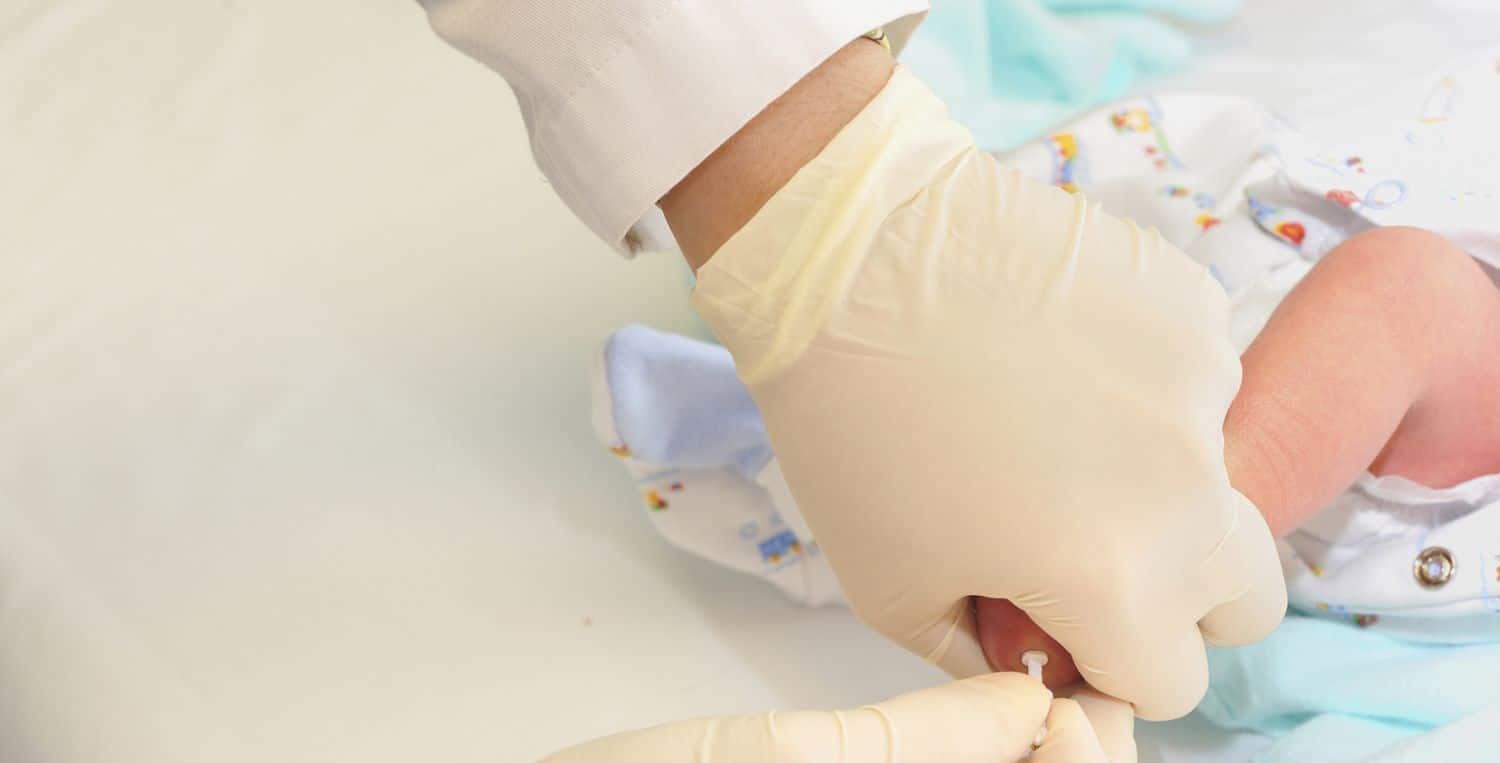
Newborn screening programs introduced routine PKU testing shortly after birth. This simple blood test, taken from a small heel prick, detects elevated phenylalanine levels. Results typically arrive within days, allowing for incredibly early intervention.
This screening transformed PKU from a devastating condition into a manageable one. Children diagnosed early can begin dietary treatment almost immediately. As a result, most children with PKU now develop completely normally.
The Simple Test With Massive Impact
The newborn screening test requires only a few drops of blood. This minimal procedure detects a condition that previously caused severe disability. Few medical advances demonstrate such a dramatic impact from such simple testing.
Why Early Detection Makes All the Difference
Starting dietary treatment within the first few weeks of life prevents brain damage almost entirely. Delayed diagnosis, even by a few months, can result in permanent cognitive effects. This narrow window explains why immediate newborn testing matters so urgently.
Recognizing PKU Without Screening
In rare cases where screening gets missed, certain signs may eventually appear. Babies might develop a distinctive musty odor in their breath or urine. Skin and hair often appear lighter than expected for family genetics.
Without treatment, developmental delays become increasingly apparent over time. Seizures and behavioral problems can also develop in untreated cases. These symptoms underscore why universal newborn screening remains absolutely essential.
Why These Symptoms Develop
Excess phenylalanine affects melanin production, explaining lighter skin and hair coloring. The musty odor results from phenylalanine byproducts excreted in bodily fluids. These visible signs only appear after significant phenylalanine accumulation has already occurred.
How Doctors Confirm a PKU Diagnosis
Following an abnormal newborn screening result, doctors confirm diagnosis through additional blood testing. This follow-up test measures exact phenylalanine levels more precisely. Genetic testing may also help confirm the specific underlying mutation.
Once confirmed, doctors immediately begin guiding families toward appropriate dietary treatment. Quick action during this initial period proves absolutely critical. Delaying confirmation and treatment risks losing valuable time for brain protection.
Why Confirmation Testing Happens So Quickly
Given PKU’s time-sensitive nature, confirmation testing occurs urgently after abnormal screening results. Healthcare teams prioritize rapid follow-up to begin treatment immediately. This urgency reflects just how crucial early intervention truly is.
Managing PKU Through Diet
Treatment for PKU centers primarily around a strict low-phenylalanine diet. This means significantly limiting high-protein foods like meat, eggs, and dairy. Specialized medical formulas provide necessary nutrients without dangerous phenylalanine levels.
Children with PKU require lifelong dietary management for optimal health. Regular blood testing helps monitor phenylalanine levels throughout childhood and beyond. Many adults with PKU continue following modified dietary guidelines into adulthood.
Why Lifelong Management Remains Necessary
Phenylalanine sensitivity doesn’t disappear as children grow older. Maintaining dietary control throughout life helps protect cognitive function continuously. This lifelong commitment, though challenging, allows individuals with PKU to thrive.
Newer Treatment Options Beyond Diet
Some newer medications can help certain individuals process phenylalanine more effectively. These treatments don’t replace dietary management but can provide additional support. Ongoing research continues exploring expanded treatment possibilities for PKU.
Living Well With PKU Today
Thanks to early detection and proper management, most children with PKU develop entirely normally. Regular monitoring and dietary adherence support healthy growth and cognitive development. Many individuals with PKU lead full, successful, unrestricted lives otherwise.
Support from specialized metabolic clinics helps families navigate dietary challenges successfully. Connecting with other PKU families also provides valuable practical guidance. With consistent management, the outlook for children with PKU remains genuinely excellent.
Final Thoughts on Phenylketonuria
Phenylketonuria represents one of medicine’s most remarkable screening success stories. A simple newborn blood test transformed devastating outcomes into excellent ones. This progress beautifully illustrates the power of early detection.
If you have questions about newborn screening results, contact your pediatrician promptly. Early action protects your child’s long-term cognitive health significantly. With proper management, children with PKU can absolutely thrive throughout their lives.
Frequently Asked Questions
Is PKU curable?
PKU isn’t curable, since it stems from a permanent genetic enzyme deficiency. However, lifelong dietary management allows for entirely normal development and health. Most individuals with PKU live full, healthy lives with proper care.
Can adults develop PKU later in life?
No, PKU is present from birth due to inherited genetic factors. It cannot develop later in adulthood. However, undiagnosed mild cases occasionally get identified later through unrelated testing.
Do all babies get screened for PKU?
Most countries, including the United States, require routine newborn screening for PKU. This screening happens shortly after birth through a simple blood test. Universal screening has dramatically reduced PKU-related disability worldwide.
Can someone with PKU eat any protein at all?
People with PKU can eat limited amounts of protein, carefully monitored for phenylalanine content. Complete protein avoidance isn’t necessary or healthy. Specialized dietitians help create balanced, safe meal plans for individuals with PKU.
What happens if PKU goes untreated?
Untreated PKU can cause severe, permanent intellectual disability and neurological problems. Symptoms typically worsen gradually as phenylalanine accumulates over time. This is precisely why early newborn screening proves so critically important.
Disclaimer:
This article is for informational purposes only and does not replace professional medical advice. Please consult a qualified healthcare provider for diagnosis and treatment.
References:
- Birth asphyxia—when babies don’t receive enough oxygen before, during, or immediately after birth—accounts for about 660,000 neonatal deaths yearly.
- A waiting period in health insurance is the period you must wait before certain benefits become active.
- Phenylketonuria results from mutations in the PAH gene (phenylalanine hydroxylase) located on chromosome 12q23.2.
- Phenylketonuria, commonly called PKU, is a rare genetic metabolic disorder that affects how the body processes an amino acid called phenylalanine.
Observer Voice is the one stop site for National, International news, Sports, Editor’s Choice, Art/culture contents, Quotes and much more. We also cover historical contents. Historical contents includes World History, Indian History, and what happened today. The website also covers Entertainment across the India and World.

