

ADHD: Neuroscience, Diagnosis Controversies, and What Actually Helps Children

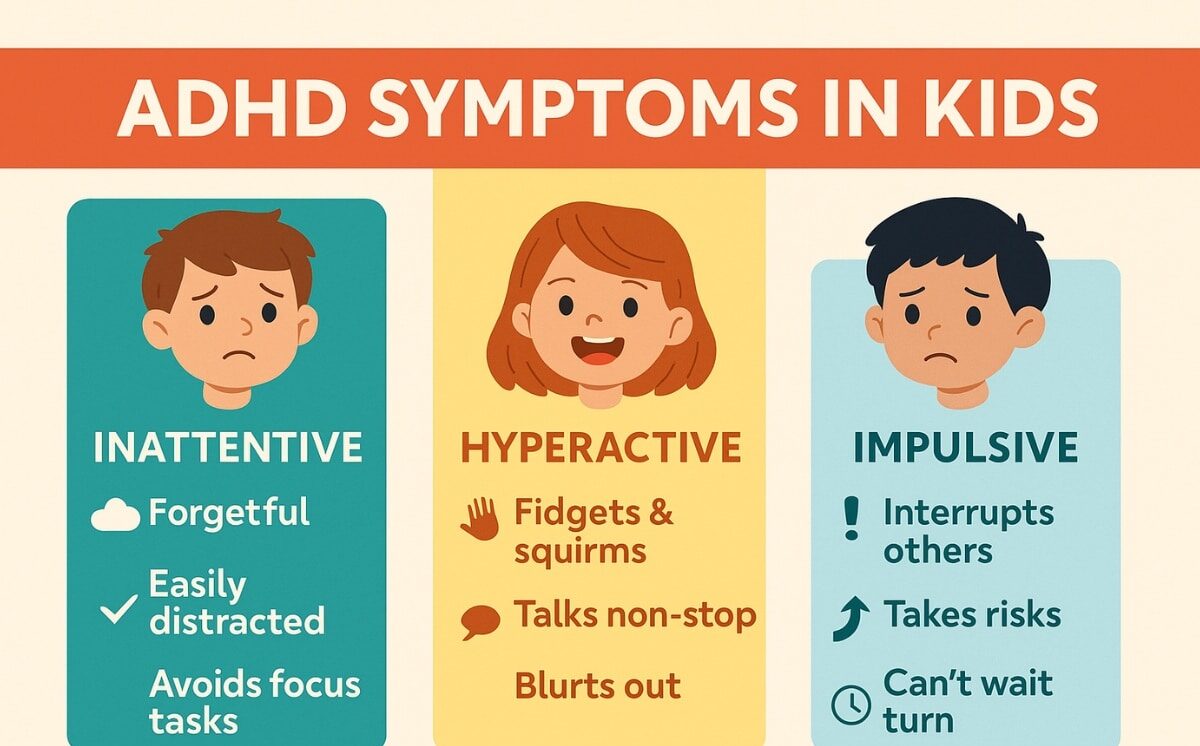
Attention-deficit/hyperactivity disorder, or ADHD, affects how children focus, behave, and regulate impulses. It’s far more than simple restlessness or poor discipline. Genuine brain differences underlie this common childhood condition.
Despite decades of research, misunderstandings about ADHD persist widely. Some people still question whether it’s a real medical condition. Exploring the actual neuroscience helps clarify why ADHD deserves serious, compassionate attention.
Why Misconceptions About ADHD Persist
Many people assume ADHD simply reflects poor parenting or lack of willpower. This misconception ignores substantial scientific evidence supporting genuine brain-based differences. Addressing these myths helps families seek appropriate support without unnecessary stigma.
What Neuroscience Reveals About ADHD
Brain imaging studies show real differences in children with ADHD. Areas controlling attention, impulse control, and planning often develop somewhat differently. These differences affect how efficiently the brain manages certain everyday tasks.
Neurotransmitters, particularly dopamine, also play a significant role. These brain chemicals help regulate motivation and attention regulation. Differences in dopamine activity likely explain many core ADHD symptoms.
Why ADHD Involves More Than Just Behavior
Brain-based research confirms ADHD isn’t simply a behavioral choice. Structural and chemical differences genuinely affect attention and impulse regulation. This evidence reinforces why understanding, rather than blame, benefits children most.
Genetics and Brain Development
ADHD frequently runs in families, suggesting a strong genetic component. Researchers continue identifying specific genes linked to attention regulation. Combined with environmental factors, genetics significantly shapes ADHD’s development.
Why ADHD Diagnosis Remains Controversial
Diagnosing ADHD relies heavily on behavioral observation rather than definitive medical tests. This subjectivity sometimes leads to inconsistent diagnosis rates across different settings. Critics argue this variability raises legitimate questions about diagnostic accuracy.
Additionally, normal childhood energy and curiosity can sometimes resemble ADHD symptoms. This overlap occasionally leads to overdiagnosis concerns among some professionals. Balancing accurate diagnosis with avoiding unnecessary labeling remains an ongoing challenge.
The Challenge of Subjective Assessment
Without a definitive blood test or brain scan, diagnosis depends on careful observation. Different evaluators might interpret similar behaviors somewhat differently. This subjectivity explains much of the ongoing diagnostic debate.
Concerns About Overdiagnosis and Underdiagnosis
Some experts worry certain children receive unnecessary ADHD diagnoses. Others worry many children, particularly girls, go undiagnosed and unsupported. Both concerns highlight the genuine complexity surrounding accurate ADHD identification.
Recognizing the Symptoms
Inattentive symptoms often include difficulty sustaining focus on tasks. Many children also struggle with organization and following multi-step instructions. Forgetfulness regarding daily responsibilities frequently appears too.
Hyperactive-impulsive symptoms include excessive fidgeting or difficulty staying seated. Children might also interrupt conversations or struggle waiting their turn. Some children show primarily inattentive traits, while others show more hyperactive behaviors.
Why Symptoms Look Different in Girls
Girls with ADHD often show subtler, less disruptive symptoms than boys. They might appear dreamy or disorganized rather than overtly hyperactive. This difference frequently contributes to delayed diagnosis among girls specifically.
How Doctors Diagnose ADHD
Diagnosis typically involves detailed interviews with parents, teachers, and the child. Standardized questionnaires help assess symptom frequency and severity. Doctors also rule out other conditions that might explain similar behaviors.
Symptoms must appear consistently across multiple settings, like home and school. This requirement helps distinguish genuine ADHD from situational behavioral challenges. A comprehensive evaluation typically takes place over several appointments.
Why Multiple Perspectives Matter for Diagnosis
Gathering input from parents, teachers, and sometimes the child improves diagnostic accuracy. This comprehensive approach helps confirm symptoms appear consistently across different environments. Relying on just one perspective risks missing important context.
What Actually Helps Children With ADHD
Behavioral therapy consistently shows strong evidence for helping children manage symptoms. This approach teaches practical skills for organization, focus, and emotional regulation. Many families notice significant improvement through consistent behavioral strategies.
Medication also helps many children manage symptoms effectively. Stimulant medications remain the most researched and commonly prescribed option. Combining medication with behavioral therapy often produces the strongest overall results.
Why Behavioral Therapy Builds Lasting Skills
Behavioral therapy teaches children practical tools they can use long-term. These skills support organization, time management, and emotional regulation. Unlike medication alone, these strategies build lasting independence over time.
The Role of School Support and Accommodations
Classroom accommodations, like extended time or reduced distractions, genuinely help many children. Collaborating closely with teachers ensures consistent support across environments. These accommodations often make a meaningful, practical difference daily.
Lifestyle Factors That Support Symptom Management
Regular physical activity helps many children manage excess energy and improve focus. Consistent sleep schedules also significantly support attention and emotional regulation. Structured routines at home further reinforce these supportive lifestyle factors.
Supporting Children and Families Living With ADHD
Understanding ADHD as a genuine neurological difference reduces unnecessary blame and shame. Patience and consistent structure help children thrive despite their unique challenges. Celebrating strengths alongside addressing challenges builds genuine, lasting confidence.
Connecting with other families facing similar experiences offers valuable support. Open communication between parents, teachers, and healthcare providers ensures consistent, effective care. With the right combination of support, children with ADHD can flourish.
Final Thoughts on ADHD in Children
ADHD represents a genuine, well-documented neurological difference, not a character flaw. Understanding the actual neuroscience helps dispel harmful, persistent misconceptions. Effective, evidence-based support truly makes a meaningful difference for children.
If you notice persistent attention or behavioral challenges, seek a thorough evaluation. Early, appropriate support helps children build essential lifelong skills. With understanding and the right combination of strategies, children with ADHD can absolutely thrive.
Frequently Asked Questions
Is ADHD a real medical condition?
Yes, extensive neuroscience research confirms ADHD involves genuine brain-based differences. It’s recognized as a legitimate medical condition by major health organizations worldwide. These differences affect attention regulation, impulse control, and executive functioning.
Can children outgrow ADHD?
Some children see symptoms lessen significantly as they mature. Others continue experiencing ADHD traits into adulthood, sometimes in different forms. Ongoing support helps children develop effective strategies regardless of long-term symptom changes.
Does sugar cause ADHD or worsen symptoms?
Research hasn’t found strong evidence that sugar directly causes or significantly worsens ADHD symptoms. This popular belief remains largely unsupported by rigorous scientific studies. Overall diet and routine matter more than sugar intake alone.
Is medication always necessary for managing ADHD?
Medication isn’t always necessary for every child with ADHD. Many children manage symptoms successfully through behavioral therapy and structured support alone. Treatment decisions should reflect each child’s specific needs and symptom severity.
Can girls and boys show different ADHD symptoms?
Yes, girls often display subtler, less disruptive symptoms compared to boys. This difference frequently leads to underdiagnosis among girls specifically. Increased awareness helps ensure girls receive appropriate evaluation and support too.
Disclaimer:
This article is for informational purposes only and does not replace professional medical advice. Please consult a qualified healthcare provider for diagnosis and treatment.
References:
- Fragile X syndrome results from a mutation in the FMR1 gene (Fragile X Mental Retardation 1) located on the X chromosome at position Xq27.3.
- Cognitive behavioral therapy can help people with ADHD – particularly those who live with distraction in their daily lives – to manage their time better.
- The reverse can also be true: What looks like ADHD — difficulty focusing, restlessness, poor performance — sometimes turns out to be driven primarily by anxiety.
Observer Voice is the one stop site for National, International news, Sports, Editor’s Choice, Art/culture contents, Quotes and much more. We also cover historical contents. Historical contents includes World History, Indian History, and what happened today. The website also covers Entertainment across the India and World.

