

Juvenile Idiopathic Arthritis (JIA): When Joint Inflammation Strikes Children

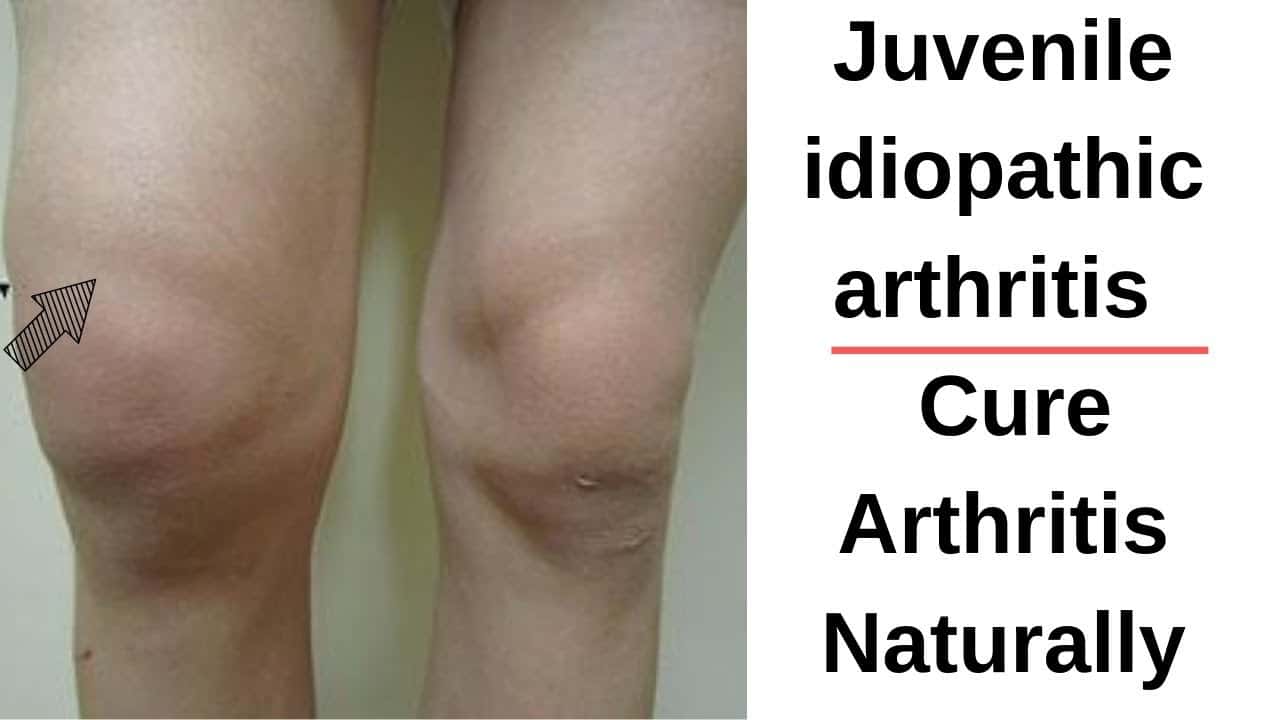
Juvenile idiopathic arthritis, often called JIA, causes joint inflammation in children. It typically appears before age sixteen. Unlike adult arthritis, JIA stems from a developing immune system attacking healthy joint tissue.
The word “idiopathic” simply means the exact cause remains unknown. This condition isn’t caused by injury or normal childhood wear and tear. Instead, it results from an immune system malfunction affecting growing joints.
How JIA Differs From Adult Arthritis
Adult arthritis often results from years of joint wear or aging. JIA, however, develops in children whose joints are still growing. This distinction matters greatly when considering long-term growth and development impacts.
What Causes Juvenile Idiopathic Arthritis
Researchers haven’t pinpointed one exact cause for JIA yet. However, evidence points toward an autoimmune process. This means the immune system mistakenly attacks the child’s own joint tissue.
Genetic factors likely contribute to this immune malfunction. Environmental triggers, such as infections, may also play a role in some cases. Most children with JIA don’t have any clear family history, though.
Why the Immune System Attacks Joints
Normally, your immune system protects against infections and illness. In JIA, this protective system mistakenly targets joint linings instead. This misdirected attack causes ongoing inflammation, swelling, and pain.
Types of Juvenile Idiopathic Arthritis
JIA isn’t just one single condition; it includes several distinct subtypes. Oligoarticular JIA affects four or fewer joints, often larger ones like knees. This subtype represents the most common form found in children.
Polyarticular JIA affects five or more joints, often smaller ones like fingers. Systemic JIA involves widespread inflammation, including fever and rash, alongside joint symptoms. Each subtype requires slightly different monitoring and treatment approaches.
Why Identifying the Subtype Matters
Different JIA subtypes carry varying risks and treatment responses. Accurately identifying the subtype helps doctors predict disease course more effectively. This classification also guides appropriate medication choices from the start.
Recognizing the Symptoms
Joint pain and swelling represent the most common early symptoms. Many children also experience stiffness, especially noticeable in the morning. This stiffness often improves as the day progresses.
Some children develop limping without any clear injury explanation. Fatigue and reduced appetite can also accompany joint symptoms. In systemic JIA, fever and skin rash frequently appear alongside joint involvement.
Why Symptoms Are Sometimes Hard to Spot
Young children often struggle to describe pain clearly and specifically. Parents might initially mistake limping or reluctance to play for simple clumsiness. This communication gap can delay recognition of underlying joint inflammation.
How Doctors Diagnose JIA
Diagnosis begins with a thorough physical examination and detailed symptom history. Doctors look for joint swelling, warmth, and limited range of motion. Persistent symptoms lasting six weeks or longer raise suspicion for JIA.
Blood tests help support diagnosis, though no single test confirms it definitively. Imaging tests, like X-rays or ultrasounds, can reveal joint damage or inflammation. Combining these findings helps doctors reach an accurate diagnosis.
Why Diagnosis Sometimes Takes Time
No single test can confirm JIA with complete certainty. Doctors often need to rule out other conditions causing similar symptoms first. This careful process, while sometimes lengthy, ensures accurate, appropriate treatment.
Treatment Options for Children With JIA
Treatment aims to reduce inflammation, control pain, and preserve joint function. Nonsteroidal anti-inflammatory medications often serve as an initial treatment approach. These medications help manage mild symptoms effectively for many children.
For more significant cases, doctors may prescribe disease-modifying medications. These drugs work to suppress the overactive immune response directly. Biologic medications represent another effective option for moderate to severe JIA.
The Role of Physical Therapy
Physical therapy plays an important supportive role alongside medication. It helps maintain joint flexibility and muscle strength effectively. Regular, gentle exercise also reduces stiffness and supports long-term joint health.
Why Early Treatment Protects Long-Term Health
Starting treatment early helps prevent permanent joint damage significantly. It also supports normal growth and physical development. Delayed treatment, unfortunately, increases the risk of lasting complications.
Living With Juvenile Idiopathic Arthritis
Managing JIA involves more than just medical treatment alone. Regular checkups help monitor disease activity and adjust treatment as needed. School accommodations sometimes become necessary during flare-ups too.
Emotional support matters greatly for children navigating this chronic condition. Connecting with other families facing similar challenges often helps significantly. With proper care, most children with JIA lead active, fulfilling lives.
Final Thoughts on Juvenile Idiopathic Arthritis
Juvenile idiopathic arthritis presents real challenges, but effective treatments exist today. Early recognition and prompt treatment significantly improve long-term outcomes. Understanding this condition helps parents advocate confidently for their children.
If your child shows persistent joint pain or swelling, seek evaluation promptly. Early diagnosis opens the door to better, more effective treatment options. With proper care, children with JIA can thrive both physically and emotionally.
Frequently Asked Questions
Does juvenile idiopathic arthritis go away as children grow older?
Some children outgrow JIA completely as they enter adulthood. Others continue experiencing symptoms that require ongoing management. The outcome often depends on the specific JIA subtype involved.
Is juvenile idiopathic arthritis hereditary?
JIA isn’t typically directly inherited, though genetics may slightly increase susceptibility. Most children with JIA have no family history of the condition. Researchers continue studying genetic factors that might contribute to its development.
Can children with JIA participate in sports and physical activity?
Yes, most children with JIA can safely participate in appropriate physical activities. Regular movement actually helps maintain joint flexibility and overall health. Doctors can recommend specific activities suited to each child’s condition.
Does JIA only affect joints?
While joint inflammation remains the primary symptom, JIA can sometimes affect other body systems. Systemic JIA, specifically, can involve fever, rash, and internal organ inflammation. Regular monitoring helps catch any additional complications early.
Can JIA affect a child’s growth?
Yes, untreated JIA can potentially affect normal growth and bone development. Inflammation and certain medications may impact growth patterns over time. Regular monitoring by a pediatric specialist helps address any growth-related concerns.
Disclaimer:
This article is for informational purposes only and does not replace professional medical advice. Please consult a qualified healthcare provider for diagnosis and treatment.
References:
- India’s Juvenile Justice (Care and Protection of Children) Act was established nearly four decades ago to protect minors and facilitate their reintegration into society.
- The health of juvenile turtle populations is particularly alarming.
- In Shark Bay, juvenile play resembles these adult events, termed consortships. In small same- or mixed-sex groups, juveniles take turns playing the adult “female” and “male” roles.
Observer Voice is the one stop site for National, International news, Sports, Editor’s Choice, Art/culture contents, Quotes and much more. We also cover historical contents. Historical contents includes World History, Indian History, and what happened today. The website also covers Entertainment across the India and World.

