

Sarcoidosis: The Granuloma Disease That Can Attack Almost Any Organ

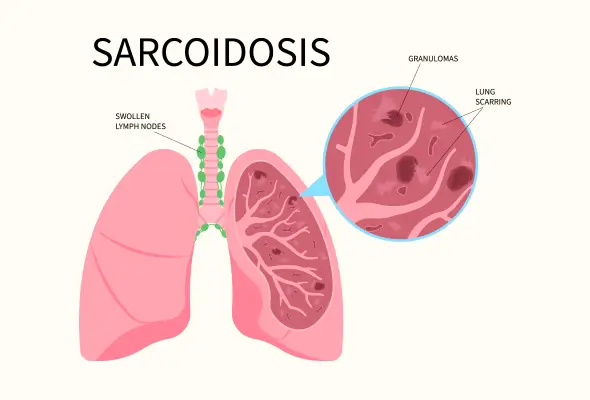
Sarcoidosis is a complex inflammatory disease in which tiny clusters of immune cells, called granulomas, form in various organs throughout the body. These granulomas can appear virtually anywhere, though the lungs and lymph nodes bear the brunt of the disease in most cases. What triggers this abnormal immune response remains one of medicine’s enduring mysteries.
Sarcoidosis affects people of all ages, ethnicities, and genders, but it shows a particular predisposition for adults between 25 and 45 years old. Its unpredictable course, wide-ranging organ involvement, and variable severity make it one of the most challenging conditions in internal medicine. For some people, it resolves quietly without treatment. For others, it becomes a lifelong, debilitating illness requiring sustained medical management.
What Is Sarcoidosis?
Sarcoidosis is a systemic inflammatory disease, meaning it can affect multiple body systems simultaneously. Its defining feature is the granuloma, a tight cluster of macrophages and other immune cells that forms when the immune system attempts to wall off a perceived threat. In sarcoidosis, this process occurs without a confirmed infectious or foreign trigger.
Granulomas themselves are not unique to sarcoidosis. They also appear in tuberculosis, fungal infections, and Crohn’s disease. What distinguishes sarcoidosis is the absence of an identifiable causative agent and the characteristic appearance of non-caseating granulomas, meaning granulomas without the central dead tissue typically seen in tuberculosis.
A Disease of Immune Dysregulation
At its core, sarcoidosis reflects a dysregulated immune response. Something, whether an environmental antigen, a microorganism, or an unknown trigger, activates the immune system in genetically susceptible individuals. Rather than resolving normally, this immune activation persists and drives granuloma formation in affected tissues.
The granulomas themselves may resolve spontaneously, leaving no lasting damage. Alternatively, they may persist for years or eventually transition into fibrosis, replacing functional tissue with permanent scar tissue. This transition toward fibrosis drives the most serious long-term complications of the disease.
How Common Is Sarcoidosis?
Sarcoidosis occurs worldwide but shows striking variation in prevalence across different populations. Global estimates suggest it affects between 10 and 40 people per 100,000 population annually, though true prevalence is likely higher due to undiagnosed cases.
People of African descent, particularly African Americans, experience higher rates of sarcoidosis and tend to develop more severe, multisystem disease. Scandinavian populations also show notably high prevalence. In contrast, East Asian populations report comparatively lower rates.
Age and Gender Patterns
Sarcoidosis most commonly appears in adults aged 25 to 45. A second, smaller peak occurs in women over 50 years old. Women generally experience slightly higher overall rates than men in most studied populations.
The condition rarely affects children, though paediatric sarcoidosis does occur and often presents differently from adult disease, sometimes mimicking juvenile arthritis with joint, skin, and eye involvement rather than predominantly lung disease.
What Causes Sarcoidosis?
Despite decades of research, the precise cause of sarcoidosis remains unknown. Current evidence points toward a combination of genetic susceptibility and environmental or microbial triggers.
Genetic Predisposition
Family clustering of sarcoidosis cases suggests a genetic component. First-degree relatives of people with sarcoidosis carry a significantly elevated risk. Several genes involved in immune recognition and regulation associate with sarcoidosis susceptibility, particularly variants in HLA genes, which govern how the immune system identifies foreign substances.
Genetic factors likely determine both susceptibility to developing sarcoidosis and the pattern of organ involvement in affected individuals.
Environmental and Microbial Triggers
Occupational and environmental exposures associate with increased sarcoidosis risk. Healthcare workers, firefighters, agricultural workers, and people exposed to organic dusts, moulds, and insecticides show higher rates in some studies. The September 11 responders cohort demonstrated elevated sarcoidosis rates, linking intense particulate exposure to disease development.
Microbial triggers, particularly mycobacteria and Propionibacterium acnes, attract ongoing research interest. Several studies have detected mycobacterial antigens within sarcoid granulomas, suggesting these organisms may initiate the immune response even if they do not cause a conventional infection.
The Interaction of Genes and Environment
Most researchers now view sarcoidosis as the result of an environmental trigger activating an abnormal immune response in a genetically predisposed individual. Neither genetic susceptibility nor environmental exposure alone appears sufficient. Their interaction creates the conditions for granuloma formation and disease development.
Organs Affected by Sarcoidosis
One of sarcoidosis’s most distinctive features is its capacity to involve almost any organ in the body. The pattern of involvement varies considerably between individuals.
Lung Involvement
The lungs are the most commonly affected organ, involved in over 90 percent of sarcoidosis cases. Pulmonary sarcoidosis causes inflammation of the lung tissue and airways, leading to breathlessness, dry cough, and chest discomfort. Lymph nodes around the airways frequently enlarge, a finding called bilateral hilar lymphadenopathy, which is a hallmark radiological sign of sarcoidosis.
Doctors stage pulmonary sarcoidosis on chest X-ray from stage zero to stage four, based on the distribution and extent of lymph node and lung involvement. Higher stages generally associate with worse lung function and greater fibrosis risk.
Skin Involvement
Skin involvement affects approximately 25 percent of people with sarcoidosis. Common skin manifestations include erythema nodosum, tender red nodules typically appearing on the shins, and lupus pernio, a chronic purple-red rash affecting the nose, cheeks, and ears.
Erythema nodosum in sarcoidosis typically signals acute disease and carries a relatively good prognosis. Lupus pernio, by contrast, often indicates chronic disease with a higher likelihood of systemic involvement.
Eye Involvement
Eye involvement, called ocular sarcoidosis, occurs in around 25 to 50 percent of cases. Uveitis, inflammation of the middle layer of the eye, is the most common eye manifestation. Uveitis can cause eye pain, redness, blurred vision, and light sensitivity.
Without prompt treatment, ocular sarcoidosis can cause serious complications including glaucoma, cataracts, and permanent vision loss. Regular ophthalmology assessment is therefore essential in all people with sarcoidosis.
Heart Involvement
Cardiac sarcoidosis affects approximately five percent of people clinically, though autopsy studies suggest subclinical cardiac involvement is far more common. Granulomas forming in the heart muscle can disrupt electrical conduction, causing arrhythmias, heart block, and sudden cardiac death.
Cardiac sarcoidosis is one of the most dangerous manifestations of the disease and requires specialist cardiology assessment. Cardiac MRI has become an important tool for detecting myocardial involvement even before symptoms develop.
Nervous System Involvement
Neurosarcoidosis affects roughly five to ten percent of people with sarcoidosis. Granulomas can involve the brain, spinal cord, cranial nerves, and peripheral nerves. Facial nerve palsy, causing one-sided facial weakness, is the most common neurological presentation.
Other neurological features include headaches, cognitive changes, seizures, and endocrine disturbances when granulomas affect the hypothalamus or pituitary gland. Neurosarcoidosis requires particularly aggressive treatment given the potential for serious neurological damage.
Other Organ Involvement
Sarcoidosis can also affect the liver, spleen, kidneys, bones, joints, and salivary glands. Liver and spleen involvement is relatively common but usually causes few symptoms. Kidney involvement can cause hypercalcaemia, meaning elevated blood calcium levels, by increasing vitamin D activation. This hypercalcaemia can lead to kidney stones and, if severe, impaired kidney function.
Symptoms of Sarcoidosis
Sarcoidosis produces an extraordinarily wide range of symptoms depending on which organs granulomas affect. Some people have no symptoms at all, with sarcoidosis discovered incidentally on a chest X-ray performed for another reason.
General Systemic Symptoms
Many people with sarcoidosis experience non-specific systemic symptoms regardless of which organs are involved. Fatigue is the most commonly reported symptom and can be profoundly disabling, affecting daily functioning far beyond what organ-specific symptoms alone might suggest.
Fever, night sweats, unintentional weight loss, and generalised malaise are also common constitutional features, particularly during active disease phases.
Respiratory Symptoms
When the lungs are involved, people typically experience progressive breathlessness on exertion, a dry persistent cough, and sometimes chest tightness or discomfort. These symptoms overlap with many other lung conditions, contributing to diagnostic delays.
In some people, respiratory symptoms are absent despite clear radiological evidence of pulmonary involvement, reflecting a disconnect between imaging findings and functional impact that can complicate clinical assessment.
Löfgren Syndrome
Löfgren syndrome is a specific acute presentation of sarcoidosis characterised by erythema nodosum, bilateral hilar lymphadenopathy, fever, and joint pain, typically affecting the ankles. This presentation carries an excellent prognosis, with spontaneous resolution occurring in the majority of cases within one to two years.
Löfgren syndrome predominantly affects women of Northern European descent and represents one of the most recognisable clinical presentations of sarcoidosis.
Diagnosing Sarcoidosis
No single test confirms sarcoidosis. Diagnosis requires careful integration of clinical features, imaging, laboratory findings, and tissue biopsy in most cases.
Chest Imaging
Chest X-ray and high-resolution CT scanning are central to sarcoidosis diagnosis. Bilateral hilar lymphadenopathy on chest X-ray in a young adult with compatible symptoms raises strong diagnostic suspicion. CT scanning provides greater anatomical detail, revealing lymph node enlargement, ground-glass opacities, nodules along airways, and fibrotic changes in advanced disease.
In classic presentations such as Löfgren syndrome, imaging findings alone may support diagnosis without biopsy.
Tissue Biopsy
Tissue biopsy demonstrating non-caseating granulomas provides the most definitive diagnostic evidence. Bronchoscopy with transbronchial biopsy is the most commonly performed procedure, sampling lung tissue through the airways. Endobronchial ultrasound-guided biopsy of enlarged lymph nodes offers high diagnostic yield with minimal invasiveness.
Skin lesions, when present, offer an accessible and relatively simple biopsy target. Biopsying accessible affected tissue avoids more invasive procedures where possible.
Blood Tests and Biomarkers
Several blood tests support sarcoidosis diagnosis and monitoring. Serum angiotensin-converting enzyme (ACE) levels are elevated in approximately 60 percent of active sarcoidosis cases. However, ACE levels lack specificity, rising in other conditions too. Elevated calcium levels, lymphopenia meaning reduced lymphocytes, and elevated inflammatory markers also occur commonly.
Serum soluble interleukin-2 receptor levels show promise as a more sensitive biomarker of disease activity and are increasingly used in specialist centres.
Additional Investigations
Pulmonary function tests assess the degree of lung impairment. An electrocardiogram and cardiac MRI screen for cardiac involvement. Ophthalmology review detects ocular disease. Brain MRI evaluates neurological involvement when symptoms suggest it.
Comprehensive baseline assessment across multiple organ systems ensures that all significant disease manifestations receive appropriate attention and monitoring.
Treatment of Sarcoidosis
Not all sarcoidosis requires treatment. Many people, particularly those with mild or asymptomatic disease, achieve spontaneous remission without medical intervention. Treatment focuses on suppressing granuloma activity, preventing organ damage, and managing symptoms.
Watchful Waiting
For people with mild pulmonary sarcoidosis, stage one or two disease with preserved lung function, and no significant symptoms, watchful waiting with regular monitoring is appropriate. Regular clinical reviews, lung function tests, and imaging track disease evolution without exposing people to the side effects of unnecessary treatment.
This conservative approach acknowledges that spontaneous remission occurs in up to two-thirds of people with acute sarcoidosis within two years.
Corticosteroids as First-Line Treatment
Systemic corticosteroids, typically oral prednisolone, remain the cornerstone of sarcoidosis treatment when therapy is necessary. Corticosteroids suppress granuloma formation and reduce inflammation effectively across multiple organ systems. Most people experience significant symptom improvement within weeks of starting treatment.
Treatment courses typically last one to two years, with gradual dose reduction to minimise side effects. Long-term low-dose maintenance therapy may be necessary to prevent relapse in some individuals.
Steroid-Sparing Immunosuppressive Agents
When corticosteroids cause unacceptable side effects or prove insufficient, doctors add steroid-sparing immunosuppressive medications. Methotrexate and azathioprine are the most commonly used second-line agents in sarcoidosis. Both suppress the abnormal immune activity driving granuloma formation while allowing corticosteroid doses to reduce.
Hydroxychloroquine, an antimalarial medication, shows particular usefulness for skin and joint manifestations of sarcoidosis.
Biologic Therapies
For refractory sarcoidosis, meaning disease that does not respond adequately to corticosteroids and conventional immunosuppressants, biologic medications targeting tumour necrosis factor-alpha (TNF-α) offer an important treatment option. Infliximab and adalimumab show good evidence for reducing granuloma burden and improving lung function in treatment-resistant disease.
These medications require careful patient selection and monitoring given their immunosuppressive effects and infection risks.
Treating Specific Organ Complications
Different organ manifestations sometimes require organ-specific treatment approaches. Cardiac sarcoidosis with arrhythmias may necessitate antiarrhythmic medications, pacemaker implantation, or implantable defibrillators. Ocular sarcoidosis often requires topical or local corticosteroid eye drops in addition to systemic therapy.
Hypercalcaemia related to sarcoidosis responds to corticosteroids and requires dietary calcium restriction and adequate hydration.
Long-Term Outlook and Prognosis
The long-term outlook for sarcoidosis varies enormously based on the pattern of organ involvement, disease course, and response to treatment.
Spontaneous Remission
Approximately two-thirds of people with acute sarcoidosis achieve spontaneous remission within two years without treatment. Those presenting with Löfgren syndrome have the most favourable prognosis, with remission rates exceeding 80 percent.
Stage one pulmonary sarcoidosis carries a particularly high spontaneous remission rate, often resolving completely without any medical intervention.
Chronic and Progressive Disease
Around 10 to 30 percent of people develop chronic sarcoidosis requiring long-term treatment. Progressive pulmonary fibrosis, advanced cardiac disease, and severe neurosarcoidosis carry the worst prognoses. Pulmonary fibrosis in sarcoidosis can progress to respiratory failure requiring long-term oxygen therapy or, in eligible patients, lung transplantation.
Mortality directly attributable to sarcoidosis occurs in approximately one to five percent of cases, predominantly from respiratory failure, cardiac involvement, and neurosarcoidosis.
Importance of Regular Monitoring
Even people who achieve remission require ongoing periodic assessment. Sarcoidosis can relapse months or years after apparent resolution. Regular clinical reviews, lung function monitoring, and organ-specific assessments ensure that any recurrence receives prompt attention before significant damage develops.
Living With Sarcoidosis
Managing sarcoidosis extends well beyond medical treatment. The physical, psychological, and social dimensions of living with a chronic, unpredictable illness demand comprehensive support.
Fatigue Management
Fatigue is the most disabling symptom for many people with sarcoidosis and often persists even when disease activity appears controlled. Energy conservation strategies, graded exercise programmes, sleep hygiene improvements, and psychological support all contribute to fatigue management.
Specialist sarcoidosis nurses and multidisciplinary rehabilitation teams play an important role in supporting people with chronic fatigue related to sarcoidosis.
Psychological Well-Being
Anxiety and depression are common in sarcoidosis, reflecting the uncertainty of disease course, the burden of symptoms, and the challenges of living with a condition many healthcare providers do not fully recognise or understand. Access to psychological support, patient advocacy groups, and peer communities improves mental health outcomes and overall quality of life.
Patient organisations such as the Foundation for Sarcoidosis Research provide education, community, and advocacy for people living with the condition worldwide.
Frequently Asked Questions
What is sarcoidosis caused by?
The precise cause of sarcoidosis remains unknown. Current evidence suggests that an environmental or microbial trigger activates an abnormal immune response in genetically susceptible individuals, leading to granuloma formation. Identified risk factors include certain occupational exposures, genetic variants in immune genes, and possible microbial triggers including mycobacteria. No single definitive cause has been confirmed.
Is sarcoidosis a serious disease?
Sarcoidosis ranges from mild, self-resolving disease to severe, life-threatening illness. Many people experience spontaneous remission within two years. However, around 10 to 30 percent develop chronic disease, and a small proportion experience life-threatening complications from cardiac, neurological, or advanced pulmonary involvement. The seriousness depends entirely on which organs are affected and how aggressively the disease behaves in each individual.
Can sarcoidosis be cured?
There is no definitive cure for sarcoidosis. However, a large proportion of people achieve complete and sustained remission, either spontaneously or with treatment. Treatment with corticosteroids and immunosuppressive medications effectively controls disease activity in most cases. For people with chronic or refractory disease, long-term management focuses on controlling symptoms and preventing organ damage.
Does sarcoidosis affect life expectancy?
Most people with sarcoidosis have a normal life expectancy. Mortality directly caused by sarcoidosis is low, affecting approximately one to five percent of cases. Death, when it occurs, most commonly results from respiratory failure, cardiac arrhythmias, or neurological complications. Early diagnosis, comprehensive monitoring, and appropriate treatment reduce the risk of life-threatening complications significantly.
Is sarcoidosis hereditary?
Sarcoidosis has a genetic component but does not follow a simple hereditary pattern. First-degree relatives of people with sarcoidosis carry a higher risk than the general population. Several genetic variants associate with increased susceptibility. However, most cases are sporadic with no clear family history, and genetic predisposition alone is insufficient to cause the disease without additional environmental triggers.
Can sarcoidosis affect the heart?
Yes. Cardiac sarcoidosis occurs in approximately five percent of people clinically, though subclinical involvement may be more common. Granulomas in the heart muscle can cause abnormal heart rhythms, heart block, heart failure, and sudden cardiac death. Cardiac sarcoidosis requires specialist evaluation, and cardiac MRI is the most sensitive imaging tool for detecting myocardial involvement early.
Disclaimer:
This article is for informational purposes only and does not constitute medical advice. Always consult a qualified healthcare professional for diagnosis, treatment, or medical guidance related to any health condition.
References:
- Primary Biliary Cholangitis causes variable symptoms depending on disease stage and severity. Many people are asymptomatic in early stages.
- Organ Donation Day is celebrated every year on 13 August in India and various countries of the world.
- A cardiac arrest and a heart attack are distinct yet overlapping concepts associated with the heart.
Observer Voice is the one stop site for National, International news, Sports, Editor’s Choice, Art/culture contents, Quotes and much more. We also cover historical contents. Historical contents includes World History, Indian History, and what happened today. The website also covers Entertainment across the India and World.

