

Idiopathic Thrombocytopenic Purpura (ITP): Low Platelets and the Bruising It Causes

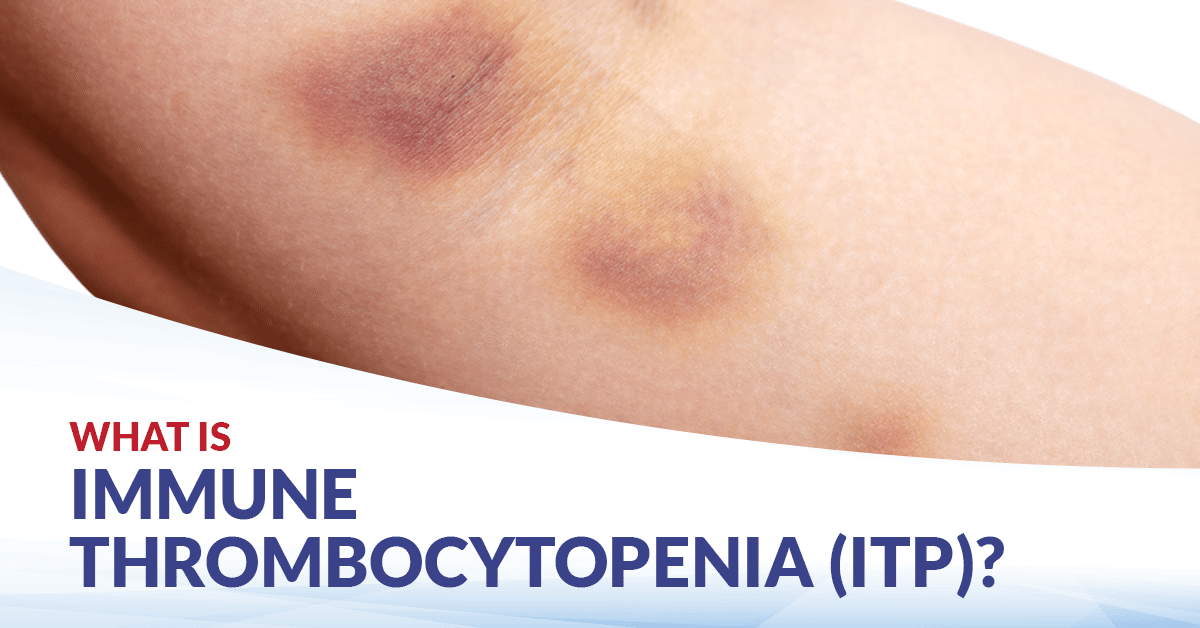
Most people bruise after a knock or fall. However, some people develop bruises without any clear cause, and this can signal something serious happening inside the blood.
Idiopathic thrombocytopenic purpura, known as ITP, is a condition where the immune system destroys the body’s own platelets. Platelets are the tiny cells that stop bleeding by forming clots.
Without enough platelets, even minor pressure on the skin can cause bruising. In more severe cases, ITP can trigger dangerous internal bleeding that demands urgent medical attention.
What Is Idiopathic Thrombocytopenic Purpura?
ITP is an autoimmune bleeding disorder characterised by a low platelet count. The term “idiopathic” traditionally meant the cause was unknown, though doctors now understand the immune system plays a central role.
Today, many specialists prefer the name immune thrombocytopenia, which better reflects its autoimmune origin. Both terms refer to the same condition.
Understanding the Role of Platelets
Platelets are tiny, disc-shaped blood cells produced in the bone marrow. Their primary job is to rush to the site of any blood vessel injury and plug the gap.
A normal platelet count ranges from 150,000 to 400,000 per microlitre of blood. In ITP, this count can drop dramatically, sometimes falling below 20,000, which creates serious bleeding risks.
How ITP Differs From Other Bleeding Disorders
Unlike haemophilia, which involves clotting factor deficiencies, ITP specifically involves platelet destruction. The bone marrow continues producing platelets normally, but the immune system destroys them too quickly.
This distinction matters greatly for diagnosis and treatment. Doctors must confirm the platelet destruction is immune-driven before selecting the right management approach.
What Causes ITP?
In ITP, the immune system mistakenly identifies platelets as foreign invaders. It produces proteins called antibodies that attach to platelets and mark them for destruction.
The spleen, which filters the blood, removes these antibody-coated platelets rapidly. As a result, platelet counts fall far below safe levels.
Triggers That Can Spark ITP
In many cases, ITP develops without any obvious trigger. However, viral infections frequently precede ITP episodes, particularly in children.
Common triggers include influenza, chickenpox, Epstein-Barr virus, and HIV. Certain medications, including some antibiotics and anti-seizure drugs, can also provoke immune-mediated platelet destruction in susceptible individuals.
Primary Versus Secondary ITP
Doctors classify ITP as either primary or secondary. Primary ITP occurs without any underlying condition driving the immune attack.
Secondary ITP develops alongside another illness, such as lupus, antiphospholipid syndrome, or chronic infections like hepatitis C. Identifying secondary ITP is important because treating the underlying condition can resolve the platelet problem directly.
Who Gets ITP?
ITP affects people across all age groups, though it behaves differently depending on age. Children most commonly develop acute ITP following a viral illness, and many recover fully within weeks.
Adults are more likely to develop chronic ITP, which persists for more than twelve months. Chronic ITP affects women more frequently than men, particularly those between 20 and 40 years of age.
ITP During Pregnancy
Pregnancy can trigger or worsen ITP in some individuals. Gestational thrombocytopenia, a mild platelet drop in pregnancy, must be carefully distinguished from true ITP.
Managing ITP during pregnancy requires specialist input from both haematologists and obstetricians. Treatment choices must balance the safety of the pregnant person with the wellbeing of the developing baby.
ITP in Older Adults
Older adults with ITP face additional complexity because they often take medications that also affect bleeding risk. Anticoagulants and antiplatelet drugs commonly used for heart disease can worsen bleeding in the context of low platelet counts.
Age-related changes in the immune system also influence how ITP presents and responds to treatment. Careful individualised assessment guides management in this group.
Recognising the Symptoms of ITP
Many people with ITP have no symptoms at all, particularly when platelet counts remain above 50,000. Doctors often discover ITP incidentally during routine blood tests.
However, as platelet counts fall further, a range of bleeding symptoms can emerge. Recognising these early helps prevent serious complications.
Bruising and Skin Changes
Easy bruising is among the most visible signs of ITP. People often notice large bruises appearing from minimal contact or no apparent injury.
Petechiae are another hallmark of ITP. These are tiny, flat, red or purple dots that appear on the skin, often on the legs or feet, caused by microscopic bleeding under the surface.
Bleeding From Mucous Membranes
ITP frequently causes bleeding from the gums, nose, and mouth. Gum bleeding may occur spontaneously or during routine toothbrushing.
Nosebleeds in ITP can be difficult to control and may last longer than expected. Women with ITP often experience unusually heavy or prolonged menstrual periods, a symptom that sometimes serves as the initial clue to diagnosis.
Warning Signs of Serious Bleeding
Certain symptoms signal potentially life-threatening bleeding and require immediate emergency care. These include blood in the urine or stools, vomiting blood, sudden severe headache, and any signs of neurological change.
Intracranial haemorrhage, meaning bleeding inside the skull, is a rare but extremely serious complication of ITP. Prompt medical evaluation can prevent catastrophic outcomes in these situations.
How Doctors Diagnose ITP
Diagnosing ITP involves ruling out all other possible causes of low platelet count. There is no single definitive test that confirms ITP on its own.
Doctors begin with a full blood count, which reveals the degree of thrombocytopenia. A peripheral blood film then allows visual examination of platelet size and shape under a microscope.
Key Blood Tests in ITP Diagnosis
Blood tests check for antibodies against platelets, though these tests are not always conclusive. Doctors also screen for underlying infections such as HIV, hepatitis B, and hepatitis C, which can cause secondary ITP.
Thyroid function tests and tests for autoimmune conditions such as lupus form part of the standard workup. These results help distinguish primary ITP from secondary forms requiring different treatment.
When Is a Bone Marrow Test Needed?
Most people with ITP do not require a bone marrow biopsy. Doctors consider this test when the diagnosis remains uncertain or when other blood cell lines are abnormal.
A bone marrow biopsy involves removing a small sample of marrow from the hip bone for laboratory analysis. It helps confirm that platelet production is normal, ruling out bone marrow failure or blood cancers.
Treatment Options for ITP
Not every person with ITP requires immediate treatment. When platelet counts remain above 30,000 and bleeding symptoms are absent or mild, doctors may choose careful observation over active intervention.
Treatment becomes necessary when platelet counts fall dangerously low or when bleeding symptoms appear. The goal is to raise platelet counts to a safe level rather than necessarily achieving a normal count.
Corticosteroids as First-Line Treatment
Corticosteroids, most commonly prednisolone or dexamethasone, form the backbone of initial ITP treatment. These medications suppress the immune system’s attack on platelets.
Most people respond well to corticosteroids within days to weeks. However, long-term steroid use carries significant side effects, including bone thinning, weight gain, and elevated blood sugar, which limits their use over extended periods.
Intravenous Immunoglobulin Therapy
Intravenous immunoglobulin, known as IVIG, provides a rapid but temporary boost to platelet counts. Doctors typically use it in emergencies or before surgery when platelet counts need to rise quickly.
IVIG works by blocking the receptors in the spleen that remove antibody-coated platelets. Its effect usually lasts only two to four weeks, making it unsuitable as a sole long-term treatment.
Second-Line and Targeted Therapies
When ITP does not respond to initial treatments, doctors move to second-line options. Rituximab, a targeted therapy that depletes the B cells producing anti-platelet antibodies, achieves remission in a significant proportion of patients.
Thrombopoietin receptor agonists, such as eltrombopag and romiplostim, stimulate the bone marrow to produce more platelets. These oral or injectable agents have transformed long-term management of chronic ITP.
Splenectomy — Removing the Destruction Site
The spleen destroys antibody-coated platelets in ITP. Removing it through a procedure called splenectomy eliminates the primary site of platelet destruction.
Splenectomy achieves long-term remission in approximately 60 to 70% of eligible patients. However, it carries surgical risks and permanently increases susceptibility to certain bacterial infections.
Who Is Suitable for Splenectomy?
Doctors generally consider splenectomy for adults with chronic ITP who have not responded adequately to medications. Patients must receive vaccinations against encapsulated bacteria before the procedure.
Lifelong prophylactic antibiotics or emergency antibiotic supplies are recommended after splenectomy. This precaution reduces the risk of overwhelming post-splenectomy infection, a rare but potentially fatal complication.
Laparoscopic Versus Open Splenectomy
Most splenectomies today use a minimally invasive laparoscopic technique. This approach results in shorter hospital stays, less pain, and faster recovery compared to traditional open surgery.
Open splenectomy remains an option when laparoscopic surgery is not feasible due to spleen size or anatomy. Both approaches achieve comparable outcomes in properly selected patients.
Living With Chronic ITP
Chronic ITP significantly affects daily life. Many people manage ongoing uncertainty about their platelet counts alongside the physical symptoms of the condition.
Fatigue is one of the most commonly reported symptoms in chronic ITP, even when platelet counts are stable. This tiredness often has no direct relationship to bleeding severity, suggesting broader immune and systemic effects.
Activity and Safety Considerations
People with very low platelet counts should avoid contact sports and activities carrying high injury risk. Healthcare teams provide individualised advice based on platelet levels and symptom patterns.
Aspirin and non-steroidal anti-inflammatory drugs such as ibuprofen impair platelet function and should be avoided in ITP. Paracetamol is generally the safer choice for pain relief in this condition.
Emotional Wellbeing and Support
Living with a chronic, unpredictable condition takes a significant emotional toll. Anxiety about bleeding episodes, treatment side effects, and the uncertainty of remission affects mental health considerably.
Support groups, psychological counselling, and patient advocacy organisations play important roles in comprehensive ITP care. People with ITP benefit greatly from holistic care that addresses emotional needs alongside physical management.
Frequently Asked Questions About ITP
What is the main cause of idiopathic thrombocytopenic purpura?
ITP occurs when the immune system mistakenly produces antibodies that attack and destroy platelets. The spleen then removes these damaged platelets from circulation, causing platelet counts to fall. In children, a preceding viral infection often triggers this immune response, while in adults the trigger frequently remains unclear.
Is ITP a serious or life-threatening condition?
For most people, ITP is manageable and does not cause life-threatening complications. However, severe cases with very low platelet counts carry a risk of dangerous bleeding, including rare intracranial haemorrhage. Prompt diagnosis, regular monitoring, and appropriate treatment keep most individuals with ITP safe and symptom-free.
Can ITP go away on its own?
In children, acute ITP often resolves completely without treatment within a few weeks to months. Adults are more likely to develop chronic ITP, which persists beyond twelve months. Even in chronic cases, spontaneous remission can occur, though ongoing medical monitoring remains important for all patients.
How does ITP affect daily life?
Many people with stable ITP live full, active lives with minimal restrictions. Those with very low platelet counts may need to avoid high-risk physical activities and certain medications. Fatigue, anxiety, and the unpredictability of platelet fluctuations can affect quality of life, making psychological support an important part of overall care.
What is the difference between ITP and TTP?
ITP and thrombotic thrombocytopenic purpura (TTP) both cause low platelet counts but are fundamentally different conditions. ITP involves immune destruction of platelets without dangerous clotting. TTP involves widespread microscopic clot formation in small blood vessels, causing organ damage and red blood cell destruction, making it a far more acute medical emergency than ITP.
Understanding ITP Empowers Better Care
Idiopathic thrombocytopenic purpura may sound complex, but its core message is straightforward. The immune system turns against the body’s own platelets, and the resulting low counts cause bruising, bleeding, and sometimes more serious complications.
Advances in treatment have dramatically improved outcomes for people living with ITP. From targeted biologics to bone marrow stimulants, modern medicine offers multiple pathways to achieving safe platelet levels.
Above all, awareness matters. Recognising the early signs of ITP — unexplained bruising, petechiae, and prolonged bleeding — and seeking medical evaluation promptly can prevent serious harm and lead to timely, effective care.
Disclaimer: This article is intended for general informational purposes only. It does not constitute medical advice, diagnosis, or treatment. Always consult a qualified healthcare professional for any medical concerns.
References:
1. TTP is a rare blood disorder where tiny clots form throughout the body’s small blood vessels.
Observer Voice is the one stop site for National, International news, Sports, Editor’s Choice, Art/culture contents, Quotes and much more. We also cover historical contents. Historical contents includes World History, Indian History, and what happened today. The website also covers Entertainment across the India and World.

