

Peripheral Neuropathy: Causes Beyond Diabetes and What to Do About It

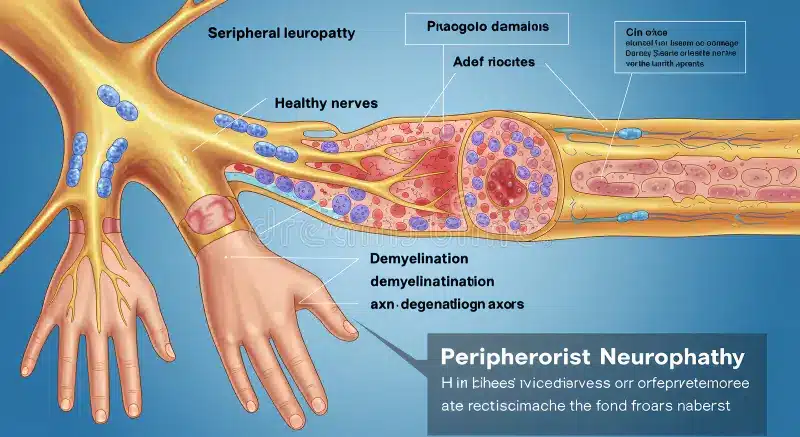
Imagine experiencing progressive numbness in your feet that gradually climbs toward your knees. Your feet feel numb and tingly. You notice difficulty feeling objects with your hands. Your grip strength weakens. Your legs feel weak when climbing stairs. Your feet feel clumsy when walking. You stumble occasionally because of the numbness and weakness. The progressive symptoms interfere with your work and hobbies. You are told you have peripheral neuropathy. You assume it is from diabetes since you have heard of “diabetic neuropathy.” However, your doctor reveals you don’t have diabetes. The neuropathy has a different cause. This discovery—that peripheral neuropathy has many causes beyond diabetes—reflects the reality that peripheral neuropathy results from multiple different conditions damaging peripheral nerves. Peripheral neuropathy is a disease affecting peripheral nerves—the nerves outside the brain and spinal cord. The peripheral nerves transmit motor signals from spinal cord to muscles. The peripheral nerves transmit sensory information from body back to spinal cord. When peripheral nerves are damaged, both motor and sensory functions are impaired. Weakness develops. Sensory loss develops. Neuropathic pain develops. Peripheral neuropathy affects approximately 20 to 30 percent of adults over age 60. Approximately 20 to 40 million Americans have peripheral neuropathy. Peripheral neuropathy is common and causes significant disability. What makes peripheral neuropathy important is the diversity of causes. Diabetes causes approximately 30 to 40 percent of peripheral neuropathy cases. However, many other causes exist. Infections cause neuropathy. Autoimmune diseases cause neuropathy. Genetic disorders cause neuropathy. Toxins and medications cause neuropathy. Nutritional deficiencies cause neuropathy. Cancer and chemotherapy cause neuropathy. Trauma and compression cause neuropathy. Understanding the diverse causes is crucial because different causes require different treatments. In this comprehensive article, we will explore what peripheral neuropathy is, understand the diverse causes beyond diabetes, recognize symptoms and patterns, explore diagnostic methods, and discover how different causes require different management approaches.
Understanding Peripheral Nerve Structure and Function
Before we explore peripheral neuropathy, we need to understand peripheral nerve anatomy and how damage causes symptoms. Peripheral nerves consist of nerve fibers. Nerve fibers are composed of axons—the conducting part of neurons. Myelin sheath insulates axons in larger nerves. Schwann cells produce myelin. Myelin allows rapid conduction of action potentials. Nodes of Ranvier are gaps in myelin. Action potentials jump between nodes—saltatory conduction. Saltatory conduction is rapid. Small unmyelinated nerve fibers lack myelin. Unmyelinated fiber conduction is slower. Unmyelinated fibers transmit pain and temperature sensation. Myelinated fibers transmit touch and proprioception. Motor fibers extend from spinal cord to muscles. Large diameter myelinated motor fibers conduct rapidly. Motor signals control muscle contraction. Sensory fibers extend from body back to spinal cord. Sensory fibers transmit touch, pain, temperature, vibration, proprioception. Different fiber types transmit different sensory modalities. Large diameter sensory fibers transmit touch and vibration. Small diameter sensory fibers transmit pain and temperature. Proprioceptive fibers transmit position sense. Peripheral nerves are organized in bundles. Multiple fascicles contain nerve fibers. Connective tissue surrounds fascicles. Blood vessels supply nerves. Nerves require constant blood flow and oxygen. Nerve damage mechanisms. Demyelination—loss of myelin insulation. Slows conduction. Does not necessarily destroy axons. Axonal degeneration—axons are damaged or destroyed. More severe than demyelination. Slower recovery. Segmental demyelination—focal demyelination. Multifocal demyelination—demyelination at multiple sites. Distal axonal degeneration—axons damaged first distally. Most common pattern in peripheral neuropathy. Proximal to distal progression. The longest nerve fibers are damaged first. The length vulnerability explains why feet are affected before hands. Different neuropathy patterns. Distal symmetric neuropathy—both feet and legs equally affected. Most common pattern. Proximal neuropathy—leg muscles affected predominantly. Multifocal neuropathy—isolated nerves affected. Asymmetric pattern. Mononeuropathy—single nerve affected. Asymmetric. Mononeuropathy multiplex—multiple different nerves affected asymmetrically. Understanding nerve structure explains how different causes damage nerves and why symptoms follow predictable patterns.
What is Peripheral Neuropathy?
Peripheral neuropathy is a disease affecting peripheral nerves causing sensory loss, weakness, or pain. The disease is classified by pattern, cause, and fiber involvement. Pattern classification. Distal symmetric polyneuropathy—most common. Both feet equally affected. Progresses to knees. Symmetric pattern. Proximal neuropathy—hip and thigh muscles affected. Weakness in legs. Proximal predominance. Multifocal or asymmetric neuropathy. Different nerves affected at different sites. Asymmetric pattern. Mononeuropathy—single nerve affected. Carpal tunnel syndrome example. Focal symptoms in one nerve distribution. Mononeuropathy multiplex—multiple different nerves affected over time. Progressive asymmetric pattern. Cause classification. Multiple causes of peripheral neuropathy. Diabetes—most common in developed countries. Approximately 30 to 40 percent of neuropathy. Infections—HIV, leprosy, Lyme disease, others. Autoimmune—Guillain-Barré syndrome, CIDP, vasculitis. Genetic—Charcot-Marie-Tooth, others. Toxic—alcohol, chemotherapy, heavy metals. Nutritional deficiency—B12, B1, B6, E deficiency. Medication side effects—antiretrovirals, chemotherapy, others. Cancer—direct nerve infiltration or paraneoplastic. Trauma—nerve injury, compression. Metabolic—hypothyroidism, renal failure. Inflammatory—sarcoidosis, vasculitis. Fiber type involvement. Large fiber neuropathy. Touch, vibration, proprioception affected. Sensory ataxia from proprioception loss. Gait imbalance. Loss of reflexes. Strength relatively preserved. Small fiber neuropathy. Pain and temperature sensation affected. Neuropathic pain prominent. Autonomic symptoms. Strength preserved. Normal reflexes. Normal large fiber sensory examination. Mixed fiber neuropathy. Both large and small fibers affected. Combined features. Idiopathic peripheral neuropathy. Approximately 25 to 30 percent of neuropathy cases have no identifiable cause. The cause is unknown. Idiopathic neuropathy is diagnosis of exclusion. Common causes are ruled out. The prognosis of idiopathic neuropathy is variable. Some patients stabilize. Some progress slowly. Acute versus chronic neuropathy. Acute neuropathy—develops rapidly over days to weeks. Guillain-Barré syndrome example. Medical emergency. Chronic neuropathy—develops gradually over weeks to months to years. Most neuropathy is chronic. Progressive versus non-progressive neuropathy. Progressive neuropathy—worsens over time. Symptoms become more severe. More nerves become affected. Non-progressive neuropathy—symptoms stable. No worsening. Some improvement possible. Neuropathy severity varies. Mild neuropathy—minimal symptoms. Moderate neuropathy—significant symptoms but functional. Severe neuropathy—severe disability. The classification complexity reflects the diverse presentations of peripheral neuropathy.
Recognizing Peripheral Neuropathy Symptoms: The Diverse Presentations
Peripheral neuropathy symptoms reflect which nerves are affected and what fiber types are damaged. Sensory symptoms are common. Paresthesias—tingling sensation. Usually in feet and hands. Often described as “pins and needles.” Numbness—loss of sensation. Decreased sensation—reduced but not absent. Sensory loss follows distal pattern. Feet affected first. Progresses proximally over time. Large fiber sensory loss. Vibration sense lost. Proprioception lost—loss of position sense. Loss of touch sensation. Reflexes are lost or diminished. Gait becomes unsteady—sensory ataxia from proprioception loss. Small fiber sensory loss. Pain sensation lost. Temperature sensation lost. Neuropathic pain prominent feature. Burning feet—dysesthesia. Electric pain. Shooting pain. Stabbing pain. The pain can be severe and disabling. Weakness is common. Motor nerve involvement causes weakness. Feet weakness—dorsiflexion weakness causes foot drop. Walking becomes difficult. Leg weakness—proximal leg weakness affects hip and knee. Stair climbing difficult. Rising from chair difficult. Hand weakness—grip strength decreases. Fine motor tasks become difficult. Buttoning becomes difficult. Writing becomes difficult. Foot deformities develop. High arches from motor weakness. Curled toes. Foot inversion. Deformities contribute to walking difficulty. Autonomic symptoms occur in some neuropathy. Heart rate and rhythm abnormalities. Blood pressure changes. Sweating abnormalities—excessive or insufficient. Dry skin. Urinary symptoms—difficulty urinating, urinary retention. Sexual dysfunction. Gastrointestinal symptoms—gastroparesis, constipation, diarrhea. The autonomic symptoms indicate more severe nerve involvement. Specific mononeuropathies have characteristic presentations. Carpal tunnel syndrome—hand numbness and tingling. Median nerve compression. Ulnar neuropathy—fourth and fifth finger numbness. Radial neuropathy—wrist drop. Common peroneal neuropathy—foot drop. Tibial neuropathy—foot pain. Femoral neuropathy—thigh pain and weakness. Multifocal presentations. Different nerves affected sequentially. Asymmetric pattern. Progressive asymmetric symptoms. Pain patterns in neuropathy. Neuropathic pain quality—burning, shooting, stabbing, electric. Pain severity variable—mild to severe and disabling. Pain location—usually feet, can be anywhere. Pain worse at night—sleep disruption common. Pain triggered by touch—allodynia. Light touch causes pain. Pain triggered by movement. Hyperalgesia—excessive pain response to stimuli. Pain patterns reflect fiber involvement. Small fiber loss causes severe pain. Large fiber loss causes numbness and ataxia. Mixed fiber loss causes combined symptoms. Functional impact. Disability from sensory loss. Falling from ataxia and weakness. Foot ulcers from sensory loss. Infection from ulcers. Functional loss. Difficulty with work. Difficulty with ADLs. Difficulty with walking. Assistive devices needed. Psychological impact. Depression from chronic pain. Anxiety from progressive symptoms. Loss of independence. Sleep disruption. The diverse symptom patterns reflect the diverse causes and severity of peripheral neuropathy.
Diverse Causes of Peripheral Neuropathy Beyond Diabetes
Understanding the multiple causes of peripheral neuropathy helps explain why different patients need different treatments. Diabetes is the most common cause. Approximately 30 to 40 percent of peripheral neuropathy in developed countries. Hyperglycemia damages nerves. High blood sugar damages blood vessels supplying nerves. Ischemia develops. Sorbitol accumulation damages myelin. Advanced glycation end products (AGEs) damage nerves. Inflammatory mediators accumulate. Neuronal oxidative stress. Multiple mechanisms cause diabetic neuropathy. Infections cause neuropathy. HIV causes distal sensory polyneuropathy. Approximately 50 to 70 percent of HIV patients develop neuropathy. Viral infection damages nerves. Antiretroviral medications also cause neuropathy. Leprosy causes mononeuropathy or polyneuropathy. Mycobacterium leprae directly damages nerves. Endemic in some countries. Lyme disease—Borrelia burgdorferi infection. Causes mononeuropathy or polyneuropathy. Endemic in certain regions. Hepatitis C causes neuropathy. Viral infection and immune response. Epstein-Barr virus causes neuropathy. Cytomegalovirus causes neuropathy. Syphilis causes neuropathy. Neurosyphilis can cause sensory ataxia. Autoimmune diseases cause neuropathy. Guillain-Barré syndrome—acute immune attack on myelin. Descending paralysis. Medical emergency. CIDP (chronic inflammatory demyelinating polyneuropathy). Chronic relapsing-remitting course. Responds to IVIG and plasma exchange. Vasculitis causes neuropathy. Vasculitis is inflammation of blood vessels. Nerve blood vessels inflamed. Nerve ischemia. Mononeuropathy multiplex pattern. Lupus causes neuropathy. Systemic lupus erythematosus. Immune-mediated. Sjögren’s syndrome causes neuropathy. Sarcoidosis causes neuropathy. Multiple myeloma and other malignancies cause neuropathy. Paraneoplastic mechanism. Direct malignancy effect. Chemotherapy causes neuropathy. Platinum-based agents. Taxanes. Vinca alkaloids. Other chemotherapy drugs. Toxic neuropathy. Dose-dependent. Can be reversible if caught early. Cancer infiltration—direct nerve infiltration. Compression neuropathy. Hereditary neuropathy. Charcot-Marie-Tooth disease. Familial amyloid polyneuropathy. Other genetic neuropathies. Alcohol causes neuropathy. Alcohol toxicity damages nerves. Often combined with nutritional deficiency. Thiamine (B1) deficiency. Alcohol impairs thiamine absorption. Wernicke encephalopathy and neuropathy. B12 deficiency causes neuropathy. Pernicious anemia. Dietary inadequacy. Gastrointestinal disease. Strict vegan diet. B6 deficiency. Vitamin E deficiency. Folate deficiency. Copper deficiency. Medications cause neuropathy. Antiretrovirals—stavudine, didanosine, zalcitabine. Chemotherapy agents. Metronidazole. Isoniazid. Nitrofurantoin. Vincristine. Doxorubicin. Cisplatin. Many others. Toxins cause neuropathy. Heavy metals—lead, mercury, arsenic. Occupational exposure. Organic solvents. Industrial exposure. Sarin gas. Nerve agent. Glue and solvent abuse. Metabolic causes. Hypothyroidism. Renal failure—uremia. Liver disease—hepatic encephalopathy. Porphyria. Amyloidosis. Direct amyloid deposition in nerves. Inflammatory causes. Sarcoidosis. Vasculitis. Inflammatory bowel disease. Trauma causes neuropathy. Nerve injury—transection, stretch, compression. Compartment syndrome. Prolonged compression—pressure ulcer. Radiation causes neuropathy. Radiation to extremity. Delayed neuropathy months to years later. Idiopathic—cause unknown. Approximately 25 to 30 percent. Diagnosis of exclusion. The diversity of causes explains why proper evaluation and diagnosis are crucial for appropriate treatment.
Diagnosis: Identifying the Cause and Severity
Diagnosing peripheral neuropathy requires clinical assessment, electrodiagnostic testing, and appropriate investigations to identify cause. Clinical history. Symptom onset. Were symptoms sudden or gradual? Timeline of progression. Duration of symptoms. Symptom characteristics. Sensory symptoms—numbness, tingling, pain. Motor symptoms—weakness. Location—feet, hands, or both. Pattern—symmetric or asymmetric. Associated symptoms. Autonomic symptoms—sweating, urinary. Systemic symptoms—fever, weight loss. Risk factor history. Diabetes history. Alcohol use. Medication history. Occupational exposures. Toxic exposures. Infection history. Prior infections. Family history. Family members with neuropathy. Genetic neuropathy. Physical examination. Sensory examination. Vibration sense—tuning fork. Large fiber function. Proprioception—position sense testing. Light touch—cotton swab. Pain sensation—pin prick. Temperature sensation. Small fiber function. Reflexes. Deep tendon reflexes. Patellar reflex. Ankle reflex. Areflexia or hyporeflexia. Motor examination. Muscle strength. Distal versus proximal. Muscle atrophy. Visible wasting. Gait assessment. Gait abnormality. Foot drop. High-stepping gait. Ataxic gait. Autonomic examination. Orthostatic vital signs. Pupil assessment. Skin changes. Dry skin. Hairless areas. Skin thickening. Foot deformities. Calluses. Ulcers. Nerve conduction studies. Motor nerve conduction velocity. Slowed conduction suggests demyelination. Amplitude—reduced amplitude suggests axonal loss. F-waves. Prolonged latencies. H-reflex. Electromyography (EMG). Motor units assessed. Denervation—fibrillations, positive sharp waves. Chronic changes—large polyphasic units. Recruitment pattern. Quantitative sensory testing. Vibratory threshold testing. Temperature threshold testing. Quantifies sensory loss. Blood tests. Glucose—screen for diabetes. Hemoglobin A1c—diabetes assessment. Renal function. Electrolytes. Liver function tests. Thyroid function. B12 level. Folate level. Copper level. Vitamin E level. Syphilis serology. HIV testing if appropriate. Hepatitis C serology. Autoimmune panel if vasculitis suspected. Protein electrophoresis if multiple myeloma suspected. Genetic testing. For genetic neuropathies—CMT testing. Familial amyloid polyneuropathy testing. Imaging. MRI—identifies structural problems. Nerve imaging. Bone imaging if trauma. CT chest—if malignancy suspected. Nerve biopsy. Rarely performed. Confirms diagnosis in uncertain cases. Shows pathology. Lumbar puncture. CSF analysis. Elevated protein in inflammatory neuropathy. Antibody testing. Assesses specific causes. Anti-Hu, anti-Yo—paraneoplastic. Ganglioside antibodies—GBS, Miller Fisher. Diagnosis requires integration of clinical findings, electrodiagnostic testing, and appropriate investigations. The goal is identifying the underlying cause so specific treatment can be initiated.
Treatment: Cause-Specific and Symptomatic Approaches
Peripheral neuropathy treatment depends on the underlying cause. Cause-specific treatment when possible. Diabetes management. Glycemic control—blood sugar management. Reduces progression. A1c target less than 7 percent. Insulin or oral medications. Exercise helps. Weight loss helps. Infection treatment. Antibiotics for bacterial infection. Antiretroviral therapy for HIV. Antiviral therapy for viral infections. Immune-mediated neuropathy treatment. IVIG—intravenous immunoglobulin. Guillain-Barré syndrome. CIDP. Plasma exchange. Alternative to IVIG. Vasculitis treatment. Immunosuppression. Corticosteroids. Cyclophosphamide. Other immunosuppressive agents. B12 replacement. Supplementation for B12 deficiency. Oral or intramuscular. Thiamine replacement. For alcohol-related neuropathy. Folate replacement. Vitamin E replacement. Nutritional support. Medication withdrawal. Remove offending medication if possible. Chemotherapy completion. Stabilizes neuropathy if caught early. Alcohol cessation. Essential for alcohol neuropathy. Stops progression. May allow some recovery. Tumor treatment. Treating underlying malignancy. Reduces paraneoplastic neuropathy. Chemotherapy management. Using alternative agents if possible. Dose reduction. Combined therapies reduce neuropathy risk. Symptomatic treatment when cause-specific treatment not available. Neuropathic pain treatment. First-line: Gabapentin or pregabalin. Anticonvulsants. Increase dosage gradually. Tricyclic antidepressants. Amitriptyline. Nortriptyline. Pain relief and sleep improvement. SNRI antidepressants. Venlafaxine. Duloxetine. Topical agents. Capsaicin cream. Lidocaine patches. Local pain relief. NSAIDs. For mild pain. Opioids. Reserved for severe pain unresponsive to other treatment. Addiction risk. Constipation. Interdisciplinary pain management. Physical therapy. Strengthening exercises. Balance training. Gait training. Assistive device training. Occupational therapy. Hand function training. Adaptive equipment. ADL assistance. Foot care. Daily inspection. Preventing ulcers. Podiatry care. Orthotic devices. Ankle-foot orthosis for foot drop. Insoles for pressure relief. Shoes with proper support. Bracing if needed. Assistive devices. Canes. Walkers. Wheelchair if needed. Psychological support. Counseling for depression and anxiety. Antidepressants if indicated. Support groups. Mental health care. Sleep management. Sleep aids if needed. Sleep hygiene. Pain-related sleep disruption addressed. Autonomic dysfunction treatment. Blood pressure management. Orthostatic hypotension treatment—compression stockings, fluids, midodrine. Sweating abnormalities. Anticholinergics if excessive. Moisture-wicking clothing. Gastrointestinal symptoms. Metoclopramide for gastroparesis. Laxatives for constipation. Antidiarrheals for diarrhea. Sexual dysfunction. Erectile dysfunction medications if indicated. Sexual counseling. Vacuolar treatment options under investigation. Alpha-lipoic acid. Antioxidant. Some benefit in diabetic neuropathy. Pregabalin. FDA-approved for neuropathic pain. Gabapentin. FDA-approved for postherpetic neuralgia. Not specifically approved for neuropathy but widely used. Duloxetine. FDA-approved for diabetic neuropathy. Novel treatments. Stem cell therapy—experimental. Gene therapy—experimental. The combination of cause-specific treatment when possible plus symptomatic treatment provides optimal outcomes. Regular monitoring allows adjustment of treatment as needed.
Living with Peripheral Neuropathy: Adaptation and Management
Living with peripheral neuropathy requires lifestyle adaptation, safety precautions, and comprehensive management. Foot care is crucial. Daily foot inspection. Looking for ulcers, calluses, redness. Early problem detection. Moisture control. Keeping feet dry. Prevention of fungal infection. Proper footwear. Supportive shoes. Proper fit. Avoiding high heels. Regular professional foot care. Podiatry evaluation. Toenail care. Callus removal. Ulcer treatment. Moisturizing feet—appropriate moisturizers. Avoiding extreme temperatures. Risk of burns from neuropathy. Testing water temperature before bathing. Avoiding hot pads. Preventing falls. Clear pathways. Adequate lighting. Handrails in bathrooms. Assistive devices—canes, walkers. Physical therapy for balance. Muscle strengthening. Fall prevention exercises. Activity modifications. Avoiding risky activities. Heights. Water activities without supervision. Driving limitations—if severe neuropathy affecting feet. Gait assessment before driving. Occupational adaptation. Modified work duties. Reduced hours. Work-from-home option. Ergonomic modifications. Career counseling if change needed. Shoe modifications at work. Breaks for foot elevation. Social adaptation. Participation in activities within tolerance. Modified hobbies. Adaptive equipment. Social engagement maintained. Relationships. Family education about neuropathy. Communication about limitations. Emotional support. Pain management coping. Acceptance of pain. Not letting pain define self. Distraction techniques. Mindfulness. Pain diary to track patterns. Medication adherence. Taking medications consistently. Understanding medication purpose. Side effect management. Regular follow-up. Healthcare provider visits. Monitoring progression. Adjusting treatment. Complication surveillance. Psychological health. Mental health screening. Depression identification. Anxiety management. Counseling if needed. Support groups. Nutrition. Balanced diet. Nutritional deficiency prevention. Supplementation if needed. Exercise. Regular exercise within tolerance. Walking. Swimming. Cycling. Resistance training as tolerated. Cardiovascular health. Sleep. Sleep hygiene. Pain-related sleep disruption addressed. Sleep aids if needed. Regular schedule. Temperature control. Stress management. Stress reduction techniques. Relaxation. Meditation. Yoga. Therapeutic activities. Family support. Caregiver education. Understanding neuropathy. Emotional support. Practical assistance. Financial planning. Healthcare costs. Work loss if unable to work. Disability benefits if needed. Long-term planning. Assistive device costs. Home modification costs. Advocacy. Learning about neuropathy. Supporting research. Helping others understand. The adaptation to peripheral neuropathy is individual. The goal is maintaining quality of life and independence as much as possible. Comprehensive management and support optimize outcomes.
Frequently Asked Questions (FAQs)
Q1: Is peripheral neuropathy always progressive?
Not necessarily. Some neuropathy is non-progressive—remains stable. Some neuropathy is progressive—worsens over time. Progression depends on cause and severity. Diabetes neuropathy—usually progressive if blood sugar not controlled. Chemotherapy neuropathy—might plateau after treatment completion. Infectious neuropathy—depends on treating underlying infection. Idiopathic neuropathy—variable, often stable long-term. Individual prognosis is uncertain. Regular monitoring helps detect progression early.
Q2: Can peripheral neuropathy be reversed?
Some neuropathy can be reversed or significantly improved. B12 deficiency neuropathy—improves with B12 replacement if caught early. Some medication neuropathy—improves after stopping offending medication. Compressive neuropathy—improves with surgery. Inflammatory neuropathy—improves with immune therapy. Diabetes neuropathy—cannot be reversed but progression slows with good control. Axonal degeneration—permanent loss of axons. Recovery limited. Demyelinating neuropathy—better recovery potential. Myelin can regenerate. Early intervention optimizes recovery potential.
Q3: What is the difference between mononeuropathy and polyneuropathy?
Mononeuropathy—single nerve affected. Carpal tunnel syndrome example. Focal symptoms in one nerve distribution. Polyneuropathy—multiple nerves affected. Usually symmetric. Both feet and both hands equally affected. Mononeuropathy multiplex—multiple different nerves affected. Asymmetric pattern. Develops over time. The pattern helps identify cause. Symmetric polyneuropathy suggests diabetes or toxin. Mononeuropathy suggests compression or localized problem.
Q4: Can I prevent peripheral neuropathy?
Prevention depends on cause. Diabetes prevention—weight loss, exercise, diet. Reduces diabetes neuropathy risk. Alcohol avoidance or moderation. Reduces alcohol neuropathy. Infection prevention—hygiene, safe practices. Reduces infection neuropathy risk. Occupational safety. Avoiding toxic exposures. Nutritional adequacy. Proper diet. Preventing deficiency. Medications—avoiding unnecessary medications. Discussing neuropathy risk with providers. Not all neuropathy is preventable—genetic neuropathy cannot be prevented. However, preventing modifiable causes reduces neuropathy risk.
Q5: What causes idiopathic neuropathy when no cause is found?
Idiopathic neuropathy—cause unknown despite thorough evaluation. Approximately 25 to 30 percent of neuropathy cases. Possible causes. Undetected diabetes. Nutritional deficiency missed. Genetic neuropathy not identified. Autoimmune neuropathy undetected. Toxic exposure not recalled. Medication effect not recognized. True idiopathic—genuinely no identifiable cause. Prognosis is variable. Some idiopathic neuropathy stable. Some progress slowly. Some eventually identified cause on further evaluation. Management is symptomatic treatment. Regular follow-up may identify cause later.
Key Takeaways
Peripheral neuropathy is disease affecting peripheral nerves causing sensory loss, weakness, or pain. Affects approximately 20 to 30 percent of adults over 60. Approximately 20 to 40 million Americans have neuropathy. Multiple causes beyond diabetes. Diabetes—approximately 30 to 40 percent. Infections—HIV, hepatitis C, leprosy, Lyme disease, others. Autoimmune—Guillain-Barré syndrome, CIDP, vasculitis, lupus. Genetic—Charcot-Marie-Tooth, familial amyloid. Chemotherapy—platinum, taxanes, vinca alkaloids. Nutritional deficiency—B12, thiamine, B6, folate. Alcohol. Heavy metals. Medications—antiretrovirals, others. Metabolic—hypothyroidism, renal failure. Idiopathic—unknown cause, 25-30 percent. Most common presentation—distal symmetric polyneuropathy. Feet affected equally and first. Symptoms include numbness, tingling, pain, weakness. Proprioception loss causes gait imbalance. Sensory loss causes foot ulcers. Neuropathic pain is severe and disabling. Autonomic involvement causes heart, blood pressure, sweating, urinary symptoms. Diagnosis clinical—sensory/motor examination. Electrodiagnostic testing—NCS and EMG. Appropriate investigations identify cause. Treatment depends on cause. Diabetes—glucose control. Infection—treat underlying infection. Immune neuropathy—IVIG, plasma exchange. B12 deficiency—B12 supplementation. Alcohol—alcohol cessation. Chemotherapy—completion and supportive care. Symptomatic treatment—gabapentin, pregabalin, tricyclics for pain. Physical therapy maintains function. Foot care prevents ulcers. Assistive devices improve safety. Psychological support for emotional impact. Early diagnosis and cause identification crucial. Cause-specific treatment when possible. Symptomatic treatment for pain management. Regular monitoring tracks progression. Prevention of modifiable causes reduces risk.
References
- World Health Organization (WHO). “Peripheral Neuropathy and Nerve Disorders.” Retrieved from https://www.who.int/
- American Academy of Neurology. “Peripheral Neuropathy: Clinical Guidelines.” Retrieved from https://www.aan.com/
- Mayo Clinic. “Peripheral Neuropathy: Causes and Management.” Retrieved from https://www.mayoclinic.org/
- Cleveland Clinic. “Peripheral Neuropathy: Complete Information.” Retrieved from https://my.clevelandclinic.org/
- National Institute of Neurological Disorders and Stroke. “Peripheral Neuropathy.” Retrieved from https://www.ninds.nih.gov/
- Neuropathy Action Foundation. “Patient Resources and Education.” Retrieved from https://www.neuropathyaction.org/
Related Articles on ObserverVoice.com
Explore more health and science topics on our platform:
- Diabetes: Understanding Prevention and Management
- Neuropathic Pain: Understanding Nerve Pain and Treatment
- Autoimmune Diseases: Understanding Immune System Dysfunction
- Infections: Understanding Bacterial, Viral, and Parasitic Diseases
- Nutritional Deficiencies: Understanding Vitamin and Mineral Deficiency
- Living with Chronic Nerve Disease: Adaptation and Support
Disclaimer
This article adapts publicly available information from WHO sources. This content is for informational and educational purposes only and does not constitute medical advice. [ObserverVoice.com] is a news and information platform — not a healthcare provider. If you experience numbness, tingling, weakness, or neuropathic pain, consult a qualified physician or neurologist for proper evaluation and diagnosis. Peripheral neuropathy has multiple causes requiring different treatments. Early diagnosis and identification of cause enable appropriate treatment. Cause-specific treatment when possible provides best outcomes. Symptomatic treatment helps manage pain and maintain function. Always seek guidance from licensed healthcare specialists for diagnosis and treatment.
Observer Voice is the one stop site for National, International news, Sports, Editor’s Choice, Art/culture contents, Quotes and much more. We also cover historical contents. Historical contents includes World History, Indian History, and what happened today. The website also covers Entertainment across the India and World.

