

Kidney Stones: Types, Causes, Prevention, and Pain Relief

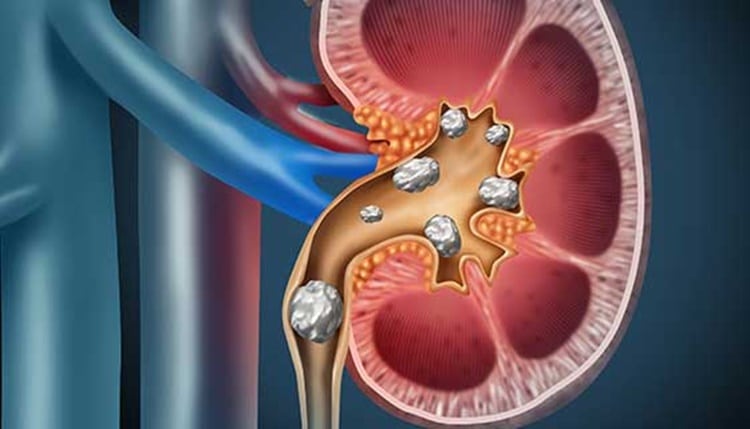
Few medical conditions announce themselves as dramatically as a kidney stone. The pain arrives suddenly, builds rapidly, and can become so severe that it sends people straight to an emergency room. However, despite being intensely painful, kidney stones are very common — and in many cases, entirely preventable.
Kidney stones are hard mineral deposits that form inside the kidneys when certain substances in the urine become too concentrated. They range in size from a grain of sand to a pea — or occasionally larger. Small stones often pass through the urinary system on their own. Larger stones can block the flow of urine and cause serious complications.
Kidney stones types causes prevention pain management covers everything from why stones form in the first place to how doctors treat them and how patients can stop them from coming back. Furthermore, understanding the specific type of stone a person develops is essential because each type has different dietary and medical prevention strategies. Consequently, this knowledge gives patients real power to reduce their risk and protect their kidneys long term.
Quick Answer
Kidney stones are hard mineral deposits that form in the kidneys when urine becomes too concentrated. They cause severe pain, blood in the urine, and sometimes blockage of urine flow. The four main types are calcium oxalate, uric acid, struvite, and cystine stones. Most small stones pass naturally, while larger ones need medical treatment.
What Are Kidney Stones and How Do They Form?
The Stone Formation Process
Kidneys filter waste products from the blood and produce urine — a concentrated solution of water, salts, and minerals. In healthy urine, special substances called inhibitors prevent these minerals from clumping together. However, when the balance tips — either because mineral concentrations rise too high or because inhibitor levels fall too low — crystals begin to form.
These crystals are microscopic at first. Over time, however, they attract more minerals and grow into solid stones. The process can take weeks, months, or even years. Many people have small crystals in their kidneys without knowing it. A stone only causes problems when it grows large enough to block urine flow or moves from the kidney into the narrow tubes — called ureters — that connect the kidneys to the bladder.
Risk Factors for Stone Formation
Several factors increase the risk of developing kidney stones. Low fluid intake is the single most important risk factor. When a person does not drink enough water, urine becomes highly concentrated and minerals are more likely to crystallise. Moreover, diet plays a major role — high intake of sodium, animal protein, and oxalate-rich foods raises stone risk significantly.
Other risk factors include obesity, certain metabolic conditions, a family history of kidney stones, recurrent urinary tract infections, some medications, and conditions that affect how the gut absorbs nutrients. Furthermore, people who have already passed one kidney stone face a roughly 50% chance of developing another within ten years without preventive measures. Consequently, identifying and addressing personal risk factors after a first stone is critically important. For context on how kidney conditions affect long-term kidney health, see our article on chronic kidney disease stages, symptoms, and how to slow the decline.
Types of Kidney Stones
Calcium Oxalate Stones
Calcium oxalate stones are the most common type, accounting for roughly 75 to 80% of all kidney stones. They form when calcium and oxalate — a substance found naturally in many foods — bind together in the urine. High oxalate foods include spinach, nuts, chocolate, tea, and beetroot. However, reducing calcium intake is not the answer — in fact, adequate dietary calcium binds oxalate in the gut and reduces the amount reaching the kidneys.
Therefore, the most effective dietary strategy for calcium oxalate stones is reducing oxalate-rich foods, maintaining adequate calcium intake from food sources, reducing sodium, and drinking plenty of water throughout the day.
Uric Acid Stones
Uric acid stones form when urine becomes too acidic. Uric acid is a waste product produced when the body breaks down purines — substances found in red meat, organ meats, shellfish, and alcohol. When urine pH falls too low, uric acid crystallises and forms stones. Uric acid stones are more common in people with gout, diabetes, obesity, and those who eat high-protein diets.
In addition, uric acid stones are the only type that can dissolve with treatment — specifically by making the urine less acidic with potassium citrate or sodium bicarbonate. Consequently, accurate stone type identification through stone analysis after passing or surgical removal directly changes the treatment approach.
Struvite Stones
Struvite stones — also called infection stones — form in response to certain bacterial infections in the urinary tract. Specific bacteria produce an enzyme called urease that breaks down urea in the urine into ammonia, making the urine alkaline. This alkaline environment encourages the growth of struvite — a mineral made of magnesium, ammonium, and phosphate.
Struvite stones can grow very quickly and become very large — sometimes filling the entire kidney collecting system. These are called staghorn stones because of their branching shape. Furthermore, struvite stones are more common in women because urinary tract infections are more prevalent in women. Treating and preventing urinary tract infections is therefore the key strategy for preventing struvite stones.
Cystine Stones
Cystine stones are the rarest type and result from a genetic condition called cystinuria. In cystinuria, the kidneys fail to reabsorb an amino acid called cystine, causing it to accumulate in the urine and crystallise. Cystine stones are harder to treat than other types and tend to recur despite treatment. High fluid intake — often more than three litres per day — is the cornerstone of management, alongside medications that reduce cystine crystallisation.
Symptoms of Kidney Stones
Recognising Stone Pain
Kidney stones types causes prevention pain management begins with recognising the pain. Stone pain — called renal colic — is one of the most severe types of pain a person can experience. It typically begins suddenly in the flank — the area between the ribs and hip on one side — and radiates down toward the groin and inner thigh as the stone moves through the ureter.
The pain comes in waves. It builds to a peak, eases slightly, then builds again. Furthermore, nausea and vomiting commonly accompany the pain, making it even more distressing. Blood in the urine — visible as red, pink, or brown-coloured urine — occurs because the stone scratches the lining of the ureter as it moves. Moreover, a frequent and urgent need to urinate develops as the stone approaches the bladder.
Warning Signs Requiring Emergency Care
Most kidney stone pain, though severe, is not immediately life-threatening. However, some associated symptoms require emergency medical attention. High fever combined with kidney stone pain signals a urinary tract infection behind a blocked ureter — called obstructive uropathy. This is a medical emergency because infection behind a blockage can spread rapidly to the bloodstream and cause life-threatening sepsis.
In addition, complete inability to pass urine — called anuria — alongside kidney stone symptoms requires immediate assessment. Consequently, any person with kidney stone pain and fever, shaking chills, or no urine output for several hours must go directly to an emergency department without delay.
How Doctors Diagnose Kidney Stones
Imaging and Urine Tests
Doctors diagnose kidney stones using a combination of imaging and laboratory tests. CT scanning of the abdomen and pelvis — called a non-contrast CT KUB — is the most accurate imaging method for identifying kidney stones. It detects virtually all stone types, measures their size and location, and identifies any associated urinary tract obstruction. Consequently, it is the first-line imaging investigation for acute kidney stone pain in most hospitals.
Ultrasound is a radiation-free alternative — particularly useful for children and pregnant people. Furthermore, plain X-ray of the kidney, ureter, and bladder — called a KUB X-ray — can detect calcium-containing stones but misses uric acid stones, which are radiolucent — meaning they do not show up on standard X-ray.
Urine tests provide important complementary information. A urine dipstick test confirms blood in the urine. Urine culture identifies any bacterial infection. In addition, 24-hour urine collection — measuring the levels of calcium, oxalate, uric acid, citrate, sodium, and other substances — identifies the specific metabolic abnormality driving stone formation. This test is recommended after a second stone event to guide long-term prevention. To understand how recurrent kidney stones can contribute to broader kidney damage, see our article on nephrotic syndrome and what protein in the urine actually tells you.
Treatment of Kidney Stones
Passing Small Stones Naturally
Most kidney stones smaller than five millimetres pass through the urinary tract naturally without surgical intervention. The process can take days to weeks. Meanwhile, treatment focuses on managing pain effectively and keeping the patient well hydrated to encourage stone passage.
Pain management uses non-steroidal anti-inflammatory drugs — such as diclofenac or ibuprofen — as the first-line treatment for renal colic. These drugs reduce both pain and ureteral spasm. Paracetamol adds additional pain relief. In severe pain not controlled by oral medications, intravenous morphine or pethidine provides stronger relief in a hospital setting.
Alpha-blocker medications — particularly tamsulosin — relax the smooth muscle of the ureter and significantly increase the rate of spontaneous stone passage for stones between five and ten millimetres. Furthermore, adequate hydration — drinking enough fluid to produce at least two litres of urine per day — supports stone passage and reduces new crystal formation simultaneously.
Medical and Surgical Removal
Stones larger than ten millimetres, stones causing persistent obstruction, stones associated with infection, and stones that fail to pass after four to six weeks all require active removal. Several options exist depending on stone size, location, and composition.
Extracorporeal shock wave lithotripsy — called ESWL — uses focused sound waves directed from outside the body to break the stone into smaller fragments that can then pass naturally. It is non-invasive and performed under mild sedation or anaesthesia. However, it works best for smaller stones in accessible positions and may require repeat sessions. Ureteroscopy involves passing a thin flexible camera through the urethra and bladder into the ureter to visualise the stone directly and break it with a laser before removing the fragments. Furthermore, percutaneous nephrolithotomy — a minimally invasive procedure involving a small incision in the back — is used for very large or complex stones that ESWL and ureteroscopy cannot manage effectively.
Prevention of Kidney Stones
Hydration — The Most Important Step
Preventing kidney stones types causes prevention pain management starts with fluid intake. Drinking enough water to produce at least two to two and a half litres of urine per day dilutes all minerals in the urine simultaneously and is the single most effective prevention strategy for all stone types. Therefore, doctors recommend a daily fluid intake of roughly two and a half to three litres — and more in hot climates or for people who exercise heavily.
The type of fluid also matters. Water is the best choice. Moreover, citrate-containing drinks such as lemonade and orange juice increase urinary citrate — a natural inhibitor of stone formation. Conversely, high-sugar drinks, cola beverages, and excessive alcohol increase stone risk and should be limited.
Dietary Changes by Stone Type
Dietary adjustments depend on the specific type of stone. For calcium oxalate stones, reducing high-oxalate foods, limiting sodium to below two grams per day, and moderating animal protein all reduce stone risk. Adequate dietary calcium — from dairy or fortified foods rather than supplements — helps bind oxalate in the gut and reduces the amount reaching the kidneys.
For uric acid stones, reducing red meat, organ meats, shellfish, and alcohol lowers purine intake and reduces uric acid production. A plant-rich diet naturally produces more alkaline urine and consequently reduces uric acid crystallisation. Furthermore, maintaining a healthy weight improves insulin resistance — a key driver of urinary acidity in people who form uric acid stones.
Medications for Recurrent Stone Formers
Some people need medication alongside dietary changes to prevent recurrent stones. Thiazide diuretics reduce the amount of calcium excreted in the urine and are used for patients with calcium stones and high urinary calcium. Potassium citrate raises urinary citrate and pH — benefiting patients with calcium oxalate stones, uric acid stones, and cystine stones. Allopurinol reduces uric acid production and is prescribed for patients with uric acid stones or those with high urinary uric acid alongside calcium stones. Consequently, choosing the right medication requires identifying the specific metabolic abnormality through 24-hour urine testing first.
For broader context on kidney health conditions that can coexist with or be worsened by recurrent kidney stones, see our articles on polycystic kidney disease and genetic kidney conditions, lupus nephritis and autoimmune kidney disease, and focal segmental glomerulosclerosis and kidney failure.
When to Seek Urgent Medical Help
Seek emergency medical care immediately if you develop sudden severe flank pain alongside fever and chills, complete inability to pass urine, vomiting that prevents you from keeping fluids down, or visible blood in the urine combined with pain and fever. These combinations may signal an infected obstructed kidney — a life-threatening emergency requiring urgent hospital assessment and immediate treatment.
Furthermore, any person with known kidney stones who develops new or significantly worsening symptoms should seek prompt medical review rather than assuming the situation will resolve naturally. Consequently, acting early prevents a manageable stone event from becoming a serious kidney or systemic infection.
Frequently Asked Questions
1. Can kidney stones go away without treatment?
Yes. Small kidney stones — typically under five millimetres — pass through the urinary tract naturally in the majority of cases. The process takes days to several weeks and requires adequate fluid intake and effective pain management during passage. However, larger stones, stones associated with infection, or stones causing complete blockage of urine flow require active medical or surgical removal. Consequently, stone size and associated symptoms determine whether watchful waiting or intervention is appropriate.
2. Are kidney stones a sign of kidney disease?
Not necessarily. Most people who develop kidney stones have no underlying kidney disease. However, recurrent kidney stones can damage the urinary tract, cause scarring, and over time contribute to reduced kidney function — particularly when stones cause repeated obstruction or infection. Furthermore, people with conditions such as polycystic kidney disease, chronic kidney disease, or certain metabolic disorders face a higher risk of stone formation. Consequently, recurrent stone formers benefit from metabolic evaluation to identify any underlying kidney or systemic condition.
3. Is there a link between diet and kidney stones?
Yes, strongly. Diet is one of the most important modifiable risk factors for kidney stone development. High sodium intake raises urinary calcium. High animal protein raises both calcium and uric acid excretion. High oxalate foods contribute to calcium oxalate stone formation. Moreover, low fluid intake is the biggest single dietary risk factor across all stone types. Consequently, targeted dietary changes tailored to the specific stone type can significantly reduce the risk of recurrence.
4. How long does kidney stone pain last?
The duration of kidney stone pain varies depending on stone size and position. Small stones may pass within 24 to 72 hours. Larger stones can cause pain for several weeks while moving slowly through the ureter. Moreover, pain typically resolves as soon as the stone passes into the bladder. Consequently, persistent pain lasting more than four to six weeks despite conservative management usually indicates that active removal is needed.
5. Can children develop kidney stones?
Yes. Although kidney stones are more common in adults, children and teenagers can and do develop them. Causes in children include dehydration, dietary factors, metabolic disorders, urinary tract abnormalities, and certain medications. Furthermore, genetic conditions such as cystinuria and primary hyperoxaluria — a rare inherited metabolic condition — present with recurrent stones beginning in childhood. Consequently, a child with kidney stones warrants thorough metabolic and urological evaluation to identify any underlying genetic or structural cause.
References
- Gout is a form of crystal arthritis caused by monosodium urate crystal deposition in joints and surrounding tissues, triggering acute inflammatory attacks.
- Gout is the most common form of inflammatory arthritis, manifesting as acute flares of severe joint pain, swelling, redness, and warmth in one or more joints, which can progress to chronic destructive arthropathy.
- Christmas in Australia is a great time to spend enjoying the outdoors, with plenty of good food and drink.
Disclaimer
This article adapts publicly available information from WHO’s Kidney Disease page. This content is for informational and educational purposes only and does not constitute medical advice. ObserverVoice.com is a news and information platform and not a healthcare provider.
Observer Voice is the one stop site for National, International news, Sports, Editor’s Choice, Art/culture contents, Quotes and much more. We also cover historical contents. Historical contents includes World History, Indian History, and what happened today. The website also covers Entertainment across the India and World.

