

Membranous Nephropathy: Autoimmune Kidney Disease Explained

Most people know the immune system as the body’s defender. It fights bacteria, viruses, and harmful invaders every day. However, in some conditions, the immune system makes a serious mistake. It turns against the body’s own tissues and causes lasting damage.
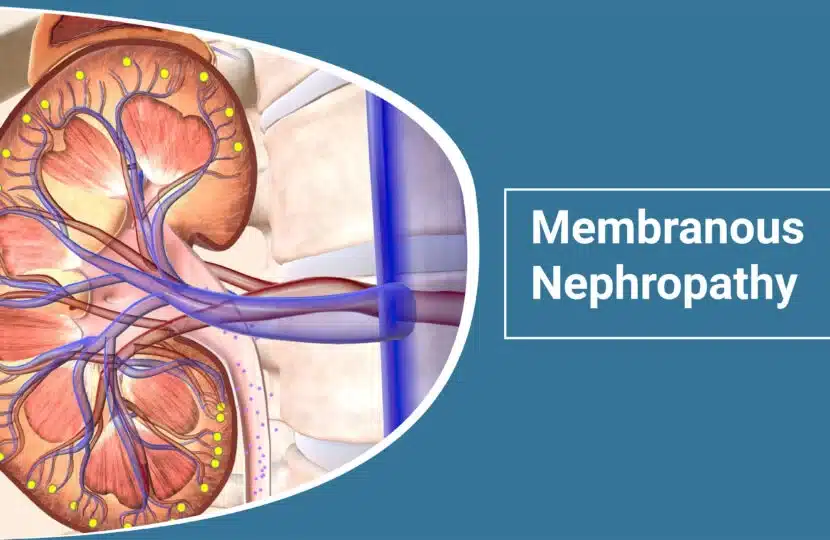
Membranous nephropathy is one such condition. It is an autoimmune kidney disease in which the immune system attacks the kidneys’ own filtering membrane. As a result, the membrane thickens, loses its ability to hold protein back, and allows large amounts of protein to leak into the urine. This protein loss — called proteinuria — drives a cascade of symptoms that can significantly affect a person’s health and quality of life.
Membranous nephropathy autoimmune kidney disease proteinuria is the second most common cause of nephrotic syndrome in adults worldwide. Furthermore, it is one of the leading causes of kidney failure in adults if not diagnosed and treated in time. Understanding how this disease develops, what causes it, and how modern treatment can stop it gives patients and families the knowledge they need to act early and protect kidney health.
How Membranous Nephropathy Damages the Kidneys
The Immune Attack on the Kidney Filter
Each kidney contains tiny filtering units called glomeruli. Each glomerulus has a delicate membrane that filters waste from the blood while keeping proteins inside. In membranous nephropathy, the immune system produces harmful antibodies — immune proteins that target a specific molecule on the surface of the kidney’s own cells.
In roughly 70% of cases, these antibodies target a protein called PLA2R — short for phospholipase A2 receptor — found on the surface of podocytes. Podocytes are specialised cells that form the outer layer of the glomerular filter. When antibodies attach to PLA2R, they trigger an immune reaction that deposits immune complexes — clumps of antibodies and their targets — along the outer surface of the glomerular basement membrane.
These deposits damage the membrane and cause it to thicken progressively. Consequently, the membrane loses its ability to keep albumin — the main blood protein — inside the bloodstream. As a result, albumin and other proteins leak through into the urine in large quantities.
Why Protein Loss Causes Such Wide Effects
Heavy protein loss has consequences far beyond the kidneys. When albumin levels in the blood fall, the force that keeps fluid inside blood vessels is lost. As a result, fluid leaks out into the surrounding tissues and causes widespread swelling — called oedema. Furthermore, the liver responds to falling albumin by producing more cholesterol, raising blood lipid levels significantly.
This combination of heavy proteinuria, low albumin, swelling, and high cholesterol defines nephrotic syndrome — the clinical pattern that membranous nephropathy most commonly produces. For a detailed explanation of how protein loss drives these symptoms, see our article on nephrotic syndrome and what protein in the urine actually tells you.
What Causes Membranous Nephropathy?
Primary Membranous Nephropathy
Primary membranous nephropathy — also called idiopathic membranous nephropathy — arises from the immune system’s own attack on kidney cells without any external trigger. The majority of these cases involve antibodies against PLA2R. A smaller proportion involve antibodies against another podocyte protein called THSD7A — thrombospondin type 1 domain-containing protein 7A.
Primary membranous nephropathy most commonly affects adults between the ages of 30 and 60. Moreover, it is more common in men than in women. However, it can affect people of any age and background. The immune attack begins silently — patients often have no symptoms for months or years before proteinuria becomes significant enough to cause noticeable problems.
Secondary Membranous Nephropathy
Secondary membranous nephropathy develops as a consequence of another condition or exposure. Several well-recognised triggers can set off the immune attack on the glomerular membrane. Therefore, doctors always investigate for secondary causes before concluding that the disease is primary.
Common secondary causes include certain cancers — particularly lung, colon, and breast cancers — in older adults. Infections such as hepatitis B and hepatitis C can also trigger the condition. In addition, autoimmune diseases including lupus — systemic lupus erythematosus — and rheumatoid arthritis are important secondary causes. Certain medications — including NSAIDs, penicillamine, and gold salts — have also been linked to secondary membranous nephropathy in some patients.
Consequently, identifying a secondary cause is critically important. Treating the underlying condition — for example, treating hepatitis B or removing a triggering medication — can resolve the kidney disease without the need for kidney-specific immunosuppressive treatment.
Symptoms of Membranous Nephropathy
The Classic Nephrotic Presentation
Membranous nephropathy autoimmune kidney disease proteinuria typically presents with the full picture of nephrotic syndrome. Foamy or frothy urine is often the first symptom that patients notice. It results from albumin and lipoproteins entering the urine and reducing its surface tension, causing bubbles to form on contact with water.
Swelling — particularly around the eyes in the morning and in the legs and ankles later in the day — develops as albumin levels fall and fluid leaks into the tissues. Fatigue and weakness are common, reflecting the metabolic disruption of heavy protein loss. Furthermore, unexplained weight gain from fluid accumulation often masks the muscle loss that occurs simultaneously as the body depletes its protein reserves.
Blood Clots and Other Complications
Blood clots are a serious complication of membranous nephropathy and occur more frequently in this condition than in other causes of nephrotic syndrome. The kidneys lose anticoagulant proteins — particularly antithrombin III — in the urine at the same time as the liver increases clotting factor production. Consequently, the balance of the blood’s clotting system shifts strongly toward excessive clotting.
Renal vein thrombosis — a blood clot forming in the vein draining the kidney — is particularly associated with membranous nephropathy. It can cause sudden worsening of proteinuria, flank pain, and a rapid drop in kidney function. Therefore, any patient with membranous nephropathy who develops sudden flank pain or worsening symptoms needs urgent medical assessment. For comparison with other kidney conditions that cause similar complications, see our article on nephritic syndrome — blood in the urine and the inflammatory kidney conditions behind it.
How Doctors Diagnose Membranous Nephropathy
Blood and Urine Tests
Diagnosing membranous nephropathy autoimmune kidney disease proteinuria starts with urine and blood tests. A urine dipstick test typically shows heavy protein. A spot urine protein-to-creatinine ratio quantifies the exact amount of protein loss. Blood tests measure serum albumin — which is usually low — as well as cholesterol, creatinine, and eGFR to assess kidney function.
The most important blood test in primary membranous nephropathy is the anti-PLA2R antibody test. A positive result — particularly at high titre — strongly supports a diagnosis of primary membranous nephropathy without requiring a kidney biopsy in many straightforward cases. Furthermore, the anti-PLA2R antibody level also serves as a useful marker of disease activity and treatment response. Consequently, falling antibody levels indicate that the immune attack is subsiding, even before proteinuria itself improves.
Kidney Biopsy
A kidney biopsy remains the definitive diagnostic test for membranous nephropathy. It provides tissue for analysis under light microscopy, immunofluorescence, and electron microscopy. Under electron microscopy, the characteristic finding is the presence of immune complex deposits — called subepithelial deposits — along the outer surface of the glomerular basement membrane, giving it a classic “spike and dome” appearance.
The biopsy also distinguishes primary from secondary membranous nephropathy and assesses the degree of existing scarring — information that guides prognosis and treatment decisions. In addition, biopsy confirms the diagnosis in anti-PLA2R negative cases where the diagnosis cannot be established by blood tests alone. Therefore, biopsy remains an essential tool despite the availability of anti-PLA2R testing.
Treatment of Membranous Nephropathy
Watchful Waiting and Supportive Care
Not every patient with membranous nephropathy needs immediate immunosuppressive treatment. Roughly one third of patients achieve spontaneous complete or partial remission without specific therapy — particularly those with modest proteinuria and preserved kidney function at diagnosis. Therefore, doctors often adopt a watchful waiting approach for low-risk patients before starting immunosuppression.
During this observation period, supportive treatment continues. ACE inhibitors — angiotensin-converting enzyme inhibitors — and ARBs — angiotensin receptor blockers — reduce proteinuria by lowering pressure inside the kidney filter. Furthermore, they protect kidney function independently of their blood pressure-lowering effects. Dietary sodium restriction supports blood pressure control and reduces fluid retention. Statin therapy addresses elevated cholesterol. Moreover, anticoagulation is recommended for patients at high risk of blood clots — particularly those with very low albumin levels.
Immunosuppressive Treatment
Patients at higher risk — those with heavy proteinuria, rising creatinine, or persistent nephrotic syndrome — receive active immunosuppressive treatment. Historically, the standard treatment was the Ponticelli regimen — alternating cycles of corticosteroids and the chemotherapy drug cyclophosphamide over six months. This regimen achieves remission in a significant proportion of patients and remains a valid treatment option.
However, treatment has changed dramatically in recent years. Rituximab — a targeted biological therapy that depletes B cells, the immune cells responsible for producing anti-PLA2R antibodies — has become the preferred first-line immunosuppressive treatment in many centres worldwide. Clinical trials including the MENTOR trial demonstrated that rituximab achieves remission rates comparable to cyclophosphamide-based regimens but with a significantly more favourable side effect profile. Consequently, rituximab is now recommended as first-line therapy for immunosuppression-eligible patients with membranous nephropathy in most international guidelines.
Monitoring Treatment Response
Anti-PLA2R antibody levels provide a useful way to monitor treatment response. Antibody levels typically fall before proteinuria improves — sometimes by several months. Therefore, a falling antibody level reassures doctors that the immune attack is subsiding even when proteinuria has not yet reduced. Consequently, this allows doctors to avoid premature escalation of treatment in patients who are responding slowly.
For a broader understanding of how kidney disease progresses across different conditions and stages, see our articles on focal segmental glomerulosclerosis and kidney failure, chronic kidney disease stages symptoms and decline, and polycystic kidney disease and genetic kidney conditions.
Living Well With Membranous Nephropathy
Managing Relapses and Long-Term Follow-Up
Membranous nephropathy can relapse after achieving remission — particularly after rituximab treatment as B cells recover and anti-PLA2R antibody levels begin to rise again. Regular monitoring of anti-PLA2R antibody levels and urine protein allows doctors to detect early relapse before the full nephrotic syndrome re-establishes. Furthermore, re-treatment with rituximab at the time of serological relapse — before heavy proteinuria returns — is emerging as an effective strategy for maintaining long-term remission.
Regular follow-up with a specialist kidney team is essential. Kidney function, blood pressure, urine protein, cholesterol, and anti-PLA2R antibody levels all need monitoring at regular intervals. In addition, bone density monitoring is important for patients who have received prolonged corticosteroid treatment.
Diet and Lifestyle
A low-sodium diet reduces swelling and supports blood pressure control. Moderate protein intake helps maintain blood albumin without adding unnecessary stress to damaged nephrons. Maintaining a healthy body weight reduces cardiovascular risk, which is significantly elevated in people with nephrotic syndrome from any cause. Furthermore, regular moderate exercise supports overall cardiovascular health and helps manage the fatigue and muscle weakness that accompany heavy protein loss.
Avoiding NSAIDs is important because these drugs reduce blood flow to the kidneys and can worsen both proteinuria and kidney function in patients with established glomerular disease. Consequently, paracetamol is the preferred painkiller for patients with membranous nephropathy.
When to Seek Urgent Medical Help
Seek emergency care immediately if you experience sudden severe flank pain, rapid worsening of leg swelling, chest pain, or breathlessness. These symptoms may signal renal vein thrombosis, deep vein thrombosis, or pulmonary embolism — all of which occur at elevated rates in membranous nephropathy.
Furthermore, any person with known membranous nephropathy who notices a sudden increase in foamy urine, rapid weight gain from fluid, or a significant drop in urine output needs urgent medical review. Consequently, patients should report any new or worsening symptoms to their kidney team promptly rather than waiting for their next routine appointment.
Frequently Asked Questions
1. Is membranous nephropathy an autoimmune disease?
Yes. In its primary form, membranous nephropathy is an autoimmune disease. The immune system produces antibodies — most commonly anti-PLA2R antibodies — that attack the kidney’s own filtering membrane. This immune attack triggers the protein leakage and membrane damage that define the condition. However, a secondary form also exists in which another disease or medication triggers the immune attack rather than the immune system acting spontaneously.
2. Can membranous nephropathy go away without treatment?
Yes, in some cases. Roughly one third of patients with primary membranous nephropathy achieve spontaneous remission — particularly those with modest proteinuria and preserved kidney function. However, another third have persistent nephrotic syndrome that requires treatment, and the remaining third progress gradually toward kidney failure without intervention. Consequently, all patients need careful monitoring to determine whether they are remitting, stable, or progressing.
3. How effective is rituximab for membranous nephropathy?
Rituximab is highly effective for primary membranous nephropathy. Clinical trial data shows that it achieves complete or partial remission in a significant majority of treated patients. Moreover, it has a more favourable side effect profile than older cyclophosphamide-based regimens. Consequently, rituximab has replaced cyclophosphamide as the preferred immunosuppressive treatment in most international guidelines for membranous nephropathy.
4. Can membranous nephropathy come back after treatment?
Yes, relapse is possible — particularly after rituximab as B cells recover and anti-PLA2R antibodies begin to rise again. However, monitoring antibody levels allows early detection of serological relapse before proteinuria returns. Consequently, re-treatment at this early stage can prevent the full syndrome from re-establishing and protect kidney function over the long term.
5. Does membranous nephropathy always lead to kidney failure?
No. Many patients achieve complete remission — either spontaneously or with treatment — and maintain normal kidney function long term. However, patients with persistent heavy nephrotic syndrome, rising creatinine, or inadequate treatment response face a real risk of progressive kidney failure over years. Consequently, the goal of treatment is to achieve and maintain remission as early as possible to protect kidney function for the long term.
References
- IgA Nephropathy causes variable symptoms depending on disease severity and stage of progression.
- IgA nephropathy is a primary glomerulonephritis characterized by predominant IgA immune complex deposition in the glomeruli.
- Nephrotic syndrome is a kidney condition caused by severe protein loss through damaged filters.
- Effective glucose management can reduce the incidence and progression of neuropathy.
- Type 2 diabetes complications are microvascular and macrovascular diseases resulting from hyperglycemia-induced tissue damage.
Disclaimer
This article adapts publicly available information from WHO’s Kidney Disease page. This content is for informational and educational purposes only and does not constitute medical advice. ObserverVoice.com is a news and information platform and not a healthcare provider.
Observer Voice is the one stop site for National, International news, Sports, Editor’s Choice, Art/culture contents, Quotes and much more. We also cover historical contents. Historical contents includes World History, Indian History, and what happened today. The website also covers Entertainment across the India and World.

