

Type 2 Diabetes Complications: Neuropathy, Retinopathy, and Nephropathy Explained

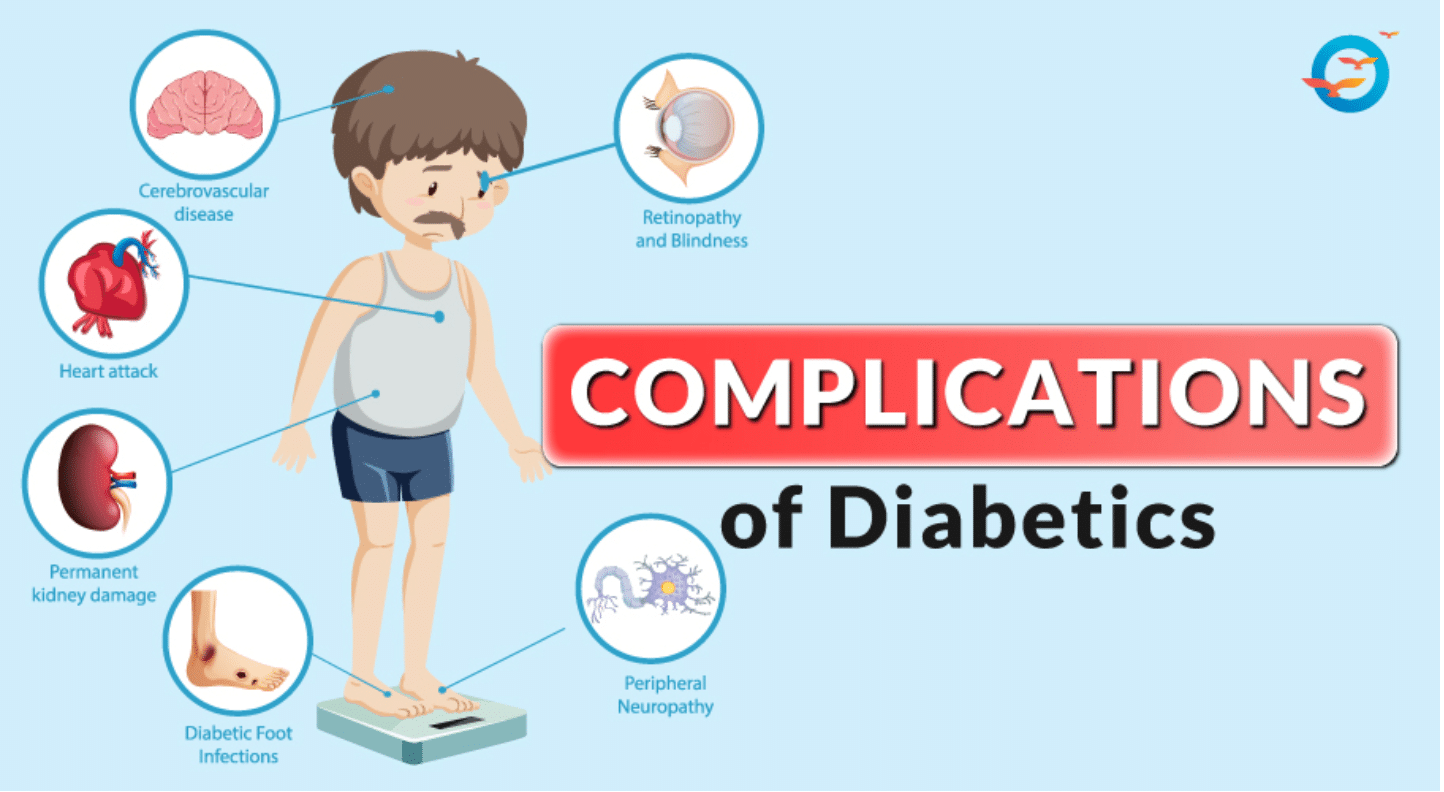
Imagine a man with type 2 diabetes for 10 years. His glucose control has been fair—hemoglobin A1c consistently 7 to 8 percent. He feels well. No symptoms. No problems. Then he notices blurred vision. Eye examination reveals diabetic retinopathy—background initially, now progressing to proliferative. Hemorrhages. Neovascularization. Vision loss. Urgent laser treatment. Meanwhile, routine lab work shows elevated creatinine. eGFR declining. Diabetic nephropathy. Proteinuria. Progressive. Kidney transplant anticipated in 5 to 10 years. Additionally, he notices numbness in his feet. Diabetic neuropathy. Sensation loss. Foot ulcers. Amputation risk. Yet these complications were not inevitable. Routine eye screening would have detected retinopathy years earlier—at background stage—when laser could prevent progression. Urine microalbumin testing would have detected nephropathy early—before creatinine elevated—when aggressive blood pressure control and ACE inhibition could prevent progression. Foot examinations would have detected neuropathy—when preventive foot care could prevent ulceration. Understanding the major type 2 diabetes complications—diabetic neuropathy, retinopathy, nephropathy—enables appropriate screening and prevention preventing blindness, kidney failure, and amputation. Type 2 diabetes complications result from hyperglycemia-induced microvascular damage affecting the nervous system (neuropathy), eyes (retinopathy), and kidneys (nephropathy). The complications affect approximately 30 to 40 percent of type 2 diabetes patients. Diabetic neuropathy is the most common complication. Diabetic retinopathy is the leading cause of blindness in working-age adults. Diabetic nephropathy is the leading cause of end-stage renal disease requiring dialysis or transplantation. What makes these complications critically important is understanding that they are largely preventable through appropriate screening and aggressive management of hyperglycemia, blood pressure, and lipids. Early detection enables early intervention preventing or dramatically slowing progression. Understanding type 2 diabetes complications enables appropriate preventive screening and management preventing serious disability and mortality. In this comprehensive article, we will explore what type 2 diabetes complications are, understand the pathophysiology of neuropathy, retinopathy, and nephropathy, recognize early warning signs, explore screening methods, and discover prevention strategies.
Understanding Hyperglycemia and Microvascular Damage Pathophysiology
Before we explore diabetes complications, we need to understand how hyperglycemia causes tissue damage. Hyperglycemia pathophysiology. Glucose excess. Blood. Intracellular entry. Glucose transporters. GLUT1. GLUT3. Constitutive. Insulin-independent. Excess glucose. Enters cells. Exceeds glycolytic capacity. Glucose metabolism. Overload. Multiple pathways. Glucose metabolism. Glycolysis. Normal. TCA cycle. Energy production. Glucose excess. Alternative pathways. Activated. Polyol pathway. Glucose converted. Sorbitol. Aldose reductase. Enzyme. Sorbitol. Fructose. Fructose kinase. Conversion. Accumulation. Sorbitol. Intracellular osmotic stress. Water influx. Cell swelling. Aldose reductase. NADPH consumption. Redox imbalance. Oxidative stress. Increased. Polyol pathway. Particularly. Peripheral nerves. Eye lens. Kidney. Tissues. Sorbitol accumulates. Damage. Hexosamine pathway. Glucose. Glutamine-fructose-6-phosphate aminotransferase. GFAT. Enzyme. Glucosamine-6-phosphate. UDP-N-acetylglucosamine. Protein glycosylation. O-linked. N-acetylglucosamine (O-GlcNAc). Increases. Gene expression. Transcription factors. Altered. Pro-inflammatory. SREBP. Sterol regulatory element-binding protein. Activation. Increased lipogenesis. Dyslipidemia. AGE pathway. Advanced glycation end products. Glucose. Proteins. Non-enzymatic. Glycation. Amadori products. Further. AGE. Irreversible. Cross-linking. Protein quaternary. Structure altered. Function impaired. AGE accumulation. Extracellular matrix. Collagen. Basement membrane. Cross-linking. Stiffness. Loss elasticity. Tissue damage. AGE receptor. RAGE. Endothelial cells. Inflammatory response. TNF-alpha. IL-6. NF-kB. Activation. Oxidative stress. ROS. Increased. PKC pathway. Diacylglycerol (DAG). Accumulation. Protein kinase C (PKC). Activation. MAPK. Mitogen-activated protein kinase. Phosphorylation. Gene expression. Altered. Inflammatory cytokines. Growth factors. VEGF. Vascular endothelial growth factor. Increased. Angiogenesis. Neovascularization. Retinopathy. Associated. Endothelial dysfunction. Nitric oxide. Reduced. Vasodilation. Impaired. Vasoconstriction. Predominates. Inflammation. Chronic. TNF-alpha. IL-6. CRP. Elevated. Endothelial dysfunction. Accelerated. Atherosclerosis. Oxidative stress. Mitochondrial dysfunction. NADH. NADPH. Oxidation. Electron transport chain. ROS production. Increased. Antioxidant defenses. Overwhelmed. Oxidative stress. DNA damage. Mitochondrial DNA. Mutations. Mitochondrial dysfunction. Apoptosis. Cell death. Tissue damage. The pathophysiology explains why hyperglycemia causes damage across multiple tissues affecting nerves, eyes, and kidneys.
What are Type 2 Diabetes Complications?
Type 2 diabetes complications are microvascular and macrovascular diseases resulting from hyperglycemia-induced tissue damage. Classification. Microvascular complications. Small vessel disease. Affecting. Capillaries. Arterioles. Tissues. Eyes. Kidneys. Nerves. Diabetic retinopathy. Diabetic nephropathy. Diabetic neuropathy. Macrovascular complications. Large vessel disease. Atherosclerosis. Myocardial infarction. Stroke. Peripheral vascular disease. Both microvascular and macrovascular. Common. Type 2 diabetes patients. Prevalence. Microvascular complications. Approximately 30 to 40 percent. Type 2 diabetes. Diabetic neuropathy. Most common. Approximately 30 percent. Clinical. Higher. Subclinical. Approximately 50 percent. NCS/EMG. Nerve conduction studies. Electromyography. Diabetic retinopathy. Approximately 20 to 40 percent. Depending. Diabetes duration. Glycemic control. Diabetic nephropathy. Approximately 20 to 30 percent. Chronic kidney disease. Development. Type 2 diabetes. Leading cause. Macrovascular complications. Myocardial infarction. Stroke. Peripheral vascular disease. Approximately 20 to 40 percent. Long-standing diabetes. Duration important. Longer diabetes. Higher risk. Duration. Less than 5 years. Complications rare. Greater than 10 to 15 years. Complications common. Glycemic control. A1c. Higher. Risk. Elevated. “Normal” glycemic control. Less than 7 percent. A1c. Complications. Risk reduced. Less than 5.7 percent. Ideal. Risk minimized. Blood pressure. Hypertension. Associated. Accelerated. Complications. Especially. Nephropathy. Retinopathy. Lipids. Dyslipidemia. Associated. Macrovascular. Microvascular. Complications. Smoking. Risk. Dramatically amplified. Smoking. Diabetes. Combination. Cardiovascular disease. Risk. Exponentially increased. Other risk factors. Family history. Genetic predisposition. Albuminuria. Early marker. Diabetic nephropathy. Also associated. Increased cardiovascular. Mortality. Metabolic syndrome. Associated. Complications. Clustering. Multiple metabolic abnormalities. Obesity. Hypertension. Dyslipidemia. Glucose intolerance. Combinations. Complications. Acceleration. Diabetes complications. Interrelated. Kidney disease. Associated. Hypertension. Worsening. Cardiovascular disease. Risk. Escalating. Neuropathy. Associated. Foot ulcers. Infections. Amputation. Risk. Retinopathy. Associated. Nephropathy. Often. Simultaneous. Diabetes duration. Age. Parallel. Both. Long-standing. Higher. Complications risk. The complications affect multiple organ systems requiring comprehensive screening and management.
Diabetic Neuropathy: Nerve Damage from Hyperglycemia
Diabetic neuropathy is nerve damage caused by hyperglycemia affecting approximately 30 percent of type 2 diabetes patients. Types of neuropathy. Distal symmetric polyneuropathy (DSPN). Most common. Approximately 90 percent. Neuropathy. Affects. Longest nerves. Feet. Lower legs. Hands. Upper extremities. Later. Symmetrical. Both sides. Proximal neuropathy. Rare. Thighs. Hips. Weakness. Pain. Focal mononeuropathy. Cranial nerves. Peripheral nerves. Single nerve. Affected. Autonomic neuropathy. Parasympathetic. Sympathetic. Dysfunction. Cardiovascular. GI. Genitourinary. Affected. Multiple organ systems. Pathophysiology. Sorbitol pathway. Particularly. Glucose. Sorbitol. Accumulation. Osmotic stress. Myelin. Schwann cells. Damage. Nerve conduction. Slowed. Polyol pathway. NADPH depletion. Antioxidant defense. Glutathione. Reduced. Oxidative stress. Increased. Myelin damage. Protein glycation. Myelin proteins. AGE. Cross-linking. Myelin. Structural integrity. Lost. Conduction. Impaired. Vascularity. Nerve. Compromised. Endoneurial vessels. Capillaries. Damage. Endothelial dysfunction. Blood flow. Reduced. Nerve. Ischemic. Mitochondrial dysfunction. Nerve cells. Energy production. Compromised. Apoptosis. Cell death. Nerve degeneration. Axonal loss. Symptoms. Distal symmetric polyneuropathy. Early. Asymptomatic. Subclinical. Nerve conduction. Slowed. Only detection. Paresthesias. Tingling. Numbness. Feet. Gradual progression. Distal. Proximal. Progressive. Pain. Burning. Feet. Worse. Night. Sleep disruption. Lancinating pain. Sharp. Electric. Shock-like. Feet. Debilitating. Weakness. Foot muscles. Intrinsic. Atrophy. Foot deformity. Clawing. Toe contracture. Charcot joint. Joint. Painless. Destructive. Arthropathy. Sensory. Loss progression. Temperature. Pain. Proprioception. Loss. Feet. Loss proprioception. Balance. Affected. Fall risk. Increased. Gait. Abnormal. Foot complications. Ulceration. Painless injury. Unnoticed. Infection. Osteomyelitis. Amputation. Risk. Foot care. Critical. Autonomic neuropathy. Cardiac autonomic dysfunction. Heart rate. Resting. Elevated. Tachycardia. Heart rate variability. Reduced. Cardiovascular stability. Impaired. Syncope. Fainting. Risk. Sudden cardiac death. Risk increased. GI autonomic dysfunction. Gastroparesis. Stomach emptying. Delayed. Nausea. Vomiting. Bloating. Constipation. Diarrhea. Alternating. Malnutrition. GI motility. Impaired. Genitourinary. Bladder dysfunction. Urinary retention. Overflow incontinence. Urinary tract infections. Erectile dysfunction. Retrograde ejaculation. Males. Reduced lubrication. Females. Sexual dysfunction. Sudomotor dysfunction. Sweating. Abnormal. Some areas. Excessive. Others. Absent. Thermoregulation. Impaired. Orthostatic hypotension. Blood pressure. Standing. Drop. Dizziness. Syncope. Risk. Complications. Foot ulcers. Infection. Amputation. Charcot joints. Permanent disability. Mortality. Autonomic dysfunction. Sudden death. Risk. The pathophysiology explains the progressive nature of neuropathy if hyperglycemia untreated.
Diabetic Retinopathy: Vision Loss from Microvascular Damage
Diabetic retinopathy is progressive eye disease caused by hyperglycemia affecting approximately 20 to 40 percent of type 2 diabetes patients. Pathophysiology. Retinal capillaries. Endothelial cells. Hyperglycemia. Damage. Pericyte loss. Supporting cells. Capillary weakening. Microaneurysms. Dilations. Capillary wall. Vessel fragility. Bleeding. Hemorrhages. Retinal. Exudates. Lipid. Protein. Leakage. Capillary walls. Permeable. Macular edema. Fluid accumulation. Central retina. Vision loss. VEGF. Vascular endothelial growth factor. Increased. Hypoxia. Ischemia. Neovascularization. Abnormal. New vessels. Proliferation. Vitreous hemorrhage. Bleeding. Vitreous. Vision loss. Fibrosis. New vessels. Scar tissue. Retinal detachment. Vision loss. Permanent. Stages of retinopathy. Nonproliferative diabetic retinopathy (NPDR). Mild. Microaneurysms only. No vision loss. Usually. Moderate. Microaneurysms. Hemorrhages. Exudates. Hard exudates. Lipid deposits. Circles. Edges. Cotton wool spots. Nerve fiber layer. Infarction. White spots. Severe. Multiple hemorrhages. Exudates extensive. Venous beading. Capillary closure. Intraretinal microvascular abnormalities (IRMA). Symptoms. None usually. Background retinopathy asymptomatic. Discovered. Screening. Vision loss. If macular involvement. Blurred. Central vision. Floaters. Vitreous hemorrhage. Sudden. Vision loss. Proliferative diabetic retinopathy (PDR). High-risk. Neovascularization. Optic disc. Vitreous. Extensive. Bleeding risk. Fibrosis. Retinal detachment. Vision loss. Emergency. Risk. Symptoms. Floaters. Sudden increase. Vitreous hemorrhage. Sudden vision loss. Vision loss. Severity. Slow. Progressive. Or sudden. Hemorrhage. Detachment. Complications. Macular edema. Central vision loss. Vitreous hemorrhage. Vision loss. Sudden. Retinal detachment. Vision loss. Peripheral. Progression. Field narrowing. Rubeosis iridis. Neovascularization. Iris. Glaucoma. Secondary. Vision loss. Blindness. Advanced. Untreated. Prevention. Glucose control. A1c. Less than 7 percent. Target. Risk reduction. 76 percent. Retinopathy incidence. DCCT trial. Landmark. Blood pressure control. Hypertension. Accelerates. Target. Less than 130/80 mmHg. Approximately. Screening. Annual. All. Type 2 diabetes. Dilated eye examination. Ophthalmology. Optometry. Early detection. Treatment. Prevents progression. Laser photocoagulation. VEGF inhibitor. Intravitreal injection. Treatment. Leakage. Neovascularization. Regression. Possible. Early. Treatment efficacy. High.
Diabetic Nephropathy: Kidney Damage and Renal Failure
Diabetic nephropathy is progressive kidney disease caused by hyperglycemia affecting approximately 20 to 30 percent of type 2 diabetes patients. Pathophysiology. Glomerular filtration barrier. Basement membrane. Glomerular capillary. Endothelial cells. Hyperglycemia. Damage. Basement membrane. Thickening. Glomerular sclerosis. Extracellular matrix. Accumulation. Glomeruli. Nodular. Nodular glomerulosclerosis. Kimmelstiel-Wilson. Characteristic. Podocytes. Cells. Filtration barrier. Maintain. Loss. Proteinuria. Protein leakage. Urine. Glomerular hyperfiltration. Increased. GFR initially. Overwork. Compensation. Structural damage. Glomeruli. Scarring. Fibrosis. Progressive. Mesangial proliferation. Cells. Glomeruli. Excessive growth. Capillary closure. Reduced filtration. GFR. Declining. AGE. Proteins. Cross-linking. Basement membrane. Stiffness. Loss elasticity. Basement membrane. Thickening. Filtration. Impaired. Albuminuria. Protein. Urine. Stages. Stage 1. Normal or high GFR. Greater than 90 mL/min/1.73m2. Albuminuria. Absent. Usually. Structure. Kidney. Normal. Histology. Thickened basement membrane. Possible. Early. Stage 2. Mild reduction. GFR. 60 to 89 mL/min/1.73m2. Albuminuria. Microalbuminuria. 30 to 300 mg/day. Or macroalbuminuria. Greater than 300 mg/day. Kidney. Structural damage. Beginning. Stage 3. Moderate reduction. GFR. 30 to 59 mL/min/1.73m2. Albuminuria. Variable. Kidney. Scarring. Fibrosis. Progressive. Stage 4. Severe reduction. GFR. 15 to 29 mL/min/1.73m2. Albuminuria. Usually. Heavy. Kidney. End-stage fibrosis. Kidney. Function. Inadequate. Stage 5. Kidney failure. GFR. Less than 15 mL/min/1.73m2. Or dialysis. Transplantation. Necessary. Progression. Variable. Early detection. Microalbuminuria. Intervention. Aggressive. Blood pressure control. ACE inhibitor. ARB. Kidney. Protection. SGLT2 inhibitor. Emerging. Kidney. Protective. GLP-1 agonist. Emerging. Kidney. Protection. Demonstrated. Glucose control. Strict. Slowing. Progression. Prevention. Screening. Urine microalbumin. Annual. All. Type 2 diabetes. eGFR. Serum creatinine. Assessment. Kidney function. Decline. Early detection. Treatment. Slows. Or halts progression. Complications. Hypertension. Worsening. Potassium. Elevated. Dangerous. Phosphorus. Elevated. Bone disease. Metabolic. Acidosis. Anemia. Erythropoietin. Reduced. Uremia. Toxin accumulation. Symptoms. Advanced. Nausea. Vomiting. Lethargy. Confusion. Dialysis. Transplantation. End-stage. Necessary. Quality of life. Significantly impaired. Mortality. Increased. Kidney disease. Cardiovascular disease. Associated. Cardiovascular. Most common. Cause. Death. Kidney disease. Diabetes. The progressive nature requires aggressive intervention at each stage.
Screening and Prevention: Preventing Serious Complications
Preventing diabetes complications requires appropriate screening and aggressive management of modifiable risk factors. Screening protocols. Retinopathy screening. Dilated eye examination. Annual. All. Type 2 diabetes. Ophthalmology. Optometry. Beginning. Type 2 diabetes diagnosis. More frequent. Retinopathy. Present. Every 3 to 6 months. Advanced. PDR. Every 1 to 3 months. Treatment ongoing. Optical coherence tomography (OCT). Macular edema. Detection. Fine detail. Posterior segment. Assessment. Nephropathy screening. Urine microalbumin. Or albumin-to-creatinine ratio (ACR). Annual. All. Type 2 diabetes. Microalbuminuria. Macroalbuminuria. Early detection. Intervention. serum creatinine. eGFR. Annual assessment. Kidney function. Decline. Detection. Rate. Progression. Staging. Kidney disease. CKD stage. eGFR. Albuminuria. Assessment. Management intensity. Guides. Neuropathy screening. Monofilament testing. Feet. Annual. All. Type 2 diabetes. Sensation. Loss. Detection. Vibratory testing. Tuning fork. 128 Hz. Proprioception. Assessment. Ankle reflexes. DTRs. Deep tendon reflexes. Reduced. Loss. Neuropathy. Indicator. Nerve conduction studies. NCS. Electromyography. EMG. If symptoms. Or screening abnormal. Subclinical neuropathy. Detection. Quantitative sensory testing. QST. Sensitivity. Assessment. Foot examination. Comprehensive. Annual. Skin. Integrity. Ulcers. Calluses. Deformity. Foot. Assessment. Charcot joint. Detection. X-rays. If suspicion. Cardiovascular screening. ECG. Baseline. Stress testing. If symptoms. Or multiple risk factors. Coronary calcium. CT. Risk assessment. Carotid ultrasound. Intima-media thickness. Atherosclerosis. Subclinical. Assessment. Prevention strategies. Glucose control. A1c. Target. Typically. Less than 7 percent. Individualization. Important. Older. Vulnerable. 7.5 to 8 percent. Acceptable. Intensive control. Hypoglycemia. Risk. Avoided. Blood pressure control. Target. Less than 130/80 mmHg. Approximately. Hypertension. Triple therapy. Often. Needed. ACE inhibitor. ARB. First-line. Kidney. Protection. Benefits. Beta-blocker. Calcium channel blocker. Thiazide. Alternatives. Individualization. Important. Lipid management. Statin. Essential. LDL cholesterol. 70 mg/dL. Or lower. High-risk. ACE inhibitor or ARB. All. Type 2 diabetes with albuminuria. Kidney. Protection. SGLT2 inhibitor. If albuminuria. Kidney. Protection. GLP-1 agonist. Weight loss. Metabolic. Benefits. Demonstrated. Kidney. Protection. Emerging. Smoking cessation. Critical. Risk. Dramatically increased. Smoking. Diabetes. Combination. Cessation. Essential. Weight loss. 5 to 10 percent. Beneficial. Exercise. 150 minutes. Weekly. Moderate. Cardiovascular. Improved. Neuropathy. Risk reduction. Possible. Diet. Mediterranean. DASH. Beneficial. Whole grains. Vegetables. Fruits. Lean protein. Emphasized. Processed foods. Reduced. Foot care. Daily inspection. Feet. Skin. Integrity. Checking. Ulcers. Cracks. Skin breakdown. Early detection. Infection prevention. Proper footwear. Diabetic shoes. Orthotics. Foot deformity. Correction. Regular visits. Podiatrist. Foot specialist. High-risk. Neuropathy. Ulcer. History. Eye care. Glasses. Updated prescription. Glaucoma. Screening. Cataracts. Surgery. If indicated. Treatment. Retinopathy. Laser photocoagulation. VEGF inhibitor. Injections. Vitrectomy. Vitreous hemorrhage. Severe. Fibrosis. Retinal detachment. Nephropathy. ACE inhibitor. ARB. SGLT2 inhibitor. GLP-1 agonist. Kidney. Protection. Dialysis. Transplantation. End-stage. Necessary. Neuropathy. Pain management. Gabapentin. Pregabalin. Duloxetine. Options. Physical therapy. Occupational therapy. Functional. Improvement. Foot ulcer prevention. Management. Critical. Infection. Prevention. Amputation prevention. Monitoring. Complication assessment. Regular. Comprehensive. Assessment. Multidisciplinary. Team. Endocrinologist. Cardiologist. Ophthalmologist. Nephrologist. Podiatrist. Coordinated care. Best outcomes. The prevention approach emphasizes early detection and aggressive management of modifiable risk factors.
Frequently Asked Questions (FAQs)
Q1: Can diabetes complications be reversed?
Partially. Early complications. Reversible. Potentially. Glucose control. Aggressive. Early. Microalbuminuria. Macroalbuminuria regression. Possible. Retinopathy. Background. Treatment early. Halting. Vision. Preservation. Neuropathy. Nerve damage. Irreversible. Advanced. But prevention. Progression. Possible. Early intervention critical. Advanced complications. Irreversible. Usually. Prevention. Focus.
Q2: How often should I be screened for complications?
Annual. Minimum. Retinopathy screening. Annual dilated examination. Beginning. Type 2 diabetes diagnosis. Nephropathy screening. Urine microalbumin. eGFR. Annual. Neuropathy screening. Foot examination. Monofilament. Annual. More frequent. Complications present. Retinopathy. Advanced. 3 to 6 months. Nephropathy. eGFR declining. 3 to 6 months. Neuropathy. Symptoms. NCS/EMG. Initial. Then. As indicated. Individual risk. Frequency adjustment. Individualization important.
Q3: Will I definitely get complications if I have diabetes?
No, not inevitable. Glucose control. Good. Blood pressure. Normal. Lipids. Controlled. Smoking. None. Complications. Risk. Significantly reduced. Approximately 30 to 40 percent. Type 2 diabetes. Develop complications. Approximately 60 to 70 percent. Don’t. Prevention possible. Aggressive management. Early. Critical. Regular screening. Early detection. Treatment. Prevention effective.
Q4: What’s the most important thing I can do to prevent complications?
Glucose control. A1c. Central. Less than 7 percent. Target. Approximately 76 percent reduction. Retinopathy. Incidence. DCCT trial. Blood pressure control. Important. Especially. Nephropathy. Prevention. Smoking cessation. Critical. Risk. Dramatically amplified. Smoking. Diabetes. Comprehensive approach. All modifiable risk factors. Simultaneously. Most effective.
Q5: Can complications be prevented with medication alone?
No. Medication. Essential. Glucose control. Blood pressure. Lipids. Management. Lifestyle. Foundation. Weight loss. Exercise. Diet. Critical. Combined. Medication. Lifestyle. Most effective. Medication alone. Insufficient. Lifestyle. Alone. Often. Insufficient. Both. Comprehensive approach. Necessary.
References
- World Health Organization (WHO). “Diabetes Complications: Prevention and Management.” Retrieved from https://www.who.int/
- American Diabetes Association. “Diabetes Complications.” Retrieved from https://www.diabetes.org/
- American Academy of Ophthalmology. “Diabetic Retinopathy.” Retrieved from https://www.aao.org/
- National Kidney Foundation. “Diabetic Kidney Disease.” Retrieved from https://www.kidney.org/
- Mayo Clinic. “Diabetes Complications.” Retrieved from https://www.mayoclinic.org/
- Cleveland Clinic. “Diabetes Complications: Complete Information.” Retrieved from https://my.clevelandclinic.org/
Related Articles on ObserverVoice.com
Explore more health and science topics on our platform:
- Type 2 Diabetes: Understanding Prevention and Management
- Hyperglycemia: Understanding High Blood Sugar Damage
- Hypertension: Understanding Blood Pressure and Kidney Protection
- Chronic Kidney Disease: Understanding Progressive Renal Failure
- Vision Loss: Understanding Diabetic Eye Disease
- Neuropathy: Understanding Nerve Damage and Pain Management
Disclaimer
This article provides educational information adapted from publicly available health sources including WHO materials. This content is for informational and educational purposes only and does not constitute medical advice, diagnosis, or treatment recommendations. [ObserverVoice.com] is a news and information platform—not a healthcare provider. If you have type 2 diabetes or risk factors for diabetes, consult qualified endocrinologists, ophthalmologists, nephrologists, or primary care physicians for comprehensive evaluation and screening. Diabetes complications are largely preventable through aggressive glucose control, blood pressure management, lipid control, smoking cessation, weight loss, and regular exercise. Early detection through appropriate screening enables early intervention preventing or dramatically slowing disease progression. Annual comprehensive screening for retinopathy, nephropathy, and neuropathy critical. Treatment of detected complications with laser, injections, medications, or other interventions highly effective when initiated early. With appropriate aggressive management, serious complications including blindness, kidney failure, and amputation preventable. Always seek guidance from licensed healthcare specialists for diabetes management and complication prevention.
Observer Voice is the one stop site for National, International news, Sports, Editor’s Choice, Art/culture contents, Quotes and much more. We also cover historical contents. Historical contents includes World History, Indian History, and what happened today. The website also covers Entertainment across the India and World.
Follow Us on Twitter, Instagram, Facebook, & LinkedIn

