

Glioblastoma Multiforme: What We Know About the Most Aggressive Brain Cancer

When Senator John McCain was diagnosed with glioblastoma in July 2017, the world learned about one of medicine’s most formidable opponents. Despite access to the best medical care available, McCain died just 13 months later—a timeline tragically typical for this disease. His high-profile case brought attention to glioblastoma multiforme (GBM), but many people still don’t understand what makes this brain cancer so uniquely lethal. Unlike many cancers where survival has improved dramatically over recent decades, glioblastoma’s prognosis has remained stubbornly unchanged despite enormous research efforts.
Glioblastoma (GBM) remains the most aggressive and lethal brain tumor in adults and poses significant challenges to patient survival. Despite multimodal treatment approaches, including the use of temozolomide and radiotherapy, the median survival for patients diagnosed with glioblastoma remains approximately 12–15 months Nature. Understanding why glioblastoma is so difficult to treat, what current therapies can and cannot accomplish, and where hope lies in emerging research can help patients and families navigate this devastating diagnosis with realistic expectations and informed decisions.
What Is Glioblastoma: The Basics
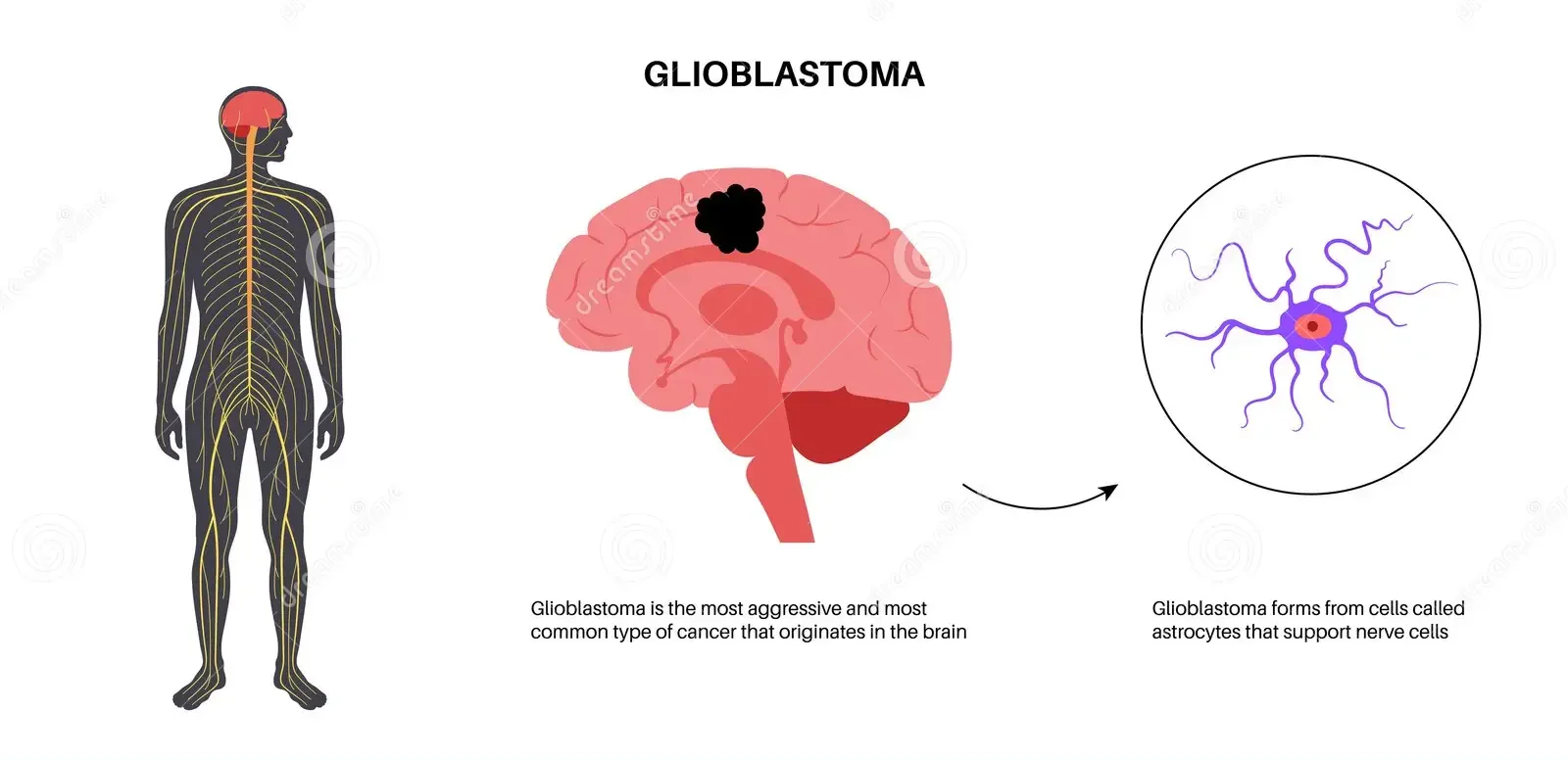
Glioblastoma is a grade 4 astrocytoma—the highest grade and most malignant type of primary brain tumor. Glioblastoma (GBM) is an aggressive and lethal type of brain tumor in human adults. Glioblastoma (GBM), representing approximately half of all primary central nervous system (CNS) malignancies, is the most common primary malignant brain tumor in adults, with an annual incidence of approximately 3 cases per 100,000 people Nature. Despite this relatively low incidence—about 14,000-15,000 new cases annually in the United States—GBM accounts for disproportionate mortality and research attention because of its poor outcomes.
The term “glioma” refers to tumors arising from glial cells—the supporting cells that surround and nourish neurons. “Astrocytoma” indicates the tumor originates from astrocytes, star-shaped glial cells. “Multiforme” describes the tumor’s highly variable appearance under the microscope, reflecting its cellular heterogeneity. Modern classification now emphasizes molecular features: glioblastoma is defined as IDH-wildtype (lacking mutations in the isocitrate dehydrogenase gene), distinguishing it from IDH-mutant astrocytomas which have better prognosis.
GBM can arise de novo (primary glioblastoma) or develop from lower-grade gliomas over time (secondary glioblastoma). Primary GBM represents about 90% of cases, typically affects older adults (median age 64), and behaves extremely aggressively. Secondary GBM, accounting for about 10%, develops in younger patients (typically 30s-40s) from pre-existing low-grade tumors and has slightly better prognosis, though modern classification now categorizes these as “astrocytoma, IDH-mutant, grade 4” rather than glioblastoma.
The tumor most commonly develops in the frontal and temporal lobes—regions controlling movement, speech, personality, and memory—though it can arise anywhere in the brain. GBM rarely metastasizes outside the central nervous system but infiltrates extensively within the brain, sending tentacles of cancer cells far beyond the visible tumor mass. This infiltrative growth pattern is a primary reason why GBM is considered essentially incurable—you cannot surgically remove what you cannot see.
Why Glioblastoma Is So Aggressive: The Biology Of Lethality
Multiple biological features converge to make glioblastoma uniquely lethal. Understanding these mechanisms explains why treatments that work for other cancers fail against GBM.
Rapid, infiltrative growth defines GBM. Cellular origin and heterogeneity of glioblastoma multiform (GBM). GBM tumors originate from three types of cells in the brain parenchyma: neural stem cells (NSCs), NSC-derived astrocytes, and oligodendrocyte precursor cells (OPCs). GBM is characterized by extensive intertumor and intratumor heterogeneity, and has, therefore, been divided into four sub-groups: mesenchymal, classical, proneural, and neural PubMed Central. The tumor grows rapidly—doubling every 1-2 weeks in some cases—while simultaneously sending individual cancer cells migrating along blood vessels and nerve fibers deep into surrounding brain tissue. These infiltrating cells can travel centimeters from the main tumor mass, establishing microscopic satellites invisible on MRI. Even when the visible tumor is completely removed surgically, these scattered cells remain behind, inevitably causing recurrence.
Molecular heterogeneity within individual tumors complicates treatment. A single GBM tumor isn’t a uniform mass of identical cancer cells—it’s a diverse ecosystem containing multiple genetically distinct cell populations. Different regions of the tumor harbor different mutations and express different proteins. This heterogeneity means no single targeted therapy can eliminate all tumor cells. When treatment kills one population, resistant subpopulations survive and repopulate the tumor. The mesenchymal subtype, characterized by extensive necrosis and aggressive behavior, shows particularly poor treatment response.
The blood-brain barrier (BBB) protects the brain from toxins but also excludes most chemotherapy drugs. Tight junctions are less than 1 nm in size and prohibit penetration of >98% of small molecules. Unlike in healthy brain tissue, the BBB in GBM exhibits enhanced permeability due to poorly formed, leaky blood vessels, upregulated transporter proteins, and downregulated tight junction proteins. However, the disruption of the BBB is not uniform throughout a given tumor, with some areas exhibiting blood vessels with higher permeability and other tumor areas with more intact vessels and/or vascular shunts PubMed Central. The infiltrating tumor cells beyond the main mass reside behind intact BBB, unreachable by most systemic therapies. Even when drugs penetrate the tumor, cancer cells overexpress efflux pumps that actively expel chemotherapy, reducing intracellular drug concentrations below therapeutic levels.
Glioma stem cells (GSCs or glioma-initiating cells) represent a particularly problematic cell population. The poorly oxygenated tumor tissue creates a perfect GIC niche and can stimulate downstream oncogenic pathways resulting in heterogeneity, invasiveness, and therapy resistance. Overall, the density and aggressiveness of GICs are negatively correlated with oxygen tension. Several studies suggest that autophagy is induced by hypoxia as a cytoprotective mechanism PubMed Central. These stem-like cells possess extraordinary resistance to radiation and chemotherapy, can self-renew indefinitely, and drive tumor recurrence after treatment. They reside in hypoxic (low-oxygen) niches within the tumor, where protective mechanisms like autophagy help them survive therapy. Treatments that shrink the bulk tumor may leave stem cells intact, leading to rapid regrowth.
Immunosuppressive microenvironment prevents effective immune attack. GBM tumors secrete factors that recruit regulatory T-cells, myeloid-derived suppressor cells, and tumor-associated macrophages—all of which suppress rather than support anti-tumor immunity. The tumor also expresses checkpoint proteins like PD-L1 that inactivate tumor-infiltrating lymphocytes. This creates an immunologically “cold” tumor resistant to immunotherapy approaches that have revolutionized treatment of melanoma, lung cancer, and other malignancies.
Metabolic reprogramming allows GBM cells to thrive in hostile conditions. The tumor’s rapid growth outpaces blood vessel formation, creating regions of severe hypoxia and nutrient deprivation that would kill normal cells. GBM cells adapt through metabolic flexibility—switching energy sources, altering lipid metabolism, and activating survival pathways that allow continued proliferation despite stress. This adaptability contributes to treatment resistance.
Current Standard Treatment: The Stupp Protocol
Despite glioblastoma’s aggressive biology, treatment does extend survival compared to no intervention—from 3 months with supportive care only to 12-15 months with optimal multimodal therapy. The standard of care (SOC) therapy for GBM includes maximum safe surgical tumor resection followed by radiotherapy (RT) with concurrent and adjuvant temozolomide (TMZ) chemotherapy. Despite these aggressive treatments, the median overall survival (mOS) of GBM patients remains dismally low, typically ranging from 12–18 months postdiagnosis Nature.
Surgery forms the treatment foundation. Maximum safe resection—removing as much tumor as possible without causing unacceptable neurologic deficits—improves survival compared to biopsy only. The first treatment option for GBM is surgical resection of the affected brain, which provides tissue for pathohistological confirmation of the GBM diagnosis. If the affected brain tissue is “non-eloquent”, then the resection can be performed more extensively. Even with the implementation of modern tools, such as intraoperative imaging (neuronavigation, intraoperative MRI), and enhanced microscopic visualization MDPI. Patients undergoing debulking surgery live approximately 13-15 months median versus 6-8 months with biopsy only.
Modern surgical techniques maximize resection while preserving function. Intraoperative MRI provides real-time imaging, allowing surgeons to verify complete removal of visible tumor. Neuronavigation (surgical GPS) guides the approach. For tumors near eloquent cortex (areas controlling critical functions like speech or movement), awake craniotomy with brain mapping allows testing function during surgery to avoid damage. Fluorescence-guided surgery using 5-aminolevulinic acid makes tumor tissue glow under special light, improving visualization.
Even aggressive “supramaximal” resection extending beyond contrast-enhancing tumor into surrounding T2-hyperintense regions—removing some normal-appearing but likely infiltrated tissue—cannot eliminate all cancer cells. Microscopic tumor infiltration extends far beyond what imaging reveals. Complete surgical cure is impossible.
Radiation therapy follows surgery after 2-4 weeks for wound healing. Standard treatment delivers 60 Gray (Gy) in 30 fractions over 6 weeks to the tumor bed plus a 2-3 cm margin. Radiation damages DNA in rapidly dividing cells, causing death when cells attempt to divide. GBM cells are moderately radiosensitive, and radiation provides meaningful tumor control. However, radiation also damages normal brain tissue. Dose is limited by neurotoxicity risk—higher doses would cause unacceptable cognitive decline, necrosis, and other complications.
Newer techniques like intensity-modulated radiotherapy (IMRT) and proton therapy shape radiation beams more precisely, reducing dose to surrounding normal tissue. However, even optimized radiation cannot reach infiltrating tumor cells at the tumor periphery without irradiating large brain volumes.
Temozolomide chemotherapy revolutionized GBM treatment when introduced in 2005. The landmark Stupp trial demonstrated that adding temozolomide to radiation improved median survival from 12.1 to 14.6 months and 2-year survival from 10% to 27%—modest but meaningful gains that established the current standard. Temozolomide is an oral alkylating agent that damages DNA by adding methyl groups, eventually causing cell death. It crosses the blood-brain barrier reasonably well and is relatively well-tolerated compared to traditional intravenous chemotherapy.
Treatment starts with concurrent radiation-temozolomide (75 mg/m² daily during the 6-week radiation course), followed by 1-month break, then adjuvant temozolomide (150-200 mg/m² for 5 days every 28 days) for 6-12 cycles. MGMT promoter methylation—an epigenetic modification that silences the MGMT DNA repair gene—predicts better response to temozolomide. Patients with methylated MGMT have median survival around 21-24 months versus 12-15 months with unmethylated MGMT.
Temozolomide side effects include nausea, fatigue, constipation, and myelosuppression (low blood counts), particularly thrombocytopenia (low platelets) and lymphopenia (low lymphocytes). Pneumocystis pneumonia prophylaxis is recommended during treatment due to lymphopenia. Some patients develop resistance to temozolomide, limiting long-term efficacy.
Tumor-Treating Fields: A Novel Physical Approach
Tumor-treating fields (TTFields, brand name Optune) represent the most significant advance in glioblastoma treatment since temozolomide. TTFields use low-intensity alternating electric fields to disrupt cancer cell division. TTFields are electric fields that exert physical forces to disrupt critical cellular processes, ultimately leading to cancer cell death. TTFields therapy acts via a multimodal mechanism of action that includes effects on mitosis, autophagy, the DNA damage response, cell adhesion and motility, stimulation of antitumor immune responses, and increased cell and blood–brain barrier (BBB) permeability Oxford Academic.
The device consists of insulated transducer arrays applied to the shaved scalp in two perpendicular orientations, connected to a portable battery-powered field generator worn in a backpack or shoulder bag. The arrays deliver 200 kHz alternating electric fields that penetrate the brain. During mitosis (cell division), these fields interfere with spindle formation and chromosome segregation, causing mitotic catastrophe and cell death. Since GBM cells divide rapidly while mature neurons don’t divide, TTFields selectively affect cancer cells.
The pivotal EF-14 trial randomized 695 patients with newly diagnosed glioblastoma to temozolomide plus TTFields versus temozolomide alone after completing radiation-temozolomide. Results demonstrated TTFields significantly improved outcomes. Median overall survival increased from 16.0 months with temozolomide alone to 20.9 months with TTFields plus temozolomide—a nearly 5-month improvement. Two-year survival improved from 31% to 43%, and five-year survival from 5% to 13%. The benefit extended across all patient subgroups.
TTFields require significant commitment—patients must wear the arrays at least 18 hours daily for benefit, ideally >22 hours. Compliance correlates with outcome: patients wearing the device >90% of the time had median survival 24.9 months versus 20.9 months overall. The main side effect is scalp skin irritation beneath the arrays, occurring in about 50% of patients but manageable with topical treatments. Unlike chemotherapy, TTFields cause no systemic toxicity—no nausea, hair loss, or myelosuppression.
Glioblastoma (GBM) is the most common and aggressive primary brain tumor. Long-term survivors are rare, with only 6.9% alive at 5 years from diagnosis, and more efficacious therapies are needed. Tumor Treating Fields (TTF; Optune Gio®) is an FDA-approved device with data supporting a significant survival benefit and minimal toxicity when added to maintenance chemotherapy Oxford Academic. The device received FDA approval in 2015 and is now considered standard of care, with National Comprehensive Cancer Network (NCCN) guidelines listing TTFields plus temozolomide as a Category 1 recommendation for newly diagnosed glioblastoma.
Newer research explores TTFields combinations with immunotherapy. Complete in situ vaccination and anti–PD-1 immunotherapy led to T-cell expansion and clonal replacement, which in turn led to tumor control for patients with glioblastoma. Results were highlighted in the phase 2 2-THE-TOP trial analyzing the safety and efficacy of adjuvant temozolomide plus tumor treating fields (TTFields; Optune) and pembrolizumab (Keytruda). The median progression-free survival (PFS) in the experimental arm reached 12 months vs 5.8 in the control arm. The median overall survival (OS) was 24.8 months vs 14.6 months Cancer Network. These promising results are being tested in larger phase 3 trials.
What Doesn’t Work: Failed Approaches And Lessons Learned
Glioblastoma’s resistance to treatment has led to numerous therapeutic failures, each teaching important lessons. Despite incremental advances in the therapeutic approach to GBM, there has been minimal development of both new and existing drug therapies for recurrent GBM. The last drug to significantly improve OS for GBM was TMZ, which was introduced 20 years ago Springer.
Bevacizumab (Avastin), a VEGF inhibitor that blocks new blood vessel formation, received accelerated FDA approval for recurrent glioblastoma based on imaging response rates. However, subsequent phase 3 trials testing bevacizumab in newly diagnosed glioblastoma showed it improved progression-free survival (time until tumor growth) but did not improve overall survival—patients lived no longer. Bevacizumab can reduce tumor swelling and steroid requirements, providing symptom relief, but doesn’t alter disease course. It remains an option for recurrent disease but isn’t standard first-line treatment.
Targeted therapies aimed at specific molecular pathways have largely failed in glioblastoma despite success in other cancers. Glioblastoma remains the most prevalent and aggressive primary malignant brain tumor in adults, characterized by limited treatment options and a poor prognosis. Previous drug repurposing efforts have yielded only marginal survival benefits, particularly those involving inhibitors targeting receptor tyrosine kinase and cyclin-dependent kinase-retinoblastoma pathways. This limited efficacy is likely due to several critical challenges, including the tumor’s molecular heterogeneity, the dynamic evolution of its genetic profile, and the restrictive nature of the blood-brain barrier Frontiers.
EGFR amplification occurs in about 40% of glioblastomas, but EGFR inhibitors (erlotinib, gefitinib) showed no survival benefit in clinical trials. PDGFR inhibitors (imatinib) similarly failed. The problem: tumor heterogeneity means only portions of the tumor depend on any single pathway, and bypass mechanisms allow tumor survival when one pathway is blocked.
Immunotherapy checkpoint inhibitors (nivolumab, pembrolizumab) transformed treatment of melanoma, lung cancer, and other malignancies but have shown minimal activity in glioblastoma when used alone. The efficacy of ICIs is also limited by the immunosuppressive TME and low immunogenicity of GBM cells. Given the multiple mechanisms that mediate monoimmunotherapy resistance, combining immune-based approaches with SOC or other immune-remodeling strategies represents a new direction for GBM treatment and has the potential to overcome immunotherapy resistance Nature. The immunosuppressive tumor microenvironment, lack of inflammatory T-cell infiltration, and low mutation burden (meaning few tumor neoantigens for immune recognition) all contribute to resistance.
Multiple large randomized trials testing checkpoint inhibitors in newly diagnosed and recurrent glioblastoma failed to show survival benefit. However, combinations with other therapies (like TTFields, as discussed above) or strategies to “heat up” the cold tumor microenvironment may yet prove effective.
Cancer vaccines, CAR-T cells, and other immunotherapies have shown occasional dramatic responses in individual patients but haven’t achieved consistent benefit in larger trials. Antigen loss—where tumor cells stop expressing the target antigen—remains a major obstacle. GBM’s heterogeneity means even initially effective immune responses may drive selection for antigen-negative escape variants.
Why Treatment Fails: The Recurrence Problem
Despite optimal treatment, glioblastoma recurrence is virtually inevitable. Standard therapy for GBM encompasses surgical resection followed by chemoradiotherapy, using temozolomide (TMZ). However, 5-year survival is only 7.2% in the United States. Despite maximal surgical resection and aggressive adjuvant therapy, almost all GBM tumors locally recur after treatment. Ongoing challenges to GBM treatment include its incomplete resection, high degree of genetic heterogeneity, exclusive blood brain barrier (BBB), and immunosuppressive microenvironment PubMed Central.
Recurrence typically occurs at the resection margin—the edge of the surgically created cavity—where infiltrating tumor cells persisted in surrounding brain. Median time to recurrence is 6-9 months after completing initial treatment. Some recurrences occur within the radiation field, representing treatment-resistant cells. Others occur outside the radiation field from infiltrating cells never treated.
Treatment options for recurrent glioblastoma are limited and disappointing. Treatment failure is driven by multiple factors, including complex tumor heterogeneity, the presence of cancer stem cells, the immunosuppressive tumor microenvironment (TME), and many others. GBM’s heterogeneity underlines its ability to resist therapies and adapt to the TME. The TME, which is highly immunosuppressive and shaped by hypoxia, impairs anti-tumor immunity and limits the efficacy of immunotherapy MDPI.
Repeat surgery may be considered for focal recurrences in good-performance-status patients, though benefit is limited—median survival after second surgery is typically 6-12 months. Re-irradiation carries high neurotoxicity risk but may provide temporary control. Bevacizumab can reduce edema and provide symptom relief. Lomustine (CCNU) or other nitrosourea chemotherapy agents are sometimes used. Clinical trial participation is encouraged.
Ultimately, most patients succumb to progressive disease despite all interventions. Managing symptoms—headaches, seizures, neurologic deficits, cognitive decline—becomes the focus. Steroids reduce cerebral edema. Anti-epileptic drugs control seizures. Palliative care optimizes comfort and quality of life during the time remaining.
Emerging Approaches: Where Hope Lies
While no breakthrough cure exists, multiple innovative approaches are under investigation. Emerging therapies, such as immunotherapies, oncolytic viral therapies, extracellular vesicle-based approaches, and non-coding RNA interventions, are highlighted as promising research directions. By addressing these persistent hurdles and highlighting promising research directions, this review aims to inspire innovative strategies that could transform GBM treatment, improve patient outcomes, and advance the therapeutic landscape for this devastating disease Nature.
Oncolytic viruses are genetically modified viruses that selectively infect and kill cancer cells while sparing normal cells. Several oncolytic viruses are in clinical trials for glioblastoma. The virus replicates within tumor cells, lysing them and releasing tumor antigens that stimulate anti-tumor immunity. HSV-1 (herpes simplex virus), adenovirus, and poliovirus-rhinovirus chimeric constructs have shown promising early results. The challenge: achieving sufficient viral spread through the tumor and overcoming host immune responses that eliminate the virus.
CAR-T cell therapy engineers a patient’s own T-cells to recognize specific tumor antigens, then reinfuses them to attack cancer. CAR-T has revolutionized treatment of some blood cancers. In glioblastoma, CAR-T targeting EGFRvIII (a mutant EGFR variant), IL-13Rα2, and other antigens is under investigation. Early trials showed some dramatic responses but also highlighted challenges: antigen heterogeneity (not all tumor cells express the target), antigen loss (tumor evolves to lose the targeted antigen), and limited T-cell trafficking into the immunosuppressive tumor.
Nanomedicine and drug delivery innovations attempt to circumvent the blood-brain barrier. The presence of chemoresistant/radioresistant cancer stem cells (CSCs) and biological barriers like the blood–brain barrier (BBB) extend hindrance to the efficacy of conventional therapies against GBM. With the inception of the field of nano-theranostics, the efficacy of conventional techniques such as CHT and radiotherapy (RT) has been shown to improve significantly. This field combines therapy and diagnostics into a single nanoplatform to deliver specific and personalized therapy PubMed Central.
Nanoparticles can be engineered to cross the BBB and selectively accumulate in tumors. Convection-enhanced delivery uses catheters placed directly into the tumor to infuse drugs under pressure, bypassing the BBB entirely. Focused ultrasound temporarily disrupts the BBB in specific regions, allowing drug penetration. These approaches remain investigational but show promise.
Metabolic targeting exploits GBM’s unique metabolic vulnerabilities. Ketogenic diets, which shift metabolism toward fat burning rather than glucose burning, may enhance treatment efficacy since GBM cells have impaired ability to metabolize ketones. IDH inhibitors target the mutant IDH enzyme in secondary glioblastomas. Drugs targeting mitochondrial metabolism, autophagy, and lipid metabolism are in preclinical and early clinical development.
Personalized medicine approaches use comprehensive molecular profiling of individual tumors to guide treatment selection. Multi-omic analysis—genomics, transcriptomics, proteomics, metabolomics—reveals the specific pathways driving each patient’s tumor. Precision oncology platforms test drugs against patient-derived tumor cells in vitro to identify potentially effective agents. While conceptually appealing, implementing personalized approaches faces practical challenges: tumor heterogeneity means profiling one region may not represent the whole tumor; actionable targets remain elusive for most patients; and available targeted drugs have failed in GBM trials.
Combination strategies hold the most promise, since no single approach can overcome GBM’s multiple resistance mechanisms. Given the multiple mechanisms that mediate monoimmunotherapy resistance, combining immune-based approaches with SOC or other immune-remodeling strategies represents a new direction for GBM treatment and has the potential to overcome immunotherapy resistance. Multiple combination strategies, including SOC combined with immunotherapies, ICIs combined with other types of immunotherapies (e.g., CAR-T-cell therapies, cancer vaccines, and OV therapies) Nature. Rational combinations attack the tumor through complementary mechanisms—surgery plus radiation plus chemotherapy plus TTFields plus immunotherapy, for instance. The challenge: balancing toxicity while maximizing benefit.
Living With Glioblastoma: Quality Of Life And Support
Beyond survival statistics, quality of life profoundly matters. Glioblastoma and its treatments affect every aspect of life—cognition, personality, mobility, independence, relationships. Seizures occur in 30-50% of patients, requiring anti-epileptic medications with their own cognitive side effects. Progressive neurologic deficits may include weakness, speech difficulties, vision changes, or memory loss depending on tumor location.
Steroid side effects—weight gain, facial swelling, mood changes, muscle weakness, diabetes, infection risk—complicate quality of life for patients requiring chronic steroids for cerebral edema. Balancing symptom control against steroid toxicity requires careful management. Fatigue is nearly universal and often profound, limiting activities patients previously enjoyed.
Cognitive changes can be particularly devastating. Treatments themselves—radiation especially—contribute to cognitive decline beyond tumor effects. Patients may struggle with memory, attention, processing speed, and executive function. Some personality changes occur—apathy, disinhibition, mood lability. These changes affect relationships and sense of self.
Driving restrictions apply when seizures occur or neurologic deficits impair safety. Loss of driving independence profoundly impacts patients, particularly in areas without public transportation. Employment often becomes impossible as disease and treatment progress. Financial toxicity—medical bills, lost income, caregiver costs—adds stress.
Support systems are crucial. Organizations like the National Brain Tumor Society, American Brain Tumor Association, and glioblastoma-specific foundations provide education, support groups, and resources. Many patients find meaning through clinical trial participation, contributing to research while accessing investigational treatments. Palliative care involvement early in the disease course—not just at end of life—improves symptom management, quality of life, and even survival in some studies.
Frequently Asked Questions
Q1: I was just diagnosed with glioblastoma. What’s my realistic prognosis? Median survival with standard treatment (surgery, radiation, temozolomide, TTFields) is approximately 15-21 months, meaning half of patients live longer and half shorter. Individual prognosis varies dramatically based on age (younger patients do better), performance status (how well you function), extent of surgical resection (complete removal of visible tumor improves outcomes), MGMT promoter methylation status (methylated tumors respond better to chemotherapy and have ~21-24 month median survival versus ~12-15 months for unmethylated), and treatment tolerance. Patients under 50 with good function, complete resection, and methylated MGMT may survive 2-5 years. Five-year survival overall is approximately 7%, though rising to 13% with TTFields. While statistics inform expectations, individual outcomes vary—some patients far exceed median survival. Focus on optimizing treatment, maximizing quality time, and participating in clinical trials if eligible.
Q2: Should I pursue aggressive treatment or focus on quality of life? This deeply personal decision depends on your age, overall health, functional status, tumor characteristics, and priorities. Aggressive treatment—surgery, full-course radiation, chemotherapy, TTFields—extends survival by months to years compared to supportive care only but requires significant commitment and causes side effects. For young, healthy patients with good function, aggressive treatment is typically recommended since it’s the only chance for extended survival. For elderly or frail patients with multiple comorbidities and poor function, abbreviated radiation or supportive care focusing on comfort may be more appropriate. Most oncologists recommend trying treatment initially; if side effects become intolerable or disease progresses rapidly despite treatment, you can transition to comfort-focused care. Involve palliative care early to optimize symptom management while pursuing disease-directed therapy.
Q3: Are there any experimental treatments I should know about? Numerous clinical trials are ongoing, testing immunotherapies (checkpoint inhibitors, CAR-T cells, cancer vaccines), oncolytic viruses, novel drug delivery methods, metabolic inhibitors, and combination approaches. Clinical trial participation should be strongly considered—trials offer access to potentially more effective treatments while contributing to research that may help future patients. Work with your neuro-oncologist to identify appropriate trials through ClinicalTrials.gov, the National Brain Tumor Society trial finder, or major cancer centers’ trial portfolios. Phase 1 trials test safety of new approaches and accept patients who’ve exhausted standard options. Phase 2-3 trials compare new approaches against standard treatment and typically enroll newly diagnosed patients. Not all trials are appropriate for all patients—enrollment criteria can be strict.
Q4: My tumor is growing despite treatment. What options remain? Recurrent glioblastoma options are limited but include: repeat surgery if recurrence is focal and you have good functional status (provides temporary control, median survival 6-12 months); bevacizumab to reduce edema and control symptoms (doesn’t extend survival but can improve quality of life); re-irradiation in select cases (limited by prior radiation dose); alternative chemotherapy (lomustine/CCNU, carboplatin, irinotecan, others—modest benefit); clinical trials (should be strongly considered); and transition to hospice/palliative care focusing on comfort. At recurrence, having frank discussions with your oncologist about goals of care is crucial. Some patients prefer trying additional treatments while others prioritize quality time at home. There’s no wrong choice—the right decision is the one aligned with your values and goals.
Q5: I’m a caregiver for someone with glioblastoma. How can I help? Caregiving for glioblastoma patients is physically and emotionally demanding. Practical support includes: accompanying them to appointments and taking notes (patients often don’t retain information when overwhelmed); managing medications and treatment schedules; providing transportation (many patients can’t drive due to seizures or deficits); assisting with daily activities as needed; monitoring for seizures or neurologic changes requiring urgent attention; and advocating for their needs with healthcare providers. Emotional support matters enormously—being present, listening without trying to fix things, maintaining normalcy where possible, and allowing them to express fears and grief. Take care of yourself too—caregiver burnout is real. Accept help from friends/family, utilize support groups for caregivers, consider counseling, and arrange respite care when needed. Organizations like the National Brain Tumor Society offer caregiver-specific resources. Remember you cannot be everything to everyone—it’s okay to set boundaries and ask for help.
Disclaimer
This article adapts publicly available information from reputable medical sources and brain tumor research organizations. This content is for informational and educational purposes only and does not constitute medical advice. ObserverVoice.com is a news and information platform — not a healthcare provider. Decisions about glioblastoma diagnosis and treatment should be made in consultation with qualified neurosurgeons, neuro-oncologists, radiation oncologists, and other healthcare professionals who can evaluate your individual tumor characteristics, molecular profile, surgical options, functional status, and overall health. If you have been diagnosed with glioblastoma or brain tumor, please consult with your healthcare team promptly to discuss appropriate treatment options and clinical trial eligibility. Every patient’s situation is unique and requires personalized medical evaluation.
References
- Nature. Glioblastoma at the crossroads: current understanding and future therapeutic horizons. https://www.nature.com/articles/s41392-025-02299-4
- Frontiers in Oncology. Challenges and advances in glioblastoma targeted therapy. https://www.frontiersin.org/journals/oncology/articles/10.3389/fonc.2024.1441460/full
- PMC. Glioblastoma Multiforme (GBM): An overview of current therapies and mechanisms of resistance. https://pmc.ncbi.nlm.nih.gov/articles/PMC8384724/
- Nature. Immunotherapy for glioblastoma: current state, challenges, and future perspectives. https://www.nature.com/articles/s41423-024-01226-x
- MDPI. Why Do Glioblastoma Treatments Fail? https://www.mdpi.com/2673-9879/5/1/7
Observer Voice is the one stop site for National, International news, Sports, Editor’s Choice, Art/culture contents, Quotes and much more. We also cover historical contents. Historical contents includes World History, Indian History, and what happened today. The website also covers Entertainment across the India and World.

