

Water, Sanitation and Hygiene: WHO Reports 2 Billion People Lack Safe Drinking Water

Key Facts
- According to WHO, 2 billion people worldwide lack safely managed drinking water services, with 1.2 billion facing high or critical water stress
- WHO data shows 3.6 billion people—nearly half the global population—lack safely managed sanitation services
- An estimated 419,000 deaths from diarrheal disease occur annually due to inadequate WASH, WHO reports, with children under 5 representing a disproportionate share
- WHO identifies that only 71% of the global population has access to safely managed drinking water, leaving 2 billion without this essential service
- According to WHO, inadequate WASH is responsible for approximately 60% of diarrheal deaths globally, disproportionately affecting low- and middle-income countries
When WHO and UNICEF released their 2023 Joint Monitoring Programme report on water, sanitation, and hygiene, the headline finding wasn’t surprising—it was damning. Despite decades of international development goals, billions of people still lack basic WASH services, and progress has stalled or reversed in multiple regions. The COVID-19 pandemic exposed just how foundational WASH is: handwashing with soap became a frontline defense against transmission, yet 2.3 billion people lacked basic handwashing facilities at home. This isn’t just about infrastructure deficits. It’s about disease transmission, child mortality, gender inequality, economic productivity, and dignity. This article examines what WHO’s latest data reveals about the global WASH crisis, from cholera outbreaks linked to contaminated water to the structural barriers preventing universal access, and how health initiatives are—or aren’t—closing the gap.
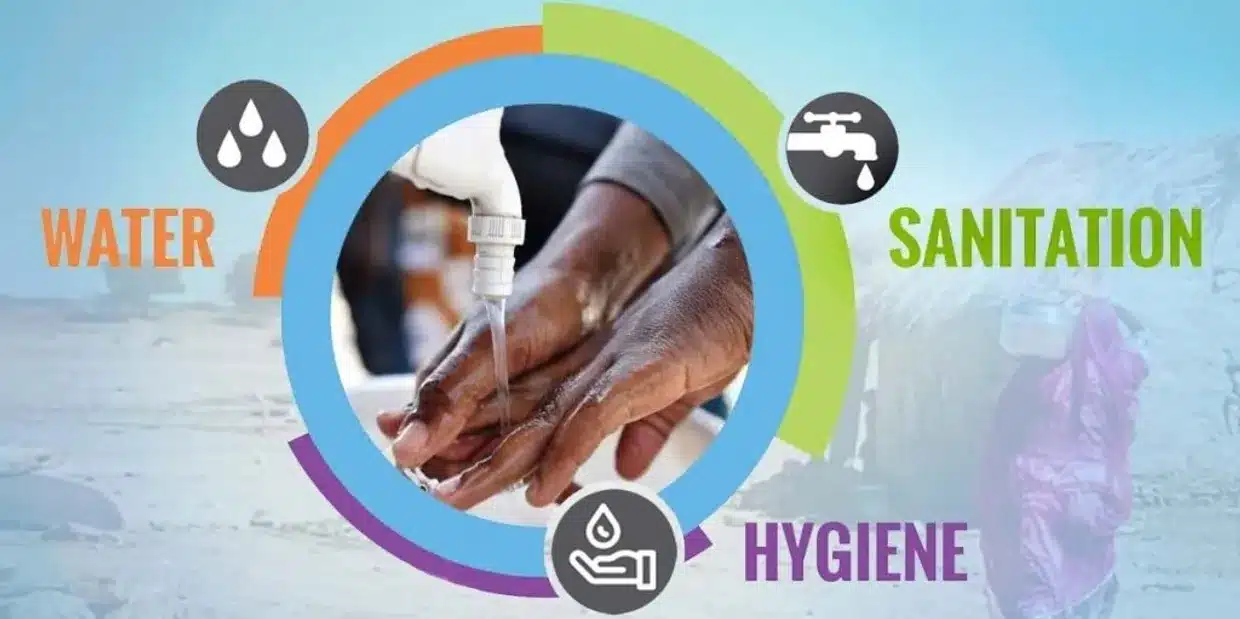
What Is Water, Sanitation and Hygiene (WASH)? — WHO’s Definition
According to WHO, water, sanitation, and hygiene (WASH) refers to the provision of safe drinking water, adequate sanitation facilities, and hygiene practices that together prevent disease transmission and protect public health. WHO’s framework distinguishes between service levels: safely managed services (water from improved sources located on premises, available when needed, and free from contamination; sanitation facilities that safely dispose of excreta and are not shared), basic services (improved sources or facilities that may have some limitations), limited services (improved sources requiring over 30 minutes to collect water or shared sanitation), and unimproved or open defecation.
This isn’t a single intervention—it’s an interconnected system. Safe water alone doesn’t prevent disease if sanitation is inadequate or if hygiene practices don’t include handwashing with soap at critical times. WHO’s definition emphasizes the “safely managed” standard: water that’s accessible, available, and safe; sanitation that ensures human waste is safely contained and treated; and hygiene behaviors, particularly handwashing, that interrupt fecal-oral disease transmission. The goal isn’t just access—it’s reliable, safe, dignified access that functions as a foundation for health.
Global Burden
WHO’s 2023 data, compiled through the Joint Monitoring Programme (JMP) with UNICEF (https://www.who.int/teams/environment-climate-change-and-health/water-sanitation-and-health/monitoring-and-evidence/wash-systems-monitoring/un-water-global-analysis-and-assessment-of-sanitation-and-drinking-water), paints a stark picture. Globally, 2 billion people lack safely managed drinking water, including 703 million without even basic water services. For sanitation, the gap is wider: 3.6 billion people lack safely managed sanitation, and 419 million still practice open defecation—a number that should have been eliminated years ago under the Millennium Development Goals.
The geographic distribution is highly unequal. Sub-Saharan Africa bears the heaviest burden: only 29% of the population has safely managed drinking water, and just 20% has safely managed sanitation. South Asia follows with massive absolute numbers—over 1 billion people lacking safely managed sanitation. In contrast, high-income countries approach near-universal coverage, though gaps persist among marginalized populations including homeless communities, undocumented migrants, and rural areas with aging infrastructure.
Urban-rural divides are sharp. WHO data shows that 96% of urban populations have at least basic drinking water, compared to 84% in rural areas. For safely managed sanitation, the gap widens: 62% urban versus 44% rural. But urbanization isn’t solving the problem—it’s reshuffling it. Rapid urban growth in low- and middle-income countries has created sprawling informal settlements where WASH infrastructure hasn’t kept pace. According to research published in The Lancet Global Health (https://www.thelancet.com/journals/langlo/article/PIIS2214-109X(20)30278-3/fulltext), slum populations in cities like Nairobi, Dhaka, and Mumbai face WASH conditions as poor as or worse than rural areas, with shared latrines serving 50+ households and water sources contaminated by inadequate sewage systems.
Children under 5 and pregnant women face disproportionate risk. WHO estimates that diarrheal disease—overwhelmingly caused by inadequate WASH—kills approximately 525,000 children under 5 annually. That’s 1,400 preventable deaths every day. The burden extends beyond mortality: chronic diarrhea contributes to malnutrition and stunting, affecting cognitive development and long-term health outcomes. This mirrors patterns seen in other child health crises, such as anaemia, which affects 40% of children globally, often exacerbated by parasitic infections transmitted through contaminated water.
Healthcare facilities themselves face WASH deficits. WHO’s 2019 global baseline report found that 26% of healthcare facilities lack basic water services, 21% lack basic sanitation, and 16% lack basic hand hygiene facilities. In least developed countries, the figures are worse: 42% lack basic water. How can health workers prevent infection in healthcare settings without the most basic tools?
Causes, Transmission & Risk Factors
Inadequate WASH facilitates disease transmission through multiple pathways. The primary mechanism is fecal-oral transmission: pathogens from human waste contaminate water sources, food, hands, or surfaces, then enter the digestive tract of new hosts. Bacteria (Vibrio cholerae causing cholera, pathogenic E. coli, Shigella, Salmonella), viruses (rotavirus, norovirus, hepatitis A), and parasites (Giardia, Cryptosporidium, soil-transmitted helminths) all use this route.
WHO’s risk factor framework identifies structural, environmental, and behavioral determinants. Structural factors include lack of infrastructure investment, poverty, rapid urbanization, conflict and displacement, and governance failures. According to the World Bank’s WASH data portal (https://www.worldbank.org/en/topic/water/publication/wash-poor), the poorest 20% of households globally are 8 times less likely to have safely managed water and 18 times less likely to have safely managed sanitation than the wealthiest 20%. This isn’t random—it’s systematic underinvestment in marginalized populations.
Environmental factors matter too. Climate change is intensifying water stress—WHO data shows 1.2 billion people live in areas facing high or critical water scarcity. Droughts, floods, and extreme weather events disrupt water supplies and contaminate sources. Research in Environmental Health Perspectives (https://ehp.niehs.nih.gov/doi/10.1289/EHP7296) documents increased diarrheal disease incidence following flooding events when sewage systems overflow and contaminate drinking water sources. The pattern parallels other climate-health linkages: just as heatwaves create cascading health impacts, water stress from climate change amplifies WASH-related disease burden.
Behavioral risk factors include lack of handwashing with soap at critical times (after defecation, before food preparation, before eating), unsafe water storage practices, and open defecation. But framing these as individual choices misses the point: if you don’t have soap, water, or a latrine, behavior change is impossible. WHO’s evidence reviews show that even when people understand WASH principles, poverty and lack of infrastructure prevent uptake.
Conflict and displacement create acute WASH crises. Refugee populations in camps or informal settlements often face severely inadequate WASH services—one latrine per 100+ people, water rationing, no handwashing facilities. These conditions create perfect transmission environments for cholera, dysentery, and other waterborne diseases.
Signs, Symptoms and Health Impacts
WHO identifies both acute and chronic health impacts from inadequate WASH. Acute impacts are dominated by diarrheal diseases: watery or bloody diarrhea, vomiting, abdominal cramps, fever, dehydration. In young children, severe dehydration can progress rapidly to shock and death. Cholera—caused by Vibrio cholerae transmitted through contaminated water—can kill within hours if untreated. WHO reports that cholera causes an estimated 95,000 deaths annually, with case fatality rates in some outbreaks exceeding 50% among untreated populations.
Other waterborne infections present distinct symptom profiles. Typhoid fever causes sustained fever, headache, and gastrointestinal symptoms. Hepatitis A causes jaundice, fatigue, and liver inflammation. Parasitic infections like giardiasis cause chronic diarrhea and malabsorption. Schistosomiasis, transmitted when people contact contaminated water, causes urinary or intestinal symptoms and, chronically, can lead to bladder cancer or liver fibrosis.
Chronic impacts extend beyond infectious disease. Soil-transmitted helminth infections, facilitated by open defecation and poor sanitation, cause anemia, malnutrition, and impaired cognitive development in children. WHO estimates that over 1.5 billion people are infected with soil-transmitted helminths globally. Trachoma—the leading infectious cause of blindness worldwide—is directly linked to inadequate water and sanitation; flies breed in human waste and transmit the bacteria to eyes, particularly in children. WHO’s SAFE strategy (Surgery, Antibiotics, Facial cleanliness, Environmental improvement) recognizes that treating trachoma without improving WASH is futile.
Mental health and dignity impacts are real but rarely quantified. Women and girls who lack private sanitation facilities face safety risks including sexual assault when using distant or shared latrines. School attendance among adolescent girls drops when schools lack adequate menstrual hygiene facilities. The time burden of water collection—often falling on women and children who spend hours daily carrying water—limits educational and economic opportunities.
Treatment and Health Response
WHO reports that current approaches to WASH-related health impacts are split between treatment of disease and provision of infrastructure. For acute diarrheal disease, oral rehydration solution (ORS) and zinc supplementation are WHO-recommended frontline treatments that reduce mortality by over 90% when properly implemented. Yet WHO data shows that only 44% of children with diarrhea in low- and middle-income countries receive ORS, and zinc coverage is even lower.
Access to treatment varies dramatically. In high-income countries, waterborne disease outbreaks are rare and when they occur, rapid public health response—boil water advisories, emergency chlorination, diagnostic testing—limits impact. In low-income settings, particularly rural areas and informal settlements, access to healthcare is limited, diagnostic capacity is weak, and even basic treatments like IV fluids may be unavailable. The 2016-2018 cholera outbreak in Yemen—the largest in modern history with over 2.3 million suspected cases—was driven by collapsed WASH infrastructure from civil war, but high mortality was partly due to overwhelmed healthcare systems unable to provide timely treatment.
Long-term health monitoring for chronic WASH-related conditions is almost nonexistent. Children with repeated diarrheal episodes develop environmental enteric dysfunction—chronic gut inflammation and malabsorption that contributes to stunting—but this condition is rarely diagnosed or treated. Parasitic infections go untreated for years. The health system response remains reactive: treat acute disease when it presents, rather than addressing the underlying WASH determinants.
WHO’s WASH in healthcare facilities initiative (https://www.who.int/teams/integrated-health-services/infection-prevention-control/wash) aims to ensure basic WASH services in all health facilities by 2030. But as of 2019 baseline data, 26% of facilities lacked even basic water. How can we expect healthcare workers to prevent healthcare-associated infections, deliver safe births, or control antimicrobial resistance without basic handwashing capacity? The gap between policy and reality is vast.
Prevention & WHO Strategies
WHO frames WASH as a preventive intervention—not a luxury, but a foundation for disease prevention. The evidence is overwhelming. Handwashing with soap alone reduces diarrheal disease by approximately 30%, WHO meta-analyses show. Safe water reduces diarrheal disease by 25-50% depending on the intervention. Adequate sanitation, particularly eliminating open defecation, reduces diarrheal and parasitic disease transmission substantially.
WHO’s prevention strategies align with Sustainable Development Goal 6 (https://sdgs.un.org/goals/goal6): ensure availability and sustainable management of water and sanitation for all by 2030. Targets include universal access to safe and affordable drinking water (6.1), adequate sanitation and hygiene with an end to open defecation (6.2), improved water quality (6.3), and increased water-use efficiency (6.4). The deadline is 2030—just six years away—and current trajectories show we’re nowhere near on track.
WHO’s technical guidance emphasizes multi-barrier approaches. For water safety: source protection (preventing contamination at watersheds), treatment (filtration, chlorination, boiling), safe storage and distribution, and regular quality monitoring. WHO’s Guidelines for Drinking-Water Quality (https://www.who.int/publications/i/item/9789241549950) set health-based targets for microbial and chemical contaminants that inform national standards globally.
For sanitation, WHO promotes the “sanitation ladder”: eliminating open defecation first, then improving facility quality, ensuring safe disposal or treatment of waste, and ultimately achieving safely managed sanitation with wastewater treatment. Community-led total sanitation (CLTS) programs have succeeded in some contexts by mobilizing communities to collectively end open defecation rather than relying solely on subsidy-driven latrine construction. But CLTS has been criticized for pressuring poor households to build latrines they can’t afford, and for focusing on behavior change without addressing structural poverty.
Hygiene promotion, particularly handwashing, requires both infrastructure (handwashing stations with soap and water) and behavior change. WHO’s handwashing guidance emphasizes critical times: after using the toilet, after cleaning a child who has used the toilet, before preparing food, before eating, and before feeding a child. Yet global handwashing rates remain abysmally low—fewer than 20% of people wash hands with soap after contact with excreta in many low-income settings, WHO reports.
Policy interventions matter enormously. Regulation of water utilities, building codes requiring sanitation facilities, public financing for WASH infrastructure, and integration of WASH into health, education, and urban planning policies all determine outcomes. Countries that achieved universal WASH coverage—like many in Europe and North America—did so through massive public investment and strong regulation, not through household-level interventions or behavior change alone.
WHO’s Global Efforts
WHO’s work on WASH spans normative guidance, monitoring, advocacy, and country support. The WHO/UNICEF Joint Monitoring Programme (JMP), operational since 1990, is the authoritative source for global WASH data. The JMP’s 2023 update showed that progress toward SDG 6 has been insufficient—at current rates, 1.6 billion people will still lack safely managed drinking water in 2030, and 2.8 billion will lack safely managed sanitation. That’s not incremental failure—that’s a systemic breakdown of global development commitments.
In July 2022, the UN General Assembly adopted resolution A/RES/76/300 recognizing the human right to a clean, healthy, and sustainable environment, building on the 2010 recognition of water and sanitation as human rights. WHO has consistently advocated for this rights-based framing: WASH isn’t charity, it’s a legal obligation. But rights without enforcement mechanisms are aspirational. Countries can ratify resolutions while allowing millions to lack basic services.
WHO’s WASH-FIT (Water and Sanitation for Health Facility Improvement Tool) framework, launched in 2017, provides practical guidance for assessing and improving WASH in healthcare facilities. Pilot implementation in countries including Tanzania, Nepal, and Madagascar has shown improvements, but scale-up remains limited. The 2023 WHO report on WASH in healthcare facilities (https://www.who.int/publications/i/item/9789240075467) documented some progress—the proportion of facilities with basic services increased slightly—but the pace suggests the 2030 target of universal WASH in healthcare facilities will be missed by decades.
WHO’s partnership with UNICEF on the Global Action Plan for Healthy Lives and Well-being for All includes WASH as a priority accelerator. The logic is sound: WASH investments amplify returns across nutrition, maternal and child health, infectious disease control, and antimicrobial resistance prevention. A 2019 Lancet Commission on WASH (https://www.thelancet.com/commissions/wash) estimated that universal WASH could prevent 1.4 million deaths annually—more than malaria, HIV, and TB combined at the time.
Yet funding remains grossly insufficient. WHO and UN-Water estimate that achieving SDG 6 requires tripling current investment levels, reaching approximately $114 billion annually. Current official development assistance for WASH is around $10 billion annually. The gap isn’t technical—we know how to provide safe water and sanitation—it’s political and financial. Are governments and international funders willing to prioritize WASH infrastructure over other spending?
The editorial question here is whether WASH will remain a perpetual crisis or whether the global community will finally treat it as the foundational health intervention it is. Every major development goal—ending poverty, improving nutrition, reducing child mortality, achieving gender equality, ensuring healthy lives—depends on WASH. Yet it remains chronically underfunded and under-prioritized. The parallel to historical public health transformations is striking: from world history, we know that 19th-century sanitation improvements in London, New York, and other cities reduced mortality more than any medical intervention of the era. Today’s high-income countries built their health foundations on water and sewage systems. Why, then, do we continue to accept that billions in low-income countries live without these basics? The tools, technology, and financing mechanisms exist. What’s missing is political will—and perhaps an honest reckoning with global inequality that treats unsafe water and open defecation as tolerable for some populations but unthinkable for others. In a world that can mobilize billions for pandemic response, as seen in initiatives marked by awareness campaigns like National Human Trafficking Awareness Day, the question is not whether we can afford universal WASH—it’s whether we choose to.
FAQ
How many people lack access to safe water and sanitation globally?
WHO reports that 2 billion people lack safely managed drinking water services, with 703 million without even basic water access. For sanitation, 3.6 billion people lack safely managed services, and 419 million still practice open defecation. Sub-Saharan Africa and South Asia bear the heaviest burden, with coverage rates significantly lower than global averages.
What diseases are caused by inadequate water and sanitation?
WHO identifies diarrheal diseases as the primary health burden, causing approximately 525,000 deaths in children under 5 annually. Cholera, typhoid, hepatitis A, dysentery, and parasitic infections including giardiasis and soil-transmitted helminths are directly transmitted through inadequate WASH. Trachoma, the leading infectious cause of blindness, is linked to poor sanitation and hygiene practices.
Why is handwashing with soap so important for preventing disease?
WHO evidence shows handwashing with soap reduces diarrheal disease by approximately 30% by interrupting fecal-oral transmission of pathogens. Critical handwashing times include after using the toilet, after cleaning a child, before preparing food, and before eating. However, WHO data indicates that globally, fewer than 20% of people wash hands with soap after contact with excreta in many low-income settings.
What is the difference between basic and safely managed water services?
According to WHO’s JMP framework, basic water services mean using an improved source within 30 minutes collection time. Safely managed drinking water means water from an improved source that is located on premises, available when needed, and free from fecal and chemical contamination. Only 71% of the global population has safely managed water—meaning reliable, safe access at home.
Will the world achieve universal water and sanitation by 2030?
WHO and UNICEF’s 2023 JMP update shows that at current rates, 1.6 billion people will still lack safely managed drinking water in 2030, and 2.8 billion will lack safely managed sanitation. Achieving SDG 6 targets requires tripling current investment to approximately $114 billion annually. Unless funding and political commitment dramatically increase, the 2030 targets will be missed by decades.
Sources
- World Health Organization & UNICEF. (2023). Progress on household drinking water, sanitation and hygiene 2000-2022: Special focus on gender. Joint Monitoring Programme. Retrieved from https://www.who.int/teams/environment-climate-change-and-health/water-sanitation-and-health/monitoring-and-evidence/wash-systems-monitoring
- World Health Organization. (2024). Water, sanitation and hygiene (WASH). Retrieved from https://www.who.int/health-topics/water-sanitation-and-hygiene-wash
- Prüss-Ustün, A., et al. (2019). Burden of disease from inadequate water, sanitation and hygiene for selected adverse health outcomes. The Lancet, 397(10269), 1371-1386.
- World Health Organization. (2023). WASH in health care facilities: Global baseline report 2023. Retrieved from https://www.who.int/publications/i/item/9789240075467
DISCLAIMER
This article adapts publicly available information from WHO’s Water, Sanitation and Hygiene (WASH) page. This content is for informational and educational purposes only and does not constitute medical advice. ObserverVoice.com is a news and information platform—not a healthcare provider.
Observer Voice is the one stop site for National, International news, Sports, Editor’s Choice, Art/culture contents, Quotes and much more. We also cover historical contents. Historical contents includes World History, Indian History, and what happened today. The website also covers Entertainment across the India and World.

