

Acute Myeloid Leukemia (AML): Symptoms, Diagnosis, and Treatment Advances

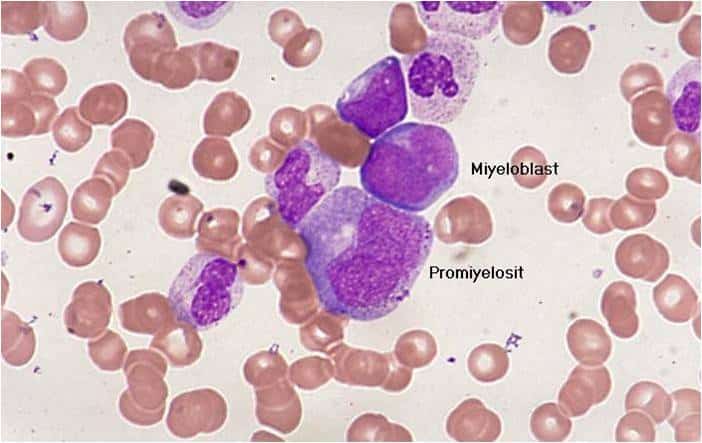
Acute myeloid leukemia, commonly called AML, is a fast-moving cancer affecting the blood and bone marrow. This cancer disrupts the normal production of blood cells dramatically and rapidly. Without treatment, AML can become life-threatening within weeks of initial onset.
Unlike some cancers that develop slowly over many years, AML progresses alarmingly fast. This speed makes early recognition and prompt medical evaluation genuinely critical. Understanding AML’s characteristics helps explain why any concerning symptoms deserve immediate professional attention.
What Happens Inside the Bone Marrow
Bone marrow continuously produces the blood cells your body needs every day. AML disrupts this process by causing immature, abnormal cells called blasts to multiply uncontrollably. These blasts crowd out healthy red blood cells, white blood cells, and platelets simultaneously.
How AML Develops
AML originates from myeloid stem cells, the precursor cells developing into various blood cell types normally. Genetic mutations within these stem cells disrupt their normal maturation process. Instead of developing into functional blood cells, they accumulate as immature, non-functional blast cells.
This abnormal accumulation creates the core problem driving AML’s serious health consequences. Healthy cell production declines dramatically as blast cells rapidly fill bone marrow space. The resulting blood cell deficiencies create the characteristic symptoms that accompany this diagnosis.
The Rapid Progression That Makes AML Unique
The word “acute” in this cancer’s name directly reflects its fast-moving biological nature. Unlike chronic leukemia variants that progress over months or years, AML demands immediate response. This urgency distinguishes AML from other blood cancers in both clinical management and patient experience.
Causes and Risk Factors
Most AML cases arise without any clearly identifiable specific cause in individual patients. However, several well-established risk factors meaningfully increase overall development likelihood. Previous cancer treatments involving certain chemotherapy drugs or radiation significantly elevate future AML risk.
Genetic conditions, including Down syndrome, also increase AML susceptibility considerably. Certain blood disorders, like myelodysplastic syndrome, frequently progress toward AML over time. Exposure to benzene, a chemical found in certain industrial environments and tobacco smoke, represents another recognized risk factor.
Why Age Plays Such a Significant Role
AML risk increases substantially with advancing age across all population groups. The majority of diagnoses occur in adults over sixty years old specifically. This age concentration likely reflects decades of accumulated genetic mutations within blood stem cells naturally.
Recognizing the Symptoms
AML symptoms develop quickly, often appearing over just a few days or weeks. Fatigue and unusual paleness result directly from declining red blood cell production. These symptoms feel more pronounced and persistent than typical tiredness from normal daily activities.
Frequent infections or infections that don’t improve normally indicate impaired white blood cell function. Without adequate healthy white blood cells, the immune system loses its ability to fight pathogens effectively. Unusual bruising and bleeding, including gum bleeding, signal problematic platelet deficiency affecting normal clotting.
Physical Symptoms That Warrant Urgent Evaluation
Bone pain, joint discomfort, and swollen lymph nodes sometimes accompany AML development. Some patients experience fevers without obvious infectious cause during early disease stages. Night sweats and unexpected weight loss also frequently occur alongside these more specific symptoms.
Why Symptoms Develop So Quickly
AML’s rapid blast cell proliferation quickly crowds out normal blood cell production within the marrow. This fast crowding explains why symptoms appear over days rather than months. This rapid deterioration pattern means medical evaluation shouldn’t be delayed once concerning symptoms emerge.
How Doctors Diagnose AML
Diagnosis begins with complete blood count testing revealing characteristic abnormalities pointing toward leukemia. Pathologists examine blood samples under microscopy, looking for the presence of immature blast cells. This initial finding then prompts further comprehensive testing to confirm and characterize the specific leukemia type.
Bone marrow biopsy provides definitive diagnostic confirmation by directly examining marrow cell populations. This procedure collects a small marrow sample from the hip bone under local anesthesia. The collected sample undergoes detailed analysis revealing AML’s specific subtype and genetic characteristics.
Why Genetic Testing Has Transformed AML Diagnosis
Modern AML diagnosis extends far beyond standard microscopic examination alone. Genetic and molecular testing identifies specific mutations within cancer cells that directly influence treatment selection. This molecular profiling has fundamentally transformed how oncologists approach individualized AML treatment planning.
Treatment Options and Recent Advances
Induction chemotherapy aims to achieve remission by destroying as many leukemia cells as possible. This intensive treatment phase typically requires hospitalization lasting several weeks. Achieving complete remission, meaning no detectable leukemia cells, represents the primary initial treatment goal.
Following successful induction, consolidation therapy aims to eliminate remaining leukemia cells to prevent relapse. This phase varies in intensity and duration depending on individual patient characteristics and genetic risk profile. Treatment decisions increasingly reflect specific molecular findings rather than relying solely on traditional chemotherapy approaches.
How Targeted Therapies Have Changed AML Treatment
Several molecularly targeted drugs now provide more precise treatment for specific AML genetic subtypes. FLT3 inhibitors and IDH inhibitors specifically target mutations found in significant AML patient populations. These targeted treatments improve outcomes meaningfully while sometimes causing fewer side effects than traditional chemotherapy.
When Stem Cell Transplantation Becomes Necessary
Allogeneic stem cell transplantation remains an important treatment option for higher-risk AML patients. This procedure replaces damaged bone marrow with healthy donor marrow capable of producing normal blood cells. Transplantation offers the most durable long-term disease control for appropriately selected patients.
Final Thoughts on Acute Myeloid Leukemia
Acute myeloid leukemia demands prompt recognition and swift, specialized treatment from experienced hematologists. Modern advances in targeted therapy and transplantation have meaningfully improved outcomes for many patients. Understanding AML’s symptoms and urgency empowers faster medical response when this cancer strikes.
If you experience rapid-onset fatigue, unusual bruising, or recurrent infections, seek immediate medical evaluation. Don’t attribute these symptoms to stress or aging without professional blood testing first. With prompt diagnosis and increasingly sophisticated treatment options, many AML patients achieve meaningful, lasting remission today.
Frequently Asked Questions
How quickly does AML progress without treatment?
AML can become life-threatening within days to weeks without appropriate treatment. This rapid progression distinguishes it from slower-moving blood cancers requiring less urgent response. Immediate specialist referral and treatment initiation significantly improve overall patient outcomes.
Can AML be cured completely?
Younger patients with favorable genetic profiles can achieve long-term cures, particularly following stem cell transplantation. Older patients or those with high-risk genetic features face more challenging treatment scenarios. Ongoing research continues improving cure rates across all patient age groups and risk categories.
What causes AML to develop?
Most AML cases arise from random genetic mutations without a single identifiable cause. Previous cancer treatment, certain chemical exposures, and specific blood disorders increase risk meaningfully. Genetic conditions like Down syndrome and family history also contribute to elevated individual susceptibility.
Is AML hereditary?
Most AML cases arise sporadically without a direct hereditary cause in affected patients. However, certain inherited genetic conditions do increase family members’ AML risk significantly. Genetic counseling helps clarify familial risk when multiple relatives develop blood cancers.
What is the difference between AML and other leukemia types?
AML affects myeloid blood cell precursors and progresses extremely rapidly. Acute lymphoblastic leukemia affects different cell types and occurs more commonly in children. Chronic leukemias progress much more slowly than both acute forms, allowing different management approaches.
Disclaimer:
This article is for informational purposes only and does not replace professional medical advice. Please consult a qualified healthcare provider for diagnosis and treatment.
References:
- The overall 5-year survival rates have improved significantly over time, from 51% before 1990 to 72% since 2010.
- Chronic myeloid leukemia is a myeloproliferative neoplasm with an annual incidence of two cases per 100,000.
- Blood is produced quietly and continuously inside the bone marrow.
- Acute myeloid leukemia (AML) is a bone marrow stem cell cancer that is often fatal despite available treatments.
Observer Voice is the one stop site for National, International news, Sports, Editor’s Choice, Art/culture contents, Quotes and much more. We also cover historical contents. Historical contents includes World History, Indian History, and what happened today. The website also covers Entertainment across the India and World.

